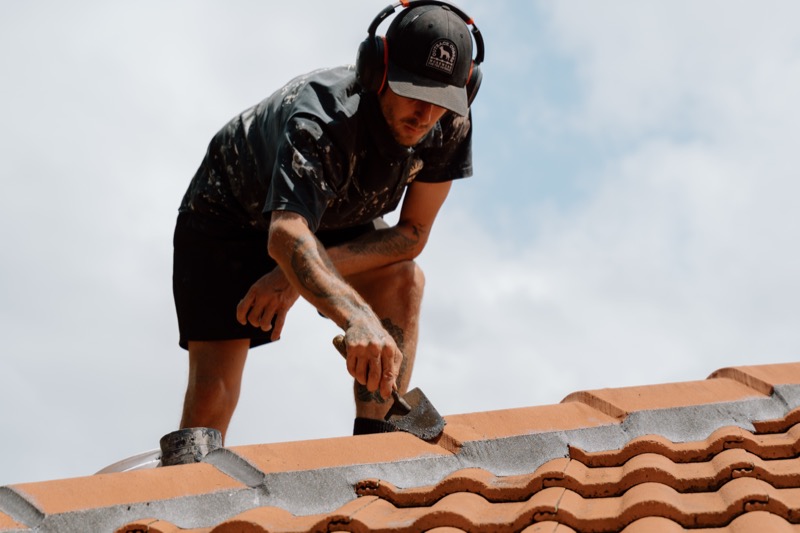
Wind Damaged Roof - Repair Options
Wind damaged roofs require immediate assessment and typically need professional repair ranging from $500 to $4,000+ depending on severity. After a storm, your repair options include temporary tarping to prevent water ingress, partial repairs for localised damage like lifted tiles or torn metal sheets, or complete section replacement for severe structural damage. On the Gold Coast, where we experience an average of 8-12 significant storm events annually, wind damage is the leading cause of emergency roof repairs. Acting within 24-48 hours of discovering damage is critical to prevent secondary water damage that can triple repair costs.
Understanding Wind Damage to Gold Coast Roofs
Queensland's coastal regions face unique wind challenges that homeowners across Brisbane, the Gold Coast, and Sunshine Coast know all too well. From summer storm season cyclonic gusts to the persistent south-easterly trade winds, our roofs endure tremendous stress throughout the year.
Wind doesn't need to reach cyclone intensity to cause significant roof damage. In fact, winds as low as 75 km/h can begin lifting tiles, while gusts of 90 km/h and above commonly tear metal sheeting and damage ridge capping. The Gold Coast's Bureau of Meteorology records show wind gusts exceeding 100 km/h occur multiple times each storm season.
How Wind Damages Different Roof Types
Tile Roofs:
- Concrete and terracotta tiles can crack, chip, or completely dislodge
- Bedding and pointing around ridge caps deteriorates faster under wind stress
- Sarking underneath may tear, compromising waterproofing
Metal Roofs (Colorbond):
- Sheet lifting at edges and overlaps
- Screw fasteners loosen or pull through
- Flashing separation around vents and penetrations
- Entire sheets can peel back in severe events
Asbestos Cement Roofs:
- Cracking and sheet breakage
- Requires licensed asbestos handling for any repairs
- Often wind damage accelerates the need for full replacement
Common Causes of Wind Roof Damage
Understanding why wind damage occurs helps homeowners take preventive action and make informed repair decisions.
Age and Deterioration
Roofs over 15 years old become increasingly vulnerable to wind damage. The Gold Coast's combination of intense UV exposure, salt air corrosion, and humidity accelerates material degradation. Tile bedding dries out and cracks, metal fasteners corrode, and sealants lose flexibility.
Poor Installation
Unfortunately, we see many roofs at Radiant Roof Repairs that were incorrectly installed from the start. Common installation failures include:
- Insufficient fastener spacing on metal roofs
- Tiles not properly bedded or clipped
- Inadequate overlap on metal sheets
- Missing or incorrect flashing installation
- Battens spaced too far apart
Deferred Maintenance
Small issues become major vulnerabilities during storms. A loose tile that could have been re-bedded for $50 can lead to $2,000 in water damage when it flies off during a storm.
Debris Impact
The Gold Coast's lush vegetation means falling branches, palm fronds, and airborne debris frequently cause direct impact damage during wind events.
Your Wind Damage Repair Options
Once you've identified wind damage to your roof, several repair pathways are available depending on the extent of damage and your budget.
Option 1: Emergency Tarping (Temporary)
Cost: $200 - $800
Best for: Immediate protection while awaiting permanent repairs or insurance assessment
Emergency tarping involves securing heavy-duty tarpaulins over damaged sections to prevent water ingress. This is a temporary measure, typically lasting 2-4 weeks, that buys time for proper repair planning.
Important: Many insurance policies require prompt action to mitigate further damage. Emergency tarping demonstrates you've taken reasonable steps to protect your property.
Option 2: Localised Repairs
Cost: $500 - $2,500
Best for: Damage confined to specific areas with structurally sound surrounding sections
Localised repairs address the specific damage points without extensive work:
- Replacing individual broken or missing tiles
- Re-bedding and re-pointing ridge capping
- Reattaching lifted metal sheets
- Replacing damaged flashing
- Sealing penetrations and joins
This option works well when damage is limited and the overall roof remains in reasonable condition.
Option 3: Section Replacement
Cost: $2,000 - $8,000
Best for: Concentrated damage to one roof area, such as wind damage to a north-facing section
Section replacement involves removing and replacing entire damaged areas including:
- Roofing material (tiles or sheets)
- Damaged battens or purlins
- Compromised sarking or insulation
- Associated flashing and trim
This provides a lasting solution for significant localised damage while avoiding full roof replacement costs.
Option 4: Full Roof Restoration
Cost: $2,500 - $8,000+
Best for: Older roofs where wind damage has revealed widespread underlying issues
A full restoration addresses wind damage while bringing the entire roof back to optimal condition:
- Complete re-bedding and re-pointing for tile roofs
- Comprehensive fastener replacement for metal roofs
- Full cleaning and surface preparation
- Application of protective coatings
- Replacement of all deteriorated components
Option 5: Complete Roof Replacement
Cost: $19,999 - $45,000+
Best for: Severe structural damage, roofs beyond economic repair, or asbestos roofs requiring removal
When wind damage is extensive or reveals fundamental structural issues, complete replacement becomes the most cost-effective long-term solution. This is particularly relevant for:
- Roofs over 30 years old
- Asbestos cement roofs
- Roofs with significant structural timber damage
- Situations where repairs would exceed 50% of replacement cost
DIY vs Professional Repairs
What Homeowners Can Safely Do
Some preliminary actions are appropriate for handy homeowners:
- Ground-level inspection: Use binoculars to identify visible damage
- Interior check: Look for ceiling stains, drips, or daylight through roof space
- Gutter clearing: Remove debris blocking drainage (from a safe height)
- Documentation: Photograph all visible damage for insurance purposes
- Temporary interior protection: Place buckets under leaks, move valuables
Why Professional Assessment is Essential
Roof work carries significant risks that make professional involvement essential for actual repairs:
Safety: Falls from roofs cause serious injuries. Professionals have proper equipment, training, and insurance.
Hidden Damage: Wind damage often extends beyond visible signs. Professionals identify underlying issues like batten damage, sarking tears, and structural movement.
Warranty Protection: DIY repairs typically void material warranties and may affect home insurance coverage.
Building Compliance: Queensland building regulations require certain roof work to be performed by licensed contractors. QBCC licensing ensures work meets Australian Standards.
Insurance Requirements: Most insurers require repairs by licensed tradespeople for claims to be valid.
When to Get Professional Help
Contact a licensed roofing contractor like Radiant Roof Repairs immediately if you notice:
- Missing, cracked, or displaced tiles
- Lifted or torn metal sheets
- Ridge capping damage or displacement
- Visible daylight through the roof space
- Water stains appearing on ceilings or walls
- Debris accumulation in valleys or gutters
- Unusual sounds during subsequent wind events
- Any structural sagging or movement
The Insurance Claims Process
Most comprehensive home insurance policies cover storm and wind damage. Here's how to navigate the claims process:
- Document everything with photos and video before any repairs
- Contact your insurer within 24-48 hours of discovering damage
- Get a professional assessment - insurers often accept quotes from QBCC licensed contractors
- Authorise emergency repairs if needed to prevent further damage
- Keep all receipts and correspondence
- Don't dispose of damaged materials until the assessor has inspected
Prevention Tips for Gold Coast Homeowners
While you cannot prevent storms, you can significantly reduce wind damage risk through proactive maintenance.
Annual Roof Inspections
Schedule professional inspections before storm season (October-November). A qualified inspector will identify and address vulnerabilities before they become emergency repairs.
Maintain Surrounding Trees
Trim branches within 3 metres of your roof line. Remove dead or dying trees that could fall during storms. The Gold Coast City Council has specific regulations regarding tree removal—check requirements before proceeding.
Secure Loose Components
Ensure all roof penetrations (vents, aerials, solar panels) are properly secured. Check that whirlybirds spin freely and are firmly attached.
Upgrade Fixings on Older Roofs
For metal roofs over 15 years old, consider a fastener upgrade. Replacing corroded screws with new cyclone-rated fasteners significantly improves wind resistance.
Install Tile Clips
Modern tile clip systems provide far superior wind resistance compared to traditional bedding alone. Retrofitting clips to existing tile roofs is possible and worthwhile in high-wind areas.
Clear Gutters and Valleys
Blocked drainage during storms causes water backup under roofing materials. Maintain clear gutters, particularly during autumn leaf fall.
Frequently Asked Questions
How quickly should I repair wind damage to my roof?
Address wind damage within 24-48 hours if possible. Even minor damage can allow water ingress during subsequent rain, potentially causing thousands in secondary damage to ceilings, insulation, and structural timbers. At minimum, arrange emergency tarping until permanent repairs can be completed.
Will my insurance cover wind damaged roof repairs?
Most comprehensive home and contents policies cover sudden storm damage. However, damage resulting from lack of maintenance or gradual deterioration is typically excluded. Document the damage thoroughly and contact your insurer promptly. Having repairs completed by a QBCC licensed contractor ensures your claim meets insurer requirements.
Can I claim for roof replacement if only part is wind damaged?
Insurers will cover repair or replacement of damaged sections. Full replacement is only covered if damage is extensive enough to make repair impractical or if matching materials are unavailable. For older roofs, this sometimes works in homeowners' favour when discontinued tiles or colours can't be sourced.
How can I tell if my roof has wind damage after a storm?
Look for obvious signs like missing or displaced tiles, lifted metal sheets, debris on the roof, and damaged ridge capping. Inside, check for new ceiling stains, drips, or daylight visible in the roof space. However, some damage isn't visible from the ground—professional inspection is recommended after any significant storm event.
What wind speed causes roof damage?
Roof damage typically begins at wind speeds around 75 km/h, with significant damage common above 90 km/h. However, gusting winds cause more damage than sustained speeds, as the repeated pressure changes stress roofing materials. Older or poorly maintained roofs may suffer damage at lower wind speeds.
Should I go on my roof to inspect storm damage?
No. Roof inspections should be left to professionals with appropriate safety equipment and training. Falls from roofs are a leading cause of serious injury in Australia. Additionally, walking on a damaged roof can cause further damage or personal injury if structural integrity is compromised.
How long do wind damage repairs typically take?
Simple repairs like replacing a few tiles can often be completed in a few hours. More extensive repairs involving section replacement may take 1-3 days. Full restorations typically require 2-5 days depending on roof size and complexity. Weather conditions can affect timing, as roof work cannot proceed safely during rain or high winds.
What's the difference between repair and restoration after wind damage?
Repair addresses specific damaged areas only, restoring the roof to functional condition. Restoration is a comprehensive process that repairs damage while also addressing underlying issues, cleaning the entire roof, and applying protective treatments. Restoration makes sense when wind damage reveals broader maintenance needs.
Are there building permits required for roof repairs in Queensland?
Minor repairs don't typically require permits. However, structural work, full replacements, or changes to roof configuration may require building approval. Your QBCC licensed contractor can advise on permit requirements for your specific situation. All roofing work must comply with the Building Code of Australia and relevant Australian Standards.
How do I choose a reputable roof repair contractor?
Essential criteria include current QBCC licensing, comprehensive insurance, local experience with Gold Coast conditions, and verifiable customer reviews. Request itemised written quotes, ask about warranties, and confirm they'll handle any required permits. Avoid contractors who demand large upfront deposits or pressure you into immediate decisions.
Conclusion
Wind damage to your roof demands prompt attention, but understanding your repair options helps you make informed decisions rather than panicking into costly mistakes. Whether you need simple tile replacement, comprehensive restoration, or full roof replacement, the key is acting quickly while choosing qualified professionals who understand Gold Coast conditions.
At Radiant Roof Repairs, Daniel Morrison and the team bring over 25 years of local experience to every wind damage assessment. Our QBCC licensed specialists serve homeowners across the Gold Coast, Brisbane, and Sunshine Coast with honest advice and quality workmanship.
If your roof has suffered wind damage, or you want a pre-storm season inspection to identify vulnerabilities, contact Radiant Roof Repairs on 0480 855 390 for a professional assessment. Protecting your home starts with protecting your roof.