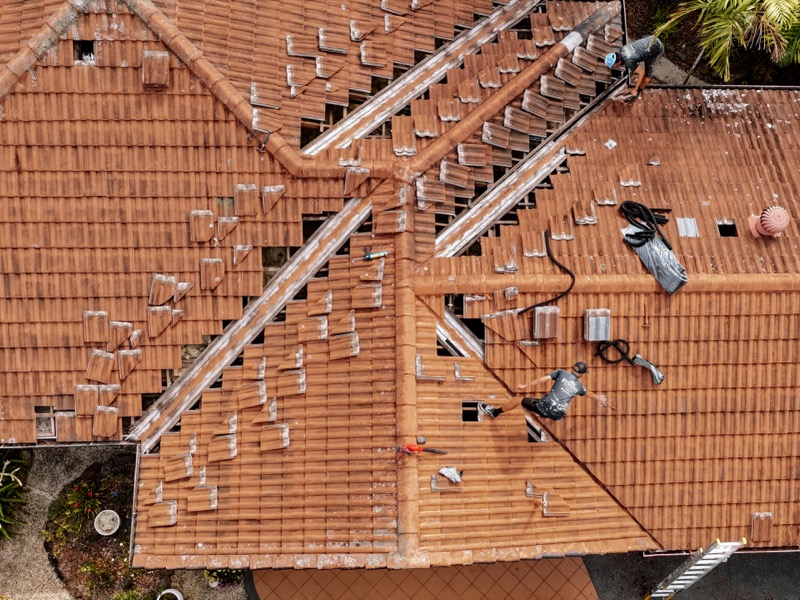
Wet Season Roof Problems on the Gold Coast
*By Daniel Morrison, QBCC Licensed Roofing Specialist with 25+ years Gold Coast experience*
Every January, Gold Coast homeowners face the same annual challenge: the wet season arrives with a vengeance. After more than two decades inspecting and repairing roofs across South East Queensland, I can tell you that the period between January and March is when we see the most roof damage—and unfortunately, the most preventable roof failures.
The subtropical climate that makes the Gold Coast such a beautiful place to live also creates unique challenges for your roof. Understanding these challenges and taking proactive steps can save you thousands of dollars and considerable stress when the storms roll in.
Why Wet Season Roof Problems Matter Right Now
If you're reading this in January, you're already in the thick of it. The Gold Coast typically receives around 40% of its annual rainfall between January and March, with February historically being our wettest month. In recent years, we've seen rainfall totals exceed 300mm in a single month—sometimes in just a few days during severe weather events.
This concentrated rainfall creates immense stress on roofing systems. Unlike the gradual wear from year-round weather exposure, wet season conditions can expose weaknesses in your roof almost overnight. A small crack in a roof tile that caused no problems during the dry months suddenly becomes a major leak when 50mm of rain falls in an hour.
The timing couldn't be more critical. We're also in the middle of cyclone season, which runs from November through April. While direct cyclone hits on the Gold Coast are relatively rare, we frequently experience the outer bands of cyclonic systems that bring sustained heavy rain, strong winds, and sometimes hail. These conditions test even well-maintained roofs to their limits.
Understanding Gold Coast Wet Season Challenges
The Triple Threat: Rain, Wind, and Humidity
Gold Coast roofs face a unique combination of stressors during the wet season that you simply don't see in other parts of Australia.
Intense Rainfall: Our subtropical storms don't mess about. We regularly experience rainfall intensities of 50-100mm per hour during severe thunderstorms. This volume of water can overwhelm drainage systems, back up into roof cavities, and find its way through even minor imperfections in roofing materials.
Wind-Driven Rain: It's not just how much rain falls, but how it falls. Winds during summer storms commonly exceed 60-80 km/h, driving rain horizontally into areas that would normally stay dry. Ridge capping, valley flashings, and areas around penetrations like skylights and vent pipes are particularly vulnerable to wind-driven rain infiltration.
Sustained Humidity: Between rain events, humidity levels on the Gold Coast regularly sit above 70-80%. This persistent moisture creates ideal conditions for mould growth, timber rot, and corrosion of metal components. Roof cavities that don't receive adequate ventilation become breeding grounds for problems that compound over time.
Salt Air Corrosion
For properties within a few kilometres of the coast—which includes much of the Gold Coast urban area—salt air adds another layer of complexity. Salt accelerates corrosion of metal roofing, fasteners, flashings, and guttering. Combined with wet season moisture, salt corrosion can progress rapidly, compromising the integrity of metal components that are critical to keeping water out.
Thermal Movement
The Gold Coast's summer temperatures fluctuate dramatically, sometimes by 15-20 degrees within a single day. Roof materials expand and contract with these temperature changes. Over time, this thermal cycling loosens fasteners, opens gaps in sealants, and can crack brittle materials like older cement tiles. The wet season then exploits these weaknesses.
Your Wet Season Roof Preparation Checklist
Prevention is always more cost-effective than repair. Here's what every Gold Coast homeowner should do before and during the wet season:
Gutter and Downpipe Maintenance
- Clear all debris: Leaves, twigs, and sediment accumulate quickly. Blocked gutters cause water to back up under roof sheets and tiles.
- Check for sagging: Gutters should maintain consistent fall toward downpipes. Sagging sections hold water and eventually fail.
- Inspect downpipe connections: Ensure downpipes are securely connected and directing water away from foundations.
- Consider gutter guards: Quality gutter protection can significantly reduce maintenance requirements and prevent blockages during storms.
Roof Surface Inspection
- Look for cracked or broken tiles: Even hairline cracks can admit significant water during heavy rain.
- Check for lifted or displaced tiles: High winds can shift tiles without completely removing them.
- Inspect metal roofing for rust: Early-stage rust can be treated, but advanced corrosion requires panel replacement.
- Examine sealants and caulking: These materials degrade over time and need periodic replacement.
Flashing and Penetration Points
- Ridge and hip capping: These high points are exposed to the worst weather. Look for gaps, lifted sections, or deteriorated mortar.
- Valley flashings: Valleys concentrate water flow and are common leak points. Ensure flashings are intact and properly overlapped.
- Penetrations: Every pipe, vent, antenna, or skylight is a potential leak point. Check seals and flashings around all penetrations.
Roof Cavity Ventilation
- Ensure vents are clear: Blocked whirlybirds or passive vents trap moisture and heat.
- Check for adequate ventilation: Poor ventilation accelerates deterioration and promotes mould growth.
- Inspect insulation: Wet or compressed insulation loses effectiveness and can harbour mould.
Warning Signs Your Roof Is Struggling
Knowing what to look for can help you catch problems before they become disasters. Here are the warning signs that indicate your roof needs attention:
Interior Warning Signs
- Water stains on ceilings: Brown or yellow staining, even if currently dry, indicates past water intrusion.
- Peeling paint or bubbling: Moisture trapped behind paint causes these symptoms.
- Musty odours: That distinctive smell often indicates mould growth from ongoing moisture problems.
- Visible mould: Any mould visible inside your home warrants immediate investigation.
- Drips during rain: Obviously concerning, but note that water can travel considerable distances from the actual entry point.
Exterior Warning Signs
- Missing or damaged tiles/sheets: Obvious gaps in roofing materials require immediate attention.
- Rust staining: Orange streaks running down walls or fascia indicate corroding metal components.
- Sagging roofline: This can indicate structural issues caused by water damage to timber framing.
- Moss or lichen growth: While not immediately damaging, these retain moisture against roofing materials.
- Accumulated debris in valleys: Debris dams trap water and accelerate deterioration.
Gutter Warning Signs
- Overflowing during rain: Indicates blockages or insufficient capacity.
- Visible rust or corrosion: Metal gutters deteriorate from the inside out; visible external rust suggests advanced decay.
- Pulling away from fascia: Failed brackets can't support water-laden gutters.
- Water staining on fascia boards: Indicates water is getting behind gutters.
What to Do When Problems Occur
Despite best preparation, problems can still occur during severe weather. Here's how to respond:
Immediate Steps
- Protect your belongings: Move furniture and valuables away from leak areas. Use buckets, towels, or tarps to contain water.
- Document the damage: Take photos and videos before any cleanup. This documentation is essential for insurance claims.
- Don't attempt roof access during storms: This cannot be stressed enough. Wet roofs are extremely dangerous, and no repair is worth risking your life.
- Turn off electricity in affected areas: Water and electricity are a deadly combination. If leaks are near electrical fixtures or wiring, switch off power at the breaker.
- Contact your insurance company: Many policies require prompt notification of damage. Check your policy requirements.
Temporary Measures
Once conditions are safe:
- Tarping: A properly secured tarp can prevent further water intrusion until permanent repairs can be made. However, improper tarping can cause additional damage or create safety hazards.
- Internal water management: Continue managing any water intrusion to minimise secondary damage to ceilings, walls, and flooring.
- Ventilation: Once rain stops, promote air circulation to help dry affected areas and prevent mould growth.
When to Call a Professional
While some maintenance tasks are suitable for handy homeowners, many roof issues require professional assessment and repair. At Radiant Roof Repairs, we recommend professional involvement when:
- Leaks persist or recur: Ongoing leaks indicate problems that basic repairs won't solve.
- Storm damage is suspected: Even if no leaks are apparent, storm damage should be professionally assessed.
- The roof is more than 15 years old: Older roofs may have multiple issues that require comprehensive evaluation.
- Access is difficult or dangerous: Steep pitches, significant height, or fragile roofing materials all increase risk.
- Insurance claims are involved: Professional documentation and assessment strengthens claims.
What Professional Assessment Involves
A thorough professional roof inspection includes:
- Complete surface examination of all roofing materials
- Assessment of flashings, penetrations, and drainage components
- Roof cavity inspection for moisture damage, ventilation issues, and structural concerns
- Gutter and downpipe evaluation
- Detailed report with photographs and repair recommendations
- Written quotation for any necessary works
Understanding Repair Costs
Roof repair costs vary significantly depending on the scope of work required. For Gold Coast properties, you can generally expect:
- Minor repairs (replacing a few tiles, resealing flashings): $500 - $1,500
- Moderate repairs (section re-roofing, valley replacement, multiple leak repairs): $1,500 - $4,000+
- Roof restoration (complete cleaning, repairs, recoating): $2,500 - $8,000+
- Full roof replacement: $19,999 - $45,000+ depending on size and materials
- Gutter replacement: $500 - $5,000+ depending on length and material
These ranges reflect the Gold Coast market and account for the quality materials and workmanship that our climate demands. Cheaper quotes often mean inferior materials or shortcuts that cost more in the long run.
Wet Season Roof FAQs
How often should I have my roof professionally inspected?
For Gold Coast properties, I recommend professional inspection every two years as a minimum, and annually for homes over 20 years old or within close proximity to the ocean. Additionally, inspection after any significant storm event is wise, as damage isn't always immediately apparent.
Can I inspect my own roof during wet season?
Ground-level inspection with binoculars is safe and can identify obvious issues like missing tiles or damaged gutters. However, never access your roof when it's wet, and avoid roof access entirely unless you have proper safety equipment and experience. Falls from roofs cause serious injuries and deaths every year in Queensland.
What's the best time to schedule roof repairs during wet season?
Monitor weather forecasts and aim for dry windows of several days. Radiant Roof Repairs schedules work based on weather conditions to ensure quality results and worker safety. Some repairs can proceed in light drizzle, but most require dry conditions for proper adhesion of sealants and safe working conditions.
Will my insurance cover wet season roof damage?
Most home insurance policies cover sudden storm damage but exclude damage resulting from poor maintenance or gradual deterioration. This is why regular maintenance is so important—it maintains your coverage eligibility and reduces the likelihood of claims being denied.
How can I tell if a leak is new or from existing damage?
New leaks from storm damage typically appear during or immediately after rain events. Existing damage may cause leaks only under specific conditions (wind direction, rainfall intensity). A professional inspection can often determine the cause and age of damage, which is important for insurance purposes.
Are some roof types more vulnerable during wet season?
All roof types have wet season vulnerabilities. Tile roofs can suffer from cracked or displaced tiles; metal roofs from corrosion, lifted sheets, or failed fasteners; flat roofs from ponding water and membrane failures. Age, maintenance history, and installation quality matter more than roof type.
How quickly can roof repairs be completed?
Repair timeframes depend on damage extent, material availability, and weather conditions. Minor repairs may take a few hours; significant damage might require multiple days. During peak storm season, high demand can extend wait times. Booking inspections before peak season helps ensure faster response if problems occur.
What temporary measures can I take while waiting for repairs?
Containing water intrusion with buckets and towels is safe. Tarping requires caution—improper application can cause additional damage or create hazards. If you're unsure, it's better to manage water internally than risk injury or further damage from improper tarping.
Should I get multiple quotes for roof repairs?
Multiple quotes can be valuable for major works. However, ensure you're comparing like with like—the cheapest quote isn't always the best value. Look for QBCC licensed contractors, check reviews, ask about warranties, and ensure quotes specify materials and scope of work clearly.
How can I prepare my roof before next wet season?
Schedule professional inspection and any necessary repairs during the drier months (July-October). Clear gutters, trim overhanging branches, and address minor issues before they become major problems. A small investment in preparation can prevent thousands in emergency repairs.
Protecting Your Investment
Your roof is one of your home's most critical components—and one of its most expensive to replace. Taking wet season seriously, understanding the unique challenges our Gold Coast climate presents, and acting proactively on maintenance and repairs protects both your home and your investment.
If you're concerned about your roof's readiness for wet season, or if you've noticed any of the warning signs discussed above, don't wait for the next storm to find out if there's a problem. Contact Radiant Roof Repairs on 0480 855 390 for a professional assessment. We service the Gold Coast, Brisbane, and Sunshine Coast, and our team of QBCC licensed specialists is here to help you weather the wet season with confidence.
*Stay safe, stay dry, and remember—when it comes to your roof, prevention is always better than cure.*