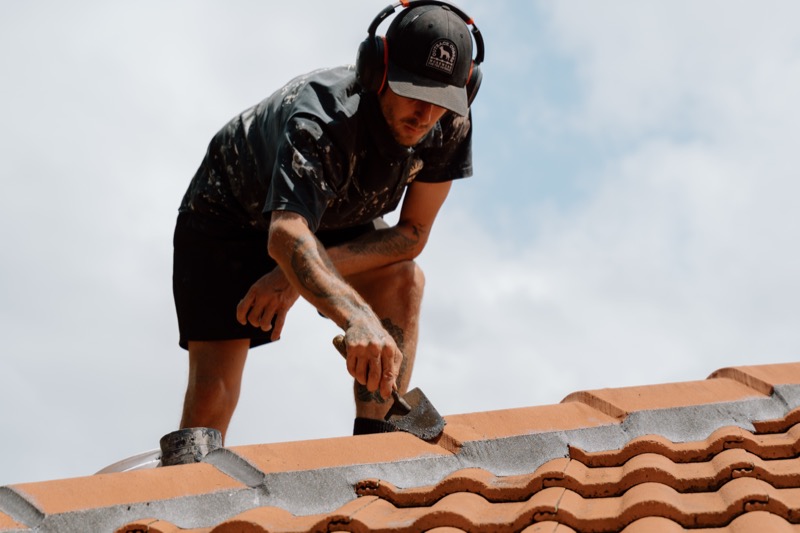
UV Damage to Roofing Materials
UV damage is one of the most significant threats to roofing materials in Queensland, causing deterioration that can reduce your roof's lifespan by 30-40% if left unaddressed. The Gold Coast experiences approximately 2,400 hours of sunshine annually—among the highest in Australia—which means your roof endures relentless ultraviolet radiation year-round. This constant exposure breaks down protective coatings, causes colour fading, brittleness in tiles and metal oxidation, ultimately leading to leaks, structural weakness, and costly repairs ranging from $500 to $8,000 or more depending on the extent of damage.
Understanding How UV Radiation Damages Your Roof
Ultraviolet radiation from the sun is an invisible but powerful force that affects every roofing material differently. Unlike storm damage that's immediately visible, UV damage occurs gradually over months and years, making it easy to overlook until significant deterioration has occurred.
The Science Behind UV Degradation
UV rays operate at wavelengths between 290-400 nanometres, carrying enough energy to break chemical bonds in roofing materials. This photodegradation process affects:
- Polymer chains in plastic-based materials, causing them to become brittle and crack
- Protective coatings on metal roofs, leading to oxidation and rust
- Bitumen compounds in flat roofing membranes, resulting in hardening and eventual failure
- Colour pigments across all materials, causing fading and aesthetic deterioration
On the Gold Coast, where the UV index regularly exceeds 11 during summer months (classified as "extreme" by the Bureau of Meteorology), these degradation processes accelerate dramatically compared to southern regions of Australia.
Queensland's Unique UV Challenge
Our subtropical location means Gold Coast, Brisbane, and Sunshine Coast properties face UV exposure that's 15-20% more intense than Melbourne or Sydney. Combined with our high humidity levels averaging 70-80%, roofing materials experience a double assault—UV breakdown paired with moisture infiltration into newly formed cracks and weak points.
The salt-laden coastal air adds another dimension to this challenge. Properties within 5 kilometres of the coastline experience accelerated corrosion when UV damage compromises protective roof coatings, allowing salt particles to attack exposed metal surfaces.
Common Signs of UV Damage to Different Roofing Materials
Colorbond and Metal Roofing
Metal roofs are popular across Queensland for good reason—they're durable, fire-resistant, and handle our storm season well. However, UV exposure affects them in specific ways:
- Colour fading: The most visible sign, particularly on darker colours which absorb more UV radiation
- Chalking: A white, powdery residue that forms as the paint coating breaks down
- Loss of gloss: The surface becomes dull and matte over time
- Coating delamination: In severe cases, the protective coating peels away entirely
- Surface oxidation: Once coatings fail, the underlying metal begins to corrode
Quality Colorbond roofing typically includes UV-stabilised coatings that extend lifespan, but even these degrade after 15-20 years of Gold Coast sun exposure.
Concrete and Terracotta Tiles
Tile roofs are Queensland favourites, but they're not immune to UV damage:
- Surface erosion: The protective glaze or coating wears away, exposing porous material beneath
- Colour fading: Particularly noticeable on painted concrete tiles
- Brittleness: Tiles become more susceptible to cracking during storms or foot traffic
- Efflorescence: White salt deposits appear as water penetrates degraded surfaces
- Moss and lichen growth: Damaged surfaces provide better grip for organic growth
Asphalt Shingles
While less common in Queensland, properties with asphalt shingles face significant UV challenges:
- Granule loss: The protective mineral surface erodes, appearing as sediment in gutters
- Curling and buckling: Shingles warp as oils evaporate from the asphalt
- Cracking: Brittleness leads to visible fractures across the shingle surface
- Blistering: Trapped moisture expands under UV heat, creating bubbles
Flat Roofing Membranes
Commercial and some residential properties use membrane roofing systems that face unique UV challenges:
- Surface cracking: Known as "alligatoring" due to the pattern resembling reptile skin
- Seam separation: UV weakens adhesives and welded joints
- Ponding issues: Shrinkage creates low spots where water collects
- Complete membrane failure: Severe degradation requires full replacement
Solutions for UV-Damaged Roofs
DIY Maintenance and Minor Repairs
Homeowners can address early-stage UV damage with these approaches:
Regular Inspections
- Conduct visual inspections every six months, particularly after summer
- Look for colour changes, surface texture changes, and early signs of coating failure
- Check gutters for granules or coating residue indicating degradation
Cleaning and Maintenance
- Keep your roof clean to remove debris that can trap moisture against UV-weakened surfaces
- Clear gutters and valleys regularly
- Trim overhanging branches that may scratch UV-damaged coatings
Minor Touch-ups
- Small areas of rust on metal roofs can be treated with rust converter and touch-up paint
- Ensure any products used are compatible with your existing roof coating
Professional Restoration Solutions
For moderate to severe UV damage, professional intervention delivers the best results. At Radiant Roof Repairs, we've restored thousands of UV-damaged roofs across the Gold Coast, Brisbane, and Sunshine Coast using proven techniques:
Roof Coating and Resealing
- Application of UV-resistant membrane coatings
- Typical cost: $2,500 - $5,000 for average homes
- Extends roof life by 10-15 years when properly applied
- Available in various colours to refresh appearance
Tile Roof Restoration
- High-pressure cleaning to remove degraded surface material
- Application of primer and UV-resistant top coats
- Repointing of ridge capping
- Replacement of cracked or broken tiles
- Typical cost: $3,500 - $8,000+ depending on roof size and condition
Metal Roof Restoration
- Rust treatment and surface preparation
- Application of specialised metal roof coatings
- Sealing of joints and flashings
- Typical cost: $2,500 - $6,000 for standard homes
Full Roof Replacement
- When UV damage is extensive, replacement may be more cost-effective than restoration
- Modern materials offer superior UV resistance
- Typical cost: $19,999 - $45,000+ depending on material and roof complexity
When to Seek Professional Help
Knowing when DIY maintenance isn't enough can save you thousands in the long run. Contact a QBCC licensed roofing specialist when you notice:
- Widespread colour fading across large sections of your roof
- Multiple areas of coating failure or exposed substrate
- Active leaks that coincide with UV damage signs
- Brittleness or cracking when walking on tiles
- Extensive rust patches on metal roofing
- Your roof is over 15 years old and showing wear signs
- You're selling your property and want to maximise value
A professional inspection typically costs $150-$300 and provides a comprehensive assessment of UV damage severity and recommended solutions. This small investment often identifies problems before they become major expenses.
Prevention Tips for UV Damage
Protecting your roof from UV damage is far more cost-effective than repairing it. Here's how Gold Coast homeowners can minimise UV impact:
Choose UV-Resistant Materials
When building or replacing, select materials rated for Australian conditions:
- Colorbond Ultra or similar enhanced products for coastal areas
- PVDF coatings on metal roofs offer superior UV resistance compared to polyester
- Quality terracotta with factory-applied glazes outperforms painted concrete tiles
- Modern membrane systems with UV stabilisers and reflective surfaces
Apply Reflective Coatings
Reflective or "cool roof" coatings reduce UV absorption by up to 85%, which:
- Decreases surface temperature by 20-30°C in summer
- Reduces thermal expansion stress on materials
- Lowers cooling costs by 10-25%
- Extends coating and material lifespan significantly
Maintain Protective Coatings
Regular maintenance is your best defence:
- Every 2-3 years: Professional inspection and minor touch-ups
- Every 10-15 years: Full restoration or recoating for metal roofs
- Every 15-20 years: Tile roof restoration with new protective coatings
Consider Strategic Shading
Where practical, reducing direct UV exposure helps:
- Install solar panels (which also protect underlying roof areas)
- Plant deciduous trees that provide summer shade while allowing winter sun
- Consider pergolas or shade structures over flat roof sections
Schedule Regular Professional Inspections
Even if your roof appears fine, annual inspections catch UV damage early. Radiant Roof Repairs offers comprehensive assessments that examine coating integrity, identify problem areas, and provide prioritised maintenance recommendations.
The Cost of Ignoring UV Damage
Delaying repairs for UV damage rarely saves money. Consider this typical progression:
- Year 1-3: Minor coating degradation—restoration cost approximately $2,500-$4,000
- Year 4-7: Significant coating failure, early leaks—repair cost $4,000-$8,000
- Year 8+: Structural damage, widespread leaks, potential ceiling and interior damage—replacement cost $20,000-$45,000 plus interior repairs
Early intervention when you first notice UV damage signs typically costs 60-70% less than waiting until problems become severe.
Frequently Asked Questions
How long does it take for UV damage to affect my roof?
UV damage begins immediately upon installation but typically becomes noticeable after 8-12 years on quality roofing materials. In Queensland's intense sun, budget materials may show signs within 5-7 years. Coastal properties often experience faster degradation due to salt air compounding UV damage.
Can I paint over UV-damaged roofing myself?
While DIY roof painting products exist, applying them to UV-damaged surfaces without proper preparation often leads to premature failure. The damaged coating must be removed or treated first, which typically requires professional equipment and expertise. Improperly applied coatings may void any remaining manufacturer warranties.
Which roof colour is most resistant to UV damage?
Lighter colours reflect more UV radiation and show less visible fading. White, cream, and light grey roofs absorb 30-50% less UV energy than dark colours like charcoal or monument. However, modern premium coatings on darker colours now offer significantly improved UV resistance compared to products from even a decade ago.
Does my home insurance cover UV damage repairs?
Standard home insurance policies typically exclude gradual damage including UV degradation, classifying it as normal wear and tear. However, if UV-weakened materials fail during a storm, resulting damage may be covered. Review your policy or speak with your insurer about specific coverage details.
How often should I have my roof inspected for UV damage?
We recommend professional inspections every 2-3 years for roofs under 10 years old, and annually for older roofs. Properties in coastal or extreme exposure areas should consider more frequent assessments. Self-inspections from ground level every six months help identify obvious changes between professional visits.
Is roof restoration or replacement better for UV-damaged roofs?
This depends on the damage extent and your roof's age. Generally, if your roof is under 25 years old and structurally sound, restoration costing $2,500-$8,000 provides excellent value. If the roof is older, has structural issues, or requires repairs exceeding 50% of replacement cost, full replacement may be more economical long-term.
What's the best time of year to repair UV-damaged roofing?
Autumn (March-May) is ideal in Queensland—after the wet season but before winter. Temperatures are moderate for coating adhesion, and you'll have a restored roof before summer's intense UV exposure. Spring is second-best, though approaching storm season means scheduling may be competitive.
How can I tell if my roof's UV damage is severe enough for professional attention?
Seek professional assessment if you notice: widespread rather than isolated fading; any active leaks; chalky residue when you touch metal roofing; visible cracking on tiles; granules in gutters from shingle roofs; or any peeling, bubbling, or flaking of coatings. When in doubt, a professional inspection provides clarity.
Do solar panels protect my roof from UV damage?
Yes, solar panels shade the roof area beneath them, significantly reducing UV exposure to those sections. However, exposed areas around panels may show more contrast over time. The energy savings and protected roof sections make solar an excellent investment for Queensland homes.
What warranty should I expect on UV-resistant roof coatings?
Quality professional roof coatings should come with 10-15 year warranties on UV resistance and weatherproofing. Premium systems may offer 20-year coverage. Always request written warranties specifying what's covered, and ensure your contractor holds appropriate QBCC licensing for warranty validity.
Protecting Your Investment
Your roof represents a significant investment—typically $20,000-$45,000 or more for replacement. Protecting it from Queensland's intense UV radiation through regular maintenance, quality materials, and timely professional intervention makes sound financial sense.
If you've noticed signs of UV damage on your Gold Coast, Brisbane, or Sunshine Coast property, early assessment prevents small problems from becoming major expenses. Contact Radiant Roof Repairs on 0480 855 390 for a comprehensive inspection by our QBCC licensed team with over 25 years of local experience.
*Daniel Morrison is a QBCC Licensed Roofing Specialist with over 25 years of experience servicing the Gold Coast, Brisbane, and Sunshine Coast regions.*