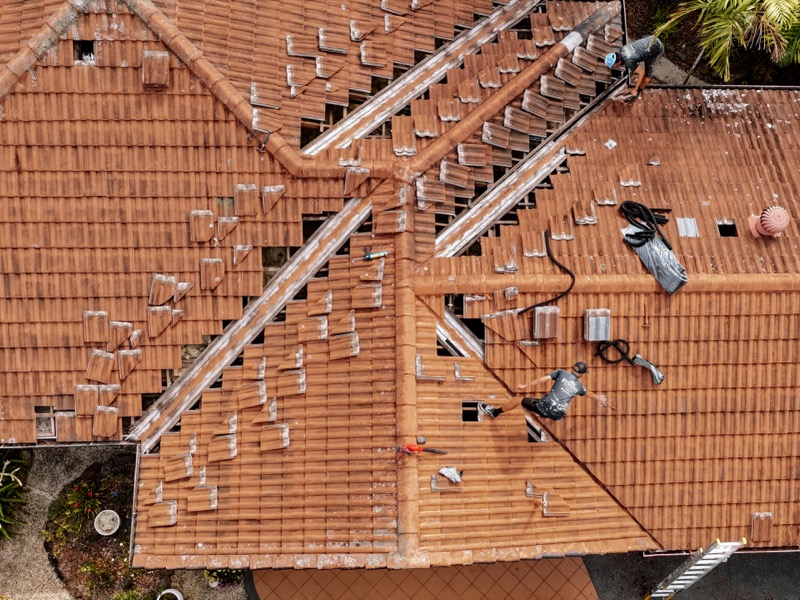
Tree Branch Fell on Roof - What to Do
When a tree branch falls on your roof, stay calm and act quickly but safely. First, evacuate the area beneath the damage if you're inside, then assess the situation from ground level without climbing onto the roof. Document the damage with photos for insurance purposes, cover any exposed areas with a tarp if safe to do so, and contact your insurance company and a licensed roofing professional within 24 hours. In South East Queensland, storm damage repairs typically cost between $500 and $4,000+, depending on severity.
Understanding the Immediate Risks of Tree Branch Roof Damage
Tree branch impacts on roofs are unfortunately common across the Gold Coast, Brisbane, and Sunshine Coast regions. Our subtropical climate brings intense summer storms, cyclonic winds, and the occasional severe weather event that can send branches—or entire trees—crashing onto homes. After 25 years in the roofing industry, I've seen everything from minor scratches to catastrophic structural damage caused by falling limbs.
The immediate risks you need to be aware of include:
- Structural compromise - Heavy branches can crack rafters, break trusses, or even collapse sections of your roof
- Water intrusion - Any breach in your roof membrane allows water entry, which can cause extensive internal damage within hours during Queensland's heavy rainfall
- Electrical hazards - Branches may have taken down power lines or damaged your roof-mounted solar panels
- Further collapse - Damaged structures may be unstable, with more material at risk of falling
- Pest entry - Gaps in your roof provide immediate access for possums, birds, and insects
Step-by-Step Guide: What to Do When a Branch Falls on Your Roof
Step 1: Ensure Everyone's Safety
Your first priority is always personal safety. If you heard the impact from inside:
- Move everyone away from the affected area immediately
- Check for any obvious signs of structural instability such as sagging ceilings, cracking noises, or visible daylight through the roof
- If the damage appears severe or you smell gas, evacuate the property completely and call emergency services on 000
- Turn off electricity at the mains if you suspect any electrical damage
Step 2: Assess the Damage from a Safe Position
Never climb onto a damaged roof yourself. Instead:
- Walk around your property at ground level and photograph the damage from multiple angles
- Use binoculars or your phone's zoom function to get a closer look at the impact area
- Check inside your ceiling cavity via the manhole if it's safe to do so, looking for daylight, broken timbers, or water entry
- Note any debris that has fallen inside the home
- Document everything with photos and videos—your insurance company will require this evidence
Step 3: Implement Emergency Protection Measures
If rain is forecast (and on the Gold Coast, it often is), you'll need to protect your home from water damage:
- If the branch is small and easily accessible from a ladder, and you're confident doing so safely, you may remove it
- Cover the damaged area with a quality tarp, securing it with weights or by nailing through battens (not directly through the tarp)
- Place buckets or containers under any internal leaks
- Move furniture, electronics, and valuables away from the affected area
Important: If the branch is large, wedged into the structure, or the roof appears unstable, do not attempt removal yourself. You could cause additional damage or serious injury.
Step 4: Contact Your Insurance Company
Most home insurance policies in Queensland cover storm damage, including tree branch impacts. When you call:
- Have your policy number ready
- Provide a clear description of the damage
- Mention the date and approximate time of the incident
- Ask about their claims process and whether you need pre-approval before commissioning repairs
- Request information about emergency repair allowances—many policies cover urgent make-safe work
Step 5: Engage a Licensed Roofing Professional
This is where many homeowners make costly mistakes. In Queensland, any roofing work valued over $3,300 must be performed by a QBCC licensed contractor. At Radiant Roof Repairs, we regularly see DIY repair attempts that have voided insurance coverage or created additional problems.
A professional assessment will identify:
- All visible and hidden damage
- Structural integrity concerns
- Required repairs and associated costs
- Timeline for completion
- Whether a full roof replacement might be more economical than extensive repairs
Common Causes of Tree Branch Roof Damage in South East Queensland
Understanding why branches fall helps with prevention. The most common causes in our region include:
Storm Events
The Gold Coast experiences an average of 85 thunderstorm days per year, with severe storms most common between October and March. High winds, sometimes exceeding 100km/h, can snap even healthy branches.
Overhanging Limbs
Trees that have been allowed to grow over rooflines pose a constant risk. Even without storms, the weight of wet foliage after rain can cause branches to break.
Dead or Diseased Trees
Eucalypts are notorious for dropping limbs without warning—a phenomenon known as "summer branch drop." Dead or dying trees are significantly more likely to lose branches.
Root Damage and Instability
Construction work, drought, or soil erosion can compromise a tree's root system, making the entire tree unstable.
Salt Air Exposure
For coastal Gold Coast properties, salt-laden air can weaken certain tree species over time, making them more prone to branch failure.
DIY vs Professional Repairs: Making the Right Choice
When DIY Might Be Appropriate
- Minor scratches to metal roofing that only require touch-up paint
- Small debris removal where no structural damage has occurred
- Temporary tarp installation as an emergency measure
- Gutter cleaning after leaf and twig accumulation
When You Must Call a Professional
- Any puncture or hole in the roof membrane
- Cracked, broken, or displaced tiles
- Dented or torn metal sheeting
- Visible damage to roof battens, rafters, or trusses
- Any situation involving heights over 2 metres (WorkSafe Queensland regulations)
- Damage near electrical installations or solar panels
- When insurance claims are involved
Professional repairs from a company like Radiant Roof Repairs ensure the work meets Australian Standards, maintains your insurance coverage, and comes with appropriate warranties.
Understanding Repair Costs
Tree branch roof damage repairs vary significantly based on:
- Extent of damage - A single cracked tile versus multiple broken sheets
- Roof type - Tile repairs typically cost more than metal roofing repairs
- Accessibility - Multi-storey homes or steep roof pitches increase labour costs
- Materials required - Matching older tile profiles can be challenging and expensive
- Structural damage - Rafter or truss repairs add substantially to costs
Typical price ranges for the Gold Coast area:
- Minor repairs (single tiles, small dents): $500 - $1,500
- Moderate damage (multiple tiles, sheet replacement): $1,500 - $4,000
- Major structural repairs: $4,000 - $15,000+
- Full roof replacement (if warranted): $19,999 - $45,000+
Prevention Tips: Protecting Your Roof from Future Tree Damage
Regular Tree Maintenance
- Have a qualified arborist inspect trees near your home annually
- Maintain a clearance of at least 2 metres between branches and your roof
- Remove dead branches promptly
- Consider removing trees that pose ongoing risks
Pre-Storm Preparation
- Monitor Bureau of Meteorology warnings during storm season
- Conduct property inspections before predicted severe weather
- Have emergency supplies ready, including tarps and sandbags
- Know your insurance policy details before you need them
Roof Maintenance
- Schedule professional roof inspections every 2-3 years
- Keep gutters clear to prevent water backup during storms
- Address minor repairs promptly before they become major issues
- Consider roof restoration if your roof is showing signs of age
Frequently Asked Questions
Will my insurance cover tree branch damage to my roof?
Most comprehensive home insurance policies in Queensland cover storm damage, including fallen tree branches. However, coverage may be reduced or denied if the tree was dead, diseased, or if you'd been previously warned about its condition. Contact your insurer promptly and document all damage thoroughly.
How long can I leave a damaged roof before repairs?
You should arrange emergency protection (tarping) immediately if rain is possible, and schedule permanent repairs within days, not weeks. Water damage compounds rapidly in Queensland's humid climate, and delays can result in mould growth, structural timber rot, and significantly higher repair costs.
Should I remove the tree branch myself?
Only remove small branches that you can safely reach without climbing onto the roof. Large branches, or those embedded in the roofing structure, should be left for professionals. Improper removal can cause additional damage or injury.
How do I find a reputable roofing contractor on the Gold Coast?
Always verify QBCC licensing (check at qbcc.qld.gov.au), request proof of insurance, obtain written quotes, and check online reviews. Radiant Roof Repairs holds full QBCC licensing and has served the Gold Coast community for over 25 years.
Can tree branch damage lead to a full roof replacement?
In some cases, yes. If the impact has caused significant structural damage, or if your roof was already near end-of-life, replacement may be more economical than extensive repairs. A professional assessment will help you understand your options.
What if the tree belonged to my neighbour?
In Queensland, if your neighbour's tree damages your property, the situation can be complex. Generally, your own insurance covers the damage, though you may be able to recover costs from the neighbour if they were negligent (for example, if the tree was obviously dead). Seek legal advice for specific situations.
How quickly can roof repairs be completed?
Timeline depends on damage severity, material availability, and contractor scheduling. Minor repairs might be completed within a week, while major structural work could take several weeks. During peak storm season, wait times may be longer due to high demand.
Do I need council approval for roof repairs?
Generally, like-for-like repairs don't require council approval on the Gold Coast. However, if structural modifications are needed, or if you're changing roofing materials significantly, building approval may be required. Your roofing contractor should advise you on this.
How can I tell if there's hidden damage I can't see?
Hidden damage often reveals itself through water stains on ceilings, musty odours, or sagging plasterboard. Professional roofers use experience and sometimes moisture detection equipment to identify concealed damage. Always request a thorough inspection after any impact event.
What temporary measures can I take if it's raining?
Place buckets under leaks, use towels to absorb water near walls, and if possible, access your roof space to place a tarp over the affected area from inside. Move valuables and electronics away from the leak zone. These measures can significantly reduce secondary water damage while you wait for professional help.
Conclusion
Dealing with tree branch roof damage can be stressful, but following the right steps protects both your safety and your property investment. Remember: prioritise safety first, document everything for insurance, implement temporary protection measures, and engage qualified professionals for repairs.
If you're on the Gold Coast, Brisbane, or Sunshine Coast and need expert assistance following storm damage, contact Radiant Roof Repairs on 0480 855 390. With over 25 years of local experience and full QBCC licensing, we'll help you navigate the repair process from initial assessment through to completed restoration.
Don't let a fallen branch become a bigger problem—acting quickly and using qualified tradespeople ensures your roof returns to full protection as soon as possible.