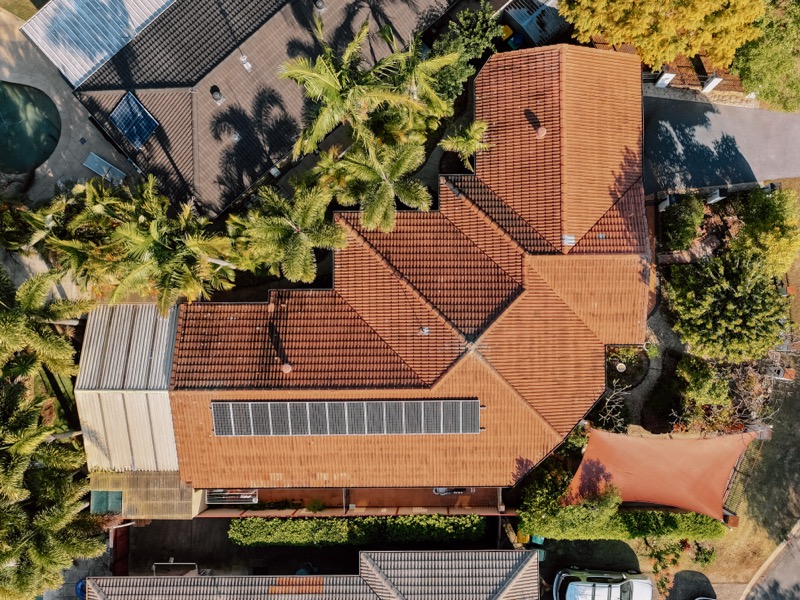
Available for inspections
Get a Free Quote arrow_forward
arrow_backBack to Blog
roofing tips

Terracotta vs Concrete Tiles: Which Is Better?

By Daniel Morrison

Terracotta vs Concrete Tiles: Which Is Better?

Terracotta vs Concrete Tiles: Which Is Better?

Choosing the right roofing material for your Gold Coast home is one of the most significant decisions you'll make as a homeowner. With our unique subtropical climate, salt-laden coastal air, and increasingly severe storm seasons, your roof needs to withstand conditions that would challenge materials anywhere in the world. Two of the most popular options for Queensland homes are terracotta and concrete tiles—but which one is truly better for your situation?

In this comprehensive guide, I'll draw on my 25+ years of experience as a QBCC licensed roofing specialist to break down everything you need to know about terracotta and concrete tiles. We'll explore their composition, durability, costs, aesthetic appeal, and most importantly, how each performs in our demanding Gold Coast climate. By the end, you'll have the knowledge to make an informed decision that protects your home and investment for decades to come.

Understanding the Basics: What Are Terracotta and Concrete Tiles?

Before we dive into comparisons, it's essential to understand what each material actually is and how they're manufactured. This foundational knowledge will help you appreciate why each material performs differently under various conditions.

Terracotta Tiles

Terracotta, which literally means "baked earth" in Italian, has been used as a roofing material for thousands of years. These tiles are made from natural clay that is shaped, dried, and then fired in kilns at extremely high temperatures—typically between 1,000°C and 1,150°C. This firing process transforms the clay into a hard, durable ceramic material.

The manufacturing process for quality terracotta tiles involves:

  • Sourcing high-grade natural clay with specific mineral compositions
  • Mixing and preparing the clay to achieve consistent texture
  • Extruding or pressing the clay into tile shapes
  • Drying the tiles slowly to prevent cracking
  • Firing in kilns for extended periods
  • Optional glazing for enhanced colour retention and water resistance

Terracotta tiles have been a fixture on Australian roofs since colonial times, and for good reason. Their natural composition means they're environmentally friendly, and their thermal properties have helped keep Queensland homes cool long before air conditioning became standard.

Concrete Tiles

Concrete tiles are a more modern invention, first appearing in the mid-19th century but becoming widely popular in Australia during the post-war building boom of the 1950s and 1960s. These tiles are made from a mixture of Portland cement, sand, water, and iron oxide pigments for colour.

The concrete tile manufacturing process includes:

  • Mixing cement, sand, and water in precise ratios
  • Adding pigments throughout the mixture or applying colour to the surface
  • Extruding or moulding the mixture into tile shapes
  • Curing the tiles under controlled conditions
  • Applying sealers or coatings for enhanced performance

Concrete tiles revolutionised the Australian roofing industry by offering a more affordable alternative to terracotta while still providing excellent durability. Today, they're found on millions of homes across Queensland.

Durability and Lifespan: How Long Will Each Material Last?

When you're investing in a new roof, longevity is paramount. Both terracotta and concrete tiles are known for their durability, but there are important differences to consider—especially in our Gold Coast environment.

Terracotta Tile Lifespan

Quality terracotta tiles are renowned for their exceptional longevity. When properly installed and maintained, terracotta roofs can last:

  • 75 to 100+ years for premium-grade tiles
  • 50 to 75 years for standard-grade tiles
  • Some historic terracotta roofs in Queensland are still performing well after 100+ years

The secret to terracotta's longevity lies in its fired ceramic composition. The high-temperature firing process creates a material that is:

  • Naturally resistant to UV degradation
  • Impervious to moisture penetration when properly glazed
  • Resistant to colour fading
  • Stable in extreme temperature fluctuations

Here on the Gold Coast, we see terracotta tiles on heritage homes throughout Southport and Main Beach that have been protecting properties since the early 1900s. When I inspect these roofs, I'm consistently impressed by how well the tiles themselves have held up—often it's only the bedding and pointing that needs attention.

Concrete Tile Lifespan

Concrete tiles offer impressive durability, though generally not quite matching terracotta's extreme longevity:

  • 40 to 60 years for quality concrete tiles
  • 30 to 50 years for budget-grade tiles
  • With excellent maintenance, some concrete roofs exceed 60 years

The main factors affecting concrete tile lifespan include:

  • Porosity: Concrete is more porous than terracotta, meaning it absorbs more moisture
  • Surface coatings: The protective sealers applied to concrete tiles degrade over time
  • Colour method: Through-coloured tiles last longer than surface-painted ones
  • Maintenance frequency: Regular cleaning and resealing extends lifespan significantly

Climate Impact on Durability

Our Gold Coast climate presents unique challenges for both materials:

Salt air exposure: Coastal suburbs like Burleigh Heads, Palm Beach, and Coolangatta experience constant salt-laden air. Terracotta's non-porous surface handles this better than concrete, which can absorb salt and experience accelerated degradation.

Storm damage: Both materials are susceptible to impact damage from hail and debris. However, terracotta tiles, being harder, are more likely to crack cleanly, while concrete tiles may chip or crumble.

UV exposure: Queensland's intense UV radiation is brutal on roofing materials. Terracotta maintains its colour naturally, while concrete tiles require periodic recoating to maintain appearance.

Humidity and moss growth: Our humid subtropical climate promotes moss and lichen growth on roofs. Concrete's porous surface is more susceptible to biological growth than glazed terracotta.

Cost Comparison: Initial Investment vs Long-Term Value

Let's talk numbers—because for most homeowners, budget is a critical factor in the decision-making process. Understanding the full cost picture requires looking beyond just the purchase price.

Initial Purchase and Installation Costs

Terracotta Tiles:

  • Material cost: $50 to $120+ per square metre
  • Premium European imports: Up to $200+ per square metre
  • Installation typically 10-15% higher than concrete due to weight and handling requirements
  • Total installed cost for average Gold Coast home (200m²): $25,000 to $45,000+

Concrete Tiles:

  • Material cost: $30 to $60 per square metre
  • Premium profiles: Up to $80 per square metre
  • Installation costs are standard
  • Total installed cost for average Gold Coast home (200m²): $15,000 to $30,000

Ongoing Maintenance Costs

This is where the cost comparison becomes more nuanced:

Terracotta Maintenance:

  • Professional cleaning every 3-5 years: $400 to $800
  • Rebedding and repointing (every 15-25 years): $2,000 to $5,000
  • Tile replacement (minimal): $50 to $150 per tile installed
  • 30-year maintenance estimate: $5,000 to $10,000

Concrete Maintenance:

  • Professional cleaning every 2-3 years: $400 to $800
  • Resealing/recoating every 10-15 years: $2,500 to $6,000
  • Rebedding and repointing (every 15-20 years): $2,000 to $5,000
  • Tile replacement: $30 to $80 per tile installed
  • 30-year maintenance estimate: $10,000 to $20,000

True Cost of Ownership Analysis

When we factor in lifespan and maintenance, the picture changes significantly:

Terracotta over 75 years:

  • Initial investment: $35,000 (average)
  • Maintenance: $15,000
  • Total: $50,000
  • Cost per year: $667

Concrete over 50 years:

  • Initial investment: $22,500 (average)
  • Maintenance: $15,000
  • Replacement at year 50: $25,000
  • Total: $62,500
  • Cost per year: $833

As you can see, while terracotta costs more upfront, its superior longevity can actually make it the more economical choice over the very long term. However, this analysis assumes you plan to stay in your home for decades—if you're planning to sell within 15-20 years, concrete's lower initial cost may make more financial sense.

Aesthetic Appeal and Design Options

Your roof accounts for up to 40% of your home's visible exterior, making aesthetic appeal a crucial consideration. Both terracotta and concrete offer distinct visual characteristics.

Terracotta Aesthetics

Terracotta tiles offer a timeless, premium appearance that many homeowners find irresistible:

Colour options:

  • Natural terracotta (warm orange-red tones)
  • Glazed finishes in virtually any colour
  • Mottled and variegated patterns
  • Weathered and antique finishes

Profile styles:

  • Traditional barrel/Spanish mission
  • French provincial
  • Flat shingle
  • Contemporary low-profile

Colour retention:

Terracotta's colours are either natural (from the clay itself) or fired into a glaze coating. Either way, the colour is remarkably stable:

  • Natural terracotta develops a beautiful patina over time
  • Glazed colours remain vibrant for 50+ years
  • No repainting or recoating required

For heritage homes in suburbs like Ashmore, Benowa, or the Broadbeach Waters area, terracotta often provides the authentic aesthetic that complements the architectural style.

Concrete Aesthetics

Concrete tiles have come a long way from the utilitarian grey slabs of decades past:

Colour options:

  • Through-coloured (pigment mixed throughout)
  • Surface-coloured (paint or coating applied)
  • Hundreds of colours available
  • Custom colour matching possible

Profile styles:

  • Low profile/flat
  • Traditional shingle
  • Shake (wood look)
  • Slate (stone look)
  • Bold roll (Mediterranean style)

Colour considerations:

  • Through-coloured tiles maintain appearance longer
  • Surface-coloured tiles may show wear and require recoating
  • Expect some colour fading over 10-20 years in Queensland's UV conditions

Concrete tiles are particularly popular for modern architectural styles throughout areas like Robina, Varsity Lakes, and the newer developments in Pimpama and Coomera.

Architectural Compatibility

Here's a quick guide to matching tile type with home style:

Performance in Gold Coast Weather Conditions

As a roofing specialist who has worked through countless Gold Coast summers, wet seasons, and storm events, I can tell you that weather performance should be your top priority. Let me share what I've observed over 25 years.

Summer Heat Performance

Gold Coast summers regularly see temperatures exceeding 30°C, with roof surface temperatures reaching 60°C or higher. How do our contenders perform?

Terracotta:

  • Excellent thermal mass—absorbs heat slowly and releases it slowly
  • Natural air gaps in barrel profiles improve ventilation
  • Can reduce cooling costs by 10-20% compared to metal roofing
  • Lighter colours reflect more heat

Concrete:

  • Good thermal mass, though slightly less effective than terracotta
  • Surface coatings can be selected for heat reflection
  • Modern "cool roof" coatings available
  • Heavier profiles may improve thermal performance

Winner for summer heat: Terracotta, marginally—though both perform well.

Storm and Hail Resistance

With storm season running from November through March, and events like the 2020 hailstorm causing millions in damage across the Gold Coast, storm resistance is critical.

Terracotta:

  • Higher brittleness means clean breaks when impacted
  • Individual damaged tiles easy to identify and replace
  • Heavier weight (50-60 kg/m²) provides excellent wind uplift resistance
  • Quality tiles meet or exceed Australian Standard AS 2049

Concrete:

  • More likely to chip or crack partially rather than break cleanly
  • Damage may be less obvious, leading to hidden water ingress
  • Weight (45-55 kg/m²) also provides good wind resistance
  • Meets Australian Standard AS 2049

Winner for storm resistance: Slight edge to terracotta for damage identification, though both are suitable.

Salt Air and Coastal Exposure

For homes in coastal suburbs from Southport to Coolangatta, salt air corrosion is a genuine concern.

Terracotta:

  • Glazed surface is essentially impervious to salt
  • No metal components in the tile itself
  • Minimal maintenance required in coastal areas
  • Maintains appearance despite constant salt exposure

Concrete:

  • Porous surface can absorb salt-laden moisture
  • May experience accelerated surface degradation
  • More frequent sealing recommended in coastal areas
  • Some efflorescence (white salt deposits) possible

Winner for coastal exposure: Terracotta, clearly—its non-porous nature is a significant advantage.

Humidity and Biological Growth

Our humid subtropical climate promotes moss, lichen, and algae growth on roof surfaces.

Terracotta:

  • Glazed surfaces resist biological growth
  • Unglazed tiles may develop some growth over time
  • Generally easier to clean
  • Growth has minimal impact on tile integrity

Concrete:

  • Porous surface more susceptible to biological growth
  • Moss can retain moisture and accelerate degradation
  • Requires more frequent cleaning
  • Algae growth particularly common in shaded areas

Winner for humidity resistance: Terracotta, especially glazed varieties.

Weight Considerations and Structural Requirements

Both terracotta and concrete tiles are heavy roofing materials. This impacts installation requirements and may affect your options depending on your existing roof structure.

Weight Comparison

Terracotta tiles:

  • Weight: 45 to 65 kg per square metre (installed)
  • Premium profiles may be heavier
  • Consistent weight per tile (important for structural calculations)

Concrete tiles:

  • Weight: 40 to 55 kg per square metre (installed)
  • Generally 10-15% lighter than equivalent terracotta profiles
  • Weight may vary slightly with moisture content

Structural Implications

For new construction:

Both tile types require appropriate engineering and roof framing design. Your builder and structural engineer will design the roof structure to accommodate the specified tile weight. In most cases, the cost difference in framing is minimal.

For reroofing/replacement:

This is where weight becomes a critical consideration:

  • If replacing tile-to-tile (either type), existing structure is usually adequate
  • If converting from metal to tiles, structural assessment is essential
  • Older homes may require roof strengthening
  • Engineering certification may be required for council approval

At Radiant Roof Repairs, we conduct thorough structural assessments before any tile reroofing project. I've seen too many cases where inadequate assessment led to sagging roofs and costly remediation work.

Queensland Building Requirements

In Queensland, roofing work must comply with the Building Code of Australia and Queensland Development Code. Key requirements include:

  • Roof framing must be designed to AS 1684 (Residential Timber-Framed Construction)
  • Tile fixing must comply with AS 2050 (Installation of Roof Tiles)
  • Wind classification appropriate to your location (Gold Coast typically N3 or C1)
  • Licensed contractor requirement for work over $3,300

Installation Complexity and Workmanship Quality

The quality of your roof installation is just as important as your material choice. Here's what you should know about installing each tile type.

Terracotta Installation Considerations

Terracotta tiles require careful handling and expert installation:

Challenges:

  • Higher breakage rate during handling if not careful
  • More precise cutting required (specialized equipment needed)
  • Heavier tiles require more physical effort
  • Interlocking systems must be perfectly aligned
  • Bedding compounds must be compatible with terracotta

Quality indicators:

  • Clean, consistent tile alignment
  • Proper overlap and interlock engagement
  • Adequate mortar bedding at ridges and hips
  • Correct valley and flashing installation
  • No chipped or cracked tiles visible

Concrete Installation Considerations

Concrete tiles are generally more forgiving to install:

Advantages:

  • Less prone to breakage during handling
  • Easier cutting with standard equipment
  • More tolerance in alignment
  • Widely available replacement tiles
  • Most roofers have extensive concrete tile experience

Quality indicators:

  • Consistent tile alignment and spacing
  • Proper nail placement
  • Adequate bedding at ridges and hips
  • Correct sarking installation
  • Weather-tight flashing details

Choosing a Qualified Installer

Regardless of tile type, always ensure your installer:

  1. Holds a current QBCC license appropriate for roofing work
  2. Carries adequate public liability and WorkCover insurance
  3. Provides a written quote detailing materials and scope
  4. Offers a workmanship warranty (minimum 7 years recommended)
  5. Has verifiable references for similar projects
  6. Is willing to explain the installation process

Environmental Impact and Sustainability

For environmentally conscious homeowners, the sustainability credentials of roofing materials are increasingly important.

Terracotta Environmental Profile

Positives:

  • Made from natural, abundant clay
  • No toxic chemicals in manufacturing
  • Extremely long lifespan reduces replacement frequency
  • 100% recyclable at end of life
  • Thermal mass reduces energy consumption
  • No protective coatings required (glazed tiles)

Considerations:

  • High energy required for kiln firing
  • Transportation impact if imported
  • Mining clay has environmental footprint

Sustainability score: Excellent—particularly due to longevity and recyclability

Concrete Environmental Profile

Positives:

  • Made from abundant materials (sand, cement, water)
  • Lower manufacturing energy than terracotta
  • Recyclable/crushable for aggregate at end of life
  • Local manufacturing reduces transport impact
  • Can incorporate recycite content in some products

Considerations:

  • Cement production is carbon-intensive
  • Shorter lifespan means more frequent replacement
  • Surface coatings may contain chemicals
  • More maintenance products required over lifetime

Sustainability score: Good—lower manufacturing impact but shorter lifespan balances this

Making an Eco-Friendly Choice

If sustainability is your priority, consider:

  • Terracotta's superior longevity makes it the better long-term environmental choice
  • Local Australian-made tiles reduce transport emissions
  • Lighter-coloured tiles reduce cooling energy requirements
  • Proper maintenance of either material extends useful life

When to Choose Terracotta vs Concrete: Decision Framework

After examining all these factors, how do you actually make the decision? Here's a practical framework based on common scenarios I encounter.

Choose Terracotta When:

✅ You're building or renovating your "forever home" ✅ Your property is in a coastal or salt-affected area ✅ You have a heritage or premium home where aesthetics matter ✅ You want minimal long-term maintenance ✅ You prioritize environmental sustainability ✅ Your budget allows for higher upfront investment ✅ You want a roof that adds to property value

Choose Concrete When:

✅ Budget is a primary constraint ✅ You're developing an investment property ✅ You plan to sell within 15-20 years ✅ You prefer modern architectural styles ✅ You want a wide range of profiles and colours ✅ You're comfortable with periodic maintenance ✅ You're replacing an existing concrete tile roof

Questions to Ask Yourself

  1. How long do I plan to own this property?
  • Under 15 years: Concrete likely makes financial sense
  • 15-30 years: Consider both options carefully
  • 30+ years: Terracotta's longevity becomes advantageous
  1. What's my proximity to the coast?
  • Under 1km from surf: Strongly consider terracotta
  • 1-5km from coast: Both suitable with proper maintenance
  • Inland: Both equally suitable
  1. What's my maintenance commitment?
  • Minimal maintenance preferred: Terracotta
  • Comfortable with regular maintenance: Either option
  1. What's the architectural style of my home?
  • Heritage/Mediterranean: Terracotta
  • Contemporary/Modern: Either option
  • Budget-conscious: Concrete

Professional Guidance: When to Consult an Expert

While this guide provides comprehensive information, some situations require professional assessment. At Radiant Roof Repairs, we recommend consulting a licensed roofing specialist when:

Structural Concerns

  • Your home is over 30 years old
  • You're converting from metal to tile roofing
  • You've noticed any ceiling sagging or cracking
  • Previous roofing work was unpermitted

Complex Roof Designs

  • Multiple roof levels or valleys
  • Dormer windows or skylights
  • Unusual pitch angles
  • Heritage or character features

Specific Material Questions

  • Matching existing tiles for repairs
  • Sourcing discontinued profiles
  • Assessing remaining tile lifespan
  • Evaluating coating/sealer options

Before Major Decisions

  • Getting accurate cost estimates
  • Understanding warranty implications
  • Navigating council requirements
  • Choosing between restoration vs replacement

A professional roof inspection typically costs $200-$400 on the Gold Coast and provides detailed assessment and recommendations. This investment can save thousands in avoided mistakes.

Frequently Asked Questions

How long do terracotta tiles last compared to concrete?

Terracotta tiles typically last 75-100+ years with proper maintenance, while concrete tiles generally last 40-60 years. The significant difference comes down to material composition—terracotta's fired ceramic nature makes it inherently more durable and resistant to weathering than concrete's cement-based composition. However, both materials far outlast alternatives like metal (25-50 years) or asphalt shingles (15-25 years).

Are terracotta tiles worth the extra cost?

Terracotta tiles are worth the extra cost if you plan to stay in your home long-term (20+ years), live in a coastal area, or own a premium property where aesthetics and quality matter. The higher upfront cost is offset by lower maintenance requirements and significantly longer lifespan. For investment properties or shorter ownership periods, concrete tiles may offer better value.

Which tile is better for Gold Coast weather?

For Gold Coast weather conditions, terracotta has a slight edge overall. Its superior resistance to salt air corrosion, UV stability, and resistance to moisture absorption make it particularly well-suited to our coastal subtropical climate. However, quality concrete tiles with proper maintenance also perform well. The most important factor is quality installation regardless of material choice.

Can I replace concrete tiles with terracotta on my existing roof?

Yes, you can replace concrete tiles with terracotta, but structural assessment is essential first. Terracotta tiles are typically 10-15% heavier than concrete, which may require roof strengthening. You'll also need to replace battens and ensure the roof framing meets current building codes. Budget for $25,000-$45,000+ for an average Gold Coast home.

How often do concrete tiles need recoating?

Concrete tiles typically need recoating or resealing every 10-15 years in Queensland conditions, though this varies based on exposure, colour, and original coating quality. Signs that recoating is needed include significant colour fading, water absorption (tiles staying wet longer after rain), and visible surface deterioration. Professional recoating costs $2,500-$6,000 for an average roof.

Do terracotta tiles fade in the sun?

Natural (unglazed) terracotta tiles don't fade—they may develop a slight patina over decades, which many homeowners find attractive. Glazed terracotta tiles maintain their colour extremely well, typically for 50+ years. This colour stability is one of terracotta's major advantages over concrete tiles, which may show noticeable fading within 10-20 years in Queensland's intense UV conditions.

Which tile type is better for noise reduction?

Both terracotta and concrete tiles offer excellent noise reduction compared to metal roofing. Terracotta has a slight advantage due to its denser composition and the air gaps in traditional barrel profiles. During heavy Gold Coast storms, you'll notice significantly less noise with either tile type compared to a Colorbond roof. For maximum noise reduction, ensure proper sarking installation.

Are there any tiles that shouldn't be used near the ocean?

While both terracotta and concrete can be used in coastal areas, uncoated concrete tiles are more susceptible to salt damage and may require more frequent maintenance within 1km of the surf. Glazed terracotta tiles are the premium choice for beachfront properties. Some manufacturers also offer salt-resistant concrete tile ranges specifically designed for coastal applications.

What's the cost difference for a complete roof replacement?

For an average Gold Coast home (approximately 200m² roof area), expect to pay:

  • Concrete tile roof replacement: $19,999-$30,000
  • Terracotta tile roof replacement: $25,000-$45,000+

The price varies based on roof complexity, tile profile selected, access requirements, and whether structural modifications are needed. Premium imported terracotta tiles can push costs higher. Always get at least three quotes from QBCC licensed contractors.

Can damaged terracotta tiles be individually replaced?

Yes, individual terracotta tiles can be replaced, and this is actually easier with terracotta than concrete due to consistent sizing. However, matching older terracotta profiles can be challenging as manufacturers discontinue colours and styles. If you have a terracotta roof, it's wise to keep a small supply of spare tiles. Replacement costs $50-$150 per tile installed, depending on accessibility.

Do concrete tiles crack more easily than terracotta?

Contrary to common belief, terracotta tiles are actually more brittle and more likely to crack when impacted. However, terracotta cracks cleanly, making damage obvious and repair straightforward. Concrete tiles are more likely to chip or partially break, which can be harder to detect and may lead to hidden water damage. Both materials are robust enough for typical Queensland conditions when properly installed.

Which tile type adds more value to a home?

Terracotta tiles generally add more value to a home, particularly for premium properties. Real estate agents often note that terracotta roofs are viewed as a quality indicator by buyers. The value addition is most significant for homes over $1 million where buyers expect premium finishes. For median-priced homes, a well-maintained concrete tile roof in a modern colour is unlikely to negatively impact value.

How do I know if my existing tiles need replacing or just repairs?

Consider replacement when:

  • More than 20% of tiles are damaged or deteriorated
  • Tiles are becoming porous and absorbing water
  • Frequent leaks despite repairs
  • Tiles are over 50 years old (concrete) or showing significant deterioration (terracotta)
  • You're already spending significantly on ongoing repairs

Consider repairs when:

  • Damage is localised (storm damage, isolated breakage)
  • Tiles are generally sound with only bedding/pointing issues
  • Budget constraints make replacement impractical
  • Matching tiles are available

A professional assessment can help determine the most cost-effective approach. Contact Radiant Roof Repairs on 0480 855 390 for an obligation-free roof inspection.

What warranty should I expect on new tiles?

Quality tile manufacturers offer:

  • Terracotta tiles: 50-year to lifetime structural warranties
  • Concrete tiles: 30-50 year structural warranties
  • Colour warranties vary: 15-25 years for concrete, longer for terracotta

Note that manufacturer warranties cover the tiles themselves, not installation. Ensure your installer provides a separate workmanship warranty of at least 7 years. Always get warranty documentation in writing before work commences.

Should I choose lighter or darker coloured tiles?

For Gold Coast homes, lighter coloured tiles offer practical advantages:

  • Reflect more heat, reducing cooling costs by up to 20%
  • Show less fading over time
  • Reduce thermal stress on tiles
  • Help meet energy efficiency requirements

However, darker colours can complement certain architectural styles and don't show dirt as readily. The most popular colours we install are light grey, sandstone, and natural terracotta—all offering a good balance of aesthetics and performance.

Conclusion: Making Your Decision

Choosing between terracotta and concrete tiles isn't about finding a universally "better" option—it's about finding what's best for your specific situation, budget, and goals.

Terracotta tiles offer unmatched longevity, superior salt resistance, excellent colour retention, and a premium aesthetic. They're the ideal choice for forever homes, coastal properties, and homeowners who prioritize quality and minimal maintenance over initial cost.

Concrete tiles provide excellent value, versatile styling options, and reliable performance at a lower price point. They're well-suited to budget-conscious projects, investment properties, and modern home designs.

Both materials will serve you well on the Gold Coast when properly selected, installed, and maintained. The key is matching your choice to your circumstances.

If you're still unsure which option is right for your home, or if you'd like a professional assessment of your existing roof, the team at Radiant Roof Repairs is here to help. With over 25 years of Gold Coast roofing experience, we can provide honest, practical advice tailored to your situation.

Call us on 0480 855 390 to arrange an obligation-free roof inspection and quote. We service the entire Gold Coast, Brisbane, and Sunshine Coast regions and are fully QBCC licensed for your peace of mind.

*— Daniel Morrison, QBCC Licensed Roofing Specialist*


*Radiant Roof Repairs is a QBCC licensed roofing contractor serving the Gold Coast, Brisbane, and Sunshine Coast. We specialise in roof repairs ($500-$4,000+), roof restoration ($2,500-$8,000+), complete roof replacement ($19,999-$45,000+), and gutter services ($500-$5,000+). Contact us for expert advice on all your roofing needs.*

Need Help With Your Roof?

Our team of QBCC licensed roofing experts are ready to help with inspections, repairs, and restorations across the Gold Coast.

Get a Free Quotearrow_forward

Get Your Free Quote

Fill out the form below and we'll get back to you within 24 hours with a detailed quote.

Loading form...

Frequently Asked Questions

Find answers to common questions about our roofing services.

What warranty do you provide on roof repairs?

We provide a 10-year workmanship warranty on all roof repairs, giving you complete peace of mind. This comprehensive warranty covers any defects in our installation or repair work, ensuring your investment is protected long-term. Additionally, all materials we use come with their own manufacturer warranties, which can extend up to 25 years depending on the product selected. Our QBCC licensed team stands behind every job we complete across the Gold Coast, Brisbane, and Sunshine Coast regions. We document all warranty details in writing upon project completion, so you have clear records for future reference. For warranty enquiries or to discuss your roofing needs, give us a call on 0480 855 390.

Are you licensed and insured?

Yes, Radiant Roof Repairs is fully QBCC licensed and comprehensively insured for all roofing work throughout Queensland. Our Queensland Building and Construction Commission licence ensures we meet strict industry standards and regulations for residential and commercial roofing projects. We carry public liability insurance and workers' compensation coverage, protecting both you and our team during every job. This means you can trust that your property is in qualified, professional hands whether we're completing a minor repair from $500 or a full roof replacement up to $45,000. We're happy to provide our licence and insurance details upon request. Contact us on 0480 855 390 for any verification or to book your roofing assessment.

What areas do you service?

We service the Gold Coast, Brisbane, and Sunshine Coast regions throughout South East Queensland. Our experienced roofing teams are strategically located to provide efficient coverage across these major metropolitan areas and surrounding suburbs. From Coolangatta to Caboolture, and from the coast to the hinterland, we've got your roofing needs covered. Whether you need emergency leak repairs, a complete roof restoration ranging from $2,500 to $8,000, or a full replacement, our crews travel to you with fully equipped vehicles ready to work. We've built strong relationships with local suppliers across all three regions, ensuring quick access to quality materials. Call 0480 855 390 to confirm we service your specific location.

How do I know if my roof needs replacing vs repairing?

Your roof likely needs replacing rather than repairing if more than 30% of the surface shows damage, the structure is sagging, or it's over 25-30 years old. Repairs are typically suitable for isolated leaks, damaged flashing, or localised tile or metal sheet replacement, generally costing between $500 and $4,000. However, when repairs become frequent or widespread damage exists, a full replacement between $19,999 and $45,000 becomes more cost-effective long-term. Our qualified inspectors can assess your roof's condition and provide honest recommendations based on what's genuinely best for your situation and budget. We'll never push unnecessary work. Book a professional inspection by calling 0480 855 390, and we'll give you a clear assessment with all your options explained.

Do you offer free roof inspections?

Yes, we offer complimentary roof inspections for homeowners across the Gold Coast, Brisbane, and Sunshine Coast. Our thorough inspection includes examining your roof surface, flashing, valleys, gutters, and any potential problem areas that could lead to future issues. We provide a detailed written report outlining our findings, complete with photos documenting any concerns discovered. There's absolutely no obligation following your free inspection—we believe in empowering you with information to make informed decisions about your property. Inspections typically take 45-60 minutes depending on roof size and accessibility. For more complex diagnostic work like thermal leak detection, fees range from $200 to $800. Call 0480 855 390 today to schedule your free inspection.

How quickly can you respond to emergencies?

We respond to emergency roof situations within 24-48 hours across our service areas on the Gold Coast, Brisbane, and Sunshine Coast. Our emergency team prioritises storm damage, severe leaks, and situations where your home's interior is at risk of water damage. We understand that roof emergencies don't wait for convenient timing, which is why we maintain dedicated crews for urgent callouts. Emergency repairs typically range from $500 to $4,000 depending on the extent of damage and materials required. We'll provide temporary weatherproofing if permanent repairs need to be scheduled for a later date. Save our number 0480 855 390 in your phone now, so you're prepared if an emergency strikes your property.

What roofing materials do you recommend for Queensland homes?

We recommend Colorbond steel and quality concrete or terracotta tiles as the best roofing materials for Queensland homes. Colorbond is particularly well-suited to our climate, offering excellent heat reflection, cyclone-rated wind resistance, and a lifespan of 50+ years with minimal maintenance. For those preferring traditional aesthetics, modern concrete tiles provide superior thermal mass, keeping homes cooler in summer. Terracotta tiles remain a premium choice with exceptional longevity and timeless appeal. We also install quality metal roofing from trusted Australian manufacturers. Material selection affects your roof replacement cost, ranging from $19,999 to $45,000 depending on size and specifications. Our team can recommend the ideal solution for your home's style, location, and budget. Call 0480 855 390 for personalised advice.

How often should I have my roof inspected?

We recommend having your roof professionally inspected every 2-3 years, or annually if your property is surrounded by trees or in a coastal location. Regular inspections catch minor issues before they become costly problems—a small leak detected early might cost $500 to fix, while water damage from neglect can run into thousands. After severe weather events like hailstorms or cyclones, immediate inspection is essential regardless of your regular schedule. Older roofs over 15 years benefit from annual checks to monitor wear and plan for eventual restoration or replacement. Our free inspections make staying on top of roof maintenance easy and affordable across the Gold Coast, Brisbane, and Sunshine Coast. Book your inspection today on 0480 855 390.

Do you handle insurance claims for roof damage?

Yes, we handle insurance claims for roof damage and work directly with all major Australian insurers to streamline the process. Our team documents all damage thoroughly with detailed reports and photographs that meet insurance requirements, making your claim process as smooth as possible. We provide accurate quotes that insurers accept, and can communicate directly with your insurance company on your behalf if needed. Storm damage, hail damage, and fallen tree damage are common claims we assist with regularly. While you'll manage the claim through your insurer, we take care of all the technical documentation and repairs once approved. For storm-damaged roofs requiring urgent attention, call us on 0480 855 390 to start the assessment process.

What sets Radiant Roof Repairs apart from other roofers?

Radiant Roof Repairs stands apart through our combination of QBCC licensing, transparent pricing, and genuine commitment to quality workmanship with a 10-year warranty. Unlike some operators, we provide detailed written quotes with no hidden costs—whether it's a $500 repair or a $45,000 replacement, you'll know exactly what you're paying for. Our teams are fully employed professionals, not subcontractors, ensuring consistent quality across every job. We've built our reputation across the Gold Coast, Brisbane, and Sunshine Coast through honest assessments—we'll tell you if a repair will suffice rather than pushing unnecessary replacements. Our customer reviews reflect our dedication to communication, punctuality, and leaving properties clean upon completion. Experience the Radiant difference by calling 0480 855 390.

How long does a roof restoration take?

A roof restoration typically takes 2 to 5 days to complete, depending on the size of your roof and its current condition. Our QBCC licensed team begins with a thorough pressure clean to remove dirt, moss, and debris, followed by repairs to any damaged tiles or flashing. We then apply a primer coat and two coats of premium roof membrane for long-lasting protection. Larger homes or roofs requiring extensive repairs may take up to a week. Weather conditions on the Gold Coast can occasionally cause brief delays, but we always keep you informed of progress. For an accurate timeframe and quote ranging from $2,500 to $8,000+, call Radiant Roof Repairs on 0480 855 390.

How long does a full roof replacement take?

A full roof replacement generally takes between 3 to 7 days, depending on the size and complexity of your roof. For a standard single-storey home, our experienced team can typically complete the job within 3 to 4 days. Larger properties, multi-storey homes, or roofs with complex designs may require up to a week or slightly longer. The process includes removing your existing roof, inspecting and repairing the underlying structure if needed, and installing your new roofing materials. We work efficiently while maintaining our high quality standards. Roof replacement costs typically range from $19,999 to $45,000+ depending on materials and scope. Contact Radiant Roof Repairs on 0480 855 390 for a detailed quote and timeline for your property.

What is your roof repair process from start to finish?

Our roof repair process involves five key stages: inspection, quote, scheduling, repair work, and final walkthrough. First, we conduct a comprehensive roof inspection to identify all issues, including leak detection ($200-$800). Within 48 hours, you'll receive a detailed written quote outlining the scope of work and costs (typically $500-$4,000+ for repairs). Once approved, we schedule your job at a convenient time. Our QBCC licensed tradies then complete all repairs using quality materials, followed by a thorough site cleanup. Finally, we conduct a walkthrough to ensure you're completely satisfied with the work. Throughout the process, we maintain clear communication so you always know what's happening. Call us on 0480 855 390 to start your repair journey.

Can you repair my roof in the rain?

We generally cannot perform roof repairs during rain as wet conditions create safety hazards and can compromise repair quality. Working on wet surfaces increases the risk of slips and falls, while moisture can affect adhesives, sealants, and other materials. However, if you have an active leak during a storm, we offer emergency tarping services to minimise water damage until proper repairs can be completed in dry conditions. Our team monitors weather forecasts closely and will reschedule if rain is expected. We always prioritise doing the job right over rushing through in poor conditions. For emergency leak situations across the Gold Coast, Brisbane, or Sunshine Coast, contact Radiant Roof Repairs on 0480 855 390.

Do I need to be home during the roofing work?

No, you don't need to be home during the roofing work, provided we have clear access to your property and roof. Many of our Gold Coast customers prefer to continue their normal routines while we complete the job. We simply require access to water and electricity if needed, and a clear path to position our equipment safely. Before starting, we'll discuss any specific access requirements and ensure you're comfortable with the arrangements. We treat every property with respect and maintain full communication throughout the project, sending updates and photos as work progresses. If you'd prefer to be present, that's perfectly fine too. Book your obligation-free inspection by calling 0480 855 390.

How do you protect my property during roof work?

We protect your property using comprehensive measures including heavy-duty tarps, drop sheets, and careful material handling throughout the job. Before work begins, we lay protective coverings over gardens, driveways, and outdoor furniture near the work area. Our team uses magnetic sweepers to collect any fallen nails or debris, and we position skip bins strategically to contain removed materials. We take particular care around solar panels, air conditioning units, and skylights. Any fragile items like pot plants are relocated temporarily. Our tradies are trained to move carefully around your property and treat it as if it were their own home. This attention to detail is why Gold Coast homeowners trust Radiant Roof Repairs. Call 0480 855 390 for quality workmanship.

What happens after I request a quote?

After you request a quote, our team will contact you within 24 to 48 hours to arrange a convenient inspection time. During the inspection, one of our experienced QBCC licensed assessors will thoroughly examine your roof, identify all issues, and take photos to document the current condition. We'll discuss your concerns and explain what repairs or work we recommend. Within two business days of the inspection, you'll receive a detailed written quote with transparent pricing—no hidden costs or surprises. The quote includes a full scope of work, materials to be used, and estimated timeframe. There's absolutely no obligation, and we're happy to answer any questions. Request your free quote today by calling Radiant Roof Repairs on 0480 855 390.

How do you handle unexpected issues found during repairs?

When we discover unexpected issues during repairs, we immediately stop work and contact you to explain the situation and discuss options. It's not uncommon to find hidden damage like rotted timber, rusted flashing, or deteriorated sarking once we access certain areas of your roof. We'll document the issue with photos, provide a clear explanation of what's needed, and give you an updated quote before proceeding with any additional work. You're always in control—we won't continue until you've approved the extra scope and costs. This transparent approach ensures no surprises on your final invoice. Our goal is to fix problems properly the first time. Trust the QBCC licensed team at Radiant Roof Repairs—call 0480 855 390.

Do you clean up after completing the job?

Yes, we always complete a thorough cleanup after every job as part of our standard service. Our team removes all debris, old materials, packaging, and any rubbish generated during the work. We use magnetic sweepers across your driveway, lawn, and pathways to collect stray nails and metal fragments that could cause injury or tyre punctures. Gutters are cleared of any fallen debris, and we ensure downpipes are flowing freely. Your property will be left neat and tidy—often cleaner than when we arrived. We take pride in our workmanship and believe a proper cleanup reflects the quality of our service. For professional roofing with complete peace of mind, contact Radiant Roof Repairs on 0480 855 390.

How do I prepare my home for roof work?

To prepare your home for roof work, please clear vehicle access to your property and move cars away from the work area. Trim back any overhanging branches that may obstruct access to the roof if possible. Secure pets indoors or in a safe area away from where our team will be working—noise and activity can stress animals. Remove or cover any fragile items in your yard, including outdoor furniture and pot plants near the house. If you have solar panels, let us know in advance. Inside, you may wish to remove wall decorations in rooms directly below the work area, as vibrations can occasionally occur. Our team will discuss specific requirements during the quote process. Call 0480 855 390 to schedule your inspection.

How much does roof repair cost on the Gold Coast?

Roof repair on the Gold Coast typically costs between $500 and $4,000 or more, depending on the extent of damage and materials required. Minor repairs such as fixing a few broken tiles or sealing small leaks generally fall at the lower end of this range, while more extensive repairs involving structural damage, valley replacements, or large sections of damaged roofing will cost more. Factors including roof accessibility, pitch steepness, and the type of roofing material—whether tiles, metal, or Colorbond—also influence the final price. At Radiant Roof Repairs, we provide detailed, obligation-free quotes so you know exactly what to expect. Give us a call on 0480 855 390 to arrange your inspection.

How much does roof restoration cost on the Gold Coast?

Roof restoration on the Gold Coast generally costs between $2,500 and $8,000 or more, based on the size of your roof and its current condition. A full restoration typically includes high-pressure cleaning, repairs to damaged tiles or sheeting, repointing and rebedding of ridge caps, application of a sealer coat, and two coats of premium roof paint. Larger homes or roofs requiring extensive repair work before coating will sit at the higher end of this range. Roof restoration is an excellent investment that extends your roof's lifespan by 10-15 years while dramatically improving your home's street appeal. Contact Radiant Roof Repairs on 0480 855 390 for a comprehensive quote tailored to your property.

What does a full roof replacement cost on the Gold Coast?

A full roof replacement on the Gold Coast typically costs between $19,999 and $45,000 or more, depending on your roof's size, pitch, and chosen materials. This price includes complete removal of your existing roof, disposal of old materials, installation of new sarking and battens where required, and fitting of your new roofing—whether Colorbond steel, concrete tiles, or terracotta. Complex roof designs with multiple hips, valleys, and skylights will increase costs. As QBCC licensed contractors, Radiant Roof Repairs ensures all work meets Australian building standards and comes with full manufacturer warranties. Call us on 0480 855 390 for a detailed assessment and accurate quote for your roof replacement project.

What is the cost of gutter replacement on the Gold Coast?

Gutter replacement on the Gold Coast ranges from $500 to $5,000 or more, depending on the linear metres required and the gutter profile selected. A standard home typically needs 40-60 metres of guttering. Popular options include quad gutters, fascia gutters, and half-round profiles in Colorbond steel, which offers excellent durability in Queensland's coastal climate. The quote also covers downpipes, brackets, and all connections. We recommend replacing gutters showing signs of rust, sagging, or persistent leaks, as damaged gutters can lead to costly water damage to fascias, eaves, and foundations. Contact Radiant Roof Repairs on 0480 855 390 for a free measure and quote on your gutter replacement.

How much does roof repair cost in Brisbane?

Roof repair in Brisbane typically costs between $500 and $4,000 or more, similar to Gold Coast pricing, with the final cost determined by the repair scope and complexity. Common repairs include replacing cracked or broken tiles, fixing leaks around flashings and valleys, resealing penetrations, and addressing storm damage. Brisbane's subtropical climate with heavy summer storms means roofs often require attention to flashings and valleys where water pooling occurs. Steeper roofs or multi-storey homes may incur additional access costs. Radiant Roof Repairs services Brisbane, Gold Coast, and Sunshine Coast with the same quality workmanship and competitive pricing. Phone 0480 855 390 to book your Brisbane roof inspection.

How much does roof restoration cost in Brisbane?

Roof restoration in Brisbane generally costs between $2,500 and $8,000 or more, depending on your roof's size and condition. Brisbane's intense UV exposure and summer storms mean roofs deteriorate faster than in cooler climates, making restoration an excellent preventative investment. Our restoration process includes thorough cleaning, repairs, rebedding and repointing of ridge caps, and application of heat-reflective roof coatings that can reduce your cooling costs. The protective membrane also prevents moisture penetration and inhibits mould growth. A quality restoration can add 10-15 years to your roof's serviceable life. Radiant Roof Repairs offers Brisbane homeowners obligation-free quotes—call 0480 855 390 to arrange yours today.

What does a full roof replacement cost in Brisbane?

A full roof replacement in Brisbane typically costs between $19,999 and $45,000 or more, with pricing dependent on roof size, design complexity, and material selection. Most Brisbane homeowners choose Colorbond steel for its durability, cyclone rating, and thermal efficiency, though quality concrete and terracotta tiles remain popular choices. The replacement process includes safe removal and disposal of existing materials, inspection of the timber structure, installation of compliant sarking, and fitting of your new roof. All our work is completed by QBCC licensed tradespeople and includes relevant warranties. For an accurate Brisbane roof replacement quote, contact Radiant Roof Repairs on 0480 855 390.

What factors affect roof repair costs?

Several key factors affect roof repair costs, with damage extent being the primary consideration. Minor issues like a few cracked tiles cost less than widespread damage requiring structural repairs. Roof accessibility significantly impacts pricing—steep pitches, multi-storey homes, and difficult access add to labour time and safety requirements. Material type matters too; sourcing matching heritage tiles costs more than standard concrete tiles or metal sheeting. The location of damage also influences cost, with valley and flashing repairs typically more complex than replacing surface tiles. Finally, whether underlying components like sarking or battens need attention will affect the total. Radiant Roof Repairs provides transparent, itemised quotes so you understand exactly what you're paying for.

Is there a call-out fee for inspections?

No, Radiant Roof Repairs does not charge a call-out fee for standard roof inspections within our Gold Coast, Brisbane, and Sunshine Coast service areas. We believe homeowners deserve to understand their roof's condition before committing to any work. Our comprehensive inspections include a visual assessment of your entire roof, identification of current and potential problem areas, photographic documentation, and a detailed written report with repair recommendations. Leak detection services, which may require specialised equipment and extended investigation time, are quoted separately and typically range from $200 to $800 depending on complexity. Call 0480 855 390 to arrange your free inspection and obligation-free quote.

Do you offer payment plans for roof work?

Yes, Radiant Roof Repairs offers flexible payment plans to help Gold Coast, Brisbane, and Sunshine Coast homeowners manage larger roofing projects. We understand that roof replacements and major restorations represent significant investments, and unexpected repairs can strain household budgets. Our payment options allow you to spread the cost over manageable instalments, making essential roof work accessible when you need it rather than delaying critical repairs that could lead to more expensive damage. Payment plan availability and terms are assessed on a case-by-case basis and discussed during your quotation. Contact our team on 0480 855 390 to discuss payment options that suit your circumstances alongside your roofing quote.

Why do roof repair quotes vary so much?

Roof repair quotes vary significantly due to differences in damage extent, roof accessibility, materials required, and labour complexity. A simple tile replacement might cost $500, while extensive storm damage repairs can exceed $4,000. Factors affecting your quote include roof pitch and height, the type of roofing material (Colorbond, tiles, or metal), whether scaffolding is needed, and the underlying structural condition. Some contractors may also quote differently based on their overheads and experience levels. At Radiant Roof Repairs, we provide detailed, transparent quotes that break down every cost so you understand exactly what you're paying for. Contact us on 0480 855 390 for a comprehensive assessment across the Gold Coast, Brisbane, and Sunshine Coast.

Do you price match other roofing quotes?

We don't offer blanket price matching, but we will review competitor quotes to ensure you're getting fair value. Roofing quotes aren't always comparing apples with apples—differences in materials, workmanship warranties, and scope of work can significantly affect pricing. A cheaper quote might exclude essential items like flashing replacement or use inferior materials. As a QBCC licensed contractor, we guarantee quality workmanship and use premium materials that last. If you've received another quote, bring it to us and we'll explain any differences and ensure our pricing reflects the true scope of work required. Call Radiant Roof Repairs on 0480 855 390 to discuss your quote.

What types of roof repairs do you handle?

We handle all types of roof repairs including tile replacements, metal roof fixes, Colorbond repairs, ridge capping, valley repairs, flashing replacement, gutter repairs, and storm damage restoration. Our QBCC licensed team services everything from minor leaks to major structural repairs across the Gold Coast, Brisbane, and Sunshine Coast. Whether you have concrete tiles, terracotta, Colorbond steel, or older metal roofing, we have the expertise and materials to restore your roof's integrity. Repair costs typically range from $500 for minor fixes to $4,000+ for extensive work. We also offer leak detection services from $200 to identify hidden issues before they cause costly damage. Phone 0480 855 390 for an obligation-free inspection.

How do you find the source of a roof leak?

We find roof leak sources through systematic inspection combining visual assessment, water testing, and thermal imaging where necessary. Leak detection typically costs between $200 and $800 depending on complexity. Our process begins with examining common failure points—valleys, flashings, penetrations around vents and skylights, and ridge capping. We check for cracked or displaced tiles, corroded metal sheets, and deteriorated sealants. For difficult-to-locate leaks, we may conduct controlled water testing to trace the entry point. Remember, water can travel along rafters before dripping, so the visible stain often isn't directly below the leak. Our Gold Coast team has decades of experience pinpointing leaks accurately. Book your inspection on 0480 855 390.

Can you repair just a few broken tiles?

Yes, we can absolutely repair just a few broken tiles without replacing your entire roof. Single tile replacements or small repairs typically cost between $500 and $1,500 depending on tile type, accessibility, and availability of matching tiles. For older roofs, sourcing exact colour and profile matches can be challenging, but we maintain extensive supplier networks to find suitable replacements. We'll also inspect surrounding tiles for hairline cracks and check the underlying sarking while we're up there. Even minor damage should be addressed promptly—a single cracked tile can allow significant water ingress during Queensland storms. Contact Radiant Roof Repairs on 0480 855 390 for a quick assessment across the Gold Coast, Brisbane, and Sunshine Coast.

When is a roof replacement necessary instead of repairs?

A roof replacement becomes necessary when repairs are no longer cost-effective or safe, typically when damage exceeds 30-40% of the roof area. Signs you need replacement include widespread tile deterioration, sagging roof lines, extensive rust on metal roofs, recurring leaks despite repairs, or if your roof is approaching 50+ years old. Structural issues like rotting battens or compromised trusses also indicate replacement is needed. While repairs might cost $500-$4,000, a full replacement ranges from $19,999 to $45,000+ depending on size and materials. Our QBCC licensed assessors will honestly advise whether repair or replacement offers better long-term value. Call 0480 855 390 for an expert evaluation on the Gold Coast, Brisbane, or Sunshine Coast.

What is the difference between Colorbond and tile roofing?

Colorbond roofing is lightweight steel with a baked-on colour coating, while tile roofing uses heavy concrete or terracotta pieces. Colorbond offers superior durability against Queensland's harsh conditions, weighs significantly less (reducing structural load), and comes in numerous colours. It's ideal for modern homes and typically lasts 50+ years with minimal maintenance. Tile roofing provides excellent thermal mass, keeping homes cooler in summer, and offers a traditional aesthetic many homeowners prefer. However, tiles can crack, shift, and require more ongoing maintenance. Colorbond replacement costs are generally comparable to tile at $19,999-$45,000+ for a full roof. Both options suit Queensland's climate when properly installed by QBCC licensed professionals like Radiant Roof Repairs.

How long does a new roof last in Queensland?

A new roof in Queensland typically lasts 50-70 years for Colorbond steel and 50+ years for quality concrete or terracotta tiles when properly installed and maintained. However, Queensland's intense UV exposure, cyclonic winds, and storm activity can accelerate wear. Coastal properties face additional challenges from salt air corrosion. Regular maintenance extends roof life significantly—we recommend professional inspections every 2-3 years to catch minor issues before they become major problems. Factors affecting longevity include installation quality, material grade, roof pitch, ventilation, and whether trees overhang the roof. Radiant Roof Repairs services the Gold Coast, Brisbane, and Sunshine Coast with quality installations backed by comprehensive warranties. Call 0480 855 390 for advice on maximising your roof's lifespan.

What is included in a roof restoration?

A roof restoration includes thorough cleaning, repairs, repointing, resealing, and protective coating application to extend your roof's life by 10-15 years. Our process begins with high-pressure cleaning to remove dirt, moss, lichen, and debris. We then replace broken tiles, re-bed and repoint ridge caps with flexible compounds, seal any cracks, and treat for mould. Finally, we apply premium roof membrane coating in your choice of colour. Restoration also includes gutter cleaning and minor gutter repairs. Prices range from $2,500 for smaller roofs to $8,000+ for larger properties. It's a cost-effective alternative to full replacement when your roof structure is sound. Contact Radiant Roof Repairs on 0480 855 390 for a restoration quote.

How long does a roof restoration last?

A quality roof restoration lasts 10-15 years before requiring recoating, depending on material quality and Queensland's weather exposure. The protective membrane coating gradually breaks down under UV radiation, so north-facing sections may wear faster. Premium coatings with higher UV stabilisers and flexibility offer longer performance. To maximise restoration longevity, we recommend annual gutter cleaning, removing overhanging branches, and addressing any moss growth promptly. Our restorations across the Gold Coast, Brisbane, and Sunshine Coast include quality coatings backed by manufacturer warranties. At $2,500-$8,000+, restoration offers excellent value compared to replacement costs of $19,999-$45,000+. Book your free inspection with Radiant Roof Repairs on 0480 855 390 to assess whether restoration suits your roof.

Can you restore a badly faded roof?

Yes, badly faded roofs can be fully restored to look like new through our professional roof restoration service. Our QBCC licensed team uses high-quality primers, sealers, and premium acrylic roof coatings that provide UV protection and long-lasting colour retention. The restoration process includes high-pressure cleaning, repairs to damaged tiles or sheeting, re-bedding and re-pointing of ridge caps, and two coats of protective membrane. Most roof restorations are completed within 2-4 days and cost between $2,500 and $8,000 depending on roof size and condition. A quality restoration can extend your roof's life by 15+ years. Contact Radiant Roof Repairs on 0480 855 390 for a free inspection and quote across the Gold Coast, Brisbane, and Sunshine Coast.

How do I know if my gutters need replacing?

Signs your gutters need replacing include visible rust or corrosion, sagging sections, water overflowing during rain, leaks at joints or seams, peeling paint or water stains on fascia boards, and gutters pulling away from the roofline. If your gutters are over 20 years old and showing multiple issues, replacement is usually more cost-effective than repeated repairs. Our QBCC licensed team can assess whether your gutters need spot repairs or full replacement. Gutter replacement typically costs between $500 and $5,000 depending on the length, material, and accessibility. We service the Gold Coast, Brisbane, and Sunshine Coast regions. Call Radiant Roof Repairs on 0480 855 390 to arrange an obligation-free inspection and quote.

What gutter materials do you recommend?

We recommend Colorbond steel gutters for most Queensland homes due to their durability, corrosion resistance, and suitability for our harsh climate. Colorbond gutters come in a wide range of colours to match your roof and home exterior, require minimal maintenance, and typically last 20-30 years. For coastal properties, we suggest Colorbond Ultra with enhanced corrosion protection. Zincalume is a budget-friendly alternative, while aluminium gutters suit specific applications. We avoid PVC gutters as they can crack and warp in Queensland's heat. Our QBCC licensed installers will recommend the best material based on your location, roof pitch, and budget. Call Radiant Roof Repairs on 0480 855 390 for expert advice.

Can you install larger gutters for heavy rain?

Yes, we install oversized gutters designed specifically for Queensland's heavy rainfall and storm events. Standard 115mm quad gutters often cannot handle intense downpours, leading to overflow and potential water damage. We offer 125mm and 150mm high-capacity gutters that significantly increase water flow capacity. Larger gutters are particularly important for homes with large roof areas, steep pitches, or properties in areas prone to flash flooding. We also install additional downpipes where needed to ensure efficient drainage. Gutter upgrades typically cost between $500 and $5,000 depending on the scope of work. Contact Radiant Roof Repairs on 0480 855 390 to discuss the best gutter solution for your Gold Coast, Brisbane, or Sunshine Coast home.

How do you detect hidden roof leaks?

We detect hidden roof leaks using a combination of thermal imaging cameras, electronic moisture meters, and systematic visual inspection techniques. Thermal imaging identifies temperature variations caused by moisture trapped in roofing materials, while moisture meters measure dampness levels in timber and insulation. Our QBCC licensed technicians also conduct methodical inspections of common leak points including flashings, valleys, penetrations, and ridge caps. We trace water stains back to their source, as water often travels along rafters before appearing inside. Leak detection inspections cost between $200 and $800 depending on roof size and complexity. Early detection saves thousands in repair costs. Book your comprehensive leak inspection with Radiant Roof Repairs on 0480 855 390.

What causes roof leaks in Queensland homes?

The main causes of roof leaks in Queensland homes are damaged or deteriorated flashing, cracked or broken tiles, corroded valley irons, failed pointing and bedding on ridge caps, and storm damage from heavy rain and wind. Queensland's intense UV exposure and extreme weather cycles accelerate roof deterioration. Blocked gutters causing water backup, degraded rubber seals around roof penetrations, and rusted metal sheeting are also common culprits. Poor original installation can lead to premature failures. Regular roof inspections every 2-3 years help identify issues before leaks develop. Roof repairs typically range from $500 to $4,000 depending on the damage. Call Radiant Roof Repairs on 0480 855 390 for a thorough roof assessment.

Can a small leak cause major damage?

Yes, even a small roof leak can cause significant structural damage if left unaddressed. Water infiltration leads to timber rot in rafters and trusses, mould growth in insulation and ceiling cavities, damaged electrical wiring creating fire hazards, ruined plasterboard ceilings and walls, and compromised structural integrity over time. What starts as a minor drip can result in repair bills exceeding $10,000-$20,000 if ignored. Mould growth also poses serious health risks for occupants. Early leak repair typically costs between $500 and $2,000, far less than extensive water damage restoration. If you notice water stains, musty odours, or damp patches, contact Radiant Roof Repairs immediately on 0480 855 390 for prompt leak detection and repair.

Do I need roof ventilation in my home?

Most Queensland homes benefit significantly from roof ventilation due to our hot, humid climate. Proper ventilation reduces attic temperatures by up to 20°C in summer, lowering air conditioning costs and extending the life of roofing materials. It also prevents moisture buildup that causes mould, timber rot, and degraded insulation. Homes with cathedral ceilings, limited eave vents, or dark-coloured roofs particularly benefit from improved ventilation. Signs you need better ventilation include excessive heat in upper floors, peeling paint on exterior walls, and visible condensation in roof spaces. Our QBCC licensed team can assess your ventilation needs and recommend appropriate solutions. Call Radiant Roof Repairs on 0480 855 390 for a ventilation assessment.

What is the difference between whirlybirds and solar vents?

Whirlybirds are wind-powered ventilators that spin with breeze to extract hot air, while solar vents use solar panels to power exhaust fans that actively remove heat regardless of wind conditions. Whirlybirds are more affordable at $150-$300 installed but only work effectively when wind is present. Solar vents cost $400-$800 installed but provide consistent airflow on hot, still days when ventilation is needed most. Solar vents extract significantly more air volume and are ideal for Queensland's often calm summer conditions. We recommend solar vents for optimal performance, though whirlybirds suit tighter budgets. Our team can advise on the best solution for your home. Contact Radiant Roof Repairs on 0480 855 390 for expert recommendations.

How many whirlybirds do I need for my roof?

Most homes need one to two whirlybirds per 100 square metres of roof space for effective ventilation. A typical three-bedroom home with 150-200 square metres of roof area generally requires two to four whirlybirds, strategically positioned near the ridge for maximum heat extraction. Factors affecting the number needed include roof pitch, ceiling height, insulation levels, roof colour, and existing eave ventilation. Steeper roofs and darker colours typically require more ventilation. Our QBCC licensed team conducts proper assessments to determine the optimal number and placement for your specific home. Incorrect installation reduces effectiveness significantly. Call Radiant Roof Repairs on 0480 855 390 to arrange a professional ventilation assessment for your Gold Coast, Brisbane, or Sunshine Coast property.

How long does roof paint last in Queensland?

Quality roof paint in Queensland typically lasts 10 to 15 years when professionally applied using premium products. Queensland's harsh UV exposure, salt air on the coast, and tropical storms mean your roof coating works harder than in other states. We use membrane-based roof paints with UV stabilisers and heat-reflective technology that are specifically formulated for Australian conditions. Proper surface preparation including pressure cleaning, repairs, and priming is essential for maximum longevity. Factors affecting lifespan include roof pitch, shade coverage, and proximity to the coast. Our roof restoration services range from $2,500 to $8,000+ depending on roof size and condition. Contact Radiant Roof Repairs on 0480 855 390 for a free inspection and quote across the Gold Coast, Brisbane, and Sunshine Coast.

What roof paint colours are best for heat reflection?

Light colours such as white, cream, and light grey are best for heat reflection, reducing roof surface temperatures by up to 30 degrees Celsius. These colours can lower your cooling costs by 20-40% during Queensland's hot summers. We recommend Colorbond colours like Surfmist, Shale Grey, and Evening Haze for optimal heat reflective properties. Modern heat-reflective roof coatings are available in darker shades too, using infrared-reflective pigments that reject solar heat while maintaining your preferred aesthetic. Our QBCC licensed team can advise on the best colour options for your home's style and energy efficiency goals. Call Radiant Roof Repairs on 0480 855 390 to discuss colour options for your roof restoration project.

Can you change my roof colour?

Yes, we can absolutely change your roof colour as part of a professional roof restoration. The process involves thorough cleaning, repairs to any damaged areas, priming, and applying two to three coats of your chosen colour. Most roof types including tiles, Colorbond, and metal roofing can be recoated in virtually any colour. Changing to a lighter colour can improve energy efficiency, while a colour update can dramatically boost your home's street appeal and value. Our roof restoration services typically range from $2,500 to $8,000+ depending on roof size. We service the Gold Coast, Brisbane, and Sunshine Coast regions. Ring Radiant Roof Repairs on 0480 855 390 for a colour consultation and free quote.

Are gutter guards worth the investment?

Yes, gutter guards are worth the investment for most Queensland homes, typically paying for themselves within 3 to 5 years through reduced maintenance costs. They prevent leaves, debris, and pests from blocking your gutters, reducing the risk of water damage, overflow, and rust. You'll spend less time on dangerous ladder work cleaning gutters, and your gutters will last significantly longer. Gutter guards are particularly valuable if you have trees near your home or live in bushfire-prone areas where they can prevent ember entry. Installation costs vary based on gutter length and guard type, with our gutter replacement services ranging from $500 to $5,000+. Contact our QBCC licensed team on 0480 855 390 for expert advice.

What type of gutter guard is best for leaves?

Mesh gutter guards with a fine aluminium or stainless steel mesh are the best option for blocking leaves while maintaining water flow. These guards feature micro-mesh patterns that stop even small debris like pine needles and seed pods while allowing maximum water throughput. For heavy leaf areas, we recommend raised mesh designs that allow leaves to blow off rather than accumulate on the surface. Foam and brush-style guards tend to trap debris and deteriorate faster in Queensland's UV conditions. Our team installs quality Australian-made mesh guards designed for our local conditions across the Gold Coast, Brisbane, and Sunshine Coast. Call Radiant Roof Repairs on 0480 855 390 to discuss the best solution for your property.

Do gutter guards work in heavy rain?

Quality mesh gutter guards work effectively in heavy rain when properly installed with correct fall and adequate capacity. Good gutter guards are designed to handle rainfall intensities common in Queensland storms, with water sheeting across the mesh surface into the gutter below. The key factors are selecting guards rated for high water flow and ensuring professional installation with no gaps or sagging. Inferior products or poor installation can cause water to overshoot during downpours. We only install premium guards tested for Australian conditions and ensure your gutters have adequate fall for drainage. For expert gutter guard installation across the Gold Coast region, call Radiant Roof Repairs on 0480 855 390.

Can you install a skylight in an existing roof?

Yes, skylights can be professionally installed in most existing roofs, including tiled, metal, and Colorbond roofing. Installation typically takes one to two days and involves cutting an opening, installing proper flashing and weatherproofing, and finishing the internal shaft or ceiling detail. Modern skylights use advanced flashing systems designed to integrate seamlessly with your existing roof without compromising weatherproofing. We assess your roof structure, pitch, and internal layout to recommend the best skylight position for natural light and minimal heat gain. Installation costs vary based on skylight size and shaft complexity. Contact Radiant Roof Repairs on 0480 855 390 for a free assessment of your skylight installation options.

Do skylights cause roof leaks?

Skylights do not cause roof leaks when correctly installed by qualified professionals using proper flashing systems. Leaks associated with skylights are almost always due to poor installation, inadequate flashing, or aged sealants rather than the skylight itself. Modern skylight systems include integrated flashing kits designed for Australian roof types and weather conditions. Quality brands like Velux offer up to 10-year warranties on weatherproofing when professionally installed. Regular maintenance checks every few years ensure seals remain intact. Our QBCC licensed installers follow manufacturer specifications precisely and guarantee our workmanship across the Gold Coast, Brisbane, and Sunshine Coast. Call 0480 855 390 for expert skylight installation.

What size skylight do I need?

The ideal skylight size depends on your room dimensions, with the general rule being skylight glazing area should equal 5-10% of the floor area. For a typical bedroom or bathroom of 12 square metres, a 600mm x 600mm skylight works well. Larger living areas benefit from bigger skylights or multiple units. Consider the room's purpose, existing window light, and your climate control preferences. Larger skylights bring more light but also more heat, so we often recommend heat-reflective glazing for Queensland homes. Shaft design also affects light spread, with splayed shafts distributing light more evenly. Our team can measure your space and recommend the perfect size. Call Radiant Roof Repairs on 0480 855 390 for advice.

What is roof repointing and why is it important?

Roof repointing is the process of replacing deteriorated mortar between roof tiles, and it's essential for preventing water penetration and extending your roof's lifespan. The original sand and cement mortar on tiled roofs typically cracks and crumbles after 15-20 years due to Queensland's heat cycles and weather exposure. Damaged pointing allows water to enter beneath tiles, causing timber rot, ceiling damage, and potential structural issues. Modern flexible pointing compounds move with your roof through temperature changes, lasting significantly longer than traditional mortar. Repointing is typically included in our roof restoration services, ranging from $2,500 to $8,000+. For a free roof inspection across the Gold Coast, Brisbane, or Sunshine Coast, call Radiant Roof Repairs on 0480 855 390.

How often does ridge capping need repointing?

Ridge capping typically needs repointing every 10 to 15 years, though this can vary depending on your roof's exposure to weather and the quality of the original installation. The flexible pointing compound that seals your ridge caps naturally breaks down over time due to UV exposure, thermal expansion, and Gold Coast's subtropical climate. Signs that repointing is due include visible cracks, gaps between the cap and tiles, or mortar crumbling away. Regular inspections can catch deterioration early, preventing costly water damage to your roof structure. Repointing is far more affordable than replacing damaged timber or dealing with interior water damage. For a professional assessment of your ridge capping, contact Radiant Roof Repairs on 0480 855 390.

What happens if I ignore cracked pointing?

Ignoring cracked pointing will lead to water penetration, which can cause significant structural damage to your roof and home. When the pointing deteriorates, rainwater seeps beneath your ridge caps and into the roof cavity. This moisture damages timber battens and rafters, promotes mould growth, and can eventually affect your ceiling and insulation. What starts as a simple repointing job costing a few hundred dollars can escalate into roof repairs ranging from $500 to $4,000 or more if left untreated. Water damage also creates ideal conditions for termite activity. The Gold Coast's heavy rainfall makes waterproof ridge capping essential. Don't wait until you see water stains on your ceiling—call Radiant Roof Repairs on 0480 855 390 for an inspection.

What size gutters do I need for my home?

Most Australian homes require either 115mm or 150mm gutters, with the correct size depending on your roof area and pitch. Standard 115mm quad gutters suit smaller homes and carports, while 150mm fascia gutters are recommended for larger roof catchment areas or steeper pitches that accelerate water flow. Properties in heavy rainfall areas like the Gold Coast often benefit from oversized guttering to handle intense summer storms. Your downpipe sizing and placement also affect drainage capacity—we typically recommend one downpipe per 12 linear metres of gutter. Gutter replacement generally costs between $500 and $5,000 depending on materials and length. Our QBCC licensed team can assess your home and recommend the right gutter system. Call 0480 855 390 for a free quote.

How are gutters attached to the roof?

Gutters are attached to the roof using brackets or spikes fixed directly to the fascia board or rafter tails. Most modern installations use concealed internal brackets that clip into the gutter profile, providing a clean finish and strong support. The brackets are typically spaced 600mm to 900mm apart to prevent sagging, with closer spacing required in areas prone to heavy debris or snow loads. On homes without fascia boards, strap hangers can be secured under the roof sheeting. Correct installation ensures proper fall towards downpipes—generally 1:500 gradient—for efficient drainage. Poor attachment leads to sagging gutters, overflow, and fascia rot. Radiant Roof Repairs ensures all gutter installations meet Australian standards. Contact us on 0480 855 390 for professional installation.

Can you install gutters on a Colorbond roof?

Yes, gutters can absolutely be installed on Colorbond roofs, and it's a straightforward process for experienced installers. We use compatible Colorbond or ZINCALUME guttering that matches or complements your roof colour, ensuring a seamless aesthetic. The gutters attach to the fascia board using brackets, while the roof sheets overlap into the gutter with appropriate flashings to prevent water ingress. We can also install leaf guard systems to protect your gutters from debris. Colorbond guttering offers excellent durability and comes with manufacturer warranties of up to 36 years in non-marine environments. Our QBCC licensed team services the Gold Coast, Brisbane, and Sunshine Coast. For a colour-matched gutter installation quote, call Radiant Roof Repairs on 0480 855 390.

What should I do immediately after storm damage?

Immediately after storm damage, you should safely document the damage with photos and contact your insurance company to lodge a claim. Do not climb onto your roof—it may be structurally compromised. If water is entering your home, place buckets to catch drips and move valuables away from affected areas. Cover any exposed areas with tarps if you can do so safely from ground level. Avoid using damaged electrical systems if water has entered ceiling cavities. Keep all receipts for emergency expenses as these may be claimable. Once you've notified your insurer, contact Radiant Roof Repairs on 0480 855 390 for a professional damage assessment. We provide detailed reports suitable for insurance claims and can coordinate directly with your provider.

Does insurance cover storm damage to roofs?

Yes, most home insurance policies cover storm damage to roofs, including damage from wind, hail, falling trees, and lightning. Standard policies typically cover repair or replacement costs minus your excess, though coverage varies between insurers. Some policies exclude damage caused by lack of maintenance or gradual deterioration, so it's important to keep your roof in good condition. Document all damage thoroughly with photos and videos before any temporary repairs. Your insurer will likely require quotes from licensed contractors—as a QBCC licensed company, our assessments and quotes meet insurer requirements. Storm damage repairs typically range from $500 to $4,000 depending on severity. Contact Radiant Roof Repairs on 0480 855 390 for an insurance-ready inspection report.

How quickly can you respond to storm damage?

We can typically respond to storm damage enquiries within 24 to 48 hours, with priority given to severe cases involving active water entry. During major storm events affecting the Gold Coast region, response times may extend due to high demand across our service area. We carry emergency tarping materials to provide temporary protection while permanent repairs are scheduled. Our team assesses damage, provides detailed documentation for insurance purposes, and coordinates repair timelines with you and your insurer. For urgent storm damage situations, calling us directly on 0480 855 390 ensures the fastest response. We service the Gold Coast, Brisbane, and Sunshine Coast, and our QBCC licensed tradespeople can handle everything from minor repairs to complete roof replacements.

What roofing challenges are unique to the Gold Coast climate?

The Gold Coast climate presents unique roofing challenges including intense UV exposure, high humidity, salt-laden coastal air, and severe summer storms. UV radiation degrades roofing materials faster than in temperate regions, causing tile brittleness and paint deterioration. High humidity promotes mould and algae growth, particularly on south-facing roof sections. Summer storms bring heavy rainfall, large hail, and damaging winds that test roof integrity annually. The combination of heat and moisture accelerates the breakdown of sealants, flashings, and pointing compounds. Regular inspections and maintenance are essential to catch weather-related damage early. Roof restoration costs between $2,500 and $8,000 but extends roof life significantly. For a Gold Coast-specific roof assessment, contact Radiant Roof Repairs on 0480 855 390.

How does salt air affect roofs on the Gold Coast?

Salt air significantly accelerates corrosion and deterioration of roofing materials, particularly metal components like flashings, screws, gutters, and Colorbond sheeting. Properties within 1km of the coastline experience the most severe salt exposure, though effects extend several kilometres inland on the Gold Coast. Salt deposits attract moisture and create a corrosive environment that pits metal surfaces and weakens fixings. Even cement tiles suffer, with salt crystallisation breaking down surface coatings. Stainless steel or marine-grade fixings are essential for coastal properties, and regular washing helps remove salt buildup. We recommend six-monthly inspections for beachside homes. Addressing salt damage early prevents costly replacements—roof repairs typically cost $500 to $4,000. Call Radiant Roof Repairs on 0480 855 390 for a coastal roof inspection.

Do Gold Coast roofs need special cyclone preparation?

Yes, Gold Coast roofs require specific cyclone preparation due to the region's exposure to severe weather events. Queensland building codes mandate that roofs in cyclonic regions meet wind classification standards, typically requiring reinforced tie-downs, appropriate fastener spacing, and wind-rated materials. Before cyclone season (November to April), homeowners should have their roof inspected for loose tiles, damaged flashing, and weakened fixings. A professional cyclone prep inspection typically costs $200-$400. We recommend trimming overhanging branches and clearing gutters to prevent debris damage. Contact Radiant Roof Repairs on 0480 855 390 for a pre-cyclone roof assessment.

What roofing issues are common in Brisbane homes?

Brisbane homes commonly experience issues with cracked and slipping concrete tiles, deteriorating metal roof screws, and valley flashing failures. The subtropical climate accelerates wear on roofing materials, with UV exposure causing paint fade and protective coatings to break down within 10-15 years. Ridge capping mortar frequently cracks in older homes, allowing water ingress. Terracotta tiles on pre-1990s homes often develop hairline fractures. Roof repairs for these common issues typically range from $500 to $4,000 depending on severity. Regular inspections every 2-3 years help catch problems early. Call our QBCC licensed team on 0480 855 390 for a comprehensive roof assessment.

How does Brisbane weather affect roof longevity?

Brisbane's subtropical weather significantly reduces roof lifespan through intense UV radiation, heavy summer rainfall, and occasional hailstorms. Metal roofs typically last 25-40 years in Brisbane conditions, while concrete tiles average 30-50 years with proper maintenance. The combination of hot summers and humid conditions accelerates rust formation on metal roofs and promotes moss growth on tiles. Thermal expansion from temperature fluctuations causes fasteners to work loose over time. A full roof restoration ($2,500-$8,000) every 15-20 years extends roof life considerably. Protective coatings and regular maintenance help combat weather-related deterioration. Book your roof inspection with Radiant Roof Repairs today.

Are there council regulations for roofing on the Gold Coast?

Yes, Gold Coast City Council has specific regulations governing roofing work, including requirements for development applications on heritage-listed properties and height restrictions in certain zones. All roofing contractors must hold a valid QBCC licence, and certain works require building approval. Colorbond and material choices may be restricted in some estates with covenant requirements. Solar panel installations require separate electrical certification. Re-roofing that changes roof height or profile typically needs council approval. For standard repairs and like-for-like replacements, permits are generally not required. Radiant Roof Repairs handles all compliance requirements—contact us on 0480 855 390 for guidance on your project.

What roof types are most common in Gold Coast suburbs?

Colorbond steel and concrete tiles are the most common roof types across Gold Coast suburbs. Colorbond dominates newer estates in areas like Coomera and Pimpama due to its durability and cyclone rating, while established suburbs like Burleigh and Southport feature more concrete and terracotta tiles on homes built from the 1970s-1990s. Coastal properties increasingly use marine-grade Colorbond to resist salt corrosion. Flat and skillion roofs are popular in modern architectural designs throughout Robina and Hope Island. Replacement costs vary significantly: metal roofing from $19,999, tile replacement from $25,000+. Our team services all roof types across the Gold Coast region.

Do older Brisbane homes have different roofing needs?

Yes, older Brisbane homes have distinct roofing requirements due to outdated materials and construction methods. Pre-1980s homes often feature asbestos-containing materials requiring licensed removal, fibro sheeting, or original galvanised iron that has exceeded its lifespan. Timber roof frames in older Queenslanders may show termite damage or weathering. Original terracotta tiles frequently need rebedding and repointing of ridge caps. Sarking was not standard in older construction, affecting insulation and leak protection. Roof replacement on heritage homes requires sympathetic material choices. Budget $25,000-$45,000+ for comprehensive re-roofing of older properties. Contact Radiant Roof Repairs for specialist heritage roof assessments.

How do I protect my roof from Gold Coast hailstorms?

Installing impact-resistant roofing materials and maintaining secure fixings are the best defences against Gold Coast hailstorms. Colorbond steel with minimum 0.42mm thickness provides excellent hail resistance, while some tile manufacturers offer hail-rated products. Ensure ridge capping is properly secured and flashing is in good condition before storm season. Trimming overhanging trees reduces debris impact risk. After any hailstorm, arrange a professional inspection ($200-$400) to document damage for insurance claims within 24-48 hours. Many hail damage repairs fall within the $500-$4,000 range. For storm damage assessments, call Radiant Roof Repairs on 0480 855 390.

What is the best time of year for roof work in Queensland?

The best time for roof work in Queensland is during the dry season from April to October, when rainfall is minimal and humidity lower. Autumn (April-May) offers ideal conditions with moderate temperatures for workers and optimal curing conditions for sealants and coatings. Avoid scheduling major roof work during the wet season (December-March) when afternoon storms are frequent. Winter months provide reliable weather windows, though early morning dew may delay start times. Roof restoration projects requiring multiple days benefit most from dry season scheduling. Book your roofing project 4-6 weeks ahead during peak season. Contact Radiant Roof Repairs on 0480 855 390 to secure your preferred dates.

call Call NowGet Quote