Sustainable Roofing Materials Guide
Choosing the right roofing material is one of the most significant decisions you'll make as a Gold Coast homeowner. With Queensland's unique climate challenges—from intense UV exposure and subtropical storms to coastal salt air—your roof needs to withstand more than the average Australian property. But increasingly, homeowners are also asking: how can my roof be better for the environment?
In this comprehensive guide, we'll explore sustainable roofing materials suited to the Gold Coast, Brisbane, and Sunshine Coast regions. You'll discover which eco-friendly options deliver genuine environmental benefits while standing up to our demanding climate, how to balance sustainability with practicality and budget, and when it makes sense to invest in greener alternatives.
After 25+ years of installing, repairing, and restoring roofs across South East Queensland, I've seen the roofing industry evolve dramatically. Today's sustainable options are no longer compromise solutions—many outperform traditional materials in durability, energy efficiency, and long-term value.
What Makes a Roofing Material 'Sustainable'?
Before diving into specific materials, it's important to understand what sustainability actually means in roofing. A truly sustainable roof considers multiple factors:
Lifecycle Assessment
- Raw material extraction and manufacturing impact
- Transportation emissions (locally sourced materials have lower carbon footprints)
- Installation energy requirements
- Operational energy efficiency (cooling and heating impacts)
- Lifespan and durability
- End-of-life recyclability or biodegradability
Energy Performance
- Solar reflectance (how much heat the roof reflects)
- Thermal emittance (how efficiently it releases absorbed heat)
- Insulation properties
- Compatibility with solar panel installations
Resource Efficiency
- Use of recycled content
- Renewable raw materials
- Water harvesting compatibility
- Minimal waste during installation
For Gold Coast properties, the most impactful sustainability factor is often energy efficiency. A roof that keeps your home cooler naturally can reduce air conditioning costs by 20-40%, translating to significant environmental and financial savings over decades.
Metal Roofing: The Gold Coast Sustainability Champion
Metal roofing—particularly Colorbond steel—has become the go-to sustainable choice for Queensland homes, and for good reason. Here's why metal roofing leads the sustainability conversation in our region:
Environmental Credentials
Recyclability: Steel roofing is 100% recyclable at end of life, and modern Colorbond contains approximately 30% recycled content. Unlike many roofing materials that end up in landfill, metal roofs can be completely repurposed.
Longevity: A quality metal roof installed correctly lasts 50-70 years in Gold Coast conditions. This exceptional lifespan means fewer replacements, less manufacturing demand, and reduced waste over time. Compare this to traditional cement tiles (30-50 years) or asphalt shingles (15-25 years, though rarely used here).
Lightweight Construction: Metal roofing weighs approximately 5-7 kg per square metre, compared to 50+ kg for concrete tiles. This reduced weight means:
- Less structural material required in building frames
- Lower transportation emissions
- Easier installation with less equipment
Energy Efficiency for Queensland Climate
Colorbond's Thermatech technology is particularly relevant for Gold Coast properties. These solar-reflective pigments can reflect up to 77% of the sun's heat, depending on colour choice. In practical terms:
- Lighter colours (Surfmist, Shale Grey) reflect the most heat
- Roof cavity temperatures can be reduced by up to 5°C
- Air conditioning loads decrease significantly during our hot summers
- The BASIX energy requirements for new builds are easier to meet
Cost Considerations
Metal roofing typically costs $80-150 per square metre installed, depending on profile and complexity. While this represents a higher upfront investment than some alternatives, the 50+ year lifespan and minimal maintenance requirements deliver excellent lifetime value.
At Radiant Roof Repairs, we've seen countless metal roofs from the 1970s and 80s still performing well with basic maintenance—a testament to the material's durability in our coastal environment.
Concrete and Terracotta Tiles: Traditional Options with Sustainable Potential
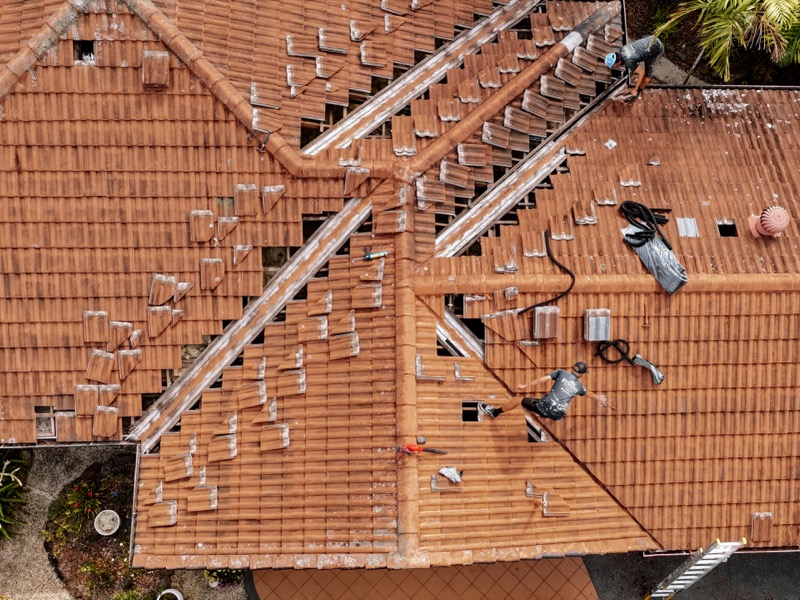
Tile roofing remains popular across the Gold Coast, particularly in established suburbs. While not always considered "sustainable," quality tile roofs offer genuine environmental benefits:
Concrete Tiles
Sustainability Factors:
- Made from abundant natural materials (sand, cement, water)
- 50+ year lifespan when maintained
- Excellent thermal mass (absorbs heat during the day, releases it slowly)
- Can be recycled as aggregate for road construction
- Local manufacturing reduces transport emissions
Climate Suitability: Concrete tiles perform well in Queensland's climate, though they do require more maintenance than metal. The porous surface can encourage moss and lichen growth in humid conditions, necessitating periodic cleaning and resealing.
Energy Efficiency: Light-coloured concrete tiles with reflective coatings can achieve reasonable solar reflectance, though generally not matching metal roofing. The thermal mass property can help moderate indoor temperatures, reducing peak cooling loads.
Terracotta Tiles
Sustainability Factors:
- Natural clay material with minimal processing
- Exceptional longevity (100+ years possible)
- Fully recyclable and sometimes reusable
- No chemical treatments required
- Colour won't fade (fired into the clay)
Queensland Performance: Terracotta is naturally breathable and handles humidity well. The material's density provides good thermal mass, and the characteristic air gaps under tiles allow ventilation that can reduce heat transfer.
Cost Considerations: Terracotta tiles are premium products, typically $100-200+ per square metre installed. However, their exceptional lifespan can justify the investment for homeowners planning to stay long-term.
Cool Roof Coatings: Upgrading Existing Roofs
For homeowners not ready for full roof replacement, cool roof coatings offer a sustainable upgrade path. These reflective coatings can transform your existing roof's energy performance:
How Cool Roof Coatings Work
Specialised roof coatings contain reflective pigments that bounce solar radiation away from your home. Quality products can:
- Increase solar reflectance from 5-15% (aged dark roof) to 70-85%
- Reduce roof surface temperatures by up to 30°C
- Lower ceiling temperatures and air conditioning demand
- Extend existing roof material lifespan by reducing thermal stress
Application and Suitability
Cool roof coatings work on various substrates:
- Metal roofing (all profiles)
- Concrete tiles
- Terracotta tiles (breathable formulations)
- Asbestos cement (with appropriate preparation)
The coating process typically involves:
- Thorough roof cleaning and preparation
- Repair of any damaged areas
- Primer application if required
- Two coats of reflective coating
- Optional anti-fungal treatment for humid areas
Cost and Return on Investment
Professional cool roof coating applications typically cost $25-45 per square metre, depending on roof condition and accessibility. For a standard 200 square metre roof, expect to invest $5,000-9,000.
The energy savings can be substantial. Studies suggest 10-30% reductions in cooling costs, meaning payback periods of 5-10 years in Queensland's climate—after which you're saving money while reducing environmental impact.
Solar-Ready Roofing: Planning for Renewable Energy
With Queensland's abundant sunshine (averaging 5+ peak sun hours daily on the Gold Coast), integrating solar panels makes environmental and financial sense. Sustainable roofing should facilitate, not hinder, solar installation.
Roof Considerations for Solar
Structural Capacity:
- Solar panels add approximately 15-20 kg per square metre
- Metal roofs handle this easily
- Older tile roofs may need structural assessment
- Roof replacement before solar installation avoids costly panel removal later
Orientation and Pitch:
- North-facing roof sections are ideal
- 20-30 degree pitch optimises Gold Coast performance
- Flat or low-pitch roofs can use tilted mounting systems
Material Compatibility:
- Metal roofing offers the easiest solar mounting (rail systems clamp to standing seams)
- Tile roofs require tile replacement brackets
- Some mounting systems void roof warranties—always check compatibility
Integrated Solar Roofing
Building-integrated photovoltaics (BIPV) represent the cutting edge of sustainable roofing. Products like Tesla Solar Roof replace conventional roofing materials entirely with solar-generating tiles. While not yet mainstream in Australia, these systems offer:
- Seamless aesthetics
- Combined roof and solar warranty
- Potential cost savings versus separate roof + solar installation
Current pricing remains premium ($400+ per square metre), but costs are decreasing as technology matures.
Sustainable Roofing Materials to Consider
Beyond the mainstream options, several innovative materials deserve consideration:
Recycled Rubber and Plastic Roofing
Manufactured from recycled tyres and plastic waste, these products offer:
- Diversion of waste from landfill
- Good durability and impact resistance
- Various style options (slate, shake, tile appearances)
- Lightweight installation
Limited availability in Australia currently restricts adoption, but this sector is growing.
Timber Shingles and Shakes
While less common in Queensland due to bushfire regulations, sustainably harvested timber roofing offers:
- Carbon sequestration benefits
- Natural insulation properties
- Biodegradable end-of-life
- Beautiful natural aesthetics
BAL (Bushfire Attack Level) ratings in many Gold Coast areas preclude timber roofing, so check your property's classification before considering this option.
Green Roofs (Living Roofs)
Vegetated roofing systems are emerging in Australian commercial and multi-residential projects. Benefits include:
- Stormwater management
- Urban heat island reduction
- Biodiversity support
- Building insulation
- Extended roof membrane lifespan
Green roofs require specific structural engineering and waterproofing—they're not DIY projects. Costs range from $200-500+ per square metre, making them premium investments typically suited to commercial or high-end residential applications.
Queensland-Specific Considerations
Sustainable roofing choices must account for our unique regional factors:
Cyclone and Storm Resilience
The Gold Coast and broader South East Queensland experience severe storms, and occasionally cyclonic conditions. Sustainable roofing must also be safe roofing:
- Metal roofing with appropriate fastening systems meets wind ratings up to Region C (cyclonic)
- Tile roofs require adequate sarking and pointing in storm-prone areas
- Any roofing investment should meet or exceed relevant wind loading standards
Coastal Salt Exposure
Properties within several kilometres of the coast face accelerated corrosion from salt-laden air. For sustainable choices:
- Colorbond Ultra steel is specifically designed for severe marine environments
- Standard Colorbond performs well up to 1km from breaking surf
- Regular maintenance extends lifespan regardless of material choice
Humidity and Biological Growth
Queensland's humidity encourages mould, moss, and lichen growth on roofing surfaces. Sustainable maintenance approaches include:
- Soft washing with biodegradable cleaning solutions
- Anti-fungal treatments that minimise environmental runoff
- Regular gutter cleaning to maintain drainage
- Ventilation improvements to reduce moisture accumulation
Working with Roofing Professionals
Sustainable roofing outcomes depend heavily on proper installation and maintenance. Here's how to ensure your investment delivers:
Choosing the Right Contractor
Look for:
- QBCC licensing (mandatory for work over $3,300)
- Experience with your chosen material
- Willingness to discuss sustainable options
- References from similar projects
- Appropriate insurance coverage
Questions to Ask
- What sustainable roofing materials do you recommend for my property?
- How does the proposed material perform in coastal/storm conditions?
- What's the expected lifespan and maintenance requirements?
- Is the product recyclable at end of life?
- Will this roof support future solar installation?
- What warranties apply, and what maintenance is required to maintain them?
Installation Best Practices
Sustainable installation practices include:
- Proper disposal or recycling of removed materials
- Minimising off-cuts through accurate measurement
- Appropriate ventilation installation to maximise energy efficiency
- Quality workmanship that ensures material lifespan is achieved
At Radiant Roof Repairs, we're committed to sustainable practices throughout our operations. This includes recycling removed materials where possible and recommending products that balance environmental responsibility with Gold Coast climate performance.
Making Your Decision: A Practical Framework
Choosing sustainable roofing involves balancing multiple factors. Use this framework to guide your decision:
Step 1: Assess Your Current Roof
- What material is currently installed?
- What condition is it in?
- How many years of useful life remain?
- Is repair/coating more sustainable than replacement?
Step 2: Define Your Priorities
Rank these factors:
- Upfront cost vs. lifetime value
- Maximum environmental benefit vs. practical compromise
- Aesthetics and neighbourhood character
- Future plans (solar installation, property sale)
Step 3: Consider Total Cost of Ownership
Look beyond purchase price:
- Installation costs
- Expected maintenance over 20, 30, 50 years
- Energy savings (cooling costs)
- Insurance implications
- Potential resale value impact
Step 4: Get Professional Advice
A qualified roofing professional can:
- Assess your specific property requirements
- Recommend materials suited to your location
- Provide accurate costing for comparison
- Identify potential issues or opportunities
Frequently Asked Questions
What is the most environmentally friendly roofing material for Gold Coast homes?
Metal roofing, particularly Colorbond steel, offers the best combination of sustainability factors for Gold Coast properties. Its 100% recyclability, 50+ year lifespan, energy-efficient reflective coatings, and lightweight nature minimise environmental impact across the full lifecycle. The solar reflectance properties are particularly valuable in our subtropical climate, reducing air conditioning demand and associated emissions.
How much does sustainable roofing cost compared to traditional options?
Sustainable roofing options typically cost 10-30% more upfront but often deliver better lifetime value. For example, a metal roof replacement ranges from $19,999-$45,000+, while concrete tile replacement is typically $15,000-$35,000. However, the metal roof's longer lifespan (50-70 years vs. 30-50 years), lower maintenance costs, and better energy efficiency usually result in lower total cost of ownership.
Can I make my existing roof more sustainable without replacing it?
Yes, several options exist for improving existing roof sustainability:
- Cool roof coatings ($2,500-$8,000+ depending on roof size) can dramatically improve energy efficiency
- Improved roof ventilation reduces heat transfer
- Adding insulation beneath the roof improves thermal performance
- Solar panel installation generates renewable energy
- Regular maintenance extends lifespan and delays replacement
How do cool roof coatings perform in Queensland's climate?
Cool roof coatings are particularly effective in Queensland due to our high solar radiation levels. Quality coatings can reduce roof surface temperatures by up to 30°C and decrease cooling energy demand by 10-30%. In the Gold Coast's climate, payback periods of 5-10 years are typical, after which ongoing savings continue indefinitely.
Are solar panels compatible with all sustainable roofing materials?
Most sustainable roofing materials accommodate solar panels, though compatibility varies:
- Metal roofing: Excellent compatibility with non-penetrating clamp systems
- Concrete tiles: Good compatibility with bracket replacement systems
- Terracotta tiles: Compatible but requires careful installation to prevent breakage
- Some older or damaged roofs may need replacement before solar installation is practical
How long do sustainable roofing materials last in Gold Coast conditions?
Expected lifespans for quality installations in Gold Coast conditions:
- Colorbond metal: 50-70 years
- Concrete tiles: 30-50 years
- Terracotta tiles: 50-100+ years
- Cool roof coatings: 10-15 years before recoating
Coastal exposure, storm damage, and maintenance quality all affect actual longevity.
What Queensland regulations apply to sustainable roofing?
Key regulations include:
- QBCC licensing for roofing work over $3,300
- National Construction Code requirements for energy efficiency (BASIX in NSW, NatHERS nationally)
- Wind loading standards (particularly important for cyclone regions)
- Bushfire Attack Level (BAL) requirements in designated areas
- Local council requirements for heritage areas or specific developments
Should I choose sustainable roofing if I'm selling my property soon?
This depends on your timeline and market:
- Energy-efficient roofing can increase property appeal and value
- Newer roofs reduce buyer concerns about replacement costs
- Solar-ready or solar-equipped properties attract premium prices
- However, if selling within 2-3 years, repair or coating may offer better return than full replacement
How do I know if my roof needs replacement versus repair?
Consider replacement when:
- More than 30% of tiles/sheets are damaged
- Structural issues exist (sagging, rotted timbers)
- The roof has reached expected end of life
- Ongoing repairs are becoming uneconomical
- Energy efficiency improvements are needed
Repair is typically appropriate when:
- Damage is localised (storm damage, isolated leaks)
- The roof is mid-life with good overall condition
- Budget constraints exist
- The underlying material has significant remaining life
What sustainable roofing options work best for coastal properties?
Coastal properties require materials resistant to salt corrosion:
- Colorbond Ultra: Specifically designed for severe marine environments
- Quality concrete tiles: Naturally corrosion-resistant
- Terracotta tiles: Excellent salt resistance
- Avoid standard galvanised steel within 1km of the coast
All fasteners, flashings, and accessories should be marine-grade in coastal locations.
How does roof colour affect sustainability and energy efficiency?
Roof colour significantly impacts energy performance:
- Light colours (white, cream, light grey) reflect up to 85% of solar radiation
- Dark colours absorb heat, increasing cooling loads by 20-40%
- Colorbond's Thermatech technology improves all colour performance
- In Gold Coast's climate, lighter colours almost always improve efficiency
Aesthetics and neighbourhood character may influence colour choice, but energy impacts should be understood.
Can sustainable roofing help with water harvesting?
Yes, most sustainable roofing materials are suitable for rainwater collection:
- Metal roofing: Excellent for water harvesting (clean runoff, minimal contamination)
- Tile roofing: Good, but may contribute more sediment
- New roofs should include appropriate gutter sizing for tank filling
- First-flush diverters improve water quality
Gold Coast receives approximately 1,400mm of rainfall annually—significant water harvesting potential exists.
What maintenance do sustainable roofing materials require?
Minimal maintenance requirements for sustainable longevity:
- Metal roofing: Annual inspection, occasional soft washing, gutter clearing
- Tile roofing: Biannual inspection, periodic repointing, moss removal as needed
- Cool roof coatings: Annual inspection, recoating every 10-15 years
- All roofs: Prompt repair of any storm damage, regular gutter maintenance
How do I find a contractor experienced with sustainable roofing?
To find qualified sustainable roofing contractors:
- Verify QBCC licensing at the QBCC website
- Ask specifically about experience with sustainable materials
- Request references from similar projects
- Inquire about waste recycling and disposal practices
- Check if they offer energy-efficient product options
- Ask about warranties and what maintenance is required
Radiant Roof Repairs offers sustainable roofing solutions across the Gold Coast, Brisbane, and Sunshine Coast regions. Contact us on 0480 855 390 for expert advice on eco-friendly options suited to your property.
Is sustainable roofing worth the investment for rental properties?
Sustainable roofing can benefit rental properties through:
- Reduced maintenance costs and callouts
- Improved tenant comfort (lower cooling costs may attract quality tenants)
- Longer intervals between major capital expenditure
- Potential for higher rent in energy-efficient properties
- Meeting increasing tenant expectations for sustainable housing
The decision depends on your investment horizon and property strategy.
Conclusion
Sustainable roofing is no longer a niche consideration for environmentally-conscious homeowners—it's becoming the standard for quality roofing throughout the Gold Coast and South East Queensland. The materials and technologies available today deliver genuine environmental benefits while meeting our region's demanding climate requirements.
Whether you're building new, replacing an aging roof, or looking to improve your existing roof's performance, sustainable options exist at every price point. Metal roofing offers the strongest overall sustainability credentials for most Queensland homes, but tile roofs, cool roof coatings, and emerging technologies all have their place.
The key is making informed decisions that consider the full lifecycle—not just upfront costs, but energy savings, maintenance requirements, lifespan, and end-of-life outcomes. Working with experienced professionals who understand both sustainable materials and local conditions ensures your investment delivers the environmental and practical benefits you're seeking.
For personalised advice on sustainable roofing options for your Gold Coast, Brisbane, or Sunshine Coast property, contact Radiant Roof Repairs on 0480 855 390. Our QBCC licensed team can assess your current roof, discuss your priorities, and recommend solutions that balance sustainability with performance and budget.
*Daniel Morrison is a QBCC Licensed Roofing Specialist with over 25 years of experience serving Gold Coast homeowners. He specialises in sustainable roofing solutions that meet Queensland's unique climate challenges.*