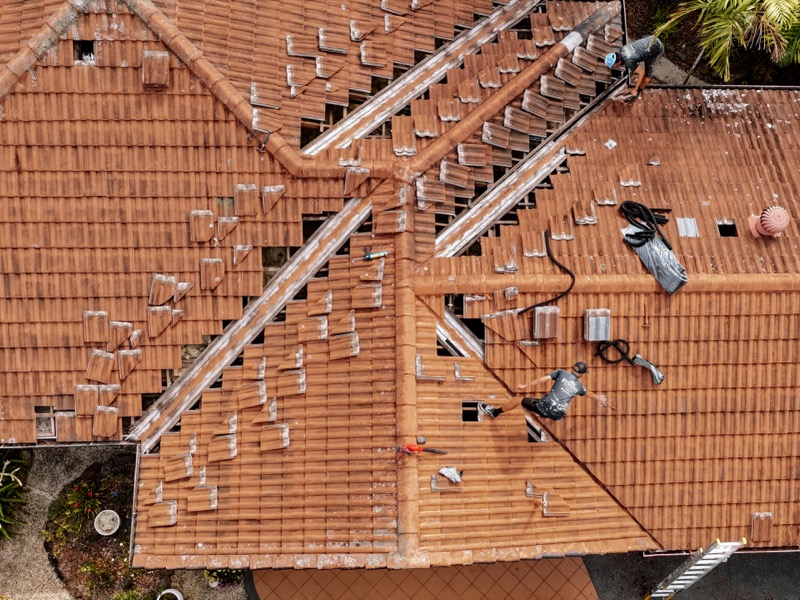
Summer Roof Care in Queensland
As December rolls around and temperatures start climbing across the Gold Coast, Brisbane, and Sunshine Coast, your roof faces one of its most demanding periods of the year. After 25 years inspecting and repairing roofs throughout South East Queensland, I can tell you that summer is when we see the highest volume of emergency calls—and most of these issues could have been prevented with proper preparation.
Queensland's subtropical summer isn't just about heat. It's a complex combination of intense UV radiation, sudden severe storms, high humidity, and the ever-present threat of cyclonic activity that extends from November through April. Your roof is your home's first line of defence against all of these challenges, and now is the critical time to ensure it's ready.
Why Summer Roof Care Matters Right Now
The timing of this advice isn't coincidental. December marks the beginning of Queensland's wet season, which typically runs through to March. During this period, the Gold Coast averages around 180mm of rainfall per month—nearly triple the amount we see during winter months. Combined with afternoon storm activity that can bring damaging hail and wind gusts exceeding 100km/h, your roof will be tested repeatedly over the coming months.
Statistics from insurance industry data show that roof damage claims in Queensland spike by approximately 40% during the summer months compared to the rest of the year. The Bureau of Meteorology has indicated that La Niña patterns can intensify this wet season activity, making preparation even more critical.
What many homeowners don't realise is that roof damage is often cumulative. Small issues that developed during the cooler months—minor tile cracks, worn sealant around flashings, or slight gutter misalignment—become major problems when subjected to summer's extreme conditions. A hairline crack in a tile that caused no issues during winter can allow significant water penetration during a heavy summer downpour.
Understanding Queensland's Summer Roof Challenges
Extreme Heat and UV Exposure
Gold Coast summers regularly see temperatures pushing into the high 30s, with roof surface temperatures often exceeding 60°C on dark-coloured roofing materials. This extreme heat causes:
- Thermal expansion and contraction: Roofing materials expand during the day and contract at night. Over time, this movement can loosen fixings, crack tiles, and compromise sealants.
- UV degradation: Metal roof coatings, rubber seals, and silicone sealants break down under intense UV exposure. A roof coating that looked fine in July may be significantly deteriorated by February.
- Accelerated wear on bedding and pointing: The mortar that holds ridge caps and tiles in place becomes brittle faster in extreme heat, leading to cracks and eventual failure.
Storm Season Activity
From December through March, the Gold Coast and surrounding regions experience an average of 8-12 significant storm events. These storms can bring:
- Hail ranging from small pellets to golf ball-sized stones
- Wind gusts capable of lifting tiles and tearing metal sheeting
- Torrential rainfall that overwhelms compromised drainage systems
- Flying debris that can puncture or dent roofing materials
Humidity and Moisture
Queensland's summer humidity regularly exceeds 80%, creating conditions that promote:
- Mould and algae growth on roof surfaces
- Accelerated rust formation on metal components
- Moisture infiltration into roof cavities
- Timber rot in fascia boards and roof battens
Coastal Salt Air Exposure
For homes within 10 kilometres of the coast—which includes much of the Gold Coast population—salt air corrosion is a year-round concern that intensifies during summer when sea breezes are more prevalent. Salt deposits accelerate corrosion on metal roofing, gutters, fixings, and flashings.
Your Summer Roof Preparation Checklist
Based on thousands of roof inspections across the Gold Coast, here's a comprehensive preparation checklist to address before storm season peaks:
Visual Inspection Tasks (Safe Ground-Level Assessment)
- Check for visible damage: Walk around your property and look for cracked, broken, or missing tiles. With metal roofs, look for lifted sheets, visible rust patches, or damaged ridge capping.
- Inspect gutters from below: Look for sagging sections, visible rust, or areas where gutters have pulled away from fascia boards.
- Examine downpipes: Ensure all downpipes are securely attached and directing water away from your foundation.
- Look at roof valleys: If visible, check that valley gutters appear clear and properly positioned.
- Check flashings: Around chimneys, skylights, and wall junctions, look for gaps or lifted sections.
Gutter and Drainage Maintenance
- Clear all debris: Remove leaves, twigs, and accumulated sediment from gutters. On the Gold Coast, this is particularly important if you have native trees nearby.
- Test water flow: Run a hose into gutters and confirm water flows freely to downpipes without pooling.
- Install or check gutter guards: Quality gutter guards reduce maintenance and prevent blockages during storms.
- Clear downpipe sumps: Ensure underground drainage systems are clear and functional.
Professional Inspection Items
Some tasks require a licensed professional to perform safely and effectively:
- Comprehensive tile or sheet condition assessment
- Ridge cap bedding and pointing inspection
- Flashing integrity testing
- Roof cavity inspection for moisture, pests, or structural issues
- Identification of potential cyclone vulnerabilities
Warning Signs That Demand Immediate Attention
Don't wait for a storm to reveal these problems. If you notice any of the following, act now rather than risking major damage during summer's severe weather:
Exterior Warning Signs
- Tiles sitting unevenly: This often indicates broken clips or deteriorated bedding beneath.
- Rust staining on walls or driveways: Usually signals corroded metal components dripping contaminated water.
- Granules in gutters: If you have a tile roof with a protective coating, granule accumulation indicates coating failure.
- Moss or algae growth: While common, excessive growth can trap moisture and accelerate deterioration.
- Visible daylight through roof space: Even small gaps can allow significant water entry during wind-driven rain.
Interior Warning Signs
- Water stains on ceilings: Even old, dried stains warrant investigation—the underlying issue may be worsening.
- Musty odours in rooms below the roof: Often indicates moisture accumulation in the roof cavity.
- Peeling paint on ceilings or high walls: Can signal chronic moisture infiltration.
- Increased energy bills: A compromised roof often means compromised insulation, increasing cooling costs.
What to Do When Problems Occur
During a Storm
Safety is paramount. Never attempt to access your roof during a storm, regardless of the damage you're witnessing. If water is entering your home:
- Place buckets or containers to catch water and protect flooring
- Move furniture and valuables away from affected areas
- Turn off electricity to affected areas if water is near electrical fixtures
- Document damage with photos and videos for insurance purposes
- Contact a licensed roofing professional once conditions are safe
After Storm Damage
Once the storm has passed:
- Conduct a safe ground-level assessment: Look for obvious damage like missing tiles, lifted sheeting, or downed debris.
- Check inside for water entry: Inspect ceilings and walls throughout your home.
- Document everything: Comprehensive photos support insurance claims.
- Contact your insurer: Report damage promptly to begin the claims process.
- Arrange professional inspection: At Radiant Roof Repairs, we prioritise storm damage assessments to help homeowners understand the full extent of issues and coordinate with insurers.
Temporary Protection Measures
If you're waiting for professional repairs:
- Tarping can provide temporary protection but must be installed correctly to be effective and avoid causing additional damage.
- Never attempt to tarp a roof yourself unless you have proper safety equipment and training.
- Avoid amateur repairs that could void insurance coverage or create additional problems.
When to Call in Professional Help
While some maintenance tasks are suitable for handy homeowners, professional assistance is essential in several situations:
You Need a Professional When:
- Any task requires roof access (falls from roofs cause serious injuries every year)
- You notice structural issues like sagging or uneven roof lines
- Water entry points can't be easily identified
- Your roof is over 15 years old and hasn't been professionally inspected recently
- You're preparing to make an insurance claim
- Your home is in a cyclone-prone area and you want vulnerabilities assessed
Choosing the Right Roofing Professional
In Queensland, all roofing work over $3,300 (including labour and materials) must be performed by a QBCC licensed contractor. When selecting a roofing professional:
- Verify their QBCC licence number (you can check online at the QBCC website)
- Confirm they carry appropriate insurance
- Request references from recent local work
- Get detailed written quotes specifying materials and scope
- Be wary of door-knockers offering "storm damage inspections"—reputable contractors like Radiant Roof Repairs don't typically solicit work this way
Understanding Repair Costs
Being informed about typical costs helps you budget and identify quotes that seem unreasonably high or suspiciously low:
- Minor roof repairs (replacing a few tiles, resealing flashings): $500 - $4,000+
- Roof restoration (full cleaning, recoating, and repairs): $2,500 - $8,000+
- Complete roof replacement: $19,999 - $45,000+
- Gutter replacement: $500 - $5,000+
Actual costs vary based on roof size, material type, accessibility, and the extent of work required.
Frequently Asked Questions About Summer Roof Care
How often should I have my roof professionally inspected?
For most Queensland homes, a professional inspection every 2-3 years is advisable, with annual inspections recommended for homes over 20 years old or in particularly exposed coastal locations. However, you should always arrange an inspection after any significant storm event or if you notice warning signs of damage.
Is it too late to prepare my roof if summer has already started?
Absolutely not. While ideal preparation happens in spring, addressing issues now still provides protection for the remainder of storm season. The wet season typically peaks in January through March, so December repairs and maintenance remain valuable. At Radiant Roof Repairs, we continue conducting inspections and repairs throughout summer.
How long do roof repairs typically take?
Minor repairs such as replacing broken tiles or resealing flashings can often be completed within a day. More extensive work like ridge cap repointing might take 2-3 days, while full roof restorations typically require 3-5 days depending on roof size and weather conditions. Complete roof replacements generally take 5-10 working days.
Will my insurance cover storm damage repairs?
Most home insurance policies cover sudden storm damage, but coverage varies significantly between policies. Key factors include your excess amount, whether you have full replacement or market value coverage, and specific exclusions in your policy. Damage resulting from lack of maintenance (such as blocked gutters causing overflow) may not be covered. Always photograph damage immediately and contact your insurer promptly.
How can I tell if storm damage is covered by insurance or considered maintenance?
Generally, sudden damage from a specific storm event (broken tiles from hail, lifted sheeting from wind) is covered, while gradual deterioration (worn coatings, rusted gutters) is considered maintenance and typically isn't covered. If you're uncertain, a professional assessment can help document whether damage resulted from a specific event.
What's the best roofing material for Queensland's climate?
Both tile and metal roofing perform well in Queensland when properly installed and maintained. Metal roofing (Colorbond) offers excellent cyclone resistance and longevity but can be noisier during rain. Tile roofing provides superior thermal mass and sound insulation but requires more maintenance of bedding and pointing. For coastal properties, metal roofing with appropriate corrosion ratings (minimum C3 for near-coastal, C4 or CX for beachfront) is often recommended.
How do I know if my roof can withstand cyclonic conditions?
Roof cyclone ratings depend on construction methods, fixing systems, and materials. Homes built after the introduction of modern building codes (progressively improved since the 1980s) generally have better wind resistance. A professional assessment can identify vulnerabilities such as inadequate tie-downs, insufficient fixing density, or deteriorated battens that compromise cyclone resistance.
Should I clean my roof before summer?
Professional roof cleaning before summer can remove algae, lichen, and debris that trap moisture and accelerate deterioration. However, high-pressure cleaning on tile roofs can damage protective coatings and should only be performed by experienced professionals who understand appropriate pressure settings and techniques.
What's the difference between roof repair, restoration, and replacement?
Roof repair addresses specific issues like broken tiles, leaking flashings, or damaged sections. Restoration involves comprehensive work including cleaning, repairs, repointing, and protective coating—essentially rejuvenating an aged but structurally sound roof. Replacement involves removing the existing roof covering entirely and installing new materials. A professional inspection can advise which approach suits your roof's condition.
How do I prepare my roof if I'll be away during the summer holiday period?
Before extended absences, ensure gutters are clear, arrange for someone to check your property after storms, and confirm your insurance details are current. Consider scheduling a professional inspection before you leave so any necessary repairs can be completed. Leave contact details with a trusted neighbour and your roofing contractor in case of emergency.
Conclusion: Protecting Your Home This Summer
Your roof represents one of the most significant investments in your home, and Queensland's summer conditions test that investment thoroughly. The good news is that proactive care dramatically reduces your risk of serious damage and costly emergency repairs.
Start with a ground-level visual inspection this week, address gutter maintenance promptly, and don't hesitate to call in professionals for anything requiring roof access or expert assessment. The modest investment in preparation pays dividends when storms arrive.
As we head into the peak of summer, the team at Radiant Roof Repairs is available to assist Gold Coast, Brisbane, and Sunshine Coast homeowners with inspections, maintenance, and repairs. With 25 years of local experience, we understand what Queensland roofs face and how to keep them performing at their best.
For professional advice or to arrange an inspection, contact us on 0480 855 390. Stay safe this summer, and take care of your roof before it needs to take care of you.
*— Daniel Morrison, QBCC Licensed Roofing Specialist*