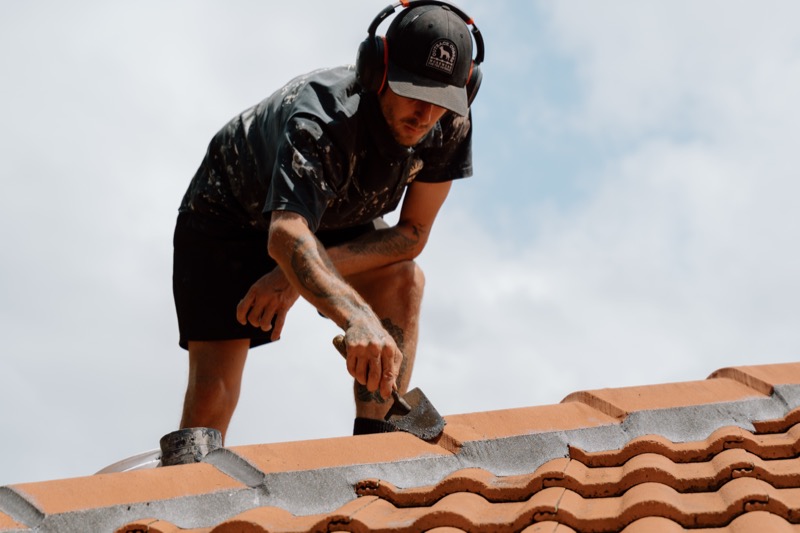
What to Do If a Storm Damages Your Roof
If a storm has damaged your roof, your immediate priorities are ensuring personal safety, documenting the damage thoroughly, and preventing further water ingress with temporary protection. Contact your insurance company within 24-48 hours to begin your claim, then engage a QBCC licensed roofing contractor for a professional assessment. On the Gold Coast, where we experience an average of 85 storm days per year, acting quickly can mean the difference between a $500 repair and a $15,000 restoration project.
Understanding Storm Damage on Gold Coast Roofs
Living in South East Queensland means accepting that severe weather is part of life. Our subtropical climate delivers everything from summer cyclonic activity to intense electrical storms that roll in from the hinterland. The Gold Coast averages over 1,200mm of rainfall annually, with much of it falling in dramatic downpours that test even the most robust roofing systems.
After 25 years of inspecting storm-damaged roofs across the Gold Coast, Brisbane, and Sunshine Coast, I've seen how quickly minor damage can escalate. What starts as a few lifted tiles can lead to significant structural water damage within days if left unaddressed.
Types of Storm Damage Common to Queensland Roofs
Storm damage manifests in several ways depending on the severity of the weather event:
Wind Damage
- Lifted, cracked, or missing tiles
- Ridge capping displacement
- Metal roofing sheets lifted at edges or seams
- Fascia and soffit damage
- Antenna and solar panel mounting damage
Hail Damage
- Dented metal roofing
- Cracked or shattered terracotta and concrete tiles
- Compromised roof coating and sealants
- Damaged gutters and downpipes
- Skylight cracks
Water Damage
- Blocked or overflowing gutters
- Valley flooding
- Flashing failures
- Ceiling stains and mould growth
- Sarking tears and failures
Debris Impact
- Branch penetration through roofing materials
- Accumulated debris blocking drainage
- Damaged vent covers and whirlybirds
Immediate Steps After Storm Damage
Step 1: Prioritise Safety First
Never climb onto a damaged roof yourself, especially immediately after a storm when surfaces are wet and potentially unstable. Falls from roofs account for a significant percentage of DIY injuries in Australia, and damaged structures present additional hazards including:
- Weakened structural integrity
- Electrical hazards from damaged wiring
- Slippery surfaces from rain and debris
- Unstable tiles or sheeting
If you notice sagging ceilings, active water intrusion, or smell gas, evacuate immediately and contact emergency services.
Step 2: Document Everything
Thorough documentation is crucial for insurance claims. From ground level or through windows:
- Take photos and videos of all visible damage
- Capture wide shots showing the overall roof and close-ups of specific damage
- Document the date and time
- Note any debris that caused damage
- Photograph interior damage including water stains, wet carpets, and damaged belongings
- Keep damaged materials if safe to do so
Step 3: Implement Temporary Protection
Preventing further damage is both a practical necessity and often an insurance requirement. Safe temporary measures include:
- Placing buckets and containers under active leaks
- Moving furniture and valuables away from affected areas
- Using towels and plastic sheeting to protect flooring
- If accessible from inside the roof space, placing tarps under the leak point
For external temporary repairs, it's advisable to engage professionals. At Radiant Roof Repairs, we offer emergency tarping services to secure your property while permanent repairs are arranged.
Step 4: Contact Your Insurance Company
Most home insurance policies require notification within a specific timeframe—typically 24 to 48 hours for storm damage. When you call:
- Have your policy number ready
- Provide a clear description of the damage
- Ask about your excess amount
- Enquire about approved repairers or whether you can choose your own contractor
- Request a claim reference number
- Ask about temporary accommodation coverage if the home is uninhabitable
Important: Insurance companies often have panels of preferred contractors, but Queensland law allows you to use any QBCC licensed contractor. Choosing an experienced local roofer often results in better outcomes and faster resolution.
Step 5: Arrange a Professional Roof Inspection
A qualified roofing contractor will provide a comprehensive assessment including:
- Full roof inspection covering all surfaces, flashings, and penetrations
- Identification of both obvious and hidden damage
- Assessment of structural integrity
- Detailed written report with photographs
- Itemised quote for repairs
- Scope of works suitable for insurance submission
Common Causes of Storm-Related Roof Damage
Understanding why roofs fail during storms helps with both repairs and future prevention.
Age and Deterioration
Roofs over 20 years old are significantly more vulnerable to storm damage. Terracotta tiles become brittle, metal fastenings rust, and sealants degrade. Our coastal environment accelerates this deterioration—salt air corrodes metal components faster than inland areas.
Poor Installation or Previous Repairs
Substandard workmanship often reveals itself during severe weather. Common issues include:
- Insufficient tile bedding and pointing
- Incorrect screw patterns on metal roofing
- Inadequate flashing installation
- Missing or damaged sarking
Deferred Maintenance
Small issues become major problems during storms. Cracked tiles, blocked gutters, and deteriorated sealants all create vulnerability points where wind and water can cause extensive damage.
Design Limitations
Some roof designs are inherently more vulnerable to wind uplift. Low-pitched roofs, large overhangs, and complex designs with multiple valleys and hips present more opportunities for failure.
Professional Repair Solutions
Depending on the extent of damage, repairs may range from simple fixes to complete restoration or replacement.
Minor Repairs ($500 - $2,000)
- Replacing individual broken or displaced tiles
- Re-bedding and pointing ridge capping
- Sealing minor flashing failures
- Gutter repairs and cleaning
- Replacing damaged vent covers
Moderate Repairs ($2,000 - $4,000+)
- Multiple tile replacements across roof sections
- Valley replacement
- Extensive flashing repairs
- Fascia and soffit repairs
- Partial gutter replacement
Roof Restoration ($2,500 - $8,000+)
When storm damage reveals underlying deterioration, a full restoration may be more economical than piecemeal repairs. This includes:
- Complete rebedding and pointing
- Replacement of all damaged tiles
- High-pressure cleaning
- Sealer and protective coating application
- Full gutter and downpipe service
Roof Replacement ($19,999 - $45,000+)
Severe structural damage or aged roofs beyond economic repair may require complete replacement. Modern roofing materials offer improved storm resistance and often result in reduced insurance premiums.
DIY vs Professional: What You Can Safely Do
Safe DIY Tasks
- Ground-level documentation and photography
- Interior water management (buckets, moving furniture)
- Clearing accessible debris from gutters (single storey, with appropriate ladder safety)
- Monitoring for changes in damage
Tasks Requiring Professional Attention
- Any work requiring roof access
- Temporary tarping and emergency repairs
- Tile replacement or repositioning
- Flashing repairs
- Structural assessment
- Insurance scope preparation
Attempting roof repairs without proper training, equipment, and safety measures risks serious injury and can void insurance coverage. Professional contractors carry appropriate insurances and warranties that protect you.
When to Get Professional Help
Seek immediate professional assistance if you notice:
- Active water entry into the home
- Visible structural damage or sagging
- Large sections of missing roofing material
- Damaged electrical installations (solar panels, antennas)
- Multiple areas of damage
- Any concern about structural integrity
Don't wait for obvious interior damage before acting. Water can travel significant distances along rafters and battens before showing as ceiling stains, meaning the actual damage may be far more extensive than visible signs suggest.
Radiant Roof Repairs provides comprehensive storm damage assessment services across the Gold Coast, Brisbane, and Sunshine Coast. Our QBCC licensed team understands both the technical requirements of quality repairs and the documentation needed for successful insurance claims.
Prevention Tips for Future Storms
While you can't storm-proof a roof entirely, regular maintenance significantly reduces vulnerability.
Annual Maintenance Checklist
- Professional roof inspection annually and after major storms
- Gutter cleaning minimum twice yearly (more in areas with overhanging trees)
- Trim branches within 2 metres of the roof
- Check and maintain roof ventilation systems
- Inspect and reseal flashings
- Ensure adequate roof drainage
Upgrades That Improve Storm Resistance
- Upgrade to cyclone-rated fastenings
- Install quality sarking/roof blanket
- Replace deteriorated valley irons
- Consider metal roofing for superior wind resistance
- Install gutter guards to maintain drainage
- Ensure solar panel mountings are cyclone-rated
Before Storm Season
Queensland's storm season typically runs from November to April. Before it arrives:
- Complete any outstanding roof repairs
- Clear gutters and downpipes
- Secure or remove items that could become projectiles
- Review your insurance policy and understand your coverage
- Store emergency contact numbers for your insurer and preferred contractor
Frequently Asked Questions
How quickly should I report storm damage to my insurance company?
Most policies require notification within 24-48 hours of the damage occurring. Prompt reporting demonstrates good faith and helps establish the timeline of events. Even if you're unsure about the extent of damage, lodging the initial claim protects your interests while professional assessment is arranged.
Will my insurance cover all storm damage repairs?
Coverage depends on your specific policy, the cause of damage, and whether maintenance issues contributed to the failure. Standard home insurance typically covers sudden storm damage but may exclude gradual deterioration. Your excess will apply, and there may be specific limits for certain types of damage. Review your Product Disclosure Statement or speak with your insurer for clarity.
How much does storm damage roof repair typically cost on the Gold Coast?
Costs vary significantly based on damage extent. Minor repairs such as replacing a few tiles start from around $500, while moderate repairs involving multiple areas typically range from $2,000 to $4,000. Major storm damage requiring extensive work can exceed $8,000, and complete replacement ranges from $19,999 to $45,000+ depending on roof size and material choices.
Can I claim for storm damage if my roof was already in poor condition?
Insurers may reduce claims if pre-existing deterioration contributed to the damage. However, storm damage that occurs to an otherwise maintained roof is generally covered. This is why regular maintenance and documentation of roof condition is valuable—it establishes that damage was storm-related rather than resulting from neglect.
How long do storm damage repairs typically take?
Simple repairs can often be completed within a day once materials are sourced. More extensive work may take several days to a week. Following major storm events affecting many properties, there can be delays of several weeks due to high demand for roofing services and material shortages. Early engagement of a contractor helps secure your place in the queue.
Should I get multiple quotes for storm damage repairs?
For insurance claims, you typically need one detailed quote. However, if the insurer's assessment seems low or you're paying out of pocket, obtaining two to three quotes helps ensure fair pricing. Ensure all quotes are from QBCC licensed contractors and compare scope of works, not just total price.
What temporary repairs can I do myself while waiting for professional help?
Safe temporary measures include placing buckets under leaks, moving valuables away from affected areas, and using plastic sheeting to protect floors and furniture. Avoid climbing onto the roof or attempting external repairs, as this risks injury and may affect your insurance coverage.
How can I tell if storm damage is serious enough to need immediate attention?
Seek urgent professional assessment if you notice active water entry, sagging ceilings, visible structural damage, large areas of missing tiles or sheeting, or any electrical concerns. Even if damage seems minor externally, hidden issues can cause significant problems if left unaddressed.
Does storm damage affect my roof warranty?
Storm damage typically falls outside standard workmanship warranties, which cover installation defects rather than weather events. However, if poor workmanship contributed to storm failures within the warranty period, the installer may have liability. Material warranties similarly exclude weather damage but may cover manufacturing defects revealed by the storm.
What's the difference between storm damage repair and restoration?
Repair addresses specific damaged areas—replacing broken tiles, fixing torn flashings, or sealing leaks. Restoration is a comprehensive service that addresses the entire roof surface, including repairs, cleaning, resealing, and protective coating. When storm damage reveals widespread deterioration, restoration often provides better long-term value than multiple repairs.
Conclusion
Storm damage to your roof requires prompt, methodical action to protect your property and maximise your insurance claim outcome. Prioritise safety, document thoroughly, implement temporary protection, and engage qualified professionals for assessment and repairs.
The Gold Coast's subtropical climate means storms are inevitable, but their impact on your roof doesn't have to be devastating. Regular maintenance, prompt attention to minor issues, and working with experienced local contractors helps ensure your roof provides reliable protection for decades.
If your roof has sustained storm damage, or you'd like a professional assessment before storm season, contact Radiant Roof Repairs on 0480 855 390. Our QBCC licensed team provides comprehensive inspections, detailed reporting for insurance purposes, and quality repairs backed by genuine warranties.
*Article by Daniel Morrison, QBCC Licensed Roofing Specialist with 25+ years experience on the Gold Coast.*