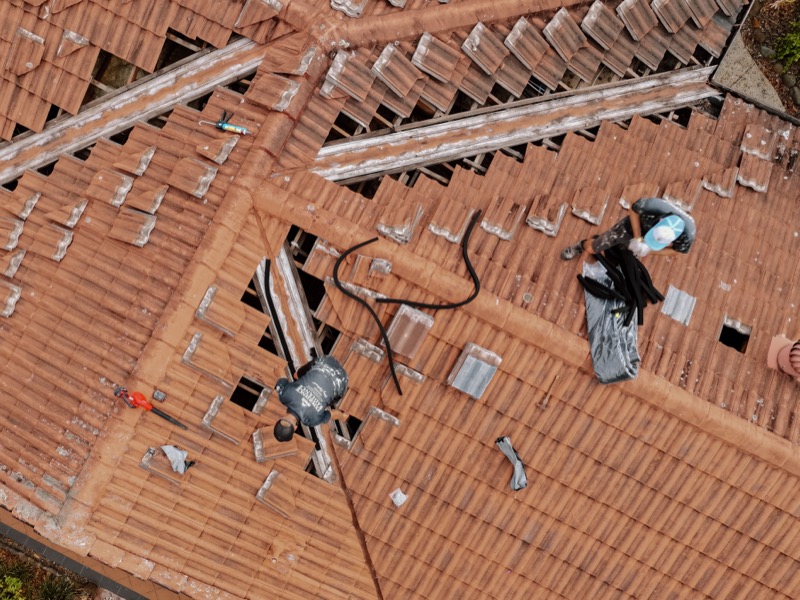
Signs Your Roof Needs Replacement (Not Just Repair)
As a Gold Coast homeowner, your roof faces some of Australia's most demanding weather conditions. From relentless summer storms and cyclonic winds to the corrosive effects of salt air and intense UV radiation, Queensland roofs work harder than most. After 25 years inspecting and replacing roofs across the Gold Coast, Brisbane, and Sunshine Coast, I've learned that one of the most important decisions a homeowner can make is knowing when repairs are no longer enough—and when a full roof replacement is the smarter long-term investment.
In this comprehensive guide, I'll walk you through the telltale signs that indicate your roof has reached the end of its serviceable life, help you understand the difference between repairable damage and terminal decline, and provide you with the knowledge to make an informed decision about your home's most critical protective barrier.
Understanding Roof Lifespan in Queensland's Climate
Before we dive into the warning signs, it's essential to understand how long different roofing materials typically last in our subtropical climate. Queensland's unique conditions—characterised by high humidity, intense UV exposure, salt-laden coastal air, and severe storm events—can significantly reduce roof lifespan compared to southern states.
Typical Roof Lifespans on the Gold Coast
Colorbond Steel Roofing: 50-70 years with proper maintenance, though coastal properties may see reduced lifespans of 40-50 years due to salt corrosion.
Concrete Tiles: 40-50 years, though the protective coating typically needs restoration every 15-20 years.
Terracotta Tiles: 50-70 years, making them one of the longest-lasting options, though individual tiles may crack and require replacement.
Asbestos Cement (fibro): While these roofs can last 50+ years, many Gold Coast homes built before 1990 still have asbestos roofing that should be professionally assessed and likely replaced due to health concerns and deterioration.
Zincalume: 25-35 years, with coastal properties experiencing faster degradation.
Understanding where your roof sits in its expected lifespan is the first step in determining whether replacement is on the horizon.
The Critical Warning Signs: When Repair Won't Cut It
1. Age Combined with Multiple Issues
If your roof is approaching or has exceeded its expected lifespan and you're experiencing recurring problems, replacement becomes the economically sound choice. Here on the Gold Coast, I regularly see homeowners spending $2,000-3,000 annually on repairs for roofs that are fundamentally past their prime.
The 50% Rule: As a general guideline, if repair costs over the next five years would exceed 50% of replacement cost, replacement makes better financial sense. With roof repairs typically ranging from $500 to $4,000+ per incident and roof replacement costing between $19,999 and $45,000+, this calculation becomes crucial.
Signs age is catching up:
- You've had three or more significant repairs in the past two years
- Different sections of the roof are failing at different times
- Maintenance costs are steadily increasing year over year
- Your roof was installed before 1985 and hasn't been replaced
2. Widespread Structural Sagging
A sagging roofline is one of the most serious indicators that replacement—not repair—is necessary. While a small sag might indicate a localised rafter or truss issue that can be repaired, widespread sagging suggests systemic structural failure.
What causes structural sagging:
- Long-term water damage weakening roof timbers
- Inadequate original structural design
- Termite damage to supporting framework
- Excessive weight from inappropriate roofing materials
- Foundation shifting affecting the entire structure
How to check: Stand across the street from your home and look at your roofline. It should be straight and level. Any visible dips, waves, or curves indicate structural problems. Inside your roof cavity, look for cracked, split, or rotting rafters and trusses.
In my experience, Gold Coast homes built during the 1970s and 1980s building boom are particularly susceptible to structural issues, often due to undersized timber framing that was common during that era.
3. Extensive Water Damage and Persistent Leaks
The occasional leak after a severe storm can often be repaired. However, persistent or widespread water infiltration indicates systemic failure that patch repairs cannot address.
Signs water damage has become terminal:
- Multiple leak points throughout the home
- Water stains on ceilings in several rooms
- Mould growth in the roof cavity or on interior ceilings
- Rotting roof timbers visible in the cavity
- Insulation that is consistently damp or water-damaged
- Peeling paint on interior ceilings and walls
Queensland's intense summer storms—we average 80-100 thunderstorm days per year on the Gold Coast—place enormous stress on ageing roofs. If your roof is leaking during moderate rainfall rather than just severe weather events, the waterproofing integrity has fundamentally failed.
4. Extensive Tile Damage or Deterioration
For tiled roofs, which are prevalent across the Gold Coast, the condition of your tiles tells a crucial story.
Signs tiles need more than repair:
- More than 20% of tiles are cracked, broken, or missing
- Widespread "spalling" (surface flaking) across multiple tiles
- Tiles are becoming porous and absorbing water
- Significant colour fading indicating UV degradation
- Bedding and pointing failing across the entire roof
- Tiles crumble when handled during inspection
The hidden danger of deteriorating tiles: When concrete or terracotta tiles begin absorbing water rather than shedding it, they become significantly heavier. This added weight—potentially tonnes across a full roof—stresses the structural framework and can lead to sagging and failure.
At Radiant Roof Repairs, we often see homeowners who've been told they just need "a few tiles replaced" when in reality, the underlying deterioration is roof-wide. A thorough inspection that includes moisture testing of tiles provides the complete picture.
5. Metal Roofing: Beyond Surface Rust
Colorbond and Zincalume roofing is popular across Queensland for good reason—durability and cyclone resistance. However, even these robust materials have limits.
Signs your metal roof needs replacement:
- Rust has penetrated through the metal (not just surface oxidation)
- Multiple sheets show corrosion holes
- Widespread lifting or separation at seams
- Significant oil-canning (waviness) across multiple sheets
- Fastener holes have become elongated, causing sheets to lift
- Flashing failures at multiple points
Coastal corrosion consideration: Properties within 1km of the Gold Coast oceanfront experience accelerated corrosion due to salt-laden air. What might be surface rust inland could be through-corrosion on a beachside property. The Australian Steel Institute recommends more frequent inspections and potentially shorter replacement cycles for coastal metal roofing.
6. Failed or Deteriorating Underlayment
The underlayment (sarking) beneath your roof covering is your second line of defence against water infiltration. When this fails, even sound-looking surface materials can't protect your home.
Signs of underlayment failure:
- Water stains appearing despite no visible damage to external roofing
- Daylight visible through the roof cavity (indicating gaps)
- Brittle, cracking, or missing sarking visible during cavity inspection
- Condensation problems in the roof space
- Insulation damage from water that seems to come from nowhere
Many older Gold Coast homes—particularly those built before the 1990s—have underlayment that has simply reached the end of its life. While underlayment can sometimes be replaced independently, if your surface roofing is also ageing, combined replacement is typically more cost-effective.
7. Storm Damage Beyond Repair
The Gold Coast experiences severe weather events regularly, and storm damage is a leading cause of premature roof replacement.
When storm damage means replacement:
- More than 30% of roofing material damaged or displaced
- Structural members (rafters, trusses) broken or displaced
- The roof was already deteriorating before the storm
- Insurance assessment determines replacement is necessary
- Matching materials for partial replacement are no longer available
Important insurance consideration: Many insurance policies have provisions for replacing entire roof sections or complete roofs when damage exceeds certain thresholds. Understanding your policy before deciding on repairs versus replacement can significantly impact your out-of-pocket costs.
8. Asbestos Roofing Considerations
Many Gold Coast homes built before 1990 feature asbestos cement roofing (often called fibro or Super Six). While intact asbestos roofing may not pose an immediate health risk, deteriorating asbestos requires professional assessment.
When asbestos roof replacement becomes necessary:
- Visible deterioration, cracking, or breaking of sheets
- Required repairs that would disturb the asbestos material
- Renovation plans that involve roof modifications
- Property sale preparation (deteriorating asbestos affects value)
- Personal preference for elimination of potential health risks
Asbestos removal and replacement must be conducted by licensed professionals following strict Queensland regulations. At Radiant Roof Repairs, we work with certified asbestos removalists to ensure safe, compliant replacement of these roofs.
The Repair vs. Replace Decision Framework
Making the right choice between repair and replacement requires weighing multiple factors. Here's a practical framework I use when advising Gold Coast homeowners:
Choose Repair When:
- Damage is localised to a small area (less than 15% of roof)
- Your roof is less than halfway through its expected lifespan
- The underlying structure is sound
- Matching materials are readily available
- Repair costs are less than 30% of replacement cost
- You're planning to sell the property within 2-3 years
Choose Replacement When:
- Your roof has exceeded 75% of its expected lifespan
- Multiple areas show simultaneous deterioration
- Structural elements are compromised
- You've had recurring repairs over several years
- Energy efficiency is a concern (modern roofing offers better insulation)
- You're planning to stay in the home long-term
- The cost of projected repairs over 5 years exceeds 50% of replacement cost
The True Cost of Delaying Replacement
One of the most common mistakes I see is homeowners delaying necessary replacement, often because the immediate repair costs seem more manageable. However, this approach frequently costs more in the long run.
Hidden Costs of Delay:
Structural damage: Water infiltration from a failing roof can damage rafters, trusses, ceiling joists, and even wall framing. These repairs can add $10,000-30,000 to your eventual replacement project.
Interior damage: Damaged ceilings, walls, flooring, and personal belongings from ongoing leaks accumulate significant costs.
Mould remediation: Queensland's humid climate means water infiltration quickly leads to mould growth. Professional mould remediation can cost $3,000-10,000 or more.
Energy costs: Deteriorating roofing and damaged insulation reduce your home's energy efficiency, increasing air conditioning costs—a significant factor in our Gold Coast summers.
Decreased property value: A visibly deteriorating roof can reduce property value by 10-15% and extend time on market significantly.
What to Expect During Roof Replacement
Understanding the replacement process helps homeowners prepare and ensures realistic expectations.
The Replacement Timeline
Initial Inspection and Quote: A thorough inspection should include cavity access, moisture testing, structural assessment, and detailed measurements. Allow 1-2 hours for a comprehensive inspection.
Quote Preparation: Detailed quotes typically take 3-5 business days, accounting for material pricing and any required engineering assessments.
Scheduling: Depending on season and weather forecasts, installation typically begins 2-4 weeks after quote acceptance. We avoid commencing work when severe weather is forecast.
Installation Duration:
- Average home (150-250m²): 3-5 days
- Larger homes or complex designs: 5-10 days
- Homes requiring structural repairs: Additional 2-5 days
Cost Factors for Gold Coast Roof Replacement
Roof replacement costs on the Gold Coast typically range from $19,999 to $45,000+, depending on several factors:
Size: The primary cost driver, measured in square metres.
Material choice: Colorbond steel is typically most economical, followed by concrete tiles, with terracotta tiles at the premium end.
Roof complexity: Multiple levels, valleys, hips, and penetrations (skylights, vents, etc.) increase labour costs.
Access difficulties: Multi-storey homes, steep blocks, or properties with limited access require additional equipment and time.
Structural repairs: Any necessary repairs to rafters, trusses, or fascia boards add to the total cost.
Old material disposal: Asbestos removal adds significant cost due to specialised handling and disposal requirements.
Choosing a Roof Replacement Contractor
Selecting the right contractor for your roof replacement is crucial. Here's what to look for:
Essential Qualifications
QBCC Licensing: Queensland law requires all contractors performing work over $3,300 to hold appropriate QBCC licensing. Verify license status at the QBCC website.
Appropriate Insurance: Minimum $10 million public liability insurance and current workers' compensation coverage.
Manufacturer Accreditation: For warranty validity, ensure your contractor is accredited by your chosen material manufacturer.
Red Flags to Watch For
- Pressure to sign immediately or "today only" pricing
- Unwillingness to provide written quotes
- Requests for large upfront deposits (10-20% is reasonable)
- No physical business address
- Unusually low quotes (often indicate shortcuts or hidden costs)
- Poor or no online reviews
Maximising Your New Roof Investment
When replacing your roof, consider these upgrades that add value and functionality:
Worth Considering:
Improved ventilation: Whirlybirds or powered ventilators reduce roof cavity temperatures, extending roof life and reducing cooling costs.
Enhanced insulation: Adding or upgrading insulation during replacement is cost-effective since the roof is already open.
Solar preparation: Installing solar panel mounting rails during replacement is far cheaper than retrofitting later.
Gutter replacement: If your gutters are ageing, combined replacement saves on labour costs. Gutter replacement typically ranges from $500 to $5,000+.
Skylights: Adding natural light through skylights is easier during replacement than as a later addition.
Frequently Asked Questions
How do I know if my roof needs replacing or just repairing?
The key indicators for replacement rather than repair include: your roof exceeding 75% of its expected lifespan, widespread damage affecting more than 20% of the roof surface, structural sagging visible in the roofline, recurring leaks in multiple locations, and repair costs over five years projected to exceed 50% of replacement cost. If you're experiencing multiple issues simultaneously, replacement typically provides better long-term value than continued repairs.
How long does a roof replacement take on the Gold Coast?
Most residential roof replacements on the Gold Coast take between 3-5 days for an average-sized home (150-250m²). Larger homes, complex roof designs with multiple levels and valleys, or projects requiring structural repairs may take 5-10 days. Weather can impact timing—we schedule around forecast storm events to ensure your home remains protected throughout the process.
What is the average cost of roof replacement on the Gold Coast?
Roof replacement on the Gold Coast typically ranges from $19,999 to $45,000+, depending on roof size, material choice, complexity, access requirements, and any necessary structural repairs. Colorbond steel is generally the most economical option, while terracotta tiles sit at the premium end. Getting multiple detailed quotes allows accurate comparison of like-for-like specifications.
Can I stay in my home during roof replacement?
Yes, most homeowners remain in their homes during roof replacement. There will be noise during working hours (typically 7am-4pm), and some dust may enter the home despite protective measures. We recommend removing or covering sensitive items in rooms directly below the work area. If you have family members who work from home or are particularly sensitive to noise, you might consider alternative arrangements for the installation days.
How often should I have my roof inspected?
For Gold Coast properties, I recommend professional roof inspections every 2-3 years for roofs under 15 years old, and annually for older roofs. Additionally, inspections should occur after any severe weather event causing visible damage, before purchasing a property, and if you notice any warning signs like leaks, visible damage, or increased energy bills. Regular inspections catch minor issues before they become major expenses.
Will a new roof increase my property value?
A new roof can increase property value by 5-10% and significantly improve buyer appeal. Real estate agents report that homes with new or recently replaced roofs sell faster and attract more offers. Beyond the direct value increase, a new roof removes a major concern for potential buyers, often facilitating smoother negotiations and fewer conditions on sale contracts.
What roofing material is best for the Gold Coast climate?
For the Gold Coast's subtropical climate, Colorbond steel offers excellent performance—it's durable, cyclone-rated, resistant to salt corrosion (especially in newer BlueScope formulations), and reflects heat effectively. Terracotta tiles provide superior thermal mass, keeping homes cooler, and offer exceptional longevity. Concrete tiles provide good value and durability when properly maintained. Your choice should consider your home's style, budget, and specific location (coastal versus inland).
How do I know if my roof has storm damage that requires replacement?
Storm damage requiring replacement rather than repair typically includes: more than 30% of roofing material displaced or damaged, structural damage to rafters or trusses, extensive water infiltration causing interior damage, and situations where matching materials for repair aren't available. After severe weather, a professional inspection can assess damage extent and provide documentation for insurance claims.
Is it worth getting a roof restoration instead of replacement?
Roof restoration (cleaning, repairs, recoating) costing $2,500 to $8,000+ can extend the life of a structurally sound roof by 10-15 years. It's worth considering if your roof is 15-25 years old with surface deterioration but sound structure, tiles are intact but faded/stained, you're preparing for sale and want improved appearance, or budget constraints make replacement difficult. However, restoration isn't suitable for roofs with structural issues, widespread tile damage, or those approaching end of lifespan.
What happens to my old roofing materials?
Responsible contractors recycle roofing materials wherever possible. Metal roofing is highly recyclable and typically goes to scrap metal recyclers. Concrete and terracotta tiles can be crushed for road base or landscaping material. Asbestos materials must be disposed of at licensed facilities following strict Queensland regulations—this adds to project cost but ensures safe, compliant disposal. Ask your contractor about their disposal practices.
Do I need council approval for roof replacement?
Generally, like-for-like roof replacement (same material, same footprint) doesn't require council approval on the Gold Coast. However, approval may be required if you're changing roofing material type significantly, altering roof height or pitch, your property has heritage listing or overlays, or you're in certain planning scheme areas. Your contractor should advise on approval requirements, or you can check with Gold Coast City Council's planning department.
Can roof replacement be done in the wet season?
Yes, roof replacement can be completed during Queensland's wet season (November-April), but requires careful scheduling around weather forecasts. Experienced contractors use weather tracking and staged approaches to ensure your home is never left exposed overnight or during rainfall. Some projects may take longer due to weather delays. The benefit of wet season work is often shorter wait times and potentially more competitive pricing due to lower demand.
What warranty should I expect on a new roof?
Quality roof replacements should come with multiple warranty layers: material manufacturer warranties (typically 20-25 years for Colorbond, varying for tiles), workmanship warranties from your contractor (minimum 5-7 years for reputable contractors), and structural warranties where applicable. Ensure warranties are provided in writing, understand what's covered and excluded, and verify your contractor's manufacturer accreditation—this is often required for material warranty validity.
How can I finance a roof replacement?
Roof replacement financing options include: personal loans from banks or credit unions, home equity loans or lines of credit (often lowest interest rates), contractor payment plans (some contractors offer interest-free periods), credit cards (suitable only for smaller portions or with promotional rates), and insurance coverage (if replacement results from insured events like storms). Compare total costs including interest when evaluating options.
Should I replace my roof before selling my house?
Replacing before sale makes sense if your roof is visibly deteriorated (affects first impressions and inspections), you've had leak issues that will appear in building reports, the roof is at end of lifespan (buyers will factor replacement into offers), or the local market is competitive (a new roof differentiates your property). If your roof has 10+ years of life remaining and no visible issues, professional cleaning and minor repairs may be sufficient to present well.
When to Call a Professional
While this guide helps you understand the signs of a roof needing replacement, professional assessment is essential before making final decisions. Call a licensed roofing professional when:
- You've identified multiple warning signs from this guide
- Your roof has experienced storm damage
- You're seeing interior water damage or leaks
- Your roof is approaching or has exceeded expected lifespan
- You're planning to sell and want an accurate condition assessment
- You're unsure whether repair or replacement is appropriate
A thorough professional inspection provides the detailed assessment needed for informed decision-making. At Radiant Roof Repairs, our QBCC licensed inspectors provide comprehensive assessments including roof cavity inspection, moisture testing, structural evaluation, and detailed written reports—giving you the information needed to make the right choice for your home and budget.
Conclusion
Your roof is your home's primary defence against Queensland's demanding climate. Knowing when repairs are no longer sufficient—and when replacement becomes the smarter investment—protects both your home and your finances.
The key warning signs requiring replacement rather than repair include: roofs exceeding their expected lifespan with multiple issues, structural sagging, widespread water damage, extensive tile deterioration, through-corrosion on metal roofing, failed underlayment, severe storm damage, and deteriorating asbestos materials.
When multiple warning signs appear simultaneously, or when projected repair costs approach 50% of replacement cost, replacement typically offers better value. While the upfront investment is significant, a new roof eliminates ongoing repair costs, prevents expensive secondary damage, improves energy efficiency, and adds measurable value to your property.
If you've recognised warning signs in your roof, don't delay professional assessment. Early evaluation allows time for proper planning, quote comparison, and scheduling—rather than emergency decisions during Queensland's storm season.
For expert assessment of your Gold Coast, Brisbane, or Sunshine Coast property, contact Radiant Roof Repairs on 0480 855 390. Our QBCC licensed team provides honest, detailed evaluations to help you make the right decision for your home.
*Daniel Morrison is a QBCC Licensed Roofing Specialist with over 25 years of experience in the Gold Coast roofing industry. He has helped thousands of homeowners navigate roofing decisions and is committed to providing honest, expert guidance on roof maintenance, repair, and replacement.*
Radiant Roof Repairs | QBCC Licensed | Serving Gold Coast, Brisbane & Sunshine Coast | 0480 855 390