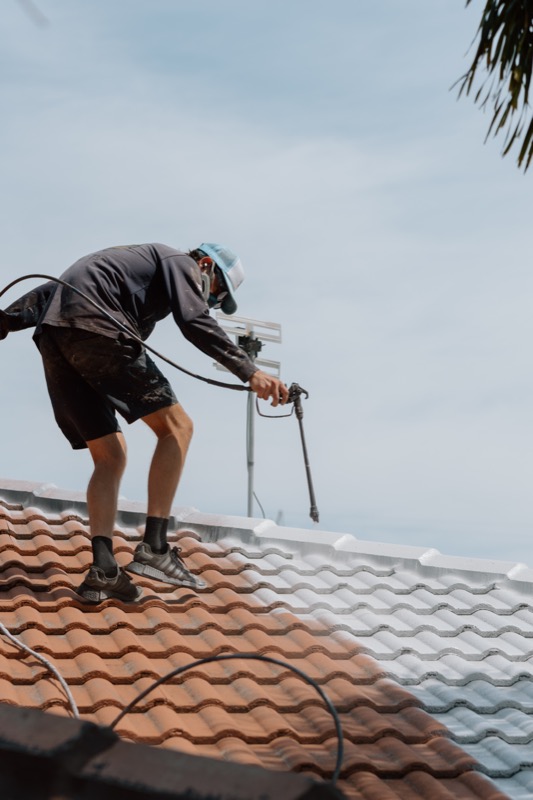
How Long Does Roof Restoration Take?
A typical roof restoration on the Gold Coast takes between 2 to 5 days for most residential properties, depending on roof size, condition, and weather conditions. For a standard single-storey home with a roof area of 150-200 square metres, expect approximately 3 days of work. Larger properties, those with significant damage, or homes requiring extensive repairs before restoration can extend this timeframe to 7-10 days. Queensland's unpredictable weather—particularly during storm season from November to April—can also cause delays, so factoring in buffer time is essential when planning your roof restoration project.
Understanding the Roof Restoration Process
Roof restoration isn't simply a quick coat of paint splashed over your existing roof. It's a comprehensive process that involves multiple stages, each requiring specific conditions and curing times. Understanding what's involved helps explain why quality restoration work takes the time it does.
The restoration process typically includes:
- Initial inspection and assessment - Identifying all issues requiring attention
- High-pressure cleaning - Removing years of dirt, moss, lichen, and debris
- Repairs and preparation - Fixing cracked tiles, replacing broken ones, and repointing ridge caps
- Primer application - Creating a bond between the roof surface and coating
- Membrane coating application - Usually two coats for optimal protection
- Final inspection - Ensuring all work meets quality standards
Each stage must be completed properly before moving to the next, and many require specific weather conditions and drying times.
Factors That Affect Roof Restoration Timeframes
Roof Size and Complexity
The most obvious factor affecting duration is your roof's size. A small townhouse with 100 square metres of roofing will naturally take less time than a sprawling family home with 300+ square metres. However, size isn't everything—complexity matters too.
Roofs with multiple levels, numerous valleys, skylights, solar panels, or complex architectural features require more careful work and additional time. A simple hip roof will be quicker to restore than a roof with multiple gables, dormers, and intersecting planes.
Typical timeframes by roof size:
- Small homes (under 150m²): 2-3 days
- Medium homes (150-250m²): 3-4 days
- Large homes (250-350m²): 4-5 days
- Very large or complex homes (350m²+): 5-7 days
Roof Material Type
Different roofing materials require different restoration approaches:
Concrete tiles are the most common on the Gold Coast and typically take 3-4 days for a standard restoration. They're durable but porous, requiring thorough cleaning and often multiple sealer coats.
Terracotta tiles require similar timeframes but need more careful handling due to their brittleness. Older terracotta roofs may need more extensive repairs before coating.
Metal roofing (Colorbond) generally takes 2-3 days as it doesn't require the same intensive cleaning process. However, rust treatment and proper preparation are essential for long-lasting results.
Current Roof Condition
A well-maintained roof that's had regular inspections will restore faster than one that's been neglected for decades. Common issues that extend restoration time include:
- Cracked or broken tiles - Each damaged tile must be replaced or repaired
- Failed pointing - Ridge caps and hip caps often need complete repointing
- Valley deterioration - Rusty or damaged valleys require replacement
- Moss and lichen growth - Heavy biological growth needs more intensive cleaning
- Previous poor repairs - Removing and correcting shoddy past work takes time
At Radiant Roof Repairs, we've seen roofs where extensive preparatory work doubled the expected timeframe. It's always better to have a thorough inspection before receiving an accurate quote and timeline.
Weather Conditions
Queensland weather plays a significant role in roof restoration scheduling. Our subtropical climate brings specific challenges:
Rain delays are the most common issue. Most restoration products cannot be applied to wet surfaces, and high-pressure cleaning obviously adds more water. After rain, roofs typically need 24-48 hours to dry completely before work can continue.
Humidity levels affect curing times for coatings and sealers. Gold Coast humidity regularly exceeds 70%, which can extend drying times between coats.
Extreme heat can also cause problems. When surface temperatures exceed 50°C (common on dark roofs in summer), coatings can dry too quickly, affecting adhesion and finish quality.
Storm season (November-April) requires careful scheduling. While we can work around afternoon storms, severe weather events can cause multi-day delays.
For optimal conditions, many Gold Coast homeowners find that late autumn through early spring (May-October) offers the most predictable restoration conditions.
Day-by-Day Breakdown: What to Expect
Day 1: Inspection, Setup, and Cleaning
The first day involves setting up safety equipment, protecting your property (covering gardens, outdoor furniture, and sensitive areas), and beginning the high-pressure cleaning process. For larger roofs, cleaning may extend into day two.
You'll notice:
- Significant water runoff (ensure drainage is clear)
- Noise from the pressure cleaning equipment
- Debris washing off your roof
- Possible discovery of hidden damage
Day 2: Repairs and Preparation
Once the roof is clean and dry, repair work begins. This includes:
- Replacing broken or cracked tiles
- Repointing ridge caps with flexible pointing compound
- Treating any rust on metal components
- Repairing or replacing flashings
- Addressing valley issues
This stage is crucial—skipping or rushing repairs leads to premature coating failure.
Day 3: Priming and First Coat
With repairs complete and surfaces prepared, primer application begins. The primer creates a strong bond between your roof surface and the protective membrane coating. After priming, the first coat of roof membrane is applied.
Drying time between coats is typically 2-4 hours in good conditions, though this extends in humid weather.
Day 4: Final Coating and Inspection
The second (and sometimes third) coat of roof membrane is applied, followed by touch-ups and a thorough final inspection. This includes checking all edges, valleys, and transitions for complete coverage.
Why Rushing Roof Restoration Is a Costly Mistake
Some contractors promise unrealistically quick turnarounds. While a faster timeline might seem attractive, rushed restoration work often leads to:
- Premature coating failure - Products need proper curing time
- Missed repairs - Underlying issues get painted over rather than fixed
- Poor adhesion - Insufficient surface preparation causes peeling
- Warranty issues - Many product warranties are void if application guidelines aren't followed
A quality roof restoration should last 10-15 years. Cutting corners to save a day or two of work can mean you're paying for another restoration in just 3-5 years.
How to Minimise Delays in Your Roof Restoration
Choose the Right Time of Year
Scheduling your restoration during Queensland's drier months (May-October) significantly reduces weather-related delays. This period offers:
- Lower humidity for faster drying
- Less rainfall interruption
- More predictable conditions
- Cooler surface temperatures
Prepare Your Property
Before restoration begins:
- Clear items from around your home's perimeter
- Ensure good access for equipment and materials
- Trim overhanging branches that may interfere with work
- Make sure downpipes and drainage are clear
Address Known Issues Early
If you're aware of specific problems—leaks, broken tiles, or damaged areas—communicate these during the quoting process. This allows accurate scheduling and prevents mid-project surprises.
When to Consider Full Roof Replacement Instead
Roof restoration isn't always the answer. In some cases, replacement is more cost-effective long-term:
- Roof age exceeding 50 years - Older roofs may be beyond economical restoration
- Structural issues - Sagging, warped, or rotted battens require more than surface restoration
- Widespread damage - When more than 30% of tiles need replacement, full replacement often makes more sense
- Asbestos materials - Older fibro roofs cannot be restored and require specialist removal
Radiant Roof Repairs provides honest assessments. If restoration isn't the right solution, we'll tell you—along with your options moving forward.
Cost Considerations for Gold Coast Roof Restoration
Understanding costs helps with planning and budgeting:
- Basic roof restoration: $2,500 - $5,000 for smaller homes
- Standard restoration: $4,000 - $6,500 for average-sized homes
- Premium restoration: $6,000 - $8,000+ for larger properties or those requiring extensive repairs
Factors affecting cost include roof size, accessibility, current condition, and chosen coating system. Quality coatings cost more but offer superior durability in Queensland's harsh conditions—particularly important for coastal properties exposed to salt air.
Prevention: Extending Time Between Restorations
Once your roof is restored, proper maintenance extends its life:
- Annual inspections - Catch small issues before they become major problems
- Gutter cleaning - Blocked gutters cause water damage to roof edges
- Tree management - Keep branches trimmed away from the roof
- Prompt repairs - Address any damage immediately after storms
Frequently Asked Questions
Can roof restoration be done in one day?
No, legitimate roof restoration cannot be completed in a single day. Any contractor promising one-day restoration is cutting corners. Proper cleaning, drying, repairs, and multiple coating applications with appropriate curing times require a minimum of 2-3 days even for small roofs.
Will I need to leave my home during restoration?
No, you can remain in your home during restoration. There will be some noise from equipment and foot traffic on your roof, but it's not disruptive enough to require vacating. We recommend keeping windows closed during cleaning to prevent water ingress.
How long after restoration before the roof is waterproof?
Your roof remains weatherproof throughout the restoration process—we don't leave it exposed overnight. However, we recommend avoiding walking on newly coated areas for at least 48 hours and keeping foot traffic minimal for two weeks to allow full curing.
Does rain during restoration ruin the work?
Not necessarily, but it does cause delays. If rain occurs after coating application, the curing process may be affected. Professional contractors check weather forecasts carefully and won't apply coatings when rain is imminent. If unexpected rain does occur, affected areas can usually be recoated.
How often should a roof be restored on the Gold Coast?
Most Gold Coast roofs benefit from restoration every 10-15 years, though this varies based on roof material, exposure, and maintenance. Coastal properties exposed to salt air may need more frequent attention. Regular inspections help determine optimal timing.
What's the difference between roof restoration and roof painting?
Roof painting typically involves only cleaning and applying paint, while restoration includes comprehensive repairs, repointing, rust treatment, primer, and specialised membrane coatings designed for roof surfaces. Restoration addresses underlying issues and provides longer-lasting protection.
Can restoration fix a leaking roof?
Restoration can fix many leaks caused by cracked tiles, failed pointing, or deteriorated flashings. However, leaks from structural damage, severely deteriorated valleys, or underlying issues may require more extensive repairs or replacement. A thorough inspection determines whether restoration will solve your leak problem.
How long does roof restoration last in Queensland?
Quality roof restoration using premium products typically lasts 10-15 years on the Gold Coast. However, this depends on product quality, application standards, roof orientation, and maintenance. North-facing roofs experience more UV exposure and may show wear sooner.
Is roof restoration worth it compared to replacement?
For roofs in reasonable structural condition, restoration typically costs 25-40% of full replacement while extending roof life by 10-15 years. This makes it excellent value for most homes. However, very old or structurally compromised roofs may be better served by replacement—Radiant Roof Repairs can advise on the best option for your situation.
Do I need council approval for roof restoration on the Gold Coast?
Standard roof restoration doesn't require council approval on the Gold Coast or Brisbane. However, if you're changing roof colour significantly (particularly in heritage areas) or making structural changes, check with your local council. Most colour changes during restoration don't require permits.
Conclusion
Roof restoration is an investment in your home's protection and value, and like any quality work, it takes the time necessary to do properly. For most Gold Coast homes, expect 2-5 days of work, with additional time possible for larger properties, extensive repairs, or weather delays.
Choosing the right contractor makes all the difference. Look for QBCC licensed professionals who provide realistic timeframes, use quality products, and don't cut corners to rush the job. A properly restored roof protects your home for years to come—well worth a few extra days of patience during the process.
If you're considering roof restoration for your Gold Coast, Brisbane, or Sunshine Coast property, contact Radiant Roof Repairs on 0480 855 390 for an honest assessment and accurate timeline for your specific situation.