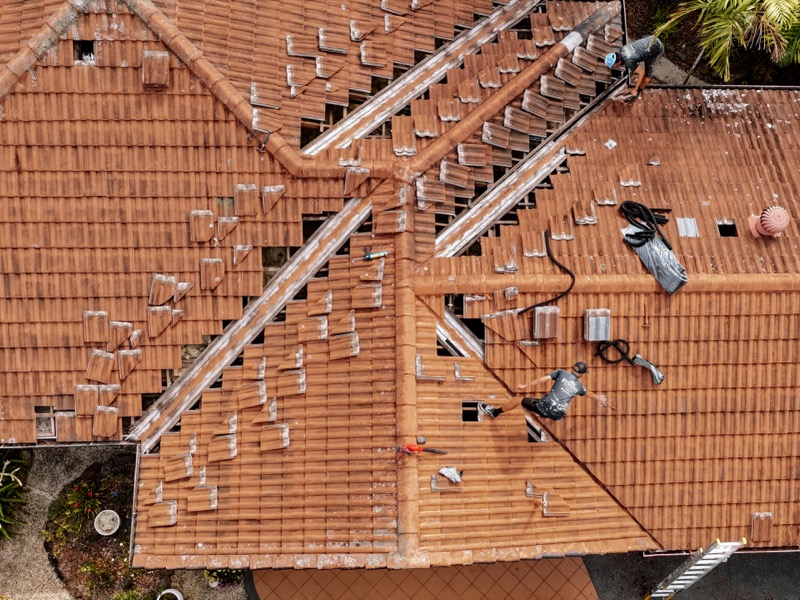
Understanding Roof Pitch and Material Selection
Choosing the right roofing materials for your Gold Coast home isn't simply about picking the colour that matches your facade. One of the most critical—yet often overlooked—factors in this decision is your roof's pitch. Get this combination wrong, and you could be looking at premature wear, water damage, or even complete roof failure during our notorious Queensland storm season.
In this comprehensive guide, I'll walk you through everything you need to know about roof pitch, how it affects your material choices, and what works best for homes across the Gold Coast, Brisbane, and Sunshine Coast regions. With over 25 years of experience working on roofs throughout South East Queensland, I've seen firsthand how the right pitch-material combination can mean the difference between a roof that lasts decades and one that needs constant repairs.
What Is Roof Pitch and Why Does It Matter?
Roof pitch refers to the steepness or slope of your roof, expressed as a ratio of vertical rise to horizontal run. In Australia, we typically measure this in degrees or as a ratio (such as 22.5 degrees or 1:2.5). Understanding your roof's pitch is fundamental because it directly impacts:
- Water drainage efficiency – Steeper pitches shed water faster
- Wind resistance – Different pitches perform differently in cyclonic conditions
- Material suitability – Not all materials work on all pitches
- Maintenance requirements – Some pitch-material combinations need more upkeep
- Energy efficiency – Pitch affects attic ventilation and heat absorption
- Overall aesthetics – The pitch contributes significantly to your home's visual appeal
Here on the Gold Coast, where we experience everything from tropical downpours to salt-laden coastal winds, getting your roof pitch and material selection right is absolutely essential.
Common Roof Pitch Categories
Low Pitch (1-10 degrees)
Often seen on modern architectural designs, carports, and extensions. These roofs require specialised materials and waterproofing approaches due to slower water runoff.
Medium Pitch (10-20 degrees)
The most common range for Australian residential properties. Offers good water shedding while remaining cost-effective to construct and maintain.
Steep Pitch (20-35+ degrees)
Typically found on traditional Queenslander homes and some contemporary designs. Excellent water shedding but requires additional structural support and safety considerations for maintenance.
How to Determine Your Roof Pitch
Before selecting materials, you need to know your existing roof pitch (if replacing) or planned pitch (for new builds). Here are several methods:
Method 1: Using a Pitch Calculator App
Several smartphone apps can calculate pitch using your phone's built-in level. Simply place your phone on a rafter or along the roof surface.
Method 2: The 300mm Method
From inside your roof cavity:
- Place a spirit level horizontally against a rafter
- Mark 300mm along the level from where it touches the rafter
- Measure vertically from that mark down to the rafter
- This measurement in millimetres, divided by 300, gives you the pitch ratio
Method 3: Professional Assessment
For the most accurate reading—especially on complex roof designs with multiple pitches—having a licensed roofing professional assess your roof is the safest option. At Radiant Roof Repairs, we provide comprehensive roof inspections that include detailed pitch measurements across all roof sections.
Queensland Building Code Requirements
The Building Code of Australia (BCA) and Queensland Development Code set minimum pitch requirements based on material type:
- Metal roofing: Minimum 5 degrees (some products approved for 1 degree)
- Concrete tiles: Minimum 15 degrees (some systems allow 12 degrees with sarking)
- Terracotta tiles: Minimum 15 degrees
- Slate: Minimum 25 degrees (some synthetic slates allow lower)
- Asphalt shingles: Minimum 15 degrees
These minimums exist to ensure proper water shedding and prevent moisture ingress. Installing materials below their minimum pitch without proper engineering can void warranties and potentially breach building codes.
Roofing Materials Suited to Different Pitches
Let's examine each major roofing material available on the Gold Coast and its pitch requirements:
Metal Roofing (Colorbond and Zincalume)
Suitable Pitch Range: 1-60+ degrees
Metal roofing is the most versatile option for Queensland homes, suitable for virtually any pitch when correctly specified. Its popularity across the Gold Coast isn't surprising given our climate challenges.
Advantages for Gold Coast Homes:
- Excellent performance in cyclonic wind ratings (up to Category 5 with correct fixing)
- Superior salt air resistance with Colorbond's BlueScope coating
- Lightweight—reduces structural load
- Long lifespan (40-70 years with proper maintenance)
- Reflects heat effectively, reducing cooling costs
- Wide colour range to suit any aesthetic
Low Pitch Considerations:
For pitches below 5 degrees, you'll need:
- Concealed-fix profiles (standing seam or clip-lock systems)
- Additional weatherproofing at laps and penetrations
- Increased attention to fall accuracy during installation
Cost Range: Roof replacement with Colorbond typically runs $19,999 to $35,000+ depending on roof size and complexity.
Concrete Tiles
Suitable Pitch Range: 15-45 degrees (12 degrees minimum with sarking)
Concrete tiles have been a staple of Australian roofing since the post-war building boom. They're still widely used across Brisbane and the Gold Coast suburbs.
Advantages:
- Excellent thermal mass—keeps homes cooler in summer
- Good sound insulation during heavy rain
- Fire resistant (BAL rated options available)
- Relatively affordable replacement costs
- Available in flat (low profile) and high profile designs
Disadvantages for Coastal Areas:
- Heavy—requires substantial roof structure
- Can become brittle with age and UV exposure
- Porous surface can harbour mould and lichen in humid conditions
- Salt air accelerates deterioration on beachside properties
Gold Coast Specific Advice:
If you're within 5km of the coast, concrete tiles require more frequent cleaning and may need re-sealing every 10-15 years. Properties at Surfers Paradise, Burleigh, and Palm Beach with concrete tile roofs often show significant weathering compared to inland suburbs like Robina or Nerang.
Cost Range: Tile roof replacement typically costs $25,000 to $45,000+ for an average-sized home.
Terracotta Tiles
Suitable Pitch Range: 15-60 degrees
Terracotta offers similar benefits to concrete but with superior longevity and aesthetics.
Advantages:
- Exceptional lifespan (50-100+ years)
- Colour is baked through, not surface-applied
- Natural material with excellent sustainability credentials
- Doesn't fade or require repainting
- Classic Mediterranean aesthetic suits many Gold Coast homes
Disadvantages:
- Higher upfront cost than concrete
- Heavy—similar structural requirements to concrete
- Limited colour range compared to concrete
- Brittle if walked on incorrectly during maintenance
Cost Range: Terracotta roof replacement runs $30,000 to $45,000+ due to higher material costs.
Asphalt Shingles
Suitable Pitch Range: 15-90 degrees
While more common in North America, asphalt shingles are gaining popularity in Australia for their aesthetic versatility.
Advantages:
- Lightweight alternative to tiles
- Wide range of colours and styles
- Good value for medium-term applications
- Relatively easy to repair
Disadvantages for Queensland:
- Shorter lifespan in harsh UV conditions (15-25 years)
- Can lift in high winds if not correctly installed
- Heat absorption can increase cooling costs
- Limited availability and installer expertise in Queensland
My Professional Recommendation:
For Gold Coast properties, I generally recommend metal roofing or terracotta over asphalt shingles unless there's a specific aesthetic requirement. Our UV intensity significantly shortens asphalt shingle lifespan compared to overseas installations.
Flat Roof Systems (Membrane Roofing)
Suitable Pitch Range: 0-5 degrees
For truly flat or very low pitch roofs, membrane systems are essential.
Common Types:
- TPO (Thermoplastic Polyolefin): Good UV resistance, heat-welded seams
- EPDM (Rubber): Excellent flexibility, mechanically fastened
- PVC Membranes: Superior chemical resistance, long lifespan
- Torch-on (Bituminous): Traditional method, requires skilled application
Advantages:
- Only viable option for dead-flat roofs
- Seamless coverage eliminates potential leak points
- Can accommodate rooftop equipment and foot traffic
- Modern membranes offer 25-30 year warranties
Disadvantages:
- Requires specialist installation
- Regular inspection and maintenance critical
- Ponding water can accelerate deterioration
- Heat absorption can be significant without reflective coatings
Cost Range: Membrane roof systems typically cost $150-300 per square metre installed.
Climate Considerations for Gold Coast Roof Selection
Our South East Queensland climate presents unique challenges that must inform your material selection:
Storm and Cyclone Resistance
The Gold Coast experiences severe storms annually, with the occasional tropical cyclone impact. Your roof needs to withstand:
- Wind speeds exceeding 200km/h in extreme events
- Large hail (recent storms have produced golf ball-sized hail)
- Heavy, driving rain from any direction
- Flying debris impact
Material Performance in Storms:
After significant storm events, our team at Radiant Roof Repairs often sees patterns in damage. Concrete and terracotta tile roofs frequently suffer cracked and broken tiles, while metal roofs typically sustain less damage unless fasteners have corroded or loosened over time.
Salt Air Exposure
Properties from Main Beach to Coolangatta face accelerated corrosion from salt-laden coastal air. For homes within 500 metres of the beach, I strongly recommend:
- Colorbond Ultra steel with enhanced corrosion protection
- Stainless steel or Monel metal fasteners
- More frequent inspections (annually rather than every two years)
- Prompt attention to any scratches or coating damage
Humidity and Mould
Gold Coast humidity averages 65-75% year-round, creating ideal conditions for mould and algae growth. This particularly affects:
- South-facing roof sections with less sun exposure
- Valleys and areas where debris accumulates
- Porous materials like concrete tiles
- Areas with overhanging trees
Material selection can minimise these issues. Metal roofs with smooth surfaces resist biological growth, while tiles may require periodic treatment with anti-fungal solutions.
Heat and UV Intensity
Queensland's UV index regularly exceeds 11 (extreme) during summer. This affects:
- Colour fastness of painted surfaces
- Flexibility of rubber seals and flashings
- Thermal expansion of all materials
- Energy costs for cooling
Light-coloured roofs (whites, light greys, and light blues in Colorbond) can reduce roof surface temperatures by 20-30°C compared to dark colours, significantly cutting air conditioning costs.
Matching Pitch to Architectural Style
Your roof pitch should complement your home's architectural style while meeting practical requirements:
Traditional Queenslander Homes
Typical Pitch: 25-35 degrees Best Materials: Metal (corrugated profile), or terracotta tiles Considerations: Maintain heritage aesthetics while upgrading to modern materials. Many Queenslanders can transition from old corrugated iron to Colorbond while keeping the traditional look.
Modern Contemporary Homes
Typical Pitch: 2-15 degrees Best Materials: Standing seam metal, concealed-fix metal profiles, membrane systems Considerations: Ensure adequate fall for drainage. Modern flat-roof designs require meticulous waterproofing at penetrations and edges.
Mediterranean/Spanish Style
Typical Pitch: 20-30 degrees Best Materials: Terracotta or concrete tiles (S-profile) Considerations: Popular in Palm Beach, Miami, and Burleigh Waters. The clay tile aesthetic suits our climate well.
Coastal Contemporary
Typical Pitch: 15-25 degrees Best Materials: Metal (standing seam or Klip-Lok profiles) in coastal-appropriate finishes Considerations: Prioritise salt-resistance and low maintenance. Light colours reflect heat.
Professional Guidance: When to Consult a Roofing Expert
While this guide provides comprehensive information, certain situations require professional assessment:
You Need Professional Help When:
- Changing your roof pitch – Structural engineering is required to modify pitch
- Converting tile to metal (or vice versa) – Structural assessment needed for weight changes
- Your roof has multiple pitches – Complex roofs need individual assessment of each section
- You're building in a BAL-rated area – Bushfire compliance affects material choices
- Your home is heritage listed – Council approval may be needed for material changes
- You've experienced leak problems – Root cause may be pitch-material mismatch
- Your roof is over 25 years old – Comprehensive inspection before restoration or replacement
What a Professional Inspection Includes:
- Accurate pitch measurement of all roof sections
- Assessment of existing structure's capacity
- Identification of waterproofing vulnerabilities
- Ventilation analysis
- Compliance check against current building codes
- Detailed recommendations with options and pricing
Cost Factors in Roof Pitch and Material Selection
Understanding cost implications helps with budgeting and decision-making:
Factors That Increase Costs:
- Steep pitch (over 25 degrees)
- Additional safety equipment required
- Slower installation speed
- More material for same floor coverage
- Increased 10-15% typically
- Very low pitch (under 5 degrees)
- Specialised materials required
- More complex waterproofing
- Increased 15-25% typically
- Complex roof designs
- Multiple hip and valley sections
- Numerous penetrations (skylights, vents, solar)
- Level changes and box gutters
- Access difficulties
- Multi-storey buildings
- Narrow side access
- Heritage or densely landscaped properties
- Structural upgrades
- Converting from tiles to metal rarely requires upgrade
- Converting from metal to tiles usually does
Investment vs. Lifespan Analysis
*Based on average 200m² roof, costs approximate*
When viewed as a long-term investment, quality metal roofing often provides the best value for Gold Coast homes.
Practical Checklist for Material Selection
Use this checklist when making your roofing decision:
Pitch Assessment:
- [ ] Determine exact pitch (degrees or ratio)
- [ ] Identify if minimum pitch requirements are met
- [ ] Note any pitch variations across roof sections
Climate Factors:
- [ ] Distance from coast (salt exposure)
- [ ] Tree coverage (debris and shade)
- [ ] Prevailing wind direction
- [ ] Sun exposure patterns
Practical Considerations:
- [ ] Current structural capacity
- [ ] Budget for replacement or restoration
- [ ] Aesthetic preferences and streetscape
- [ ] Solar panel plans (now or future)
- [ ] Gutter and drainage capacity
Compliance Checks:
- [ ] Building Code minimum pitch met
- [ ] BAL rating requirements (if applicable)
- [ ] Heritage overlay restrictions (if applicable)
- [ ] HOA or covenant restrictions (if applicable)
Frequently Asked Questions
What is the minimum roof pitch for Colorbond roofing?
The minimum pitch for standard Colorbond roofing is 5 degrees when using traditional exposed-fix profiles like corrugated or Custom Orb. However, concealed-fix profiles such as Klip-Lok and standing seam systems can be installed at pitches as low as 1 degree with appropriate engineering and waterproofing details. For pitches below 5 degrees, additional measures including increased lap sealing and careful attention to fastener placement are essential.
Can I put tiles on a low-pitch roof?
Concrete and terracotta tiles require a minimum pitch of 15 degrees under standard installation. Some tile systems can be installed at 12 degrees with sarking (a waterproof membrane beneath the tiles), but this requires approval from both the tile manufacturer and your building certifier. Below 12 degrees, tiles are not suitable—you'll need to consider metal roofing or membrane systems instead.
How much does it cost to change roof pitch on the Gold Coast?
Changing roof pitch is a significant structural modification. Costs typically range from $15,000 to $50,000+ depending on the extent of change, roof size, and structural requirements. This includes engineering assessment, council approval, structural modifications, and new roofing. In many cases, it's more cost-effective to work with your existing pitch and select appropriate materials rather than modifying the structure.
Which roof colour is best for Gold Coast homes?
Light colours—particularly Surfmist, Shale Grey, and Paperbark in Colorbond—are most effective for reducing heat absorption in our climate. These colours can keep roof surface temperatures 20-30°C cooler than dark options like Monument or Basalt. However, if your home has excellent insulation and you prefer a darker aesthetic, modern insulation systems can mitigate heat transfer effectively.
How often should I inspect my roof on the Gold Coast?
I recommend professional inspections every two years for metal roofs and annually for tile roofs. Additionally, you should arrange an inspection after any significant storm event and before and after each wet season. Properties within 500 metres of the beach should be inspected annually regardless of material due to accelerated salt exposure effects.
Do I need council approval to change roofing materials?
In most cases, replacing roofing with the same or similar materials doesn't require council approval. However, you will need approval if: you're changing the roof shape or pitch, your property has a heritage overlay, the change affects streetscape appearance in a character area, or structural modifications are required. Always check with Gold Coast City Council, Brisbane City Council, or Sunshine Coast Council planning departments for your specific situation.
What is sarking and do I need it?
Sarking is a flexible membrane installed beneath roofing materials. It provides an additional waterproofing layer, reflects radiant heat, and reduces condensation. In Queensland, sarking is required under tile roofs with pitches below 15 degrees. For metal roofs, it's highly recommended for energy efficiency and moisture management, though not always mandatory. In our humid climate, sarking can reduce air conditioning costs by 10-15%.
How long does a roof last on the Gold Coast?
Roof lifespan varies significantly by material and maintenance: Colorbond metal roofing typically lasts 40-70 years, concrete tiles 30-50 years, terracotta tiles 50-100+ years, and membrane systems 20-30 years. These figures assume proper installation and regular maintenance. Our harsh UV, salt air, and storm exposure can shorten lifespans by 10-20% compared to southern states if maintenance is neglected.
Should I repair or replace my roof?
Generally, repairs are appropriate when damage is isolated, your roof is less than 15-20 years old, and the overall structure remains sound. Replacement makes more sense when: repairs exceed 30% of replacement cost, multiple areas show wear, the roof has reached expected lifespan, or you're experiencing recurring leak issues. Roof restoration—which includes repairs, resealing, and recoating—is often a cost-effective middle option ranging from $2,500 to $8,000.
Can I install solar panels on any roof pitch?
Solar panels can be installed on most roof pitches from 0-45 degrees, though 15-30 degrees facing north provides optimal generation in Queensland. Low-pitch roofs may require tilt frames to improve panel angle, while steep pitches can complicate installation and maintenance access. Before installing solar, have your roof inspected to ensure it's structurally sound and has sufficient remaining lifespan—ideally 20+ years—to match panel warranties.
What roofing is best for cyclone-prone areas?
Metal roofing with concealed-fix profiles (standing seam, Klip-Lok) provides the best cyclone performance when installed to cyclonic specifications. Key requirements include: appropriate fixing patterns with increased fastener density, thicker gauge steel (0.48mm minimum), cyclone washers on all fixings, and continuous tie-down to the structure. Tile roofs can perform well with proper bedding and pointing but are more susceptible to debris damage.
How do valleys and gutters affect material choice?
Valleys—where two roof planes meet—require careful consideration regardless of material. Metal roofs use metal valley flashings that work with any pitch above minimum requirements. Tile roofs use tile-and-a-half valley tiles or metal valleys, requiring at least 15-degree pitch. Box gutters (internal gutters) are challenging regardless of material and require generous falls, overflow capacity, and regular maintenance to prevent flooding.
What's the difference between roof restoration and replacement?
Roof restoration involves repairing existing damage, replacing broken elements, cleaning, and applying protective coatings to extend your roof's life—typically adding 10-15 years. Costs range from $2,500 to $8,000. Roof replacement means removing all existing materials and installing a complete new roof system. Replacement costs start from $19,999 for metal through to $45,000+ for tiles. Restoration is suitable when the underlying structure is sound; replacement is necessary when it's not.
Are lighter roofing materials better for older homes?
Often, yes. Many older Queensland homes were designed for lightweight metal roofing. If your home originally had a metal roof and was converted to tiles, the structure may be under stress. Converting back to metal can relieve this loading. Conversely, if your home was designed for tiles, the structure can easily accept metal. Always have a structural assessment before changing material types to ensure compliance and safety.
How does roof pitch affect insurance?
Insurers consider roof pitch as part of their risk assessment. Roofs with appropriate pitch-material combinations that meet building codes typically receive standard rates. However, non-compliant installations, DIY work, or materials unsuitable for your pitch can affect claims. After any roof work, keep documentation including compliance certificates, manufacturer warranties, and licensed contractor invoices to support any future claims.
Conclusion
Selecting the right roofing material for your Gold Coast home requires careful consideration of your roof's pitch, our unique Queensland climate challenges, and your long-term maintenance and budget expectations. The wrong combination can lead to premature failure, constant repairs, and frustration—while the right choice provides decades of protection with minimal intervention.
For most Gold Coast homes, quality metal roofing offers the best combination of versatility, longevity, and performance across virtually any pitch. Tiles remain an excellent choice for medium-pitch roofs where their aesthetic is desired, while membrane systems are essential for contemporary flat-roof designs.
If you're unsure about the best approach for your specific situation, the team at Radiant Roof Repairs offers comprehensive inspections and honest advice based on 25+ years of local experience. Call us on 0480 855 390 to arrange an assessment—we'll help you understand your options and make an informed decision that protects your home for decades to come.
*Daniel Morrison is a QBCC Licensed Roofing Specialist with over 25 years of experience across the Gold Coast, Brisbane, and Sunshine Coast regions.*