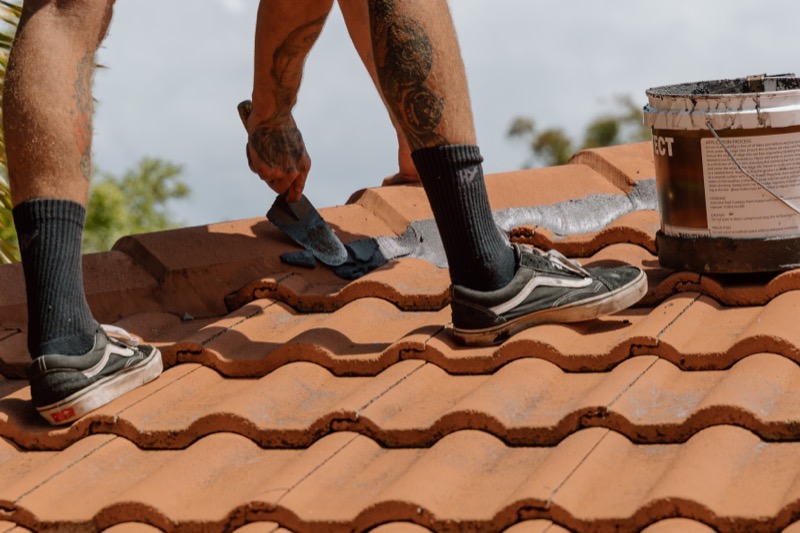
My Roof Leaks in Heavy Rain Only - Why?
Quick Answer: A roof that only leaks during heavy rain typically indicates issues that aren't visible under normal conditions—most commonly compromised flashing, blocked gutters, cracked roof tiles, or deteriorated valley sections. These problems allow water to penetrate only when rainfall intensity exceeds a certain threshold, usually above 20mm per hour. On the Gold Coast, where summer storms can dump 50-100mm in under an hour, these hidden vulnerabilities become exposed quickly. The good news is that most heavy-rain-only leaks are repairable without full roof replacement, typically costing between $500-$2,000 when caught early.
Understanding Why Your Roof Only Leaks in Heavy Rain
It's one of the most frustrating roofing problems Gold Coast homeowners face: your roof seems perfectly fine during light showers, but the moment a serious storm hits, you're scrambling for buckets. This isn't random bad luck—there's always a specific reason why heavy rain exposes what lighter rain doesn't.
During light rainfall, water flows predictably across your roof surface, following the path of least resistance into your gutters and downpipes. But when rainfall intensity increases—particularly during the subtropical storms common across Southeast Queensland—everything changes. Water volume overwhelms normal drainage paths, pooling in unexpected areas and finding every tiny gap, crack, and weakness in your roofing system.
After 25 years inspecting Gold Coast roofs, I've seen this pattern countless times. The leak that only appears during heavy rain is actually a warning sign of underlying damage that will progressively worsen if left unaddressed.
Common Causes of Heavy Rain Roof Leaks
Damaged or Deteriorated Flashing
Flashing—the metal strips that seal joints around chimneys, skylights, vents, and where roof sections meet walls—is responsible for approximately 70% of heavy-rain-only leaks. Over time, Queensland's intense UV exposure and salt-laden coastal air corrode and warp flashing materials.
During normal rain, the slight gaps that develop aren't significant enough to admit water. But when rain drives horizontally during storms (common with Gold Coast southerly busters), or when water volume backs up against these barriers, compromised flashing fails.
Blocked or Overflowing Gutters
Gold Coast homes surrounded by eucalypts, palm trees, and native vegetation face constant gutter debris accumulation. When gutters block during heavy rain, water backs up under roof tiles or sheeting, entering your roof cavity from below rather than above.
This is particularly problematic in suburbs like Mudgeeraba, Nerang, and the Hinterland areas where tree coverage is dense. A gutter system that handles light rain perfectly can become a liability during storms if maintenance has been neglected.
Cracked or Displaced Roof Tiles
Concrete and terracotta tiles common on Gold Coast homes can crack from thermal expansion, impact damage, or simply age. Hairline cracks might not leak during gentle rain, but under heavy downpours, water forces through these tiny fractures.
Similarly, tiles can shift over time due to the expansion and contraction cycles our subtropical climate creates. A tile that's moved just 5-10mm might not be visible from ground level but creates a gap that heavy rain exploits.
Valley Deterioration
Roof valleys—the V-shaped channels where two roof sections meet—handle enormous water volumes during storms. Valley flashings that have rusted, lifted, or accumulated debris become leak points specifically during heavy rain when water volume overwhelms their compromised capacity.
On older Gold Coast homes, original valley materials may have been undersized for the rainfall intensity we experience during La Niña seasons and summer storm events.
Degraded Roof Membrane and Sarking
Beneath your tiles or metal sheeting lies sarking (roof membrane), which acts as a secondary water barrier. When this membrane degrades—common in roofs over 15-20 years old—your primary roof covering alone may handle light rain, but heavy rain penetrates to the sarking level and finds its way through deteriorated sections.
Wind-Driven Rain Penetration
Gold Coast storms frequently bring wind gusts exceeding 80km/h, driving rain horizontally against roof surfaces. This wind-driven rain can penetrate gaps that would never leak during vertical rainfall, including:
- Ridge capping joints
- Roof vent openings
- Gaps around antenna mounts
- Unsealed screw penetrations on metal roofs
DIY Inspection Tips
While professional inspection is always recommended, there are several things you can safely check yourself:
From the ground (using binoculars):
- Look for obviously displaced or cracked tiles
- Check for rust stains indicating metal deterioration
- Observe gutter alignment and any visible blockages
- Note any lifted flashing around roof penetrations
In the roof cavity (if safely accessible):
- Look for daylight penetration indicating gaps
- Check for water staining on timber beams
- Feel insulation for dampness after rain
- Note any musty odours suggesting ongoing moisture
Around gutters:
- Clear debris from gutters and downpipes
- Check gutter brackets for secure attachment
- Ensure downpipes are clear and flowing freely
Professional Solutions
At Radiant Roof Repairs, we approach heavy-rain leaks systematically, as the visible water entry point inside your home rarely indicates the actual roof breach location. Water can travel considerable distances along beams and through insulation before dripping onto your ceiling.
Leak Detection Process
Professional leak detection typically involves:
- Internal inspection mapping water damage patterns
- External roof inspection identifying potential entry points
- Water testing of suspected areas when necessary
- Thermal imaging in complex cases to trace moisture paths
Common Repair Solutions
Flashing replacement or resealing: $300-$800 depending on accessibility and extent
Tile replacement and rebedding: $500-$1,500 for localised repairs
Valley restoration: $800-$2,500 depending on length and complexity
Gutter repairs or replacement: $500-$5,000+ depending on scope
Roof restoration (for multiple issues): $2,500-$8,000+ for comprehensive treatment including repointing, resealing, and protective coating
When to Call a Professional
Seek professional help immediately if you notice:
- Water staining spreading or recurring after rain
- Multiple leak points appearing simultaneously
- Sagging ceiling sections (indicates significant water accumulation)
- Electrical fixtures near leak areas (serious safety hazard)
- Mould or mildew growth on walls or ceilings
- Leaks occurring during increasingly lighter rain events
The last point is particularly important—a leak that once only appeared during severe storms but now shows during moderate rain indicates worsening damage requiring urgent attention.
Prevention Tips for Gold Coast Homeowners
Given our subtropical climate with its intense storms, salt air exposure, and high UV levels, Gold Coast roofs require proactive maintenance:
Annual Maintenance Checklist
- Gutter cleaning: Minimum twice yearly, or quarterly if near trees
- Visual inspection: After any significant storm event
- Professional inspection: Every 2-3 years, or annually for roofs over 15 years old
- Tree trimming: Maintain 2-metre clearance from roof surfaces
- Moss and lichen treatment: Address biological growth before it damages tiles
Storm Preparation
Before storm season (typically October-April on the Gold Coast):
- Clear all gutters and downpipes
- Secure any loose items that could become projectiles
- Check that roof vents and whirlybirds are firmly attached
- Ensure adequate insurance coverage is current
Understanding Queensland Building Regulations
Any roofing work in Queensland must comply with the Queensland Building and Construction Commission (QBCC) requirements. For repairs exceeding $3,300 including labour and materials, only licensed contractors can legally perform the work. Always verify your contractor holds current QBCC licensing—this protects you through mandatory insurance requirements and provides recourse if issues arise.
Radiant Roof Repairs maintains full QBCC licensing, ensuring all work meets Queensland building standards and manufacturer specifications for warranty compliance.
Frequently Asked Questions
How much does it cost to fix a roof that leaks in heavy rain?
Repair costs typically range from $500-$4,000+ depending on the cause and extent of damage. Simple flashing repairs may cost $300-$800, while comprehensive valley restoration or multiple tile replacements can reach $2,000-$4,000. Early intervention almost always costs less than delayed repairs.
Can I temporarily stop my roof leaking during a storm?
As an emergency measure, placing a tarp over the suspected leak area can reduce water entry during ongoing rain. However, this is strictly temporary—tarps can trap moisture, create additional problems, and are dangerous to install during storms. Never attempt roof access during wet or windy conditions.
Why does my roof only leak in one spot during heavy rain?
A single leak point typically indicates a localised failure—one cracked tile, a specific flashing section, or a blocked gutter area. While seemingly minor, single-point leaks can cause significant concealed damage if water spreads through the roof cavity. These are usually straightforward repairs when addressed promptly.
Should I worry about a small leak that only happens in very heavy rain?
Yes. Small leaks inevitably become larger leaks. The damage pathway that allows any water penetration will deteriorate further with each rain event. Additionally, even small amounts of water entry can promote timber rot, electrical hazards, and mould growth—problems far more expensive to remediate than the original leak.
How do I find where rain is getting into my roof?
Locating leak sources can be challenging because water often travels before becoming visible. Start by examining the roof directly above interior water stains, then expand your search outward. Check flashing, valleys, tiles, and penetrations. Professional leak detection using water testing and thermal imaging provides definitive answers when visual inspection proves inconclusive.
Can blocked gutters cause my roof to leak?
Absolutely. Blocked gutters cause water to back up under roof tiles or sheeting, particularly where the roof meets the gutter line. During heavy rain, this backup can force water into the roof cavity, wall cavities, and fascia areas. Regular gutter cleaning is one of the most effective leak prevention measures available.
How often should I have my roof inspected on the Gold Coast?
Given the Gold Coast's demanding climate—intense UV, salt air exposure, severe storms, and high humidity—professional inspection every 2-3 years is recommended for roofs under 15 years old. Older roofs benefit from annual professional assessment. Additionally, visual inspection after any significant storm event is wise.
What's the difference between roof repair and roof restoration?
Roof repair addresses specific problems—replacing broken tiles, resealing flashing, clearing blockages. Roof restoration is comprehensive treatment including cleaning, repairs, repointing (re-cementing ridge caps and bedding), and applying protective coatings. Restoration extends roof life significantly and is recommended when multiple issues exist or the roof is approaching 15-20 years old.
Will my insurance cover roof leak repairs?
Insurance typically covers sudden storm damage but not gradual deterioration or maintenance issues. If your leak resulted from a specific storm event, you may have coverage. However, if the leak stems from wear and tear or deferred maintenance, insurance claims are usually declined. Document any storm damage immediately and review your policy details.
How long does it take to fix a roof leak?
Simple repairs—flashing resealing, tile replacement, gutter clearing—often take 2-4 hours. More complex issues like valley restoration or multiple repair points may require a full day. Comprehensive roof restoration typically takes 2-4 days depending on roof size and condition. Professional assessment provides accurate timeframes for your specific situation.
Conclusion
A roof that leaks only during heavy rain is sending you a clear message: something isn't right, and it's likely to worsen over time. The Gold Coast's subtropical climate—with its intense summer storms, high humidity, and salt-laden coastal air—accelerates roof deterioration and punishes delayed maintenance.
The encouraging news is that most heavy-rain leaks are repairable without major expense when caught early. Whether it's deteriorated flashing, cracked tiles, blocked gutters, or compromised valleys, professional diagnosis leads to targeted solutions that restore your roof's integrity.
Don't wait for ceiling stains to spread or for moderate rain to trigger leaks that once required storms. Contact Radiant Roof Repairs on 0480 855 390 for professional assessment. Our QBCC licensed team services the Gold Coast, Brisbane, and Sunshine Coast, bringing over 25 years of local experience to every inspection.
Your roof protects everything beneath it—make sure it's up to the task when the next big storm rolls through.