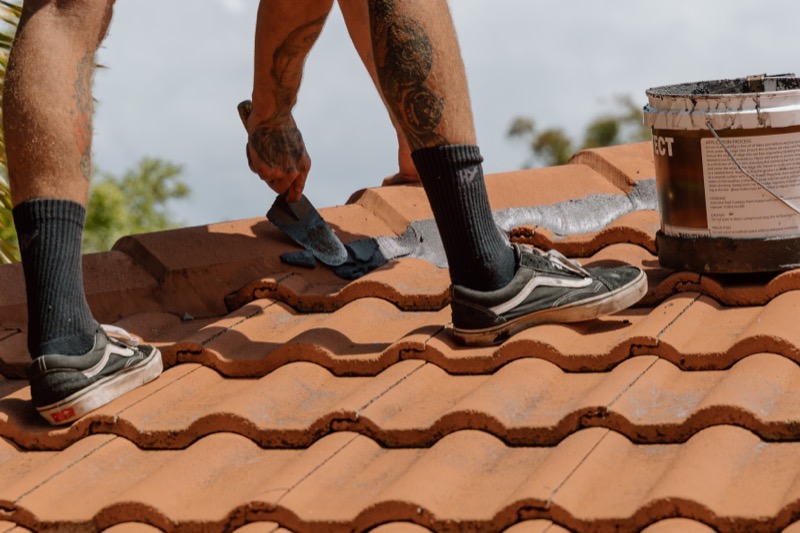
Roof Leaking Around Chimney - Solutions
A roof leaking around your chimney is typically caused by deteriorated flashing, cracked mortar, or damaged seals where the chimney meets the roofline. The most effective solution involves inspecting and replacing the flashing—the metal strips that create a waterproof barrier between your chimney and roof. On the Gold Coast, our subtropical climate with heavy storms and salt air accelerates flashing deterioration, making regular inspections essential. Professional chimney leak repairs typically cost between $500 and $2,500, depending on the extent of damage and accessibility.
Understanding Why Chimneys Are Prone to Leaks
Chimneys represent one of the most vulnerable points on any roof. Unlike the continuous surface of your roof tiles or metal sheeting, a chimney creates a penetration point that requires specialised waterproofing. Every time it rains—and here on the Gold Coast, we see an average of 1,200mm annually—water flows around your chimney structure, testing every seal and joint.
The intersection where your chimney meets the roof is protected by flashing, which consists of metal pieces that direct water away from this vulnerable junction. Over time, Queensland's harsh UV exposure, temperature fluctuations, and coastal humidity cause these materials to expand, contract, and ultimately fail.
At Radiant Roof Repairs, we've seen countless chimney leaks over our 25+ years serving Gold Coast homeowners. What starts as a small drip during heavy storms can quickly escalate into significant water damage affecting your ceiling, walls, and even the structural integrity of your home.
Common Causes of Chimney Roof Leaks
Deteriorated or Damaged Flashing
Flashing failure accounts for approximately 90% of chimney-related roof leaks. The flashing system includes:
- Step flashing: L-shaped metal pieces woven into your roof tiles alongside the chimney
- Counter flashing: Metal embedded into the chimney mortar that overlaps the step flashing
- Base flashing: Protection at the bottom of the chimney where it meets the roof
Gold Coast homes face accelerated flashing deterioration due to salt air corrosion, particularly properties within 5 kilometres of the coastline. Aluminium and galvanised steel flashing can show corrosion within 10-15 years in coastal areas, compared to 20-25 years inland.
Cracked or Missing Mortar
The mortar joints between chimney bricks absorb moisture over time. When this moisture freezes during our occasional cold snaps or repeatedly heats and cools, the mortar cracks and crumbles. Damaged mortar creates direct pathways for water entry.
Failed Chimney Cap or Crown
The chimney cap sits atop your chimney, preventing rain from entering directly. The crown—the concrete or morite surface surrounding the flue—can develop cracks that allow water infiltration. Queensland's intense summer sun causes thermal expansion that frequently cracks chimney crowns.
Condensation Issues
Our humid subtropical climate creates condensation problems, particularly in homes with gas heaters. When warm, moist air meets cooler chimney surfaces, condensation forms and can be mistaken for a leak. This is especially common during our humid summer months.
Structural Settling
Older Gold Coast homes, particularly those built on reactive clay soils common in areas like Nerang and Mudgeeraba, may experience foundation movement. This settling can create gaps between the chimney and roof structure, compromising the flashing seal.
DIY Solutions for Minor Chimney Leaks
Before attempting any roof repairs, prioritise safety. Working at heights requires proper equipment and experience. For minor issues, these solutions may provide temporary relief:
Applying Roofing Sealant
For small gaps in flashing or minor cracks:
- Clean the area thoroughly, removing debris and loose material
- Allow the surface to dry completely
- Apply a quality polyurethane or silicone-based roofing sealant
- Ensure coverage extends at least 50mm beyond the damaged area
Important: Sealant is a temporary fix. It typically lasts 2-5 years and should be considered a stopgap until professional repairs can be completed.
Patching Small Mortar Cracks
Minor mortar damage can be addressed with:
- Chimney repair caulk for cracks under 5mm
- Pre-mixed mortar repair compound for larger gaps
- Waterproof masonry sealer as a protective top coat
Inspecting and Clearing Debris
Sometimes, accumulated leaves and debris create water dams that force moisture under flashing. Regular clearing of debris from around your chimney can prevent this issue.
Professional Solutions for Chimney Leaks
Most chimney leaks require professional intervention to ensure lasting repairs. Here's what qualified roofing specialists address:
Complete Flashing Replacement
When flashing has failed, patching rarely provides a permanent solution. Professional flashing replacement involves:
- Carefully removing existing roof tiles around the chimney
- Extracting old flashing without damaging the chimney structure
- Installing new step flashing integrated with each tile course
- Setting counter flashing into freshly cut mortar joints
- Sealing all joints with commercial-grade waterproofing compounds
Expect to pay between $800 and $2,500 for complete flashing replacement, depending on chimney size and roof accessibility.
Chimney Repointing
Professional repointing removes deteriorated mortar and replaces it with new, weather-resistant mortar. This process requires skill to match existing mortar colour and ensure proper joint depth.
Crown Repair or Replacement
Damaged chimney crowns may need:
- Crack filling with flexible crown repair products
- Complete crown rebuilding with reinforced concrete
- Application of waterproof crown coating
Cricket Installation
For chimneys wider than 750mm on the high side of a sloped roof, installing a cricket (also called a saddle) dramatically improves water diversion. This triangular structure behind the chimney prevents water and debris accumulation.
When to Call a Professional
Contact a QBCC licensed roofing specialist when:
- Water stains appear on interior walls or ceilings near the chimney
- You notice rust stains or white mineral deposits on exterior chimney surfaces
- Flashing appears lifted, bent, or has visible holes
- Multiple repair attempts haven't resolved the leak
- The leak occurs during moderate rain, not just storms
- You're uncomfortable working at heights
Radiant Roof Repairs provides comprehensive chimney leak assessments across the Gold Coast, Brisbane, and Sunshine Coast regions. Our QBCC licensed specialists can identify the leak source and recommend the most cost-effective solution.
Prevention Tips for Gold Coast Homeowners
Protecting your chimney from future leaks requires proactive maintenance:
Annual Inspections
Schedule professional roof inspections annually, ideally before storm season (November-March). Early detection of flashing deterioration prevents costly water damage.
Post-Storm Checks
After significant weather events—common during our summer storm season—visually inspect your chimney from ground level. Look for:
- Displaced flashing
- Missing mortar chunks
- Debris accumulation
- Visible damage to the chimney cap
Maintain Surrounding Trees
Overhanging branches drop leaves and debris that accumulate around chimneys. Keep branches trimmed at least 2 metres from your roof.
Apply Waterproof Sealers
Every 5-7 years, consider having a professional apply waterproof masonry sealer to your chimney's exterior brickwork. This significantly extends mortar life in our humid climate.
Address Issues Promptly
Small chimney problems escalate quickly. A $500 flashing repair today prevents a $5,000 ceiling replacement tomorrow.
Frequently Asked Questions
How much does it cost to fix a leaking chimney on the Gold Coast?
Chimney leak repairs typically range from $500 for minor flashing repairs to $4,000+ for extensive restoration work. The average Gold Coast homeowner pays between $1,200 and $2,500 for professional chimney leak resolution, including flashing replacement and minor masonry repairs.
Can I fix a chimney leak myself?
Minor issues like small sealant gaps can be temporarily addressed with quality roofing sealant. However, most chimney leaks require professional repair to ensure lasting results. Working on roofs is dangerous without proper equipment and training, and incorrect repairs can void insurance coverage.
How do I know if my chimney flashing needs replacing?
Signs of failing flashing include visible rust or corrosion, lifted or bent metal edges, gaps between flashing and chimney, water stains on interior walls near the chimney, and flashing that moves when touched. If your flashing is over 15 years old in coastal areas, inspection is recommended.
Why does my chimney only leak during heavy rain?
Leaks appearing only during heavy rain typically indicate partially failed seals or small gaps that only allow water entry under pressure. Wind-driven rain can force water into gaps that remain dry during light showers. This often points to flashing issues on the windward side of the chimney.
Is a leaking chimney covered by home insurance?
Most home insurance policies cover sudden, accidental water damage but exclude gradual deterioration. If a storm damages your chimney flashing, repairs may be covered. However, leaks resulting from wear and lack of maintenance are typically not covered. Review your policy or contact your insurer for specific guidance.
How long does chimney flashing last in Queensland?
In Queensland's climate, quality chimney flashing typically lasts 15-20 years for coastal properties and 20-30 years for inland homes. Factors affecting longevity include material quality (lead and copper last longest), installation quality, salt air exposure, and maintenance frequency.
Should I repair or replace my chimney flashing?
Repair is suitable when damage is localised to one section and the surrounding flashing remains sound. Replace when multiple areas show deterioration, the flashing is over 20 years old, corrosion is widespread, or previous repairs have failed. A professional inspection can determine the most cost-effective approach.
Can a chimney leak cause structural damage?
Yes, untreated chimney leaks can cause significant structural damage including rotted roof timbers, deteriorated ceiling joists, mould growth within wall cavities, damaged insulation, and compromised roof decking. Water damage compounds over time—addressing leaks promptly protects your home's structural integrity.
How often should I have my chimney inspected?
Gold Coast homeowners should schedule professional chimney inspections annually, preferably in September or October before storm season. Properties near the coast or under trees may benefit from twice-yearly inspections. Always inspect after severe storms that bring hail or strong winds.
What's the difference between step flashing and counter flashing?
Step flashing consists of L-shaped metal pieces installed beneath each row of roof tiles, stepping up alongside the chimney. Counter flashing is embedded into the chimney mortar joints and folds down to cover the step flashing, creating a two-layer waterproof system. Both components must function correctly to prevent leaks.
Conclusion
Chimney leaks are among the most common roofing issues Gold Coast homeowners face, but they're also highly preventable with proper maintenance and timely repairs. Whether you're dealing with deteriorated flashing, cracked mortar, or a damaged chimney cap, addressing the problem promptly saves money and prevents structural damage.
For complex chimney leaks or when you're unsure of the cause, consulting a QBCC licensed professional ensures proper diagnosis and lasting repairs. Radiant Roof Repairs offers comprehensive chimney leak solutions across the Gold Coast, Brisbane, and Sunshine Coast—call 0480 855 390 for expert advice tailored to your situation.
*Article by Daniel Morrison, QBCC Licensed Roofing Specialist with 25+ years of Gold Coast roofing experience.*