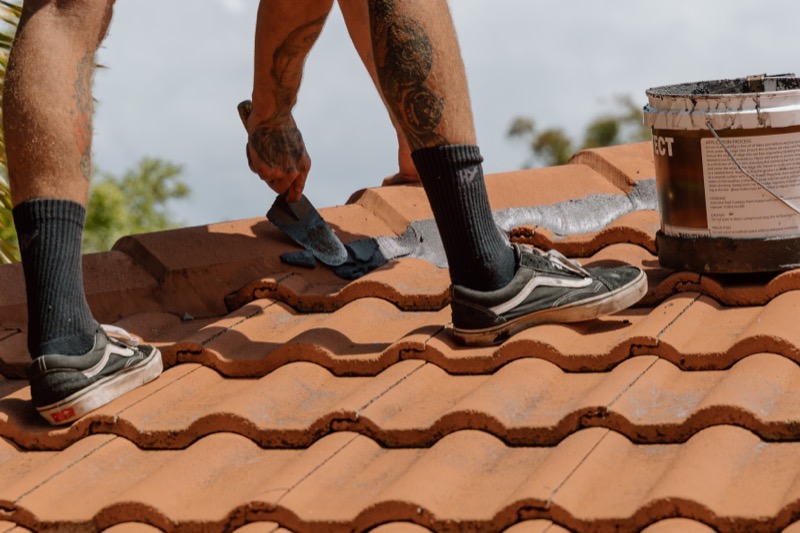
Roof Leaks Around Air Conditioning Unit - Fixes
Roof leaks around air conditioning units are one of the most common roofing problems we encounter on the Gold Coast, affecting approximately 1 in 4 homes with rooftop AC installations. The primary causes include deteriorated flashing seals, improper installation, cracked rubber boots around penetration points, and condensation line blockages. Fixing these leaks typically costs between $350 and $1,500 depending on the severity, though catching them early can save thousands in water damage repairs. Here's everything you need to know about identifying, fixing, and preventing AC-related roof leaks.
Why Air Conditioning Units Cause Roof Leaks
When your air conditioning unit is installed on the roof—a common setup across Queensland homes—it creates what roofing professionals call a "penetration point." Any time you cut through roofing material, whether for an AC unit, vent pipe, or skylight, you're creating a potential entry point for water.
The Gold Coast's subtropical climate makes this particularly problematic. Our combination of intense UV exposure, humidity levels regularly exceeding 70%, and salt-laden coastal air creates the perfect storm for seal degradation. What might last 15 years in a temperate climate often fails within 7-10 years here.
During storm season from November through March, these weakened seals face their ultimate test. Heavy rainfall combined with wind-driven rain can exploit even the smallest gap, sending water cascading into your ceiling cavity.
Common Causes of Roof Leaks Around AC Units
Deteriorated Flashing and Seals
Flashing is the metal sheeting installed around your AC unit to direct water away from the penetration point. Over time, the sealant used to bond flashing to your roof deteriorates under Queensland's harsh UV rays. We regularly see silicone seals that have completely hardened and cracked within just five years of installation.
Improper Original Installation
Unfortunately, not all AC installers understand roofing principles. We've attended countless jobs where units were installed without proper flashing, with inadequate sealant, or positioned in valleys where water naturally pools. A poorly installed unit is virtually guaranteed to leak eventually.
Cracked or Perished Rubber Boots
Rubber boots (also called pipe collars) seal around conduit pipes and refrigerant lines. These rubber components are particularly vulnerable to UV degradation and often crack well before other roofing components fail. On metal roofs, thermal expansion and contraction accelerates this wear.
Blocked Condensation Drain Lines
Your AC unit produces significant condensation—up to 20 litres per day during summer. When the drain line blocks with algae, debris, or sediment, this water backs up and can overflow onto your roof or into the ceiling cavity. This isn't technically a roof leak, but it presents identically.
Rust and Corrosion
Coastal Gold Coast properties face accelerated corrosion from salt air. Metal flashing, screws, and brackets around AC units can rust through, creating gaps where water enters. Properties within 5km of the coastline should expect to replace these components more frequently.
Physical Damage
Storm debris, possums, and general wear and tear can physically damage the seals and flashing around your AC unit. After any significant weather event, it's worth a visual inspection if you can safely access your roof.
DIY Fixes for Minor AC Roof Leaks
Before attempting any DIY repairs, assess whether you can safely access the area. If your roof pitch exceeds 25 degrees or you're uncomfortable with heights, call a professional. Falls from roofs cause serious injuries and fatalities every year in Queensland.
Resealing Minor Gaps
For small gaps around flashing where the old sealant has failed:
- Clean the area thoroughly, removing all old sealant, debris, and oxidation
- Allow the surface to dry completely
- Apply a quality roofing sealant rated for UV exposure and the specific materials involved
- Use a sealant gun for controlled application
- Smooth the bead to ensure complete coverage
- Allow 24-48 hours curing time before rain exposure
Clearing Blocked Drain Lines
If the leak is caused by condensation backup:
- Locate the condensation drain line exit point
- Use a wet/dry vacuum to clear blockages from the exit
- Flush the line with a mixture of warm water and white vinegar
- Consider installing an algae prevention tablet in the drip tray
Temporary Emergency Measures
During a storm, temporary measures can limit damage while you wait for professional repairs:
- Place buckets to catch active drips
- Use waterproof tarpaulins secured over the affected area
- Never attempt roof access during rain or high winds
- Document the damage with photos for insurance purposes
Professional Solutions for AC Roof Leaks
Flashing Replacement
When flashing is corroded, improperly installed, or beyond repair, complete replacement is necessary. A licensed roofing contractor will remove the old flashing, inspect the underlying structure for damage, install new flashing with proper overlap and sealing, and ensure integration with surrounding roof materials. At Radiant Roof Repairs, we use marine-grade materials for coastal properties to extend service life significantly.
Rubber Boot Replacement
Perished rubber boots require complete replacement rather than patching. This involves cutting away the old boot, cleaning the penetration area, fitting a new boot sized correctly for the pipes, and sealing the boot to the surrounding roof material.
Structural Repairs
If water has been entering for an extended period, underlying timber may be rotted or the roofing substrate damaged. Professional assessment can determine whether structural repairs are needed before weatherproofing.
Complete AC Relocation
In some cases, particularly where units were poorly positioned initially, relocating the AC unit may be more cost-effective than repeated repairs. Moving a unit from a valley or low point to a better-drained location eliminates the underlying problem.
When to Call a Professional
While minor resealing is within DIY capability, several situations warrant professional attention:
- The leak has been ongoing and ceiling damage is visible
- You notice sagging or discolouration in ceiling plaster
- Multiple areas around the unit show deterioration
- The flashing is visibly corroded or lifting
- Previous DIY repairs have failed
- Your roof is steeply pitched or difficult to access safely
- The property is multi-storey
Professional roof leak repairs around AC units typically cost between $500 and $1,500 on the Gold Coast. While this might seem significant, it's modest compared to the $5,000-15,000 cost of repairing water-damaged ceilings, insulation, and electrical systems that result from ignored leaks.
Prevention Tips for Gold Coast Homeowners
Annual Inspections
Schedule annual roof inspections, ideally before storm season begins in November. A qualified inspector will check all penetration points, including around AC units, for early signs of seal failure.
Regular Maintenance
Keep your AC condensation line clear by flushing it with vinegar solution every three months during peak usage periods. Clear debris from around the unit to prevent dam effects that pool water.
Quality Installation
When installing a new AC unit, ensure your installer either has roofing experience or partners with a licensed roofing contractor. The cost of proper installation is far less than remediation later. Radiant Roof Repairs regularly works alongside HVAC installers across the Gold Coast, Brisbane, and Sunshine Coast to ensure penetrations are correctly weatherproofed from day one.
Prompt Attention to Warning Signs
Don't ignore water stains, musty smells, or increased humidity in rooms below the AC unit. Early intervention prevents small problems becoming expensive disasters.
Consider Roof Coatings
For older roofs with multiple penetration points, a complete roof restoration including protective coatings can extend roof life while addressing multiple potential leak points simultaneously. Restoration costs between $2,500 and $8,000 but provides comprehensive protection.
Frequently Asked Questions
How much does it cost to fix a roof leak around an AC unit?
Minor seal repairs cost between $350 and $600, while more extensive work involving flashing replacement or structural repairs ranges from $800 to $1,500. Costs vary based on roof type, accessibility, and extent of damage. Getting multiple quotes from QBCC licensed contractors ensures fair pricing.
Can I claim AC-related roof leak repairs on insurance?
Generally, gradual deterioration and maintenance issues aren't covered. However, if the leak resulted from storm damage, your policy may cover repairs. Document the damage thoroughly and contact your insurer promptly. Keep receipts for any emergency measures you implement.
How do I know if the leak is from my AC unit or somewhere else?
AC-related leaks typically appear directly below or within a metre of the unit's ceiling location. The leak often worsens when the AC is running due to condensation, or during rain. A roofing professional can conduct water testing to confirm the source.
Is it safe to run my AC if there's a roof leak around it?
Continued operation isn't recommended as water near electrical components poses safety risks. Additionally, running the unit may worsen condensation-related leaks. Have the leak assessed before resuming normal AC operation.
How long does it take to repair an AC roof leak?
Most repairs take between 2-4 hours once a tradesperson is on-site. More extensive work involving structural repairs may require a full day. Weather conditions can impact scheduling, particularly during storm season.
Why does my roof only leak when the AC is running?
This indicates a condensation drainage problem rather than a roof penetration leak. The drain line is likely blocked, causing condensate to overflow. This is often a straightforward fix involving clearing the blockage and cleaning the drain system.
Should I repair or replace old flashing around my AC unit?
If flashing is more than 10 years old or shows visible corrosion, replacement is usually more cost-effective than repeated repairs. Patching corroded flashing provides only temporary relief and may fail during the next significant weather event.
Can possums cause roof leaks around AC units?
Absolutely. Possums frequently damage rubber boots, dislodge flashing, and disturb seals while traversing roofs. If you have active possum activity, addressing this alongside repairs prevents recurrence. Physical barriers around AC units can help.
How often should seals around roof penetrations be inspected?
Annual inspections are minimum—ideally twice yearly for coastal properties. Before storm season (October-November) and after any significant weather event are optimal timing. Early detection of seal deterioration prevents emergency situations.
What's the best sealant for AC roof leak repairs?
Polyurethane-based sealants rated for UV exposure and suitable for your roof material (metal, tile, or Colorbond) perform best in Queensland conditions. Avoid general-purpose silicone, which degrades quickly under UV exposure. Professional-grade products significantly outlast hardware store alternatives.
Conclusion
Roof leaks around air conditioning units are frustratingly common on the Gold Coast, but they're entirely manageable with proper attention. Whether you're tackling minor seal repairs yourself or engaging professionals for comprehensive solutions, acting promptly prevents minor issues from escalating into major water damage.
Remember that Queensland's climate accelerates wear on all roofing components, making regular inspection and maintenance essential rather than optional. If you're unsure about the severity of a leak or uncomfortable with roof access, professional assessment is always the safest path forward.
For Gold Coast, Brisbane, and Sunshine Coast homeowners dealing with persistent AC-related roof leaks, Radiant Roof Repairs offers obligation-free inspections and quotes. With over 25 years of local experience, we've seen every type of AC installation issue and have the solutions to keep your home dry through whatever weather Queensland delivers. Call us on 0480 855 390 to arrange an assessment.