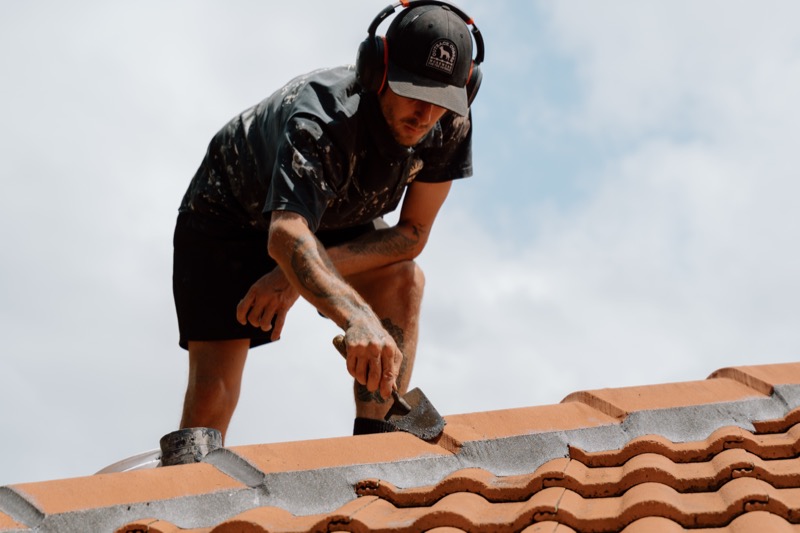
Preparing Your Gold Coast Roof for Cyclone Season
As October rolls around on the Gold Coast, the balmy days and warming temperatures signal more than just the approach of summer. For Queensland homeowners, this time of year marks a critical window—the calm before cyclone season officially begins in November. With over 25 years of experience repairing and restoring roofs across the Gold Coast, Brisbane, and Sunshine Coast, I've witnessed firsthand the devastating impact unprepared roofs suffer when severe weather strikes.
The reality is stark: homes with poorly maintained roofs are up to three times more likely to sustain significant structural damage during cyclonic events. But here's the good news—most cyclone-related roof damage is entirely preventable with proper preparation. This comprehensive guide will walk you through everything you need to know to protect your home and family this cyclone season.
Why Preparing Your Roof NOW Matters
Timing is everything when it comes to cyclone preparation. Once the Bureau of Meteorology issues a cyclone warning, it's often too late to arrange professional roof inspections or repairs. Roofing contractors across South East Queensland experience a surge in emergency calls during storm season, and booking availability becomes extremely limited.
By taking action in October—before cyclone season officially begins on November 1st—you give yourself several crucial advantages:
- Availability of qualified tradespeople: QBCC licensed roofers have more flexibility in their schedules during the pre-season period
- Time for thorough repairs: Complex roofing issues require adequate time to address properly, not rushed emergency fixes
- Better pricing: Emergency storm damage repairs typically cost 30-50% more than planned maintenance work
- Peace of mind: Knowing your roof is secure allows you to focus on other aspects of storm preparation
The Gold Coast's position along the Queensland coast makes it particularly vulnerable to cyclonic weather systems. While we don't experience direct cyclone hits as frequently as our Far North Queensland neighbours, the remnants of cyclones regularly bring destructive winds, torrential rain, and dangerous storm surges to our region.
Understanding Gold Coast Cyclone Season Challenges
Cyclone season in Queensland runs from November through to April, with the peak risk period occurring between January and March. For Gold Coast homeowners, this coincides with our wettest months, creating a perfect storm of roofing challenges.
The Unique Threats to Gold Coast Roofs
Wind Damage: Cyclonic winds don't need to be directly overhead to cause havoc. Wind gusts from systems hundreds of kilometres away can reach speeds exceeding 100km/h on the Gold Coast, enough to lift poorly secured roof tiles, damage ridge capping, and tear off metal sheeting.
Heavy Rainfall: The Gold Coast receives an average of 1,400mm of rainfall annually, with the bulk falling during the wet season. Intense downpours during storm events can expose even minor roof vulnerabilities, leading to water ingress and internal damage.
Salt Air Corrosion: Our coastal location means roofs are constantly exposed to salt-laden air. This accelerates corrosion of metal components, including roof screws, flashing, and guttering—weakening your roof's integrity before storm season even begins.
Humidity and Mould: Queensland's subtropical humidity creates ideal conditions for mould growth and timber deterioration in roof cavities. Compromised timber framing significantly reduces your roof's ability to withstand cyclonic conditions.
Flying Debris: During severe storms, loose objects become dangerous projectiles. Overhanging branches, unsecured outdoor items, and debris from neighbouring properties can cause significant roof damage.
Your Complete Cyclone Season Roof Preparation Checklist
Preparing your roof for cyclone season doesn't have to be overwhelming. Breaking the process into manageable steps ensures nothing gets overlooked. Here's the systematic approach I recommend to all our clients at Radiant Roof Repairs.
Step 1: Visual Inspection from Ground Level
Before climbing any ladders, conduct a thorough visual inspection from the ground using binoculars if necessary:
- Look for cracked, broken, or missing roof tiles
- Check for lifted or displaced ridge capping
- Inspect visible flashing around chimneys, vents, and skylights
- Examine gutters for sagging, rust, or separation from the fascia
- Note any visible moss, lichen, or debris accumulation
- Check for signs of previous repairs that may need attention
Step 2: Gutter and Downpipe Maintenance
Your guttering system is your roof's first line of defence against water damage:
- Clear all leaves, debris, and sediment from gutters
- Flush downpipes to ensure they're free-flowing
- Check gutter brackets and ensure secure attachment
- Inspect for rust spots or corrosion, particularly in older galvanised systems
- Verify downpipes direct water away from your home's foundation
- Consider installing gutter guards if you have overhanging trees
Step 3: Roof Surface Assessment
For those comfortable working at heights (and with appropriate safety equipment), or through a professional inspection:
- Test roof tiles for stability—loose tiles should be re-bedded immediately
- Check pointing (the mortar between tiles) for cracks or deterioration
- Inspect metal roofing for lifted screws, rust patches, or damaged seams
- Examine valley gutters for debris accumulation and proper water flow
- Assess the condition of all flashing and ensure watertight seals
- Look for signs of pest damage, particularly from possums or birds
Step 4: Roof Cavity Inspection
Don't neglect what's happening beneath your roof surface:
- Check for daylight penetration indicating gaps or holes
- Look for water stains suggesting past or present leaks
- Inspect timber framing for signs of rot, termite damage, or structural weakness
- Ensure insulation hasn't shifted or become water-damaged
- Verify exhaust fans and ventilation systems are properly sealed
Step 5: Surrounding Property Assessment
- Trim overhanging tree branches to at least 2 metres from your roof
- Secure or store loose outdoor items that could become projectiles
- Check that TV antennas, satellite dishes, and solar panels are firmly attached
- Inspect any roof-mounted equipment for secure fastening
Warning Signs Your Roof Needs Immediate Attention
Some roofing issues can wait until your next scheduled maintenance. Others demand immediate action, especially with cyclone season approaching. Here are the red flags that should prompt an urgent call to a QBCC licensed roofing professional:
Critical Warning Signs
Active Leaks: Any water entering your home through the roof requires immediate attention. Even small leaks can indicate significant underlying damage and will worsen dramatically during heavy storms.
Sagging Roof Sections: A sagging roofline suggests structural compromise in the supporting timbers. This is a serious safety concern that could lead to partial or complete roof collapse under storm conditions.
Multiple Missing or Damaged Tiles: While a single cracked tile might seem minor, multiple damaged tiles indicate your roof's waterproofing membrane is compromised and vulnerable to wind-driven rain.
Rusted or Corroded Flashing: Flashing failures are one of the most common causes of storm-related water damage. If your flashing shows significant rust or has separated from roof surfaces, replacement is essential.
Lifting Ridge Capping: Ridge caps are particularly vulnerable to wind uplift. If you notice caps lifting or the mortar bedding crumbling, this area needs urgent re-pointing before storm season.
Widespread Moss or Lichen Growth: Beyond being unsightly, extensive biological growth retains moisture against roof surfaces, accelerating deterioration and adding weight that stresses your roof structure.
Signs of Previous Storm Damage
Many Gold Coast homes still carry unrepaired damage from previous storm events. Look for:
- Patched areas that appear different from surrounding roofing
- Mismatched tiles or roofing materials
- Water stains on interior ceilings or walls
- Warped or discoloured ceiling plaster
- Musty odours suggesting hidden moisture problems
What to Do If You Discover Roof Problems
Discovering roofing issues before cyclone season is actually good news—you've found them in time to take action. Here's how to proceed:
For Minor Issues
Small problems like a single cracked tile or minor gutter cleaning can sometimes be handled by capable DIYers. However, always prioritise safety:
- Never work on your roof alone
- Use appropriate safety equipment including harnesses when required
- Avoid roof work in wet or windy conditions
- Know your limits—if you're uncertain, call a professional
For Moderate to Major Issues
Any roofing work beyond basic maintenance should be handled by qualified professionals. In Queensland, this means engaging a QBCC licensed roofing contractor who carries appropriate insurance coverage.
When you contact a roofing professional:
- Describe the issues you've observed in detail
- Provide photos if possible
- Ask about their availability for pre-cyclone season work
- Request a written quote before any work commences
- Verify their QBCC license number
For Emergency Situations
If you discover an active leak or significant structural concern:
- Place buckets or containers to catch water and protect your belongings
- Document the damage with photos and videos for insurance purposes
- Contact your insurance company to report the issue
- Arrange emergency tarping if necessary to prevent further water ingress
- Schedule urgent professional repairs
Professional Roof Inspection: What to Expect
A professional pre-cyclone roof inspection is one of the best investments Gold Coast homeowners can make. Here's what a comprehensive inspection from a company like Radiant Roof Repairs typically includes:
The Inspection Process
External Assessment: A thorough examination of all external roof surfaces, including tiles or metal sheeting, ridge capping, valleys, flashing, and penetrations.
Gutter System Evaluation: Complete inspection of gutters, downpipes, and roof drainage components.
Structural Review: Assessment of visible roof framing, checking for signs of movement, deterioration, or pest damage.
Internal Examination: Inspection of the roof cavity where accessible, looking for leaks, insulation issues, and ventilation problems.
Detailed Report: A comprehensive written report documenting findings, including photographs and prioritised recommendations.
Professional Repair Costs
Understanding typical repair costs helps you budget appropriately:
- Minor repairs (tile replacement, re-pointing, gutter cleaning): $500 - $1,500
- Moderate repairs (flashing replacement, valley repairs, multiple tile work): $1,500 - $4,000+
- Roof restoration (complete surface treatment, repointing, repainting): $2,500 - $8,000+
- Gutter replacement: $500 - $5,000+ depending on home size and material choice
- Complete roof replacement: $19,999 - $45,000+ depending on roof size and materials
Remember, addressing issues proactively almost always costs less than emergency repairs after storm damage occurs.
When to Call a Professional vs DIY
Knowing when to tackle roof maintenance yourself versus calling in the experts is crucial for both safety and effectiveness.
Suitable for DIY (with appropriate safety measures)
- Clearing debris from accessible gutters at single-storey height
- Visual inspections from ground level
- Trimming vegetation away from roof areas
- Cleaning up around downpipe outlets
- Basic exterior inspections using binoculars
Always Call a Professional
- Any work requiring roof access on two-storey homes
- Tile repairs, replacement, or re-bedding
- Flashing repairs or replacement
- Ridge capping work
- Structural repairs or modifications
- Leak investigation and repair
- Work near power lines or electrical installations
- Any situation where you feel uncertain or unsafe
Cyclone Season Roof Preparation FAQs
When should I start preparing my roof for cyclone season?
The ideal time to prepare your Gold Coast roof for cyclone season is September through October. This gives you adequate time to identify issues, schedule professional inspections, and complete any necessary repairs before the official cyclone season begins on November 1st. Waiting until a cyclone warning is issued typically means professional services are overwhelmed with emergency calls, and you may not be able to secure timely assistance.
How often should I have my roof professionally inspected?
For Gold Coast homes, I recommend professional roof inspections at least annually, ideally in late winter or early spring before storm season. Homes over 20 years old, properties with large overhanging trees, or roofs that have previously sustained storm damage should consider six-monthly inspections. The cost of regular inspections is minimal compared to the expense of undetected damage worsening over time.
What are the most vulnerable parts of my roof during a cyclone?
The most vulnerable areas include ridge capping (which can lift under wind pressure), roof edges and corners (where wind forces are concentrated), flashing around penetrations like chimneys and vents, and any areas with existing damage or deterioration. Valley gutters are also vulnerable as they can become blocked with debris during storms, causing water to back up under tiles.
How much does cyclone preparation for a roof typically cost?
Basic preparation including gutter cleaning and minor maintenance typically costs between $300-$600. If your roof requires repairs such as tile replacement, re-pointing, or flashing work, expect costs between $500-$4,000 depending on the extent of work needed. A full pre-cyclone inspection from a QBCC licensed contractor typically ranges from $200-$400 and provides a detailed assessment of your roof's condition.
Will my insurance cover cyclone damage to my roof?
Most comprehensive home insurance policies cover storm and cyclone damage. However, insurers may reduce or deny claims if they determine the damage resulted from lack of maintenance rather than the storm event itself. This is why pre-cyclone preparation and regular maintenance are so important—they help ensure valid claims and may even reduce your premiums. Always review your policy details and contact your insurer if you're uncertain about coverage.
Can I prepare my roof for cyclones myself?
Basic preparation tasks like clearing gutters, trimming overhanging branches, and conducting visual inspections can be done by homeowners comfortable with these activities. However, any actual roof repairs, work at height on two-storey buildings, or tasks requiring specialised equipment should always be performed by qualified professionals. In Queensland, roofing work must be carried out by QBCC licensed contractors to ensure compliance with building codes and safety standards.
What should I do if I notice a roof leak before a cyclone?
An existing leak will almost certainly worsen significantly during a cyclone. Contact a QBCC licensed roofing contractor immediately to assess and repair the issue. In the meantime, place containers to catch water, move valuable items away from the affected area, and document the leak with photos. If a cyclone is imminent before repairs can be completed, emergency tarping may provide temporary protection, but this should be done by professionals due to safety risks.
How do I know if my roof is cyclone-rated?
Queensland building standards require roofs in cyclonic regions to meet specific wind resistance ratings. Homes built after 1982 in designated cyclonic areas should comply with these standards. For older homes or properties in non-designated areas, a structural assessment by a qualified professional can determine your roof's wind resistance capabilities. Even compliant roofs require regular maintenance to maintain their rated performance.
Are metal roofs or tiled roofs better for cyclone resistance?
Both metal and tiled roofs can perform excellently in cyclonic conditions when properly installed and maintained. Metal roofs, when correctly fastened with appropriate screws at required intervals, offer excellent wind resistance and are lighter, reducing structural load. Tiled roofs provide superior protection against debris impact and perform well when tiles are properly bedded and pointed. The key factor is condition and maintenance rather than material choice.
What emergency supplies should I have for roof damage during a cyclone?
Keep the following items accessible during cyclone season: heavy-duty tarps (at least 6x8 metres for emergency covering), duct tape and waterproof tape, buckets and containers for catching water, torches with fresh batteries, your insurance policy documents, contact details for your roofing contractor and insurance company, and photos of your roof in good condition for comparison purposes.
Conclusion: Protect Your Home This Cyclone Season
Preparing your Gold Coast roof for cyclone season isn't just about protecting your property—it's about ensuring the safety of your family and the security of your most valuable asset. The time you invest in October could save you thousands of dollars in emergency repairs and countless hours of stress when severe weather strikes.
The steps outlined in this guide—from visual inspections to professional assessments, from gutter maintenance to addressing warning signs—form a comprehensive approach to cyclone preparation. Remember, the best time to discover and address roofing issues is well before you need your roof to perform at its best.
At Radiant Roof Repairs, we've helped thousands of Gold Coast, Brisbane, and Sunshine Coast families prepare their homes for Queensland's demanding storm seasons. Our QBCC licensed team brings over 25 years of local experience to every inspection and repair job, ensuring your roof is ready to weather whatever this cyclone season brings.
Don't wait for the first storm warning. Contact a qualified roofing professional today and give yourself—and your roof—the best possible preparation for the months ahead.
Need a pre-cyclone roof inspection? Contact Radiant Roof Repairs on 0480 855 390 to schedule your assessment. We service the Gold Coast, Brisbane, and Sunshine Coast regions with comprehensive roofing solutions backed by QBCC licensing and decades of local expertise.