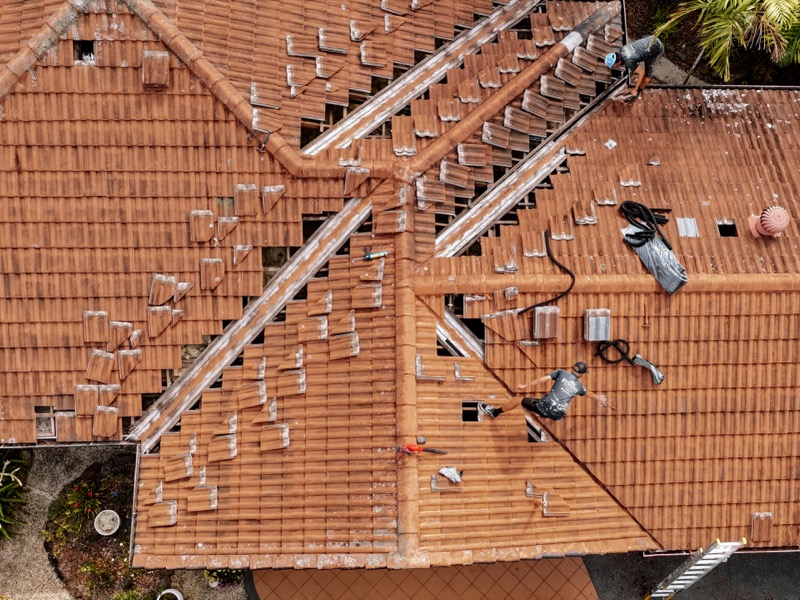
Roof Collapsed - What Should I Do?
If your roof has collapsed, your immediate priorities are safety and damage control. First, evacuate everyone from the building and call emergency services (000) if anyone is trapped or injured. Do not re-enter the property until it's been assessed by professionals. Contact your insurance company within 24 hours to begin your claim, then arrange for a QBCC licensed roofing contractor to perform an emergency assessment. Most roof collapses in Queensland result from severe storm damage, termite infestation, or prolonged structural neglect, with repair costs typically ranging from $4,000 to $45,000+ depending on the extent of damage.
Understanding the Severity of a Roof Collapse
A roof collapse is one of the most serious structural emergencies a homeowner can face. Whether it's a partial cave-in affecting one section or a complete structural failure, the situation demands immediate action and professional intervention.
On the Gold Coast and throughout Southeast Queensland, roof collapses often occur during our intense storm season between November and April. The combination of cyclonic winds, heavy rainfall, and large hail can overwhelm roofing structures, particularly those that haven't been properly maintained or were already compromised.
The structural integrity of your entire home depends on your roof. When it fails, walls can shift, electrical systems become hazardous, and water damage can spread rapidly through the building. Understanding what to do in these critical first hours can mean the difference between a manageable repair and a complete rebuild.
Immediate Steps After a Roof Collapse
Step 1: Ensure Everyone's Safety
Your first priority is human safety. Get everyone out of the building immediately, including pets. If someone is trapped under debris, call 000 for emergency services—do not attempt to move heavy structural materials yourself, as this could cause further collapse.
Once outside, move well away from the building. Damaged structures can continue to shift and collapse, and falling debris poses an ongoing risk. Account for all family members and neighbours who may have been affected.
Step 2: Do Not Re-Enter the Building
This is crucial advice that many homeowners ignore in their urgency to retrieve valuables or assess damage. A partially collapsed roof indicates significant structural compromise. What appears stable could give way without warning.
Wait until a qualified structural engineer or QBCC licensed builder has assessed the property before entering. This typically takes 24-48 hours but is essential for your safety.
Step 3: Document the Damage
From a safe distance, photograph and video the damage from multiple angles. This documentation is vital for your insurance claim. If possible, capture:
- The overall extent of the collapse
- Any visible causes (fallen trees, storm damage, visible rot)
- Damage to surrounding structures
- The date and time stamps on your photos
Step 4: Contact Your Insurance Company
Most home insurance policies require notification within 24-48 hours of a major incident. Call your insurer's emergency line and provide:
- Your policy number
- A description of the damage
- The circumstances of the collapse
- Your contact details for the assessor
Keep detailed records of all communications, including names, reference numbers, and times of calls.
Step 5: Arrange Professional Assessment
Contact a QBCC licensed roofing contractor for an emergency structural assessment. At Radiant Roof Repairs, we provide comprehensive damage assessments that document the full extent of structural compromise—essential for accurate insurance claims and repair planning.
Common Causes of Roof Collapse in Queensland
Severe Storm Damage
Queensland's subtropical climate brings intense weather events that test even well-maintained roofs. The Gold Coast averages 8-10 significant storms per year, with wind gusts regularly exceeding 90 km/h during severe events. These storms can:
- Lift and remove roof sheeting
- Break or shift roof trusses
- Drive rain into compromised areas, adding weight and causing rot
- Send debris crashing through roofing materials
Termite Infestation
Southeast Queensland has one of Australia's highest termite activity rates. These silent destroyers can hollow out roof trusses and support beams over months or years, leaving the timber structurally unsound while appearing normal from the outside. By the time visible damage appears, significant structural compromise has often already occurred.
Water Damage and Rot
Our humid subtropical climate accelerates timber decay when moisture penetrates the roof structure. Blocked gutters, damaged flashing, or cracked tiles allow water ingress that gradually weakens structural timbers. Over time, this can lead to catastrophic failure.
Age and Neglect
Most Queensland roofs have a functional lifespan of 20-50 years depending on materials and maintenance. Roofs that exceed their expected lifespan without proper care become increasingly vulnerable to failure. Signs of an aging roof include:
- Sagging roof lines
- Multiple areas of damaged or missing tiles/sheeting
- Visible rust on metal components
- Interior water stains or mould growth
Excessive Load
Roofs are engineered to handle specific weight loads. Accumulated debris, poorly planned solar panel installations, or water pooling from blocked drainage can exceed these limits. During storms, saturated roof cavities can add hundreds of kilograms of unexpected weight.
Professional Solutions for Roof Collapse
Emergency Stabilisation
The first professional intervention focuses on preventing further collapse and protecting the property from weather damage. This typically involves:
- Temporary bracing of damaged structural elements
- Emergency tarping to prevent water ingress
- Removal of immediate hazards
- Assessment of structural integrity
Structural Assessment and Engineering Reports
A comprehensive assessment determines whether the roof can be repaired or requires complete replacement. This involves examining:
- The condition of roof trusses and rafters
- Bearer and joist integrity
- Connection points and fixing systems
- The extent of secondary damage to walls and ceilings
For insurance claims, a detailed engineering report provides the documentation needed to support your claim value.
Repair vs. Replacement
The extent of damage determines whether repair or replacement is more appropriate:
Repair (typically $4,000-$15,000): Suitable when damage is localised and surrounding structure remains sound. Individual trusses can be sistered or replaced, and roofing materials restored.
Partial Replacement ($15,000-$30,000): Required when significant sections are compromised but portions of the roof structure remain viable.
Complete Replacement ($19,999-$45,000+): Necessary when structural damage is widespread or the existing roof was already near end-of-life. While costly, this option provides an opportunity to upgrade to more resilient materials and modern building standards.
When to Call for Professional Help
For a roof collapse, professional help isn't optional—it's essential. However, understanding when to call different professionals helps streamline your response:
Call 000 (Emergency Services) if:
- Anyone is trapped or injured
- There's risk of electrical hazard
- Gas lines may be affected
- The structure is actively collapsing
Call your insurance company within 24 hours for:
- Claim initiation
- Emergency accommodation if needed
- Approval for emergency repairs
Call a QBCC licensed roofing contractor for:
- Structural assessment
- Emergency tarping and stabilisation
- Repair quotations and scope of works
- Insurance claim documentation support
The team at Radiant Roof Repairs works directly with insurance assessors to ensure your claim accurately reflects the full scope of required repairs. With over 25 years of experience handling storm damage across the Gold Coast, Brisbane, and Sunshine Coast, we understand the documentation insurers require.
Prevention Tips: Protecting Your Roof from Collapse
Regular Professional Inspections
Schedule comprehensive roof inspections every 2-3 years, or annually if your roof is over 15 years old. Professional inspections identify developing problems before they become emergencies. Inspection costs of $200-$400 are minimal compared to collapse repair bills.
Maintain Your Gutters and Drainage
Blocked gutters cause water to back up under roof edges and pool in valleys. Clean gutters at least twice yearly—before storm season in October and after autumn leaf fall in May. Ensure downpipes are clear and direct water away from the building.
Address Storm Damage Promptly
After any significant storm, inspect your roof from ground level for visible damage. Missing tiles, lifted sheeting, or damaged ridge capping should be repaired promptly before the next weather event causes further damage.
Termite Prevention and Monitoring
Install termite monitoring stations around your property and maintain annual termite inspections. If you notice any signs of termite activity—mud tubes, hollow-sounding timber, or discarded wings—arrange immediate professional assessment.
Trim Overhanging Trees
Branches overhanging your roof create multiple risks: physical damage during storms, accumulated debris blocking gutters, and moisture retention promoting rot. Maintain a 2-metre clearance between trees and your roof line.
Don't Ignore Warning Signs
Early intervention prevents collapse. Warning signs that demand immediate professional attention include:
- Sagging or uneven roof lines
- Cracked or bowing ceilings
- Doors and windows that stick (indicating structural movement)
- Visible light through the roof from inside
- Water stains spreading across ceilings
Frequently Asked Questions
How much does it cost to repair a collapsed roof in Queensland?
Roof collapse repair costs vary significantly based on the extent of damage. Minor structural repairs with localised damage typically range from $4,000-$15,000. Major repairs or partial replacement usually cost $15,000-$30,000, while complete roof replacement ranges from $19,999-$45,000+. These figures can increase for complex roof designs, difficult access, or when asbestos removal is required.
Will my insurance cover a roof collapse?
Most comprehensive home insurance policies cover roof collapse caused by storms, fallen trees, or accidental damage. However, collapse due to lack of maintenance, gradual deterioration, or termite damage is typically excluded. Review your policy's Product Disclosure Statement or contact your insurer to understand your specific coverage.
Can I stay in my house after a partial roof collapse?
Generally, no. Even partial collapse indicates structural compromise that makes the building potentially unsafe. Your local council may issue an emergency order requiring evacuation. Your insurance policy may cover temporary accommodation costs—check with your insurer immediately.
How long does roof collapse repair take?
Emergency stabilisation and tarping can be completed within 24-48 hours. Full repairs typically take 2-6 weeks depending on the extent of damage, material availability, and weather conditions. Complete roof replacement usually requires 1-3 weeks of actual construction work, plus time for permits and material ordering.
Should I repair or replace my roof after a collapse?
This depends on the extent of structural damage and the roof's pre-collapse condition. If the collapse affected isolated areas and the remaining structure is sound, repair may be appropriate. However, if the roof was already aging or damage is widespread, replacement often provides better long-term value. A qualified roofing contractor can assess your specific situation and recommend the most appropriate approach.
What are the signs that my roof might collapse?
Warning signs include visible sagging in the roof line, cracked or bowed ceilings, doors and windows that suddenly stick or won't close properly, creaking or popping sounds from the roof structure, and water stains spreading across ceilings. If you notice any of these signs, arrange immediate professional inspection.
Can I do any temporary repairs myself after a roof collapse?
We strongly advise against entering a building with a collapsed roof. If you must protect the interior from weather and can safely access the area from outside, temporary tarping may be appropriate. However, structural repairs should only be performed by licensed professionals. Improper temporary fixes can void insurance claims and create additional hazards.
How do I find a reputable roofing contractor for collapse repairs?
Look for contractors with current QBCC licensing, comprehensive insurance, and proven experience with structural repairs. Request references from similar projects, and be wary of contractors who demand large upfront payments or offer quotes significantly below market rates. Radiant Roof Repairs holds all required licensing and insurance, with over 25 years of experience serving Gold Coast, Brisbane, and Sunshine Coast homeowners.
Will a roof collapse affect my home's resale value?
A properly repaired roof collapse shouldn't significantly impact resale value, provided repairs were completed by licensed contractors to current building standards. Keep all documentation including engineering reports, council approvals, and completion certificates. Some buyers may actually value the knowledge that structural repairs have been professionally completed and documented.
How can I prepare for Queensland storm season to prevent roof damage?
Pre-storm preparation should include professional roof inspection, gutter cleaning, trimming overhanging branches, securing loose items that could become projectiles, and checking that your insurance coverage is adequate and current. After any significant storm, conduct a visual inspection from ground level and arrange professional assessment if you notice any damage.
Conclusion
A roof collapse is a serious emergency that requires immediate professional response. Your priorities are ensuring everyone's safety, documenting the damage, contacting your insurance company, and engaging qualified professionals for assessment and repair.
While the experience is undoubtedly stressful, Queensland homeowners have access to excellent professional support. With proper insurance coverage and the right roofing contractor, most roof collapses can be resolved efficiently, restoring your home to a safe and secure condition.
If you're dealing with a roof collapse or are concerned about your roof's structural integrity, contact Radiant Roof Repairs on 0480 855 390. Our QBCC licensed team provides comprehensive assessments and works closely with insurance companies to ensure your claim reflects the true scope of required repairs. Serving the Gold Coast, Brisbane, and Sunshine Coast, we're here to help restore your peace of mind.
*Article by Daniel Morrison, QBCC Licensed Roofing Specialist with over 25 years of Gold Coast experience.*