Roof Coating Options Compared: A Complete Gold Coast Guide
Choosing the right roof coating for your Queensland home is one of the most important decisions you'll make as a property owner. With our unique coastal climate—featuring intense UV radiation, salt-laden air, subtropical humidity, and increasingly severe storm seasons—the coating you select can mean the difference between a roof that lasts decades and one that deteriorates prematurely.
In this comprehensive guide, I'll walk you through every major roof coating option available to Gold Coast homeowners. Drawing on over 25 years of experience working on roofs from Coolangatta to the Sunshine Coast, I'll explain the pros and cons of each coating type, help you understand which options suit different roof materials, and provide the practical knowledge you need to make an informed decision.
Whether you're considering a full roof restoration, dealing with an aging metal roof, or simply wanting to extend the life of your existing roofing system, this guide will give you the clarity you need.
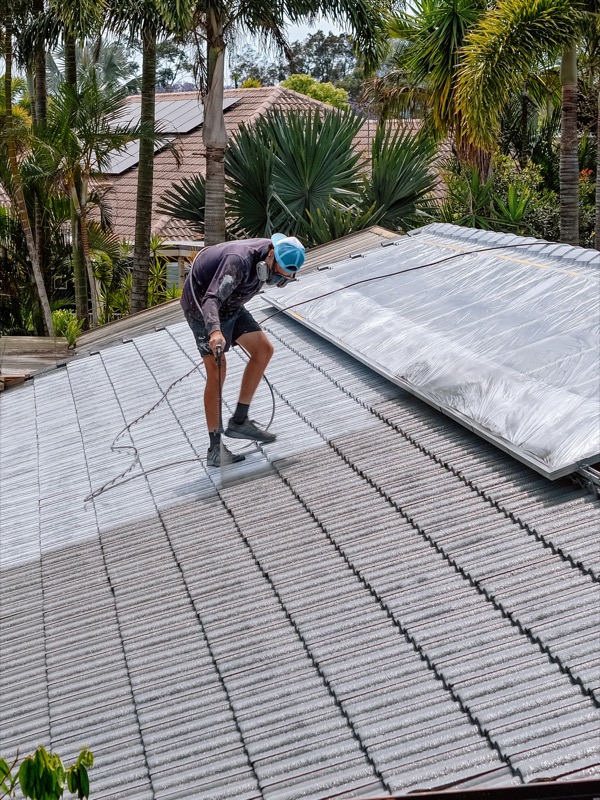
Understanding Roof Coatings: What They Are and Why They Matter
Roof coatings are specialised liquid-applied membranes that form a protective barrier over your existing roof surface. Unlike paint, which primarily serves an aesthetic purpose, roof coatings are engineered to provide genuine protection against the elements while extending your roof's serviceable life.
Here on the Gold Coast, roof coatings serve several critical functions:
- UV Protection: Queensland receives some of the highest UV radiation levels in the world. Quality roof coatings contain UV stabilisers that prevent degradation of underlying roof materials.
- Waterproofing: A properly applied coating creates a seamless membrane that prevents water infiltration, crucial during our wet season storms.
- Thermal Regulation: Reflective coatings can significantly reduce heat absorption, lowering your cooling costs during our long, hot summers.
- Corrosion Prevention: For metal roofs, coatings provide a barrier against the corrosive effects of salt air and humidity.
- Aesthetic Restoration: Coatings restore faded, weathered roofs to like-new appearance without the cost of full replacement.
The right coating, professionally applied, can extend your roof's life by 10-15 years—a significant return on investment when you consider that full roof replacement on the Gold Coast typically ranges from $19,999 to $45,000 or more.
Acrylic Roof Coatings: The Versatile All-Rounder
Acrylic roof coatings are water-based products that have become the most popular choice for residential roof restorations across South East Queensland. Their versatility, ease of application, and excellent performance in our climate make them a go-to option for many homeowners.
How Acrylic Coatings Work
Acrylic coatings form a flexible, breathable membrane that adheres to various roof substrates. They cure through water evaporation, leaving behind a durable film that can expand and contract with temperature changes—essential in Queensland where roof surface temperatures can swing from 20°C overnight to over 70°C on summer afternoons.
Best Applications for Acrylic Coatings
- Concrete and terracotta tiles: Acrylics penetrate and seal porous tile surfaces exceptionally well
- Metal roofing: When applied over appropriate primers, acrylics provide excellent adhesion and protection
- Fibro and asbestos cement: Acrylics encapsulate these materials safely while providing weather protection
- Previously painted surfaces: Compatible with most existing coatings after proper preparation
Advantages of Acrylic Coatings
- Cost-effective: Generally the most affordable professional coating option, with full roof restoration using quality acrylics typically ranging from $2,500 to $6,000 depending on roof size and condition
- Wide colour range: Available in virtually any colour, allowing you to update your home's appearance
- Reflective options: Light-coloured acrylics can reduce roof surface temperatures by up to 20°C
- Low VOC formulations: Modern acrylics are environmentally friendly with minimal odour
- Recoatable: Can be refreshed with additional coats every 10-15 years
Limitations to Consider
- Weather-dependent application: Cannot be applied in rain or when rain is imminent—a real consideration during our unpredictable storm season
- Limited ponding water resistance: Not ideal for flat roofs where water may pool
- Multiple coats required: Typically needs 2-3 coats for optimal performance
- Quality varies significantly: Cheap hardware store acrylics bear no comparison to commercial-grade products
Gold Coast Performance Expectations
In our coastal environment, quality acrylic coatings from reputable manufacturers typically last 10-12 years before requiring maintenance. Properties within 500 metres of the ocean may see slightly reduced lifespans due to salt exposure. At Radiant Roof Repairs, we've found that proper surface preparation is the single biggest factor in acrylic coating longevity—shortcuts here will always come back to haunt you.
Silicone Roof Coatings: Premium Protection for Demanding Conditions
Silicone roof coatings represent the premium end of the coating market. These single-component, moisture-cure products offer superior performance characteristics that justify their higher price point for many applications.
The Science Behind Silicone Coatings
Unlike acrylics, silicone coatings cure through reaction with atmospheric moisture rather than water evaporation. This creates an extremely stable, weather-resistant membrane with unique properties that make it ideal for specific situations.
Where Silicone Coatings Excel
- Flat and low-slope roofs: Silicone's exceptional ponding water resistance makes it the go-to choice for commercial and residential flat roofs
- High-UV environments: Silicone is inherently UV-stable and won't chalk or degrade under intense sun exposure
- Coastal properties: Excellent resistance to salt air corrosion
- Previously coated roofs: Can often be applied over existing coatings with minimal preparation
Advantages of Silicone Coatings
- Superior UV resistance: Maintains flexibility and appearance for 15-20+ years
- Ponding water tolerance: Will not break down when submerged—critical for flat roofs during heavy rain events
- Single-coat application: Often achieves required thickness in one application, reducing labour costs
- Excellent adhesion: Bonds tenaciously to metal, concrete, and most existing roof coatings
- Permanently flexible: Won't become brittle over time like some cheaper alternatives
Limitations to Consider
- Higher material cost: Typically 40-60% more expensive than acrylic alternatives
- Limited colour options: Generally available in white, grey, and tan only
- Dirt pickup: Silicone surfaces can attract dirt and algae, though this is aesthetic rather than functional
- Specialist application: Requires experienced applicators for optimal results
- Not recoatable with other products: Future maintenance must use compatible silicone products
Gold Coast Pricing and Performance
A silicone coating system for a standard Gold Coast home typically adds $1,500-$3,000 to the cost compared to acrylic alternatives. However, the extended lifespan and reduced maintenance requirements often make this investment worthwhile, particularly for flat-roofed properties or homes in exposed coastal locations.
Polyurethane Roof Coatings: Maximum Durability for High-Traffic Areas
Polyurethane coatings offer the highest abrasion resistance and impact durability of any roof coating type. While less commonly used for residential whole-roof applications, they're invaluable in specific situations.
Understanding Polyurethane Options
Polyurethane coatings come in two main types:
- Aromatic polyurethanes: More affordable but require a UV-protective topcoat as they'll chalk and degrade under sun exposure
- Aliphatic polyurethanes: UV-stable and colour-retentive, but significantly more expensive
Ideal Applications
- Walkable roof areas: Rooftop entertaining areas, access paths to air conditioning units, solar panel arrays
- High-traffic commercial roofs: Where regular foot traffic occurs
- Areas prone to hail damage: Superior impact resistance
- Over spray foam insulation: The standard coating system for SPF roofing
Advantages of Polyurethane Coatings
- Exceptional durability: Withstands foot traffic, hail, and physical impact better than any alternative
- Strong adhesion: Bonds effectively to virtually any clean, prepared surface
- Fast curing: Returns to service quickly after application
- Chemical resistance: Resists degradation from bird droppings, tree sap, and atmospheric pollutants
Limitations to Consider
- Highest cost: Premium pricing puts whole-roof application out of reach for many budgets
- Application complexity: Two-component products require precise mixing and experienced applicators
- Moisture sensitivity during cure: Must be applied to dry substrates in suitable conditions
- Limited breathability: Can trap moisture in some substrates if not properly assessed
When to Consider Polyurethane on the Gold Coast
For most residential applications, polyurethane is best reserved for specific high-wear areas rather than whole-roof coverage. The exception is homes with rooftop decks or frequent roof access requirements, where the durability premium is justified.
Elastomeric Roof Coatings: Flexibility for Challenging Substrates
Elastomeric coatings are characterised by their exceptional flexibility and elongation properties. The term "elastomeric" refers to any coating that can stretch significantly without breaking—typically 300-600% elongation compared to 10-20% for standard paints.
How Elastomeric Coatings Differ
While many acrylic and silicone products have elastomeric properties, dedicated elastomeric coatings are specifically formulated for maximum flexibility. This makes them ideal for roofs that experience significant thermal movement or have existing cracking issues.
Best Applications
- Cracked concrete tile roofs: The flexibility bridges existing cracks and prevents new ones from allowing water entry
- Older metal roofs with movement: Accommodates expansion and contraction without cracking
- Parapet walls and flashings: Areas prone to stress cracking
- Mixed-substrate roofs: Where different materials meet and move at different rates
Advantages of Elastomeric Coatings
- Crack-bridging ability: Can span cracks up to 3mm and accommodate ongoing movement
- Self-healing properties: Minor punctures and scratches often close themselves
- Excellent waterproofing: Creates a truly seamless membrane
- Long-term flexibility: Maintains stretch properties for the coating's entire lifespan
Limitations to Consider
- Surface preparation critical: Flexibility won't compensate for poor adhesion
- Thickness requirements: Must be applied at greater thickness than standard coatings to achieve rated flexibility
- Not a structural repair: Cannot fix underlying roof damage, only protect sound substrates
Ceramic and Heat-Reflective Coatings: Combating Gold Coast Heat
With Gold Coast summers regularly pushing into the high 30s and roof surface temperatures exceeding 70°C, heat-reflective coatings have become increasingly popular among homeowners looking to improve comfort and reduce energy bills.
The Technology Behind Heat Reflection
Heat-reflective coatings work through two mechanisms:
- Solar reflectance: Light-coloured coatings reflect a significant portion of incoming solar radiation back into the atmosphere
- Thermal emittance: Quality reflective coatings efficiently radiate absorbed heat, preventing it from transferring into the building
Ceramic coatings take this further by incorporating hollow ceramic microspheres that create an insulating barrier while enhancing reflectivity.
Measured Benefits
Independent testing has demonstrated that quality heat-reflective coatings can:
- Reduce roof surface temperatures by 20-40°C compared to dark, non-reflective surfaces
- Lower ceiling temperatures by 5-10°C
- Reduce air conditioning energy consumption by 10-30%
- Extend the life of roofing materials by reducing thermal stress
Best Applications
- Metal roofs: Where heat transfer to the building interior is most direct
- Homes without ceiling insulation: Maximum benefit where other insulation is lacking
- West-facing roof sections: Where afternoon sun creates the greatest heat load
- Properties with high cooling costs: Where energy savings will offset coating costs
Cost-Benefit Analysis for Gold Coast Homes
A quality heat-reflective coating system typically costs $500-$1,500 more than standard alternatives for an average home. With Gold Coast electricity prices and our extended cooling season, payback periods of 3-5 years are achievable for suitable properties. Beyond direct energy savings, the improved comfort and reduced HVAC system wear provide additional value.
Choosing the Right Coating for Your Roof Type
Selecting the appropriate coating isn't just about performance characteristics—it must be compatible with your existing roof material. Here's a practical guide to matching coatings with common Gold Coast roof types.
Concrete Tile Roofs
Concrete tiles remain the most common roofing material on the Gold Coast. For these roofs:
- First choice: Acrylic coating system with appropriate sealer/primer
- Alternative: Elastomeric acrylic for tiles with existing cracking
- Budget option: Quality acrylic membrane coat after thorough cleaning
- Typical cost: $2,500-$5,000 for complete restoration including repairs
Terracotta Tile Roofs
Terracotta tiles are more porous than concrete and require specific preparation:
- First choice: Specialised terracotta sealer followed by acrylic topcoats
- Key consideration: Clear sealers preserve natural terracotta appearance; tinted coatings allow colour change
- Caution: Avoid heavy-build coatings that may peel from glazed tiles
Colorbond and Metal Roofs
Metal roofs require coatings that can handle their unique expansion characteristics:
- First choice: Elastomeric acrylic or silicone for maximum flexibility
- For coastal exposure: Silicone provides superior salt resistance
- Critical factor: Primer selection—contact Radiant Roof Repairs for advice on specialty primers for different metal types
- Typical cost: $3,000-$6,000 depending on roof size and condition
Flat and Low-Slope Roofs
Water ponding potential makes coating selection critical:
- First choice: Silicone coating system
- Alternative: Polyurethane with appropriate drainage improvements
- Avoid: Standard acrylics in any area where water may pond for more than 48 hours
Fibro and Asbestos Cement Roofs
These roofs require careful handling and appropriate products:
- First choice: Encapsulating acrylic system designed for asbestos cement
- Critical requirement: Licensed asbestos handling for any work that may disturb fibres
- Benefit: Proper coating encapsulates fibres and extends roof life safely
The Professional Coating Application Process
Understanding what's involved in professional roof coating application helps you evaluate quotes and ensure you're getting quality workmanship.
Stage 1: Inspection and Assessment
Before any coating work begins, a thorough inspection should identify:
- Existing roof condition and any required repairs
- Previous coatings and their compatibility with proposed products
- Areas of particular wear, damage, or concern
- Appropriate coating system selection
Stage 2: Repairs and Preparation
This stage typically represents 50-60% of the total project time and includes:
- Replacing broken or damaged tiles
- Re-bedding and re-pointing ridge caps: Using flexible pointing compounds suited to Queensland conditions
- Treating rust on metal roofs: Rust conversion and priming
- Sealing gaps and penetrations: Around vents, skylights, and antenna mounts
- Pressure cleaning: Removing dirt, moss, lichen, and loose previous coatings
Stage 3: Priming
Proper priming ensures coating adhesion and longevity:
- Sealer/primers penetrate porous substrates and create a stable base
- Specialty primers address specific issues like tannin bleed or rust
- Primer type must be compatible with both substrate and topcoat
Stage 4: Coating Application
Professional application typically involves:
- First coat: Applied generously to achieve complete coverage
- Drying time: Usually 4-24 hours depending on product and conditions
- Second coat: Applied at right angles to first coat for complete coverage
- Third coat: Often applied to high-wear areas and water courses
Stage 5: Quality Assurance
Professional contractors should provide:
- Final inspection documentation
- Warranty documentation specifying coverage and conditions
- Maintenance recommendations for maximum coating life
When to Call a Professional
While understanding roof coatings helps you make informed decisions, application is definitely not a DIY project for most homeowners. Here's when professional help is essential:
Safety Considerations
Roof work is inherently dangerous. Falls from roofs account for a significant portion of serious home maintenance injuries. Professional contractors have:
- Appropriate safety equipment and training
- Insurance coverage for accidents
- Experience working safely at height
Technical Expertise Required
- Product selection: Matching the right coating system to your specific situation
- Surface preparation: The most critical factor in coating success
- Application technique: Achieving correct film thickness and coverage
- Weather assessment: Understanding when conditions are suitable
Licensing Requirements
In Queensland, roof coating work over $3,300 requires a QBCC licensed contractor. This licensing ensures:
- Appropriate insurance coverage
- Financial backing for warranty obligations
- Accountability through the QBCC complaints process
When to Get Multiple Quotes
I always recommend homeowners get at least three quotes for roof coating work. Look for:
- Detailed written quotes specifying products and processes
- QBCC license verification
- Examples of previous work
- Clear warranty terms
- Realistic timeframes
Maintaining Your Coated Roof
Proper maintenance extends coating life and protects your investment.
Annual Inspection Checklist
- Check for any visible coating damage or wear
- Clear gutters and valleys of debris
- Trim overhanging branches that drop leaves or rub the roof
- Look for moss or algae growth in shaded areas
- Inspect flashings and penetrations
Cleaning Recommendations
- Annual gentle wash with garden hose removes surface dirt
- Avoid high-pressure cleaning which can damage coatings
- Treat moss and algae with appropriate products rather than harsh scrubbing
- Never walk on coated roofs unless absolutely necessary
When to Consider Recoating
Signs that maintenance coating may be needed:
- Visible chalking when you rub the surface
- Colour fading beyond aesthetic preference
- Small areas of coating failure
- Approaching end of warranty period
A maintenance coat typically costs 40-60% of the original coating project and extends protection by another 8-12 years.
Frequently Asked Questions
How long does roof coating last on the Gold Coast?
Quality roof coatings professionally applied typically last 10-15 years on the Gold Coast, with premium silicone products potentially lasting 15-20 years. The key factors affecting longevity are product quality, surface preparation, application technique, and ongoing maintenance. Coastal properties within 500 metres of the ocean may experience slightly reduced lifespans due to salt exposure.
What is the best roof coating for Queensland weather?
For most Queensland homes, a quality acrylic coating system provides the best balance of performance and value. However, the "best" coating depends on your specific roof type, condition, and location. Flat roofs benefit from silicone coatings, coastal properties may warrant premium products, and heat-reflective coatings add value in exposed locations. A professional assessment will identify the optimal choice for your situation.
How much does roof coating cost on the Gold Coast?
Roof coating as part of a full restoration typically costs between $2,500 and $8,000 for Gold Coast homes, with most standard homes falling in the $3,500-$5,500 range. This includes cleaning, repairs, priming, and coating application. Factors affecting cost include roof size, condition, access difficulty, and product selection. Premium coating systems add $1,000-$3,000 to base costs.
Can I paint my roof myself to save money?
While technically possible, DIY roof coating is not recommended for several reasons: safety risks from working at height, difficulty achieving proper surface preparation, challenges applying correct coating thickness, and voiding of product warranties. Professional coating also requires QBCC licensing for work over $3,300, meaning DIY work above this threshold is actually illegal. The long-term cost of failed DIY coating often exceeds professional application costs.
How long after coating before my roof is waterproof?
Most acrylic coatings become rain-resistant within 2-4 hours of application under good drying conditions, with full cure achieved within 24-72 hours. Silicone coatings cure through moisture reaction and typically achieve rain resistance within 1-2 hours. However, these times vary significantly with temperature, humidity, and product type. Professional applicators monitor weather forecasts carefully to ensure adequate curing time.
Will roof coating fix my leaking roof?
Roof coating can address some leak sources but is not a universal repair solution. Coatings effectively seal porous tiles, minor cracks, and surface defects. However, leaks from structural damage, failed flashings, or significant substrate deterioration require repairs before coating. A professional inspection will identify whether coating alone will solve your leak or if underlying repairs are needed first.
What's the difference between roof paint and roof coating?
Roof coatings are specifically engineered protective membranes, while roof paint is primarily decorative. Key differences include: coatings are applied at greater thickness (typically 200-400 microns versus 50-100 for paint), coatings contain higher levels of UV stabilisers and waterproofing additives, and coatings maintain flexibility to accommodate roof movement. Using standard paint on your roof will result in premature failure and potentially void any existing warranties.
How do I know if my roof needs coating or replacement?
Roof coating is appropriate when the underlying roof structure remains sound but surface protection has deteriorated. Signs coating may be suitable include: fading colour, minor surface cracking, general weathering, and loss of waterproofing. Signs replacement may be needed include: widespread broken tiles, significant rust perforation on metal roofs, sagging or structural movement, and extensive water damage to roof framing. If you're unsure, a professional inspection can assess whether restoration or replacement is the better investment.
Are heat-reflective coatings worth the extra cost?
For many Gold Coast homes, yes. Heat-reflective coatings typically add $500-$1,500 to project costs but can reduce cooling energy consumption by 10-30%. With our extended cooling season and high electricity costs, payback periods of 3-5 years are achievable. The greatest benefits occur on metal roofs, homes with poor ceiling insulation, and properties with significant west-facing roof areas. Beyond energy savings, reduced roof temperatures also extend coating and roofing material life.
Can any colour roof coating be made heat-reflective?
While light colours inherently reflect more solar radiation, modern technology has improved the reflectivity of darker colours significantly. "Cool roof" pigments reflect infrared radiation while absorbing visible light, allowing darker colours to achieve reasonable reflectivity. However, lighter colours still outperform—a white roof coating might reflect 85% of solar radiation while a "cool" dark grey reflects 40%, compared to just 5% for standard dark colours.
How soon after a new roof should I apply coating?
New concrete tiles should weather for 6-12 months before coating to allow initial curing and efflorescence (salt deposits) to occur and be removed. New Colorbond roofing is factory-finished and shouldn't require additional coating for 10-15 years under normal conditions. Attempting to coat new surfaces too early can result in adhesion failure as the substrate continues to cure and change.
Does roof coating affect my home insurance?
Professional roof coating generally has no negative impact on home insurance and may even be viewed favourably as evidence of property maintenance. However, you should inform your insurer of any significant work, retain documentation of the coating work including warranty information, and ensure the contractor has appropriate insurance coverage. DIY coating work might raise concerns if problems later occur.
What happens to the warranty if I sell my house?
Most professional roof coating warranties are transferable to new owners, which can be a selling point for your property. Ensure you have complete documentation including the warranty certificate, details of products used, and contractor information. Some warranties require formal transfer notification, so check the specific terms. At Radiant Roof Repairs, we maintain records of all work completed and can assist with warranty transfers.
How do I prepare my home for roof coating work?
Before the coating team arrives: move vehicles away from the house to avoid overspray, cover or move outdoor furniture and plants near the house, ensure workers have access to power and water, secure pets inside or away from the work area, and close windows and doors during pressure cleaning. The coating process typically takes 2-4 days depending on roof size and weather, during which some noise and minor disruption should be expected.
Can roof coating be applied over existing coating?
In many cases, yes—but compatibility must be verified. Acrylic coatings can generally be applied over existing acrylics after proper cleaning and preparation. Silicone coatings adhere to most existing coatings but require specific primers in some situations. Some older coatings, particularly oil-based products, may require complete removal before recoating. A professional assessment including adhesion testing determines the appropriate approach for your specific roof.
Conclusion: Making the Right Choice for Your Gold Coast Home
Choosing the right roof coating involves balancing multiple factors: your roof type and condition, your budget, your location, and your long-term plans for the property. There's no single "best" coating—only the best coating for your specific situation.
The key takeaways from this guide:
- Acrylic coatings offer excellent value and performance for most residential applications
- Silicone coatings justify their premium for flat roofs and coastal properties
- Heat-reflective coatings provide genuine energy savings in our Queensland climate
- Surface preparation is the single most important factor in coating success
- Professional application ensures safety, quality, and valid warranties
If you're considering roof coating for your Gold Coast, Brisbane, or Sunshine Coast property, the team at Radiant Roof Repairs is here to help. With over 25 years of local experience and QBCC licensing, we can assess your roof's condition, recommend appropriate coating systems, and deliver professional results that protect your home for years to come.
Contact us on 0480 855 390 for a comprehensive roof assessment and obligation-free quote. We'll help you understand your options and make the right choice for your home and budget.
*Article by Daniel Morrison, QBCC Licensed Roofing Specialist with 25+ years Gold Coast experience.*