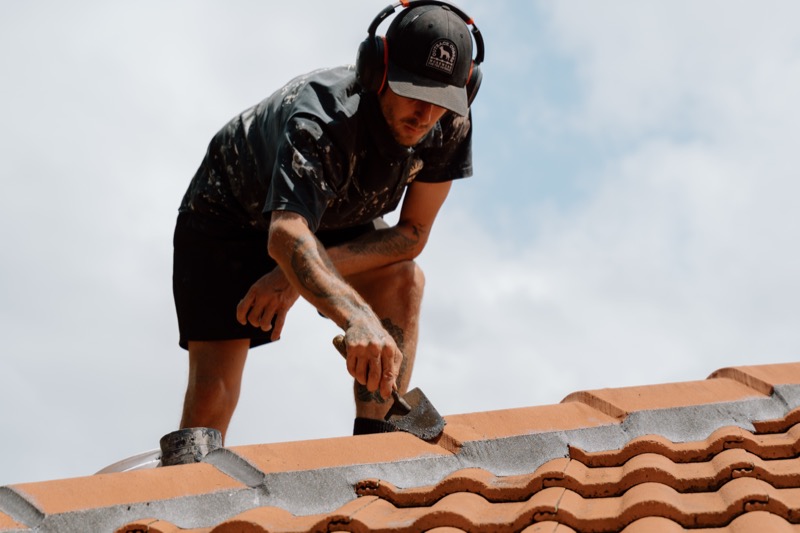
Post-Storm Roof Inspection Checklist (Gold Coast)
Living on the Gold Coast means enjoying one of Australia's most beautiful coastal regions, but it also means preparing for some of the country's most intense weather events. From November through April, our subtropical paradise transforms into a battleground between stunning summer days and powerful storm systems that can wreak havoc on residential and commercial roofs alike.
As a QBCC licensed roofing specialist with over 25 years of experience across the Gold Coast, Brisbane, and Sunshine Coast, I've inspected thousands of roofs in the aftermath of severe weather. What I've learned is that the difference between a minor repair and a major restoration often comes down to one thing: how quickly homeowners identify and address storm damage.
This comprehensive post-storm roof inspection checklist will guide you through everything you need to know to protect your home and your investment after severe weather hits our region.
Why Post-Storm Roof Inspections Matter NOW
Every year, Queensland experiences approximately 40-50 severe thunderstorms, with the Gold Coast and surrounding areas bearing the brunt of many of these weather events. The Bureau of Meteorology consistently ranks Southeast Queensland among Australia's most storm-prone regions, and for good reason.
When a storm passes through, many homeowners breathe a sigh of relief and assume the worst is over. Unfortunately, this is precisely when the real danger begins. Hidden roof damage can lead to:
- Progressive water infiltration that damages ceiling cavities, insulation, and structural timbers
- Mould growth within 24-48 hours in our humid subtropical climate
- Compromised structural integrity that worsens with each subsequent weather event
- Voided insurance claims if damage isn't documented and addressed promptly
- Escalating repair costs that can transform a $500 fix into a $15,000+ restoration
The Gold Coast's unique combination of salt-laden coastal air, intense UV exposure, and high humidity means that even minor storm damage can deteriorate rapidly. What starts as a small crack or lifted tile today can become a significant leak within weeks.
Understanding Gold Coast's Seasonal Storm Challenges
Our region faces distinct weather patterns that create specific roofing challenges throughout the year:
Cyclone Season (November - April)
While direct cyclone hits on the Gold Coast are relatively rare, we frequently experience the outer bands of tropical systems that bring sustained winds of 60-100+ km/h. These conditions are particularly damaging to:
- Ridge capping and hip tiles
- Metal roofing sheets and fasteners
- Gutters and downpipes
- Roof-mounted equipment (solar panels, antennas, air conditioning units)
Wet Season (January - March)
The Gold Coast receives an average of 1,400mm of rainfall annually, with approximately 40% falling between January and March. This concentrated rainfall tests every weakness in your roof's waterproofing system. Common issues include:
- Blocked valleys and gutters causing overflow
- Deteriorated flashing around penetrations
- Cracked or porous tiles allowing water ingress
- Inadequate drainage leading to ponding
Severe Thunderstorm Season (October - March)
Supercell thunderstorms can produce hail up to golf ball size, damaging wind gusts exceeding 125 km/h, and intense rainfall rates of 50-100mm per hour. These events cause the most dramatic and immediate roof damage.
Your Complete Post-Storm Roof Inspection Checklist
Safety First: Pre-Inspection Preparation
Before you begin any roof inspection, prioritise your safety:
- Wait for conditions to clear - Never inspect during ongoing storms or while surfaces are wet
- Check for fallen power lines - Contact Energex immediately if you spot downed lines near your property
- Assess ground-level hazards - Look for broken glass, sharp debris, and unstable structures
- Use proper equipment - Binoculars for initial assessment, sturdy ladder with someone spotting you
- Know your limits - If you're uncomfortable with heights or unsure about roof access, call a professional
Ground-Level Inspection (What You Can Safely Assess)
Start your inspection from the safety of the ground. Walk the perimeter of your home and look for:
Visible Debris and Damage:
- Tiles, shingles, or metal sheets on the ground
- Ridge capping pieces in the yard
- Broken or displaced guttering
- Damaged downpipes or disconnected joints
- Debris accumulation in valleys and gutters (visible from ground level)
Structural Concerns:
- Sagging or uneven roofline
- Leaning chimneys or vents
- Displaced solar panels or mounting frames
- Bent TV antennas or satellite dishes
- Visible holes or gaps in the roof surface
Flashing and Sealing:
- Lifted or missing flashing around roof penetrations
- Gaps between roof and walls
- Deteriorated sealant around skylights
- Exposed nail heads or fasteners
Interior Inspection (Critical Warning Signs)
Move inside your home and check the following areas:
Ceiling Inspection:
- Water stains (brown or yellow discolouration)
- Bubbling or peeling paint
- Sagging ceiling panels
- Visible cracks, especially near ceiling/wall junctions
- Musty odours indicating moisture intrusion
Roof Cavity Check (if safely accessible):
- Daylight visible through the roof
- Wet or damp insulation
- Water trails on rafters or trusses
- Signs of pest intrusion through damaged areas
- Displaced sarking or building wrap
Upper Floor Rooms:
- Moisture on windows not explained by condensation
- Damp patches on walls, particularly near the ceiling
- Warped or swollen door frames
- Unusual humidity levels
External Roof Assessment (Professional or Experienced DIY)
If you're experienced with roof access and conditions are completely dry, you may assess:
Tile Roofs:
- Cracked, chipped, or broken tiles
- Displaced or lifted tiles
- Missing or damaged pointing on ridge caps
- Debris accumulation in valleys
- Blocked weep holes
Metal Roofs:
- Lifted or loose sheets
- Popped or corroded screws
- Dents from hail impact
- Rust spots, especially at cut edges
- Damaged or displaced flashings
Gutters and Drainage:
- Bent, crushed, or detached gutter sections
- Blocked downpipes
- Overflow evidence (staining on fascia)
- Loose or missing gutter brackets
- Debris dams causing water backup
Warning Signs That Require Immediate Professional Attention
Certain damage indicators should prompt an immediate call to a licensed roofing professional:
Emergency Situations
- Active water entry into living spaces
- Visible structural damage to roof framing
- Large sections of missing roofing material
- Sagging roofline indicating potential collapse risk
- Electrical hazards from damaged roof-mounted systems
Urgent (Within 24-48 Hours)
- Multiple displaced or broken tiles
- Significant gutter damage affecting drainage
- Lifted flashing around chimneys or vents
- Hail damage to metal roofing
- Compromised valley flashings
Important (Within 1-2 Weeks)
- Minor tile cracks or chips
- Small areas of lifted pointing
- Cosmetic denting to metal roofs
- Partially blocked gutters
- Minor flashing displacement
What To Do When You Find Storm Damage
Immediate Steps
- Document everything - Photograph all visible damage from multiple angles, including wide shots showing context and close-ups of specific issues
- Prevent further damage - If safe to do so, place buckets under active leaks and move valuables away from affected areas
- Contact your insurer - Most policies require prompt notification of storm damage. Keep your policy number handy and note the date and time of the storm
- Arrange temporary protection - For significant damage, tarping may be necessary to prevent water ingress before permanent repairs can be made
- Get professional assessment - Contact a QBCC licensed roofing contractor for a comprehensive inspection and detailed quote
Working With Insurance
Understanding the insurance claims process can save significant stress:
- Most home insurance policies cover storm damage, but check your Product Disclosure Statement for specific inclusions and exclusions
- Document the storm event (date, time, severity) using BOM records
- Keep all communication with your insurer in writing
- Don't authorise permanent repairs until your claim is assessed, unless emergency work is required to prevent further damage
- Obtain at least two quotes from licensed contractors
When to Call Radiant Roof Repairs
At Radiant Roof Repairs, we understand the urgency that follows severe weather events. Our team of QBCC licensed specialists serves the entire Gold Coast, Brisbane, and Sunshine Coast regions, providing:
- Comprehensive storm damage assessments with detailed photographic reports
- Emergency tarping and temporary repairs to protect your home
- Insurance claim documentation and liaison support
- Full repair and restoration services using quality materials suited to our coastal conditions
With over 25 years of local experience, we've seen every type of storm damage imaginable and understand exactly what it takes to restore your roof to full protection.
Professional Help: What to Expect and Investment Guide
When you engage a professional roofing contractor after storm damage, here's what the process typically involves:
Initial Assessment
A thorough professional inspection takes 1-2 hours and includes:
- Complete external roof examination
- Roof cavity inspection where accessible
- Gutter and drainage system assessment
- Photographic documentation
- Written report detailing findings and recommendations
Typical Repair Investments
Storm damage repairs on the Gold Coast typically fall within these ranges:
- Minor repairs (individual tiles, small flashing repairs): $500 - $1,500
- Moderate repairs (multiple tiles, ridge capping, gutter sections): $1,500 - $4,000+
- Major repairs (significant tile replacement, structural repairs, full gutter replacement): $4,000 - $8,000+
- Full roof restoration (complete repointing, repainting, or recoating): $2,500 - $8,000+
- Roof replacement (when damage is beyond economic repair): $19,999 - $45,000+
Choosing the Right Contractor
Protect yourself by verifying:
- QBCC licence - Essential for all roofing work in Queensland
- Insurance - Public liability and workers compensation coverage
- Local experience - Understanding of Gold Coast conditions and materials
- Written quotes - Detailed scope of work and fixed pricing
- Warranty - Workmanship guarantees in writing
Frequently Asked Questions
How soon after a storm should I inspect my roof?
Wait until conditions are completely safe - typically 24-48 hours after severe weather passes. This allows surfaces to dry and ensures no lingering electrical hazards from damaged infrastructure. However, if you notice active water entry, contact a professional immediately for emergency assessment.
Can I climb on my roof to inspect storm damage myself?
We strongly advise against DIY roof access for most homeowners. Falls from roofs are a leading cause of serious injury in Australia. Instead, conduct thorough ground-level and interior inspections, and use binoculars for closer observation. Leave physical roof inspection to licensed professionals with proper safety equipment.
How long do I have to lodge an insurance claim for storm damage?
Most insurance policies require notification within a "reasonable time" - typically interpreted as within 30 days of the event. However, we recommend contacting your insurer within 48-72 hours of discovering damage. Prompt reporting demonstrates good faith and can expedite the claims process.
What if I can't see any obvious damage after a storm?
Not all storm damage is immediately visible. Hairline cracks in tiles, micro-fractures in sealants, and minor lifting of flashings can go unnoticed but lead to significant problems over time. If your area experienced severe weather (wind gusts over 90 km/h, hail, or intense rainfall), consider scheduling a professional inspection as a precaution.
How much does a professional post-storm roof inspection cost?
Professional roof inspections on the Gold Coast typically range from $150-$350 depending on roof size and complexity. Many roofing contractors, including Radiant Roof Repairs, offer free inspections when you engage them for subsequent repair work. This investment can save thousands by identifying issues before they escalate.
Will my insurance premium increase if I claim for storm damage?
Storm damage claims are generally considered "no-fault" events and may have less impact on premiums than other claim types. However, policies vary, and multiple claims can affect future premiums or coverage. Discuss the specifics with your insurer and weigh the claim value against potential premium increases.
How can I prepare my roof before storm season?
Proactive preparation significantly reduces storm damage risk:
- Schedule a professional inspection before November each year
- Clear gutters and downpipes of debris
- Trim overhanging branches within 2 metres of your roof
- Secure or remove loose items from your roof (antennas, satellite dishes)
- Check and maintain pointing on ridge capping
- Ensure adequate home insurance coverage
What temporary repairs can I safely do myself?
Limited temporary measures from inside your home are generally safe:
- Placing buckets or containers under active leaks
- Moving furniture and valuables away from affected areas
- Using towels to absorb water entry points
Avoid attempting external temporary repairs such as tarping unless you have experience and appropriate safety equipment. Improper tarping can cause additional damage and personal injury.
How do coastal conditions affect storm damage on the Gold Coast?
Salt-laden air accelerates corrosion of metal components, including roofing screws, flashings, and gutters. This means storm damage to metal elements often progresses faster on coastal properties. Additionally, our high humidity levels promote rapid mould growth in areas affected by water intrusion. Both factors make prompt repairs even more critical for Gold Coast homes.
Should I get multiple quotes for storm damage repairs?
Yes, obtaining 2-3 quotes from licensed contractors is advisable for any significant repair work. This ensures competitive pricing and allows you to compare scope of work and materials proposed. However, for emergency repairs needed to prevent further damage, prioritise speed over multiple quotes - you can always seek competitive quotes for permanent restoration work.
Conclusion
Storm events are an unavoidable reality of life on the beautiful Gold Coast. While we can't control the weather, we can control our response to it. A systematic approach to post-storm roof inspection protects your home, your family, and your financial investment.
Remember: the cost of a professional inspection is minimal compared to the expense of undetected damage allowed to worsen over time. Our subtropical climate means water intrusion and subsequent mould growth can occur within days, not weeks.
If you've experienced severe weather and have any concerns about your roof's condition, don't hesitate to contact Radiant Roof Repairs on 0480 855 390. Our experienced team provides comprehensive assessments across the Gold Coast, Brisbane, and Sunshine Coast, helping you navigate the aftermath of storm events with confidence and peace of mind.
Stay safe, stay dry, and remember - when it comes to your roof, early detection and professional intervention are always the smartest investments you can make.
*Daniel Morrison* *QBCC Licensed Roofing Specialist* *25+ Years Gold Coast Experience*