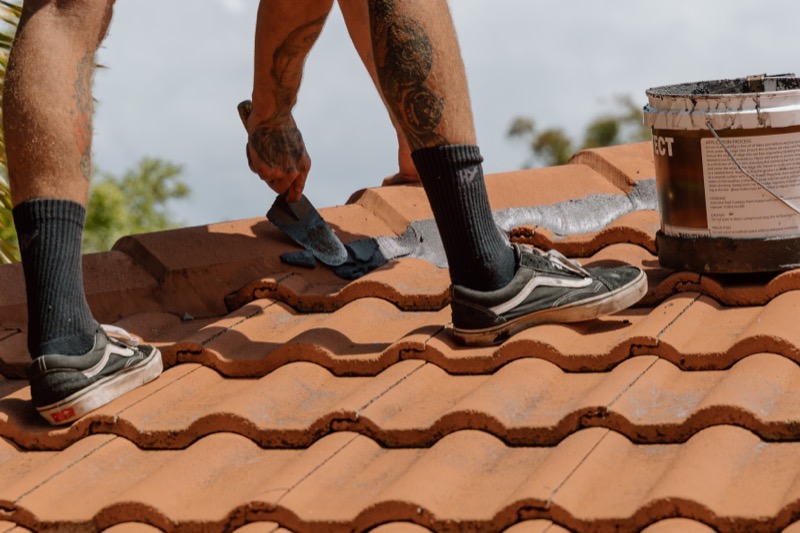
New Roof Already Leaking - What's Wrong?
Discovering your brand-new roof is leaking can be incredibly frustrating and concerning. If your new roof is already leaking, the most likely causes are installation errors, defective materials, improper flashing around penetrations, or inadequate waterproofing. In Queensland, roughly 15-20% of roof warranty claims within the first two years relate to workmanship issues rather than material failures. The good news is that new roof leaks are almost always covered under warranty, and identifying the cause early prevents costly structural damage to your Gold Coast home.
Why Is My New Roof Leaking? Understanding the Problem
A new roof represents a significant investment—typically between $19,999 and $45,000 or more for Gold Coast homes. When that investment starts leaking within months or even weeks of installation, homeowners understandably feel anxious and sometimes angry.
The reality is that new roof leaks, while uncommon with reputable contractors, do occur. Understanding why helps you address the problem effectively and ensures you get the resolution you deserve under Australian Consumer Law and your warranty terms.
In Southeast Queensland, our unique climate adds additional stress to roofing systems. The combination of intense UV exposure, tropical storms, salt-laden coastal air on the Gold Coast, and high humidity creates conditions that quickly expose any installation deficiencies.
Common Causes of New Roof Leaks
1. Installation Errors
Installation mistakes account for the majority of new roof leaks. Common errors include:
- Incorrect nail placement – Nails driven too high, too low, or at wrong angles can create entry points for water
- Improper overlap of roofing materials – Metal sheets or tiles need specific overlap measurements to shed water correctly
- Missing or inadequate sealant – Critical joints and penetrations require proper sealing
- Poor alignment of roofing sheets – Misaligned panels can channel water underneath rather than away
- Rushing the job – Tight deadlines sometimes lead to shortcuts that compromise quality
On the Gold Coast, where afternoon storms can dump 50mm of rain in under an hour, even minor installation errors quickly become apparent.
2. Flashing Problems
Flashing—the metal strips that seal transitions and penetrations—is responsible for a significant percentage of roof leaks. Problem areas include:
- Around skylights – These require meticulous waterproofing
- Chimney and vent penetrations – Multiple layers of protection are essential
- Valley flashings – Where two roof planes meet, water concentrates and flows
- Wall-to-roof junctions – Step and apron flashings must be correctly installed
- Roof edges and eaves – Drip edges prevent water from wicking back underneath
If your contractor used the wrong flashing type, installed it incorrectly, or failed to seal it properly, you'll likely see leaks during the first heavy rain.
3. Defective Materials
While less common than installation issues, defective materials do occasionally cause new roof leaks:
- Manufacturing defects in roofing sheets or tiles – Hairline cracks, pinholes, or coating failures
- Substandard underlayment – The waterproof membrane beneath your roofing material
- Poor-quality sealants that fail prematurely – Especially problematic in Queensland's UV-intense environment
- Incompatible materials – Different metals in contact can cause galvanic corrosion
4. Design Flaws
Sometimes the roof design itself contributes to leaking:
- Insufficient pitch – Roofs with pitches below 10 degrees require special waterproofing considerations
- Complex roof geometry – More valleys, hips, and penetrations mean more potential leak points
- Inadequate drainage – Gutters and downpipes that can't handle Queensland storm intensities
- Poor ventilation design – Can cause condensation that mimics leaks
5. Storm Damage During Construction
If your roof was partially completed when a storm hit, damage may have occurred that wasn't properly addressed:
- Water infiltration into the roof structure before completion
- Debris impact damage to installed materials
- Underlayment exposure to weather beyond recommended timeframes
Solutions for a Leaking New Roof
Immediate Steps (What You Can Do)
- Document everything – Take photos and videos of the leak, including the interior damage and any visible exterior issues. Note the date, time, and weather conditions.
- Minimise interior damage – Place buckets to catch water and move furniture and valuables away from affected areas. This prevents additional damage while you arrange repairs.
- Check your paperwork – Locate your contract, warranty documents, and any correspondence with your roofing contractor.
- Don't attempt DIY repairs – Climbing onto a new roof to attempt repairs yourself may void your warranty and could be dangerous.
Contacting Your Contractor
Your first call should be to the company that installed the roof:
- Request a written response – Ask them to acknowledge the issue in writing
- Set a reasonable timeframe – Most contractors should inspect within 5-7 business days for active leaks
- Keep communication records – Save emails and note phone conversations with dates and times
Under Queensland law and Australian Consumer Law, you have rights to have defective work rectified. A reputable contractor will want to fix the problem promptly to protect their reputation and QBCC licence.
If Your Contractor Is Unresponsive
If your original contractor won't address the issue:
- Lodge a formal complaint in writing – Send via registered post
- Contact QBCC (Queensland Building and Construction Commission) – They regulate licensed contractors and can intervene in disputes
- Seek an independent inspection – A QBCC-licensed roofing specialist like Radiant Roof Repairs can provide an unbiased assessment of the issues and document defects for warranty claims
- Consider your legal options – Queensland Civil and Administrative Tribunal (QCAT) handles building disputes
Professional Repair Options
Once the cause is identified, repairs might include:
- Re-sealing or replacing flashing – $500 to $2,000 depending on extent
- Correcting installation errors – Varies widely based on the problem
- Replacing defective materials – Should be covered under manufacturer warranty
- Installing additional waterproofing – $1,000 to $3,000 for problem areas
For warranty work, you shouldn't bear these costs. If you need to engage a second contractor to fix another's mistakes, keep all receipts for potential recovery through QBCC or legal channels.
When to Get Professional Help
Contact a roofing professional immediately if you notice:
- Active water intrusion during rain – Don't wait for it to get worse
- Water stains on ceilings or walls – Indicates water has penetrated into the structure
- Mould or musty smells – Suggests ongoing moisture problems
- Visible damage to roofing materials – Loose, displaced, or damaged components
- Sagging roof sections – Indicates potential structural damage from water
At Radiant Roof Repairs, we regularly assist Gold Coast homeowners who are experiencing issues with recently installed roofs. Our team can provide independent assessments, document defects for warranty claims, and perform necessary repairs when the original contractor is unavailable or unwilling to help.
Prevention Tips for Future Roofing Projects
While you can't change what's already happened, these tips can help with future roofing work:
Choosing a Contractor
- Verify QBCC licensing – Check the contractor's licence is current and appropriate for the work
- Review their track record – Look for established businesses with verifiable references
- Ask about warranties – Understand both workmanship and material warranties
- Get detailed written quotes – Specify materials, methods, and timeframes
- Check insurance coverage – Public liability and workers' compensation are essential
During Installation
- Request progress photos – Document each stage of the installation
- Schedule weather-appropriate installation – Avoid starting roof work when storms are forecast
- Don't rush the timeline – Quality takes time, especially for complex roofs
- Have a final inspection – Walk through the completed work before final payment
Post-Installation
- Conduct regular inspections – Check your roof seasonally, especially before and after storm season
- Keep gutters clean – Blocked gutters cause water backup and can damage roofing
- Trim overhanging trees – Branches can damage roofing and deposit debris
- Document any issues immediately – The sooner problems are reported, the easier they are to resolve under warranty
Frequently Asked Questions
How soon should I report a leak in my new roof?
Report any leak immediately upon discovery. Under most warranties and Australian Consumer Law, prompt reporting is expected. Document the leak with photos and contact your installer the same day. Delayed reporting can complicate warranty claims and allow additional damage to occur. Most warranties require you to take reasonable steps to prevent further damage.
Will my warranty cover a leaking new roof?
Yes, in most cases. New roofs in Queensland typically come with a minimum 6-year statutory warranty under QBCC requirements for structural work. Leaks caused by installation errors or material defects should be covered. However, leaks caused by external factors (storm damage, debris impact) may fall under your home insurance instead. Review your contract and warranty documents carefully.
Can I get a refund if my new roof keeps leaking?
Under Australian Consumer Law, you're entitled to a remedy for services that aren't provided with due care and skill. For major failures, you can choose between a refund and replacement. For minor failures, the contractor can choose how to remedy the issue. Persistent leaks that can't be properly fixed may constitute a major failure entitling you to a refund.
How long does a roof warranty typically last?
Roofing warranties in Queensland typically include: QBCC statutory warranty of 6 years and 6 months for structural defects, contractor workmanship warranties of 5-10 years, and manufacturer material warranties of 15-50 years depending on the product. Always get warranty terms in writing before work begins.
Should I get an independent inspection of my leaking new roof?
Yes, an independent inspection is highly recommended, especially if your original contractor disputes responsibility or is unresponsive. An independent QBCC-licensed inspector can provide an unbiased assessment, document defects properly, and provide reports suitable for warranty claims or QBCC complaints. Expect to pay $200-$500 for a comprehensive roof inspection.
What are my rights if my roofing contractor won't fix the leak?
Queensland homeowners have several options: lodge a complaint with QBCC who can investigate licensed contractors, pursue the matter through QCAT for disputes up to $25,000, or seek legal advice for larger claims. You can also engage another licensed contractor to fix the issue and seek to recover costs from the original contractor.
How can I tell if a leak is from installation errors or storm damage?
Installation-related leaks typically occur at flashing points, penetrations, or seams and appear during the first few significant rains. Storm damage usually shows visible external damage and corresponds with a specific storm event. An experienced roofing inspector can usually determine the cause by examining leak patterns and external conditions. This distinction matters for determining whether warranty or insurance applies.
How much does it cost to fix a leaking new roof?
If covered under warranty, repairs should be free. If you need to pay for independent repairs, costs vary: flashing repairs typically run $500-$2,000, resealing penetrations $300-$800, and more extensive repairs $2,000-$4,000 or more. At Radiant Roof Repairs, we provide obligation-free quotes and can advise whether costs should be recoverable from your original contractor.
What causes roof leaks around skylights?
Skylight leaks are among the most common roofing issues. Causes include: improper flashing installation, inadequate sealant application, flashing that doesn't extend far enough up under the roofing material, failure to account for thermal movement, and using incompatible sealants. On the Gold Coast, UV degradation of skylight seals is accelerated, requiring quality materials and proper installation.
Can condensation be mistaken for a roof leak?
Yes, condensation is frequently mistaken for leaking. Signs that suggest condensation rather than a leak include: water appearing on clear days, moisture concentrated around exhaust fans or air conditioning, wet spots in multiple locations simultaneously, and problems worsening in humid weather. Proper roof ventilation is essential in Southeast Queensland's humid climate to prevent condensation issues.
Conclusion
A leaking new roof is a serious issue that demands prompt attention, but it's also a problem with clear solutions. Whether caused by installation errors, defective materials, or design flaws, you have rights and options available to you.
Document everything, contact your installer immediately, and don't hesitate to seek independent professional advice if needed. Most reputable contractors will want to resolve issues quickly to protect their reputation and licence.
For Gold Coast homeowners dealing with a leaking new roof and an unresponsive contractor, Radiant Roof Repairs offers independent inspections and expert repairs. With over 25 years of experience in Southeast Queensland roofing, we understand the unique challenges our climate presents and can help ensure your roof performs as it should. Call us on 0480 855 390 for expert advice and assistance.
*Written by Daniel Morrison, QBCC Licensed Roofing Specialist with 25+ years of Gold Coast roofing experience.*