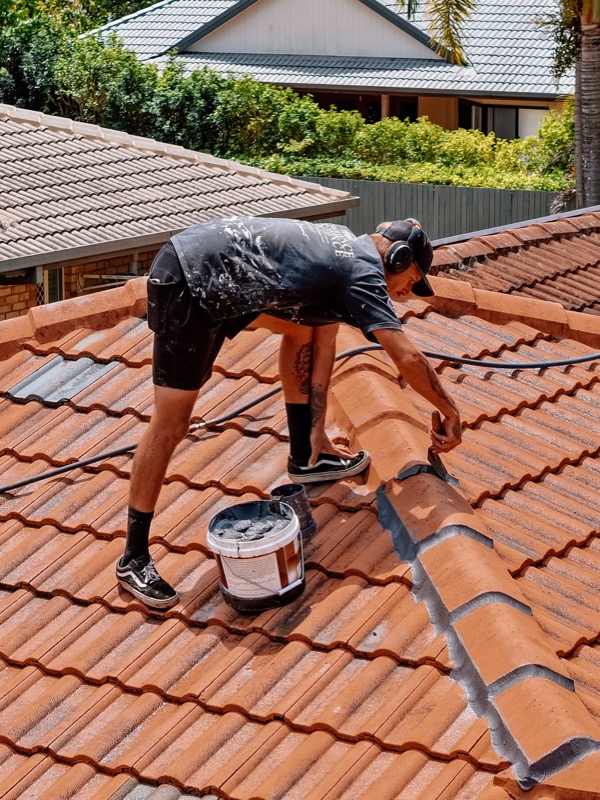
Moss and Lichen on Roof - Removal Guide
Moss and lichen on your roof aren't just unsightly—they're actively damaging your roofing materials. These organisms trap moisture against tiles and metal, accelerating deterioration and potentially causing leaks. On the Gold Coast, our humid subtropical climate creates ideal growing conditions, with moss and lichen appearing on roughly 60% of roofs over 10 years old. Removal involves soft washing with appropriate biocides, gentle scrubbing, and applying preventative treatments. For safety and effectiveness, professional removal typically costs $300-$800 depending on roof size and accessibility.
Why Moss and Lichen Thrive on Gold Coast Roofs
Queensland's unique climate makes our roofs particularly susceptible to organic growth. Understanding why these organisms flourish helps you tackle the problem effectively.
The Perfect Storm of Conditions
The Gold Coast experiences:
- High humidity levels averaging 65-75% year-round
- Warm temperatures rarely dropping below 10°C
- Regular rainfall especially during storm season (November-April)
- Morning dew and coastal moisture from salt air
- Shaded areas from surrounding trees and buildings
These conditions create a breeding ground for moss (which needs consistent moisture) and lichen (a hardy organism combining fungi and algae). North-facing roof sections and areas shaded by trees are particularly vulnerable.
Common Causes of Roof Growth
1. Poor Drainage
Blocked gutters and valleys trap water, keeping roof sections perpetually damp. This standing moisture is moss's best friend.
2. Overhanging Trees
Trees provide shade (reducing the sun's natural sanitising effect), drop organic debris that retains moisture, and release spores that land on your roof.
3. Porous Roofing Materials
Older concrete tiles and terracotta are naturally porous, absorbing moisture and providing textured surfaces where spores can establish themselves.
4. North and South-Facing Slopes
South-facing sections receive less direct sunlight in Queensland, staying damper for longer. Conversely, north-facing sections can accumulate more organic debris.
5. Lack of Maintenance
Roofs left uncleaned for years develop a layer of organic matter that becomes a perfect growing medium for moss and lichen.
The Real Damage Moss and Lichen Cause
Many homeowners assume moss is merely a cosmetic issue. Unfortunately, the damage runs much deeper.
Structural Concerns
- Tile lifting and displacement as moss roots work under edges
- Moisture penetration leading to rotting roof timbers
- Weakened pointing and bedding as lichen acids break down morite
- Blocked water channels causing overflow during heavy rain
- Accelerated deterioration of protective tile coatings
Financial Impact
Left untreated, moss and lichen can reduce your roof's lifespan by 10-15 years. A roof that should last 50 years might need replacement at 35-40 years—potentially costing $25,000-$45,000 in premature replacement costs.
Health and Safety Risks
Moss creates an extremely slippery surface when wet. During Queensland's storm season, homeowners attempting DIY inspections have suffered serious falls. Additionally, extensive organic growth can contribute to mould spores entering your home through the roof cavity.
DIY Moss and Lichen Removal Methods
For minor growth on accessible, single-storey roofs, careful DIY removal is possible. However, safety must come first.
Safety Requirements
Before attempting any roof work:
- Use a sturdy extension ladder secured at the top
- Wear non-slip footwear with good ankle support
- Work only in dry conditions—wet moss is dangerously slippery
- Have someone on the ground as a spotter
- Avoid walking on brittle or damaged tiles
- Consider safety harness systems for pitched roofs
Manual Removal Process
Step 1: Dry Brushing
Using a stiff-bristled brush, gently scrub affected areas to remove loose growth. Always brush downwards (with the tile overlap) to avoid lifting edges.
Step 2: Apply Treatment Solution
Mix one of these solutions:
- Commercial moss killer (follow manufacturer's instructions)
- White vinegar solution (1:1 with water) for light growth
- Oxygen bleach solution (gentler than chlorine)
Avoid chlorine bleach—it can damage tiles, kill surrounding plants, and corrode metal components.
Step 3: Allow Dwell Time
Let the solution sit for 15-30 minutes. Don't let it dry completely.
Step 4: Gentle Rinse
Use a garden hose (not a pressure washer on high settings) to rinse debris into gutters. High-pressure washing can force water under tiles and damage surfaces.
Step 5: Repeat as Needed
Stubborn lichen may require multiple treatments over several weeks as it dies back gradually.
DIY Limitations
DIY methods work best for:
- Light, recent growth
- Accessible single-storey roofs
- Metal roofing in good condition
- Homeowners comfortable with heights
DIY is NOT recommended for:
- Extensive coverage (more than 20% of roof area)
- Steep-pitched roofs (over 25 degrees)
- Multi-storey homes
- Damaged or brittle tiles
- Roofs with complex features (valleys, skylights, multiple levels)
Professional Moss and Lichen Removal
For significant growth, steep roofs, or when safety is a concern, professional removal delivers superior results with proper insurance coverage.
What Professional Treatment Involves
At Radiant Roof Repairs, our moss and lichen removal process includes:
1. Thorough Roof Inspection
We assess the extent of growth, identify any underlying damage, and check for broken tiles, deteriorated pointing, and drainage issues.
2. Soft Washing Technology
Unlike harsh pressure washing, soft washing uses low-pressure application of biodegradable biocides that kill organisms at the root without damaging your roofing materials.
3. Manual Removal of Heavy Growth
Our technicians carefully remove thick moss patches by hand, ensuring tiles aren't lifted or damaged.
4. Treatment Application
Professional-grade fungicides penetrate deep into porous surfaces, killing spores that DIY products often miss.
5. Preventative Coating (Optional)
We can apply protective treatments that inhibit future growth for 2-5 years.
6. Gutter and Valley Cleaning
All debris is removed from gutters and valleys to restore proper drainage.
Professional Removal Costs
Typical pricing for Gold Coast properties:
Prices vary based on roof size, accessibility, pitch, and extent of growth.
When to Seek Professional Help
Contact a licensed roofing professional when:
- Moss covers more than 20% of your roof surface
- You notice tiles lifting or displaced
- There are signs of moisture damage inside (ceiling stains, musty odours)
- Your roof is steep, high, or has complex features
- Previous DIY attempts haven't solved the problem
- Tiles are cracked, broken, or deteriorating
- You're preparing your home for sale (professional cleaning adds value)
Prevention: Keeping Moss and Lichen Away
Once your roof is clean, these strategies help prevent regrowth:
Environmental Management
- Trim overhanging branches to increase sunlight and airflow
- Remove debris regularly (leaves, seed pods, dirt)
- Improve drainage by keeping gutters clear
- Address damp areas by improving ventilation
Zinc or Copper Strips
Installing zinc or copper strips along ridge lines creates a natural moss deterrent. When it rains, trace amounts of metal wash down the roof, creating an inhospitable environment for organic growth. Expect to pay $200-$500 for professional installation.
Protective Coatings
Modern anti-fungal roof coatings provide 2-5 years of protection against moss, lichen, and algae. These are typically applied as part of a roof restoration service.
Regular Maintenance Schedule
The team at Radiant Roof Repairs recommends:
- Quarterly gutter cleaning (especially after storm season)
- Annual roof inspection to catch growth early
- Biennial professional cleaning for properties in high-risk areas
- Immediate attention to any visible growth patches
Queensland Regulations and Considerations
While there's no specific legislation governing moss removal, be aware:
- Water runoff containing chemicals may require management to protect storm drains
- Working at heights regulations apply—falls from roofs are a leading cause of serious injury
- Heritage-listed properties may have restrictions on cleaning methods
- Body corporate rules in units and townhouses may specify approved contractors
Always use licensed, insured professionals who carry appropriate public liability coverage (minimum $10 million recommended).
Frequently Asked Questions
How often should I clean moss from my Gold Coast roof?
For most Gold Coast properties, professional cleaning every 2-3 years keeps moss under control. Homes surrounded by trees or in particularly humid locations may need annual treatment. Regular visual inspections every 6 months help you catch growth early when it's easiest to remove.
Can moss actually cause roof leaks?
Yes, absolutely. Moss holds moisture against your roof surface, and its root-like structures (rhizoids) can work under tile edges, lifting them and creating gaps where water enters. Lichen produces acids that slowly dissolve protective coatings and even the tiles themselves. Over time, this leads to water penetration, especially during heavy Queensland storms.
Is pressure washing safe for removing roof moss?
High-pressure washing can damage tiles, strip protective coatings, and force water under overlapping surfaces. Professional soft washing uses lower pressure (under 500 PSI) combined with appropriate cleaning solutions, which is far safer for your roofing materials. If you must use a pressure washer, keep it on the lowest effective setting and maintain distance from the surface.
What's the difference between moss and lichen on roofs?
Moss is a soft, green plant that thrives in damp, shaded conditions and feels spongy to touch. Lichen is a hardy composite organism (part fungus, part algae) that appears as flat, crusty patches in grey, green, yellow, or orange colours. Lichen is more drought-resistant and often harder to remove. Both cause damage, but lichen's acid production can be particularly harmful to concrete and terracotta tiles.
Will vinegar kill moss on my roof?
White vinegar can kill light moss growth, though it's less effective than commercial products. Mix equal parts vinegar and water, spray on affected areas, and leave for 15-30 minutes before rinsing. Multiple applications may be needed. However, vinegar is acidic and shouldn't be used on metal roofing or near plants you want to keep. For established growth, professional treatment is more effective.
How long does professional moss treatment last?
Professional soft washing with quality biocides typically prevents regrowth for 12-24 months under normal conditions. Adding a protective anti-fungal coating extends this to 3-5 years. Results depend on environmental factors—heavily shaded roofs with overhanging trees may see faster regrowth than sun-exposed surfaces.
Can I paint over moss and lichen instead of removing it?
Never paint over moss or lichen. The organic growth will continue underneath, causing paint to bubble, peel, and fail prematurely. Additionally, the trapped moisture accelerates tile deterioration. Always remove all growth completely and allow the surface to dry before any coating or restoration work.
Does home insurance cover moss damage?
Standard home insurance policies typically don't cover damage from moss and lichen, as this is considered a maintenance issue rather than sudden accidental damage. However, if moss-related deterioration leads to a sudden leak during a storm, the subsequent water damage inside your home may be covered. Check your specific policy and maintain regular roof maintenance to avoid claim disputes.
What time of year is best for moss removal on the Gold Coast?
Late autumn to early winter (May-July) is ideal for moss removal in Southeast Queensland. The weather is typically dry, moss growth slows in cooler temperatures, and you're preparing your roof before the summer storm season. Avoid treatment immediately before rain, as products won't have time to work effectively.
How can I tell if moss has damaged my roof?
Warning signs of moss damage include: tiles that have shifted or lifted at edges, visible cracks or deterioration in tile surfaces, dark staining on ceiling interiors, musty odours in roof cavity areas, increased debris in gutters, and any signs of water entry during rain. If you notice any of these issues, contact Radiant Roof Repairs on 0480 855 390 for a professional assessment before problems worsen.
Conclusion
Moss and lichen on your Gold Coast roof demand attention—not just for appearance, but to protect your home's structural integrity and your investment. While light growth on accessible roofs can be managed with careful DIY methods, significant infestations require professional treatment to ensure complete removal without damaging your roofing materials.
Regular maintenance, proper drainage, and environmental management go a long way in preventing regrowth. For roofs already affected, professional soft washing delivers superior results with the safety and insurance coverage that protects both you and your property.
Don't let moss and lichen shorten your roof's lifespan or lead to costly water damage. Address growth early, maintain your roof regularly, and when in doubt, consult a QBCC licensed professional who understands the unique challenges of Queensland's climate.
*Daniel Morrison is a QBCC Licensed Roofing Specialist with over 25 years of experience serving Gold Coast, Brisbane, and Sunshine Coast homeowners. For expert roof cleaning and restoration services, contact Radiant Roof Repairs on 0480 855 390.*