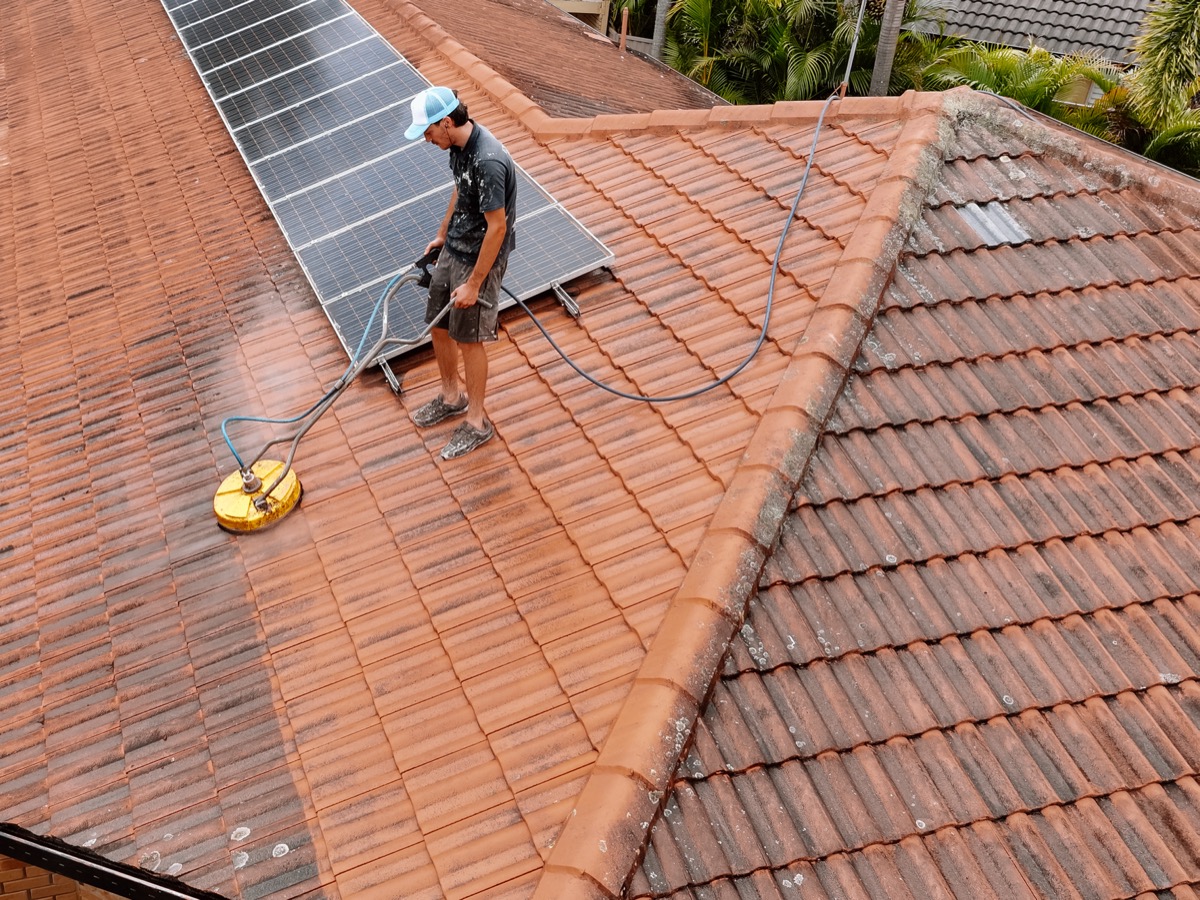
How to Inspect Your Roof Safely
Your roof is your home's first line of defence against Queensland's harsh weather conditions—from the intense summer storms that batter the Gold Coast to the relentless humidity and salt-laden coastal air that can accelerate deterioration. Regular roof inspections are essential for catching minor issues before they become major (and expensive) problems, but safety must always come first.
In this comprehensive guide, you'll learn exactly how to inspect your roof safely, what warning signs to look for, when you can handle issues yourself, and when it's time to call in a licensed professional. Whether you're a first-time homeowner or you've been maintaining properties for decades, this guide will give you the knowledge and confidence to keep your roof in top condition while keeping yourself safe.
Why Regular Roof Inspections Matter in Queensland
Queensland's climate is notoriously tough on roofs. The Gold Coast alone experiences an average of 100 days of rain per year, with the summer storm season bringing intense downpours, damaging hail, and destructive winds that can exceed 100 km/h. Add to this the corrosive effects of coastal salt spray and UV radiation that's among the highest in the world, and you have a recipe for accelerated roof deterioration.
Regular inspections help you:
- Identify damage early before small problems become structural issues
- Extend your roof's lifespan through proactive maintenance
- Maintain your home's value and ensure insurance compliance
- Prevent water damage to ceilings, walls, and belongings
- Save money by avoiding emergency repairs that typically cost 40-60% more than planned maintenance
According to industry data, homeowners who conduct bi-annual roof inspections spend an average of 25% less on roofing costs over a 10-year period compared to those who only address issues reactively.
Essential Safety Equipment for Roof Inspections
Before you even think about climbing onto your roof, you need to have the right safety equipment. Falls from roofs are one of the leading causes of serious injury in Australian homes, and no inspection is worth risking your life.
Personal Protective Equipment (PPE)
- Non-slip footwear: Sturdy boots or shoes with rubber soles that provide excellent grip. Avoid thongs, sandals, or any smooth-soled footwear
- Safety harness and rope: Essential for any pitched roof inspection. Ensure it's rated for your weight plus a safety margin
- Hard hat: Protects against bumps on overhanging structures and falling debris
- Gloves: Leather or heavy-duty work gloves protect your hands from sharp edges, hot metal, and rough surfaces
- Safety glasses: Shield your eyes from debris, dust, and insects
- Knee pads: Make crawling across tiles or metal sheeting more comfortable and safer
Equipment for the Inspection
- Sturdy extension ladder: Must extend at least 1 metre above the roof edge and be rated for your weight
- Binoculars: For ground-level inspection of hard-to-reach areas
- Torch/flashlight: Essential for checking roof cavities and shaded areas
- Camera or smartphone: Document any damage you find for insurance or contractor quotes
- Notepad or voice recorder: Keep track of issues as you find them
- Tape measure: Useful for measuring damaged areas
- Moisture meter: Optional but valuable for detecting hidden water damage
Ground-Level Inspection: The Safe Starting Point
The safest way to inspect your roof is from the ground. You'd be surprised how much you can identify without ever climbing a ladder. Start by walking the perimeter of your home and looking up at your roof from all angles.
What to Look for from the Ground
Overall Appearance
- Are there any obvious areas of sagging or dipping?
- Does the roofline appear straight and level?
- Are there visible gaps or holes?
- Can you see daylight through any sections?
Roof Covering Condition
- For tiled roofs: Look for cracked, broken, or displaced tiles. Check if the tile surface appears faded, chalky, or discoloured
- For metal roofs: Look for rust spots, lifted sheets, or areas where the coating appears worn
- For Colorbond: Check for fading, chalking, or any signs of corrosion at joins and fastener points
Flashing and Penetrations
- Check around chimneys, vents, and skylights for visible gaps or lifted flashing
- Look for rust or deterioration on metal flashings
- Ensure all penetrations appear properly sealed
Gutters and Downpipes
- Are gutters sagging or pulling away from the fascia?
- Can you see debris buildup or plant growth?
- Are downpipes securely attached and directing water away from the foundation?
Vegetation and Debris
- Are there overhanging branches that could damage the roof in a storm?
- Is there moss, lichen, or algae growth visible?
- Can you see leaf litter accumulation in valleys or gutters?
Using Binoculars for Detailed Ground Inspection
A good pair of binoculars allows you to examine your roof in detail without leaving the ground. This is particularly useful for:
- Checking ridge capping for cracks or loose mortar
- Inspecting individual tiles for hairline cracks
- Examining flashing joints and sealant condition
- Spotting early signs of rust on metal components
- Identifying lifting or curling on the edges of roofing materials
At Radiant Roof Repairs, we recommend homeowners conduct a thorough ground-level inspection at least four times per year—ideally at the change of each season—and always after severe weather events.
Ladder Safety: Critical Steps Before Climbing
If your ground-level inspection reveals areas that need closer examination, you may need to use a ladder. However, ladder-related accidents send thousands of Australians to hospital each year, so proper technique is essential.
Choosing the Right Ladder
- Use an extension ladder, not a step ladder, for roof access
- Ensure the ladder is rated for at least 120kg (or your weight plus 20kg for tools and equipment)
- Check the ladder for damage, loose rungs, or corrosion before each use
- Industrial-rated (Type 1) ladders are recommended for roof access
Setting Up Your Ladder Safely
- Choose a firm, level surface: Never place a ladder on soft ground, gravel, or uneven surfaces without proper stabilisation
- Maintain the correct angle: The base should be 1 metre out from the wall for every 4 metres of height (the 4:1 rule)
- Extend above the roofline: The ladder should extend at least 1 metre above the point where you'll step off onto the roof
- Secure the base: Have a helper hold the ladder, use ladder stabilisers, or stake the base to prevent slipping
- Secure the top: If possible, tie the top of the ladder to a secure anchor point
Climbing Safely
- Always maintain three points of contact (two hands and one foot, or two feet and one hand)
- Face the ladder when climbing up or down
- Never carry heavy items while climbing—use a tool belt or haul line
- Don't lean or overreach—move the ladder instead
- Never climb in wet, windy, or stormy conditions
- Wear your safety harness and attach it before stepping onto the roof
On-Roof Inspection Techniques
Once you're safely on the roof, you can conduct a more detailed inspection. However, remember that walking on a roof—especially a tiled roof—can cause damage if done incorrectly.
Walking on Different Roof Types
Tiled Roofs (Concrete or Terracotta)
- Walk on the lower third of each tile where it overlaps and is supported
- Step on the tiles directly above the battens for maximum support
- Move slowly and deliberately—tiles can crack under sudden impact
- Avoid walking on ridge capping or hip tiles
- Be especially careful on older roofs where tiles may be brittle
Metal Roofs (Colorbond, Corrugated Iron, Zincalume)
- Walk on the ribs (raised sections), not the valleys
- Distribute your weight by taking smaller steps
- Be cautious of sheets that may be corroded and weakened
- Metal roofs can be extremely slippery when wet or covered in dew
- Avoid walking on metal roofs in extreme heat—they can exceed 60°C on summer days
Flat or Low-Pitch Roofs
- These are generally safer to walk on but check for soft spots indicating water damage
- Be aware of membrane roofing that can be punctured by sharp objects
- Watch for pooling water which indicates drainage issues
Detailed Inspection Checklist
Roof Surface
- [ ] Check each tile or sheet for cracks, chips, or corrosion
- [ ] Look for loose or displaced components
- [ ] Test ridge capping for secure bedding
- [ ] Examine pointing and mortar for deterioration
- [ ] Check for signs of previous repairs and their condition
Flashings
- [ ] Inspect all metal flashings for rust or corrosion
- [ ] Check that flashings are properly overlapped and sealed
- [ ] Look for gaps between flashings and roof penetrations
- [ ] Examine apron flashings where the roof meets walls
Valleys and Gutters
- [ ] Clear any debris from valleys
- [ ] Check valley irons for rust or holes
- [ ] Inspect gutter condition and secure attachment
- [ ] Verify downpipe connections are watertight
Penetrations and Fixtures
- [ ] Check skylights for cracks or failed seals
- [ ] Inspect whirlybirds and vents for secure mounting
- [ ] Examine TV antenna mounts and cable penetrations
- [ ] Test air conditioning unit mounts and drainage
Common Roof Problems in Gold Coast Homes
Understanding the most common issues helps you know what to look for during your inspection. Gold Coast homes face unique challenges that differ from properties in other parts of Australia.
Storm Damage
The Gold Coast's summer storm season (November to April) brings severe weather that can cause:
- Lifted or displaced tiles: High winds get under roof edges and can lift tiles from their battens
- Cracked tiles from hail: Even small hailstones can crack older terracotta tiles
- Damaged flashings: Wind-driven rain can work its way under poorly sealed flashings
- Fallen debris damage: Branches and flying debris can cause significant impact damage
What to look for: After any significant storm, check for obvious displacement, debris on the roof, and any new leaks inside your home.
Salt Air Corrosion
Properties within 5 kilometres of the coast are subject to accelerated corrosion from salt-laden air. This affects:
- Metal roofing sheets (particularly older galvanised iron)
- Fasteners and screws
- Flashings and gutters
- Ridge capping and fixings
What to look for: White powder or rust on metal surfaces, particularly at joints, fixings, and cut edges.
UV Degradation
Queensland's intense UV radiation breaks down roofing materials faster than in southern states:
- Tile surfaces become porous and absorb water
- Metal roof coatings fade and lose their protective properties
- Rubber seals around penetrations crack and shrink
- Pointing and mortar become brittle and crack
What to look for: Chalky surfaces on tiles, faded Colorbond, cracked sealants, and deteriorating mortar.
Moss and Lichen Growth
The humid subtropical climate creates ideal conditions for biological growth:
- Moss holds moisture against tiles, accelerating deterioration
- Lichen roots can penetrate tile surfaces
- Algae creates slippery surfaces and blocks drainage
- Growth in valleys can impede water flow
What to look for: Green, grey, or black growth, particularly on southern-facing sections that receive less direct sunlight.
Poor Previous Repairs
Unfortunately, many roof problems we see at Radiant Roof Repairs are caused by inadequate previous repairs:
- Silicone used where proper flashing is needed
- Mismatched tiles that don't seal correctly
- Improper bedding of ridge capping
- Inadequate waterproofing around penetrations
What to look for: Visible patches of different-coloured sealant, tiles that don't match, and areas that seem to have been recently worked on.
Inspecting Your Roof Cavity
The roof cavity (attic space) can reveal problems that aren't visible from outside. If your home has a accessible roof cavity, include it in your inspection routine.
Safety Considerations for Roof Cavity Inspections
- Only walk on ceiling joists or installed walkways—never step on the ceiling itself
- Wear a dust mask rated for fibreglass if insulation is present
- Bring adequate lighting—a headlamp leaves your hands free
- Watch for electrical wiring and avoid contact
- Be aware of potential wildlife (possums, birds, snakes in Queensland)
- Ensure adequate ventilation before entering
What to Look for Inside
Water Entry Points
- Daylight visible through the roof
- Water stains on rafters or the underside of roofing
- Damp or rotting timber
- Mould or mildew growth
Structural Issues
- Sagging or damaged rafters
- Cracked or split timber
- Evidence of termite activity (mud tubes, damaged wood)
- Inadequate or damaged bracing
Ventilation
- Condensation on underside of roof
- Musty odours indicating poor airflow
- Blocked vents or inadequate ventilation
Insulation
- Gaps or compression in insulation
- Water damage to insulation material
- Adequate coverage and appropriate R-value for Queensland
When to Call a Professional
While regular homeowner inspections are valuable for early detection, there are situations where professional assessment is essential. Licensed roofing contractors have the training, equipment, and insurance to safely conduct thorough inspections and necessary repairs.
Call a Professional When:
- Your roof is steep (greater than 25 degrees): The risk of falls increases dramatically with pitch
- You're uncomfortable with heights: No inspection is worth a serious injury
- You've identified potential structural damage: This requires expert assessment
- You notice significant water ingress: Finding the source often requires specialist knowledge
- Your roof is more than 15 years old: A professional inspection can identify issues you might miss
- You're buying or selling a property: An independent inspection protects your interests
- Your home has been through a severe storm: Damage may be more extensive than it appears
- You need to make an insurance claim: Professional documentation strengthens your claim
What to Expect from a Professional Inspection
A comprehensive professional roof inspection from a QBCC licensed contractor typically includes:
- Complete external inspection of all roofing materials
- Assessment of flashings, penetrations, and valleys
- Gutter and downpipe evaluation
- Roof cavity inspection (where accessible)
- Detailed written report with photographs
- Recommendations for repairs and maintenance
- Cost estimates for any required work
Professional inspection costs on the Gold Coast typically range from $150 to $350 depending on roof size and complexity. This is a small investment compared to the cost of major repairs that could have been prevented.
Creating a Roof Maintenance Schedule
Regular maintenance extends your roof's lifespan and helps you avoid costly emergency repairs. Here's a recommended schedule for Gold Coast homeowners:
Monthly
- Visual check from ground level
- Clear debris from gutters if accessible
- Check for any obvious damage after storms
Quarterly (Every 3 Months)
- Thorough ground-level inspection with binoculars
- Clean gutters and downpipes
- Trim overhanging branches
- Check for moss or algae growth
Annually (Before Storm Season)
- Comprehensive inspection (DIY or professional)
- Address any repairs identified
- Check and replace deteriorating sealants
- Professional gutter clean
- Consider preventative treatments (moss removal, protective coatings)
Every 5 Years
- Full professional inspection and report
- Assess overall roof condition and remaining lifespan
- Plan and budget for future replacement or restoration
Understanding Roof Repair vs Restoration vs Replacement
Knowing when each option is appropriate helps you make informed decisions:
Roof Repairs ($500 - $4,000+)
Addresses specific problems without full restoration:
- Replacing broken tiles
- Repointing ridge capping
- Fixing flashings
- Patching small areas of damage
Best when: Damage is localised and the overall roof is in good condition.
Roof Restoration ($2,500 - $8,000+)
Comprehensive reconditioning of an aging but structurally sound roof:
- Full clean and moss treatment
- Rebedding and repointing all ridge capping
- Repairing or replacing damaged tiles
- Applying protective coatings
Best when: The roof is 15-25 years old with widespread but repairable deterioration.
Roof Replacement ($19,999 - $45,000+)
Complete removal and installation of new roofing:
- Necessary when damage is structural
- Required when restoration isn't cost-effective
- Opportunity to upgrade materials or design
Best when: The roof is beyond economic repair or you're renovating/extending.
Frequently Asked Questions
How often should I inspect my roof?
For Gold Coast homes, we recommend a thorough ground-level inspection at least four times per year—at the start of each season—plus after any significant storm event. A professional inspection should be conducted annually, particularly before the summer storm season (ideally in September or October).
Can I walk on my roof safely?
Walking on a roof carries inherent risks and should only be done with proper safety equipment including a harness and non-slip footwear. Tiled roofs require particular care as tiles can crack underfoot. If you're uncomfortable with heights or your roof has a steep pitch, it's safer to use binoculars from the ground or engage a professional.
What are the signs that my roof needs immediate attention?
Signs requiring immediate professional attention include: water stains appearing on ceilings, daylight visible through the roof cavity, sagging or dipping sections of roof, multiple cracked or missing tiles, significant rust or corrosion on metal roofing, and any structural damage following a storm.
How do I know if storm damage is covered by insurance?
Most home insurance policies cover storm damage, but you'll need to document the damage thoroughly. Take photos from multiple angles, note the date and time of the storm, and contact your insurer promptly. A professional inspection report strengthens insurance claims and ensures all damage is identified.
Is it safe to inspect my roof in wet conditions?
No. Wet roofs are extremely slippery and dangerous. Even metal roofs with textured surfaces become hazardous when wet. Wait at least 24 hours after rain before conducting any on-roof inspection, and always check for morning dew before climbing up.
How long does a typical roof last on the Gold Coast?
Roof lifespan varies by material: concrete tiles typically last 30-50 years, terracotta tiles 50-70 years, Colorbond steel 25-40 years, and older galvanised iron 15-25 years. However, Queensland's harsh UV exposure and coastal conditions can reduce these figures by 20-30% without proper maintenance.
What's the difference between rebedding and repointing?
Rebedding involves removing old bedding compound and re-setting ridge capping tiles in fresh mortar. Repointing is the application of flexible pointing compound over the bedding to create a waterproof seal. Both are essential maintenance tasks typically needed every 10-15 years on tiled roofs.
Should I remove moss and lichen from my roof?
Yes. Moss and lichen hold moisture against roofing materials, accelerating deterioration. They also create drainage issues in valleys and gutters. Professional moss treatment followed by application of a moss-inhibiting coating is recommended for affected roofs.
How can I tell if my roof needs restoration or replacement?
Generally, if more than 30% of tiles are damaged or if there's structural damage to rafters or battens, replacement may be more economical. A professional assessment can provide accurate cost comparisons. Roofs under 25 years old in reasonable condition are usually candidates for restoration.
What should I do if I find a leak during my inspection?
If you discover a leak, place a bucket to catch water and minimise interior damage. Don't attempt repairs during wet weather. Document the location and take photos for insurance purposes. Contact a licensed roofing professional to properly identify and repair the source—DIY leak repairs often fail to address the actual entry point.
Are there any Queensland regulations about roof work I should know about?
In Queensland, any roofing work valued over $3,300 (including labour and materials) must be performed by a QBCC licensed contractor. Even for smaller jobs, using licensed trades ensures proper insurance coverage and recourse through QBCC if issues arise. Always verify licence status at the QBCC website before engaging any contractor.
How much does professional roof inspection cost?
Professional roof inspections on the Gold Coast typically range from $150 to $350, depending on roof size, complexity, and whether a detailed written report is required. This investment often pays for itself by identifying issues early before they require expensive repairs.
Can I install safety anchor points myself?
No. Safety anchor points must be installed by licensed professionals and certified to Australian Standards (AS/NZS 1891.4). Incorrectly installed anchors can fail under load, resulting in serious injury or death. Professional installation typically costs $150-$300 per anchor point.
What time of year is best for roof repairs on the Gold Coast?
The ideal time for roof repairs and restoration on the Gold Coast is the dry season—April through October. This allows adequate time for repairs and coatings to cure before the summer storm season. Booking in autumn also often means better availability and pricing from contractors.
How do I find a reputable roofing contractor?
Look for QBCC licensed contractors with proven experience in your area. Check online reviews, ask for references, and request detailed written quotes. Ensure they carry current public liability and workers compensation insurance. Be wary of door-knockers offering immediate repairs after storms—reputable contractors don't typically operate this way.
Conclusion
Regular roof inspections are one of the most important maintenance tasks for Gold Coast homeowners. By conducting safe, thorough inspections and addressing issues promptly, you can extend your roof's lifespan, prevent costly water damage, and maintain your home's value.
Remember that safety always comes first. There's no shame in keeping your feet on the ground and using binoculars for your inspection, or calling in the professionals when the job requires specialist skills or equipment.
If you've identified issues during your inspection or would like a professional assessment of your roof's condition, Radiant Roof Repairs offers comprehensive inspections and honest advice based on 25+ years of experience serving the Gold Coast, Brisbane, and Sunshine Coast. Call us on 0480 855 390 to arrange an inspection before the next storm season arrives.
*Daniel Morrison is a QBCC Licensed Roofing Specialist with over 25 years of experience in the Gold Coast roofing industry. He is the owner of Radiant Roof Repairs, serving residential and commercial clients across South East Queensland.*
Need a professional roof inspection? Contact Radiant Roof Repairs on 0480 855 390 or visit [radiantroofrepairs.com.au](https://radiantroofrepairs.com.au) for expert advice and obligation-free quotes.