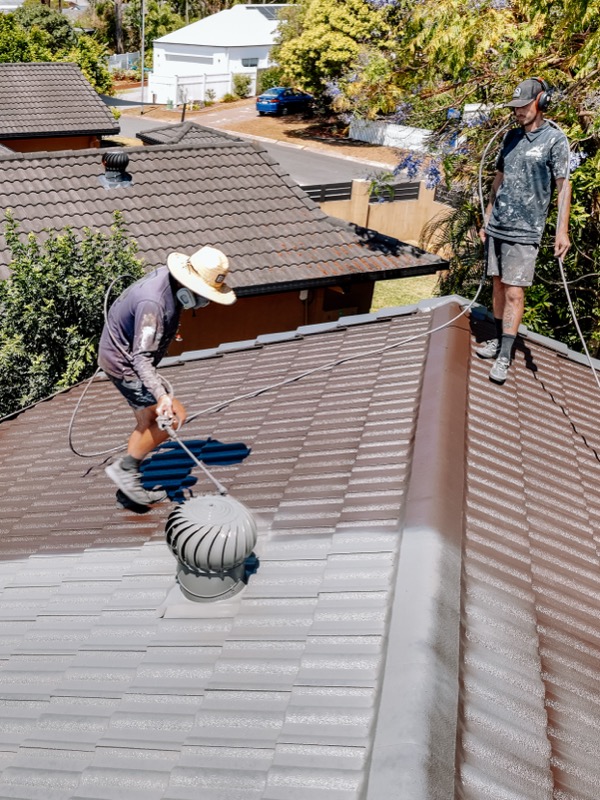
Identifying Gutter Problems Early: A Complete Gold Coast Homeowner's Guide
Your gutters work tirelessly to protect your Gold Coast home from water damage, channelling thousands of litres of rainwater away from your roof, walls, and foundations every year. Yet these essential components often go unnoticed until a serious problem develops—usually during one of Queensland's notorious summer storms when you least expect it.
After 25 years of inspecting and repairing gutters across the Gold Coast, Brisbane, and Sunshine Coast, I've seen firsthand how early detection of gutter problems can save homeowners thousands of dollars in repairs. The subtropical climate we enjoy here in South East Queensland creates unique challenges for gutter systems, from the intense UV exposure that degrades materials to the salt-laden air that accelerates corrosion near coastal suburbs.
In this comprehensive guide, I'll walk you through everything you need to know about identifying gutter problems before they become costly disasters. You'll learn the warning signs to watch for, understand how our local climate affects your gutters, and discover when it's time to call in a professional. Whether you're a first-time homeowner in Robina or have lived in your Burleigh Waters property for decades, this guide will help you protect your investment.
Understanding How Gutters Protect Your Home
Before we dive into problem identification, it's worth understanding exactly what your gutters do and why they're so critical to your home's structural integrity.
Gutters form the first line of defence in your home's water management system. During a typical Gold Coast summer storm, your roof can receive hundreds of litres of water in just minutes. Without properly functioning gutters, this water would cascade directly off your roof, pooling around your foundations, splashing against walls, and potentially finding its way into your home.
A well-maintained gutter system:
- Channels water away from your foundation, preventing erosion and structural damage
- Protects exterior walls and paintwork from water staining and damage
- Prevents soil erosion around garden beds and landscaping
- Reduces the risk of basement or sub-floor flooding
- Helps prevent mould growth in wall cavities
- Protects fascia boards from water damage and rot
In Queensland, where we experience an average annual rainfall of 1,200mm on the Gold Coast—with much of that falling in intense bursts during storm season—your gutters face a demanding workload. Understanding their importance helps you appreciate why regular inspection and early problem detection are so valuable.
The Gold Coast Climate Challenge: Why Local Conditions Matter
Our South East Queensland climate creates specific challenges for gutter systems that homeowners in southern states simply don't face. Understanding these local factors helps you know what to look for during inspections.
Intense Storm Activity
The Gold Coast experiences some of Australia's most intense storm activity, particularly during the summer months from November to March. These storms bring heavy rainfall, strong winds, and sometimes hail—all of which can damage or overwhelm gutter systems. A single severe storm can deposit enough debris to block an entire gutter run, while wind-driven rain can test every joint and seal.
Salt Air Corrosion
If you live in coastal suburbs like Palm Beach, Mermaid Beach, Surfers Paradise, or anywhere within a few kilometres of the ocean, salt-laden air is constantly attacking your metal gutters. This accelerates corrosion significantly compared to inland properties. Galvanised gutters in beachside locations may show rust within 5-10 years, compared to 15-20 years in western suburbs like Nerang or Mudgeeraba.
UV Degradation
Queensland's intense UV radiation doesn't just affect your skin—it also degrades gutter materials. Plastic components, rubber seals, and even painted finishes deteriorate faster here than in cooler, cloudier climates. The UV index on the Gold Coast regularly exceeds 11 during summer, classified as "extreme" by the Bureau of Meteorology.
Subtropical Vegetation
Our lush subtropical environment means more organic debris finding its way into gutters. Eucalyptus leaves, palm fronds, flowering debris from jacarandas and poincianas, and even bat and possum droppings create a constant maintenance challenge. This organic matter combines with moisture to form a sludge that accelerates corrosion and creates blockages.
Humidity and Moisture
The Gold Coast's average humidity of 60-70% means gutters rarely dry out completely during the wet season. This persistent moisture accelerates rust formation, encourages algae growth, and can lead to standing water that attracts mosquitoes—a significant concern given our proximity to areas where mosquito-borne diseases occur.
Warning Signs of Gutter Problems: What to Look For
Identifying gutter problems early requires knowing what to look for. Here's a comprehensive breakdown of warning signs, from obvious to subtle.
Visual Signs You Can Spot from the Ground
You don't need to climb a ladder to notice many gutter problems. Regular ground-level inspections can reveal:
Sagging or Uneven Gutters
Gutters should follow a straight line with a slight fall towards downpipes. If you notice sections that sag, dip, or appear wavy, this indicates failed brackets, rotted fascia, or accumulated weight from debris and standing water. Even a small sag can disrupt water flow and lead to overflow.
Visible Rust or Corrosion
Orange or brown staining visible from the ground indicates active rust. Pay particular attention to joints, corners, and areas around bracket fixings—these are typically the first places corrosion appears. On Colorbond gutters, look for areas where the paint has bubbled or flaked, exposing the metal beneath.
Plants Growing in Gutters
If you can see grass, weeds, or even small shrubs growing from your gutters, you have a serious blockage problem. Seeds germinating in gutters indicate accumulated soil and organic matter that's been present for an extended period.
Peeling Paint or Staining on Fascia
Water consistently overflowing from gutters will damage fascia boards. Look for peeling paint, water staining, or darkened timber along your fascia. This often indicates gutter overflow that's been occurring for some time.
Water Staining on External Walls
Vertical water stains running down external walls below gutter lines suggest overflow or leaking joints. These stains are often more visible on lighter-coloured render or paintwork.
Erosion or Pooling Around Foundations
Check the ground directly below your gutter lines after rain. Erosion channels, pooling water, or splashback patterns on walls indicate water isn't being properly channelled away from your home.
Signs That Require Closer Inspection
Some problems only become apparent when you inspect gutters more closely, either from a ladder or using binoculars:
Separated Joints
Gutter sections are joined together with either pop rivets and sealant or clip-together systems. Look for gaps between sections where the seal has failed. Even small gaps allow water to escape and can indicate structural movement or installation issues.
Loose or Missing Brackets
Gutter brackets should be firmly attached to the fascia, typically spaced 600-900mm apart. Missing brackets or those that have pulled away from the fascia compromise gutter stability and can lead to sagging.
Holes or Cracks
Corrosion, impact damage, or material fatigue can create holes in gutters. These may be small initially but will enlarge over time. Check the bottom of gutter channels, particularly where debris tends to accumulate and hold moisture.
Incorrect Fall
Gutters should slope towards downpipes at approximately 1:500 (roughly 2mm per metre). If water pools in sections rather than flowing towards outlets, the fall may be incorrect or may have changed due to structural movement.
Blocked Downpipes
Check that downpipes are clear by observing water flow during rain. Slow drainage, gurgling sounds, or water backing up in gutters indicates a blockage. Blockages often occur at bends or where downpipes connect to underground drainage.
Internal Signs of Gutter Problems
Sometimes, gutter problems first reveal themselves inside your home:
Ceiling Water Stains
Water stains on ceilings near external walls may indicate gutters overflowing and water penetrating through the roof edge or wall cavity.
Damp Walls
Persistent dampness on internal walls adjacent to external walls can be caused by gutter overflow saturating the wall cavity over time.
Mould Growth
Unexplained mould in corners of rooms or on external walls may be linked to moisture ingress from failing gutters.
Seasonal Gutter Inspection Guide for Gold Coast Homes
Different seasons bring different challenges for your gutters. Here's what to focus on throughout the year.
Spring (September-November): Pre-Storm Season Preparation
Spring is the ideal time for thorough gutter maintenance before the wet season arrives. During this period:
- Clear all debris accumulated over winter
- Check for damage from winter storms
- Test downpipe flow by running water through the system
- Inspect and clean gutter guards if installed
- Check bracket security and tighten any loose fixings
- Clear any vegetation from around downpipe outlets
This is also the best time to schedule professional inspections, as roofing contractors are less busy before storm season.
Summer (December-February): Storm Season Vigilance
During storm season, gutters face their greatest test. Increased inspection frequency is recommended:
- Inspect gutters after every significant storm
- Clear debris promptly to prevent blockages during subsequent rain
- Check for hail damage if hail has occurred
- Monitor for overflow during heavy rain
- Look for new leaks at joints and connections
- Check that downpipes remain clear and functional
Autumn (March-May): Post-Storm Assessment
As storm season winds down, assess any damage that may have occurred:
- Conduct a thorough inspection for storm damage
- Clear accumulated debris before winter
- Repair any damage identified during summer
- Consider whether gutter guards might benefit your property
- Check for any structural movement that may have affected gutter alignment
Winter (June-August): Maintenance Window
While the Gold Coast doesn't experience harsh winters, this drier period offers opportunity for maintenance:
- Schedule repairs and replacements when weather is stable
- Clean and clear debris from reduced rainfall periods
- Check for rust development, particularly on older systems
- Inspect sealants and consider resealing joints
- Plan for any major work needed before the next wet season
Common Gutter Problems and Their Causes
Understanding why problems occur helps you prevent recurrence and identify issues early.
Blockages and Overflow
Causes:
- Accumulated leaf litter and organic debris
- Tennis balls, children's toys, or other objects
- Bird nests
- Moss and algae growth
- Breakdown of previous patching materials
Prevention:
- Regular cleaning (minimum twice yearly)
- Gutter guard installation
- Trimming overhanging branches
- Ensuring adequate downpipe capacity
Rust and Corrosion
Causes:
- Scratches or damage to protective coatings
- Standing water due to incorrect fall
- Salt air exposure (coastal properties)
- Galvanic corrosion where dissimilar metals meet
- Accumulated debris holding moisture against metal
Prevention:
- Regular cleaning to remove debris
- Prompt repair of scratches or coating damage
- Correct installation with proper fall
- Use of compatible metals throughout the system
Sagging and Structural Failure
Causes:
- Failed or inadequate brackets
- Rotted fascia boards
- Weight from debris and standing water
- Incorrect gutter sizing for roof area
- Poor original installation
Prevention:
- Regular debris removal
- Fascia inspection and maintenance
- Adequate bracket spacing
- Professional installation to Australian Standards
Joint Leaks
Causes:
- Sealant failure due to age or UV degradation
- Movement from thermal expansion/contraction
- Building movement
- Impact damage
- Poor original installation
Prevention:
- Use of quality sealants designed for gutters
- Allowance for thermal movement in installation
- Regular inspection and maintenance
- Professional repairs when issues arise
DIY Inspection Checklist
Use this checklist for regular gutter inspections. Aim to complete this assessment at least twice yearly, plus after major storms.
Ground Level Inspection:
- [ ] Walk around your home and visually inspect all gutter runs
- [ ] Note any visible sagging, rust, or damage
- [ ] Check for plants growing in gutters
- [ ] Look for water staining on walls and fascia
- [ ] Check ground around foundations for erosion or pooling
- [ ] Observe gutters during rain if possible
Closer Inspection (ladder or binoculars):
- [ ] Check all joints for separation or leaks
- [ ] Look for rust, particularly at joints and bracket points
- [ ] Assess debris accumulation
- [ ] Check bracket security
- [ ] Verify gutters have proper fall towards downpipes
- [ ] Inspect gutter guards if installed
Downpipe Checks:
- [ ] Ensure all downpipes are securely attached
- [ ] Check for blockages by running water through system
- [ ] Verify downpipes connect properly to stormwater drainage
- [ ] Look for rust or damage on downpipes
- [ ] Check strainer baskets at top of downpipes
Safety Notes:
- Never work on a ladder alone
- Avoid inspecting during or immediately after rain
- Wear appropriate footwear and use ladder safely
- Consider professional inspection if access is difficult
When to Call a Professional
While some gutter maintenance is suitable for handy homeowners, certain situations warrant professional attention. At Radiant Roof Repairs, we recommend calling a licensed professional when:
Safety Concerns
- Your roof is steep or high (single storey and above)
- Access is difficult or requires specialised equipment
- You're uncomfortable working at heights
- The work involves more than simple cleaning
Technical Issues
- Significant rust or corrosion requiring repair or replacement
- Structural problems with fascia or roof edge
- Persistent leaks despite attempted repairs
- Incorrect fall or drainage issues
- Gutter replacement or new installation
- Connection to stormwater systems
Scope of Work
- Multiple problems identified across the system
- Damage affecting large sections of guttering
- Issues potentially linked to roof problems
- Work requiring compliance with Queensland building regulations
Assessment Needs
- You're buying a property and want a professional opinion
- Insurance claim documentation is required
- You want a comprehensive report on gutter condition
- Long-term planning for replacement or upgrade
Understanding Gutter Repair and Replacement Costs
Knowing typical costs helps you budget appropriately and evaluate quotes. In the current Gold Coast market, you can expect:
Gutter Repairs: $500 - $4,000+
- Minor repairs (resealing joints, replacing brackets): $500-$800
- Moderate repairs (patching holes, section replacement): $800-$2,000
- Major repairs (multiple issues, structural work): $2,000-$4,000+
Gutter Replacement: $500 - $5,000+
- Partial replacement (problem sections only): $500-$1,500
- Full replacement (typical home): $2,500-$5,000+
- Price varies significantly based on material choice, roof access, and lineal metres
Factors affecting cost include:
- Material choice (Colorbond, aluminium, zinc)
- Roof height and accessibility
- Gutter profile and size
- Need for fascia repairs
- Disposal of old materials
- Downpipe replacement requirements
Always obtain multiple quotes for significant work, and ensure contractors are appropriately licensed. In Queensland, any building work over $3,300 (including labour and materials) must be performed by a QBCC licensed contractor.
Gutter Maintenance Best Practices
Proactive maintenance extends gutter life and prevents costly problems. Here are best practices for Gold Coast homeowners:
Regular Cleaning Schedule
At minimum, clean gutters twice yearly—once in late spring before storm season and once in autumn after major leaf fall. Properties with significant tree coverage may require quarterly cleaning.
Trim Overhanging Vegetation
Keep tree branches trimmed back from your roof line. This reduces debris accumulation and also removes pathways for possums and other animals that can damage gutters.
Consider Gutter Guards
Quality gutter guards can significantly reduce cleaning frequency and prevent blockages. Options include:
- Mesh guards: Effective for leaves, less so for fine debris
- Solid guards with slots: Good all-round protection
- Foam inserts: Budget option, but less effective long-term
- Professional micro-mesh: Premium protection, higher cost
Gutter guard effectiveness varies, and they're not maintenance-free—they still require periodic cleaning and inspection.
Maintain Proper Drainage
Ensure downpipes connect properly to stormwater drains. Blocked or disconnected stormwater systems negate the benefit of well-maintained gutters.
Address Issues Promptly
Small problems become big problems when ignored. A minor leak that could be repaired for $200 can lead to fascia replacement costing $2,000+ if left unattended.
Professional Assessment: What Radiant Roof Repairs Looks For
When our team at Radiant Roof Repairs conducts a gutter assessment, we examine factors that may not be obvious to homeowners:
- Gutter sizing relative to roof catchment area
- Adequacy of downpipe capacity
- Fall accuracy using laser levels
- Material condition and remaining service life
- Fascia board condition behind gutters
- Roof sheet overlap into gutters
- Compliance with current Australian Standards
- Valley and box gutter conditions (often overlooked)
- Flashing conditions where gutters meet walls
This comprehensive approach identifies not just current problems but potential future issues, allowing for informed planning and budgeting.
Frequently Asked Questions
How often should I clean my gutters on the Gold Coast?
For most Gold Coast properties, we recommend cleaning gutters at least twice yearly—in late spring (October-November) before storm season and in autumn (April-May) after peak leaf fall. However, if you have significant tree coverage or your property is surrounded by eucalypts, paperbarks, or other debris-heavy trees, quarterly cleaning may be necessary. Properties in heavily treed areas like Tamborine, Mudgeeraba, or the hinterland suburbs often require more frequent attention.
What are the signs I need new gutters rather than repairs?
Gutter replacement typically becomes more economical than repair when: multiple sections show significant rust or corrosion; the system has numerous leaking joints; gutters sag in multiple locations; the gutters are undersized for your roof area; or repairs would exceed 50% of replacement cost. Gutters over 20-25 years old in coastal areas or 25-30 years old in inland areas are often approaching end of life and may warrant replacement rather than ongoing repairs.
How much does gutter replacement cost on the Gold Coast?
Gutter replacement costs on the Gold Coast typically range from $500 for partial replacement of problem sections to $5,000+ for a complete system replacement on an average-sized home. Factors affecting price include material choice (Colorbond vs standard zinc), roof height and accessibility, total lineal metres, downpipe requirements, and whether fascia repairs are needed. Always obtain at least three quotes from QBCC licensed contractors for comparison.
Can I repair rusted gutters myself?
Minor surface rust can sometimes be treated with rust converter and touch-up paint as a temporary measure. However, significant rust—particularly holes or structural weakness—requires professional repair or replacement. DIY repairs often fail because underlying issues aren't addressed, water continues to penetrate, and temporary fixes don't last. If rust has penetrated through the metal, professional replacement of the affected section is recommended.
What causes gutters to overflow during rain?
Gutter overflow is typically caused by: blockages from debris accumulation; inadequate gutter size for the roof catchment area; insufficient downpipe capacity; incorrect fall preventing water from reaching downpipes; or blocked downpipes and stormwater connections. During intense Gold Coast storms, even well-maintained gutters may briefly overflow due to sheer rainfall volume—this is normal. However, regular overflow during moderate rain indicates a problem requiring attention.
Are gutter guards worth installing on the Gold Coast?
Gutter guards can be worthwhile for Gold Coast properties, particularly those with significant tree coverage. Quality guards reduce cleaning frequency, prevent blockages, and can extend gutter life by reducing debris-related corrosion. However, they're not maintenance-free—guards still require periodic inspection and cleaning. The value equation depends on your property's specific situation. Properties requiring frequent professional cleaning may find guards pay for themselves within a few years.
How do I know if my gutters are the right size?
Gutter sizing depends on your roof's catchment area and pitch, combined with local rainfall intensity. Standard 115mm quad gutters suit most Gold Coast residential properties, but larger roofs, steep pitches, or properties in high-rainfall areas may require 150mm gutters or additional downpipes. Signs of undersized gutters include regular overflow during heavy rain despite clear gutters, water shooting over the front of gutters during storms, and capacity issues even with adequate fall and clear downpipes.
Should I be concerned about rust spots on my Colorbond gutters?
Yes, rust spots on Colorbond gutters warrant attention. Colorbond is steel with a protective coating—once this coating is compromised, rust can develop. Small spots may be treatable with rust converter and touch-up paint if caught early. However, spreading rust, bubbling paint, or rust at joints often indicates more significant issues. Coastal properties are particularly susceptible due to salt air exposure. Have a professional assess significant rust to determine whether repair or replacement is appropriate.
How long should gutters last on the Gold Coast?
Gutter lifespan on the Gold Coast varies significantly based on material, location, and maintenance. Galvanised steel gutters in coastal areas may last 15-20 years, while the same gutters in western suburbs might last 25-30 years. Colorbond gutters typically last 20-30 years depending on conditions. Aluminium gutters can last 30+ years as they don't rust. Regular maintenance, prompt repairs, and reduced salt exposure all extend gutter life. Gutters on properties within 1km of the beach generally have shorter lifespans due to salt air corrosion.
What should I do if I notice my gutters leaking at the joints?
Joint leaks should be addressed promptly to prevent water damage to fascia boards and walls. Small leaks may be temporarily addressed with gutter sealant as a DIY measure. However, persistent leaks or leaks at multiple joints indicate system-wide sealant failure and usually require professional attention. The underlying cause—whether age, movement, or installation issues—needs to be identified to prevent recurring problems. Don't ignore joint leaks, as the water damage they cause to fascia and wall cavities far exceeds the cost of repair.
How can I tell if my downpipes are blocked?
Signs of blocked downpipes include: water backing up in gutters during rain; slow drainage after rain stops; water overflowing from gutter outlets; gurgling sounds from downpipes during rain; and visible debris at downpipe entries. You can test downpipes by running a hose into the gutter and observing flow at the bottom outlet. Blocked downpipes should be cleared promptly—blockages often occur at bends or where downpipes connect to underground drainage.
Do I need council approval to replace my gutters?
In most cases, like-for-like gutter replacement doesn't require council approval on the Gold Coast. However, if you're changing gutter size, location, or downpipe positions, or if the work affects stormwater drainage connections, approval may be required. If gutter work is part of a larger renovation or if your property has heritage considerations, check with Gold Coast City Council. Your contractor should advise on approval requirements—this is another reason to use a QBCC licensed professional familiar with local regulations.
What's the best time of year to replace gutters on the Gold Coast?
The ideal time for gutter replacement on the Gold Coast is during the drier months from May to October. This period offers more stable weather for installation and avoids the risk of storm interruptions. However, emergency replacement can be done year-round when necessary. Booking work during winter also typically means shorter wait times, as roofing contractors are less busy outside storm season. If you know your gutters need replacement, don't wait until they fail during a summer storm.
How do I maintain gutters near the beach?
Coastal gutters require extra attention due to salt air exposure. We recommend: more frequent inspections (quarterly rather than twice yearly); prompt attention to any coating damage or scratches; regular hosing down to remove salt deposits; checking for rust more frequently, particularly at joints; and considering aluminium gutters for replacement, as they don't rust. Properties directly on the beachfront or within 200 metres of the ocean face the greatest salt exposure and should be especially vigilant.
Can damaged gutters affect my home insurance?
Poorly maintained gutters that lead to water damage may affect insurance claims. Insurers expect homeowners to maintain their properties reasonably. If water damage occurs due to obviously blocked or damaged gutters that should have been maintained, claim outcomes may be affected. Documenting regular maintenance and prompt repairs works in your favour. Some insurers also offer premium discounts for well-maintained properties. Check your policy for specific maintenance requirements and keep records of professional inspections and work completed.
Conclusion: Protecting Your Gold Coast Investment
Your home's gutters might not be glamorous, but they play a crucial role in protecting your property from Queensland's challenging climate. The combination of intense storms, salt air, UV exposure, and subtropical vegetation creates conditions that demand vigilance and proactive maintenance.
By learning to identify gutter problems early—sagging sections, rust development, overflow during rain, or water staining on walls—you can address issues before they cause costly damage to your home's structure. Regular inspections, particularly before and after storm season, are your best defence against unexpected failures.
Remember these key takeaways:
- Inspect gutters from ground level regularly, looking for obvious signs of damage or blockage
- Clean gutters at least twice yearly, more often if you have significant tree coverage
- Address small problems promptly before they become major repairs
- Understand that coastal properties face accelerated wear from salt air
- Know when to call a professional—safety and quality outcomes matter
- Budget for maintenance and eventual replacement as part of home ownership
At Radiant Roof Repairs, we've spent over 25 years helping Gold Coast homeowners protect their properties from water damage. Whether you need a professional gutter assessment, repairs to address identified problems, or complete gutter replacement, our QBCC licensed team is here to help.
Don't wait until the next summer storm reveals a problem. Take action today to inspect your gutters and address any issues you find. Your home—and your wallet—will thank you.
*For professional gutter inspection, repairs, or replacement across the Gold Coast, Brisbane, and Sunshine Coast, contact Radiant Roof Repairs on 0480 855 390. QBCC Licensed.*