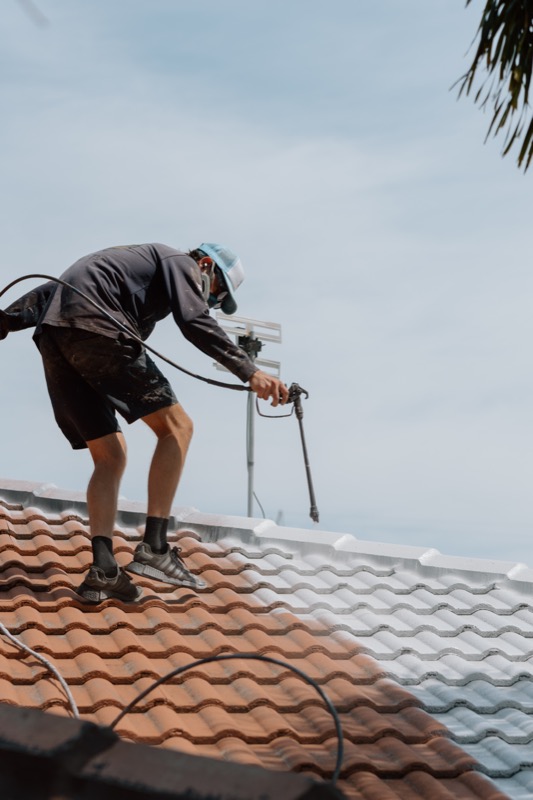
Heritage Roofing Materials & Restoration Guide
Queensland's Gold Coast is home to some of Australia's most beautiful heritage properties, from elegant Queenslander homes to historic Federation-era buildings that tell the story of our region's rich past. Preserving these architectural treasures requires specialised knowledge, particularly when it comes to their roofing systems—often the most vulnerable yet character-defining element of any heritage structure.
In this comprehensive guide, we'll explore the traditional roofing materials that define Queensland's heritage buildings, the unique challenges of restoring them in our subtropical climate, and practical advice for homeowners looking to maintain the authenticity and structural integrity of their historic properties. Whether you're the proud owner of a century-old Queenslander or managing a heritage-listed commercial building, understanding these materials and restoration techniques is essential for protecting your investment and preserving our region's architectural heritage.
Understanding Heritage Roofing in Queensland
Heritage roofing encompasses a wide range of traditional materials and construction methods that were used before the widespread adoption of modern roofing systems. In Queensland, our heritage roofing landscape is particularly diverse, reflecting the various waves of settlement and architectural trends that shaped our built environment from the mid-1800s onwards.
What Qualifies as Heritage Roofing?
Generally speaking, heritage roofing refers to roofing systems on buildings that are:
- Listed on the Queensland Heritage Register
- Protected under local council heritage overlays
- Built using traditional materials and methods (typically pre-1945)
- Architecturally significant to the local area
Even if your property isn't officially heritage-listed, if it features original roofing materials from the early 20th century or earlier, the principles in this guide will help you maintain its historical character and structural integrity.
Why Heritage Roofing Requires Special Attention
Heritage roofing materials behave differently from modern alternatives. They were designed for a different era of building practices, often with:
- Different expansion and contraction rates
- Unique fastening systems and substrates
- Specific ventilation requirements
- Materials that may no longer be in production
On the Gold Coast, these challenges are compounded by our subtropical climate. The combination of intense UV exposure, salt-laden coastal air, high humidity, and increasingly severe storm events creates a particularly demanding environment for historic roofing materials.
Traditional Heritage Roofing Materials
Understanding the materials used in your heritage roof is the first step toward effective restoration and maintenance. Here are the most common heritage roofing materials found on Gold Coast properties:
Corrugated Iron and Galvanised Steel
Corrugated iron is perhaps the most iconic roofing material in Australian architectural history. Introduced in the 1850s, it became the dominant roofing choice for Queensland homes due to its:
- Lightweight nature (important for Queenslander-style homes on stumps)
- Ability to shed heavy tropical rain effectively
- Relatively low cost compared to imported slate or tiles
- Ease of transportation to remote areas
Identifying Original Corrugated Iron:
- Profile depth is typically deeper than modern Colorbond (approximately 19mm vs 16mm)
- Original sheets were often imperial measurements (typically 6ft, 8ft, or 10ft lengths)
- Hand-cut edges and hand-punched nail holes
- Evidence of lead-based red oxide primer
Common Issues on Gold Coast Heritage Properties:
- Rust perforation, particularly in valleys and around fasteners
- Salt air corrosion within 5km of the coast
- Lifting sheets from corroded fixings during storm events
- Faded or peeling paint systems
Slate Roofing
Slate roofing was the prestige choice for grand heritage buildings in Queensland. Imported primarily from Wales, Scotland, and occasionally France, slate roofs can be found on:
- Historic churches and public buildings
- Grand Federation-era homes
- Commercial buildings in heritage precincts
Identifying Heritage Slate:
- Welsh slate is typically grey to purple-grey
- Scottish slate often has a blue-grey appearance
- French slate tends toward darker grey-black tones
- Original fixing methods used copper or bronze nails
Common Issues:
- Delamination from moisture absorption and UV exposure
- Cracked or broken slates from thermal movement
- Failing flashings (often lead or copper)
- Deteriorated sarking beneath the slates
- Nail sickness causing slates to slip
Slate restoration is among the most specialised heritage roofing work. A quality slate roof can last 100+ years, but repairs require sourcing matching materials and skilled craftsmanship.
Terracotta Tiles
Terracotta roof tiles became popular in Queensland from the late 1800s, particularly for Federation and Inter-War era homes. Their warm orange-red tones complement many heritage colour schemes.
Types of Heritage Terracotta Tiles:
- Marseilles Pattern: The most common heritage tile, featuring interlocking design with distinctive ribs
- Shingle Tiles: Flat tiles that overlap, creating a more textured appearance
- Roman Tiles: Curved tiles creating an undulating roof surface
Heritage Terracotta Characteristics:
- Hand-made tiles show variations in colour and shape
- Original tiles are often thicker and heavier than modern equivalents
- Glazed terracotta was used on prestigious buildings
- Many bear manufacturer stamps (Wunderlich, Marseilles Tile Co.)
Common Issues on Gold Coast Properties:
- Lichen and moss growth in shaded areas
- Cracked or broken tiles from foot traffic or storm debris
- Deteriorated bedding and pointing at ridges and hips
- Salt crystallisation damage near the coast
- Fading of original glazes
Cement/Concrete Tiles
Cement tiles became increasingly popular from the 1920s onwards as a more affordable alternative to terracotta. While not as old as other heritage materials, many cement-tiled roofs from the Inter-War period are now heritage-protected.
Identifying Heritage Cement Tiles:
- Early cement tiles were often colour-through (pigment mixed into concrete)
- Profile shapes mimicked terracotta patterns
- Surface textures vary from smooth to granular
- Weight is typically heavier than terracotta equivalents
Common Issues:
- Surface erosion exposing aggregate
- Efflorescence (white salt deposits)
- Crumbling edges from moisture damage
- Moss and algae growth in humid conditions
Timber Shingles
While less common in Queensland than other Australian states, timber shingles were used on some early colonial buildings and rustic structures. Cedar and hardwood shingles can occasionally be found on heritage outbuildings, churches, and rural properties.
Key Considerations:
- Fire risk requires careful assessment under current regulations
- Termite vulnerability in Queensland's climate
- UV degradation and splitting from sun exposure
- May require heritage approval for replacement materials
The Heritage Restoration Process
Restoring a heritage roof is significantly more complex than standard roof repairs. The process requires careful planning, specialised materials, and often coordination with heritage authorities.
Step 1: Heritage Assessment and Documentation
Before any work begins, a thorough assessment must document:
- Current condition of all roofing elements
- Original materials and construction methods
- Previous repairs or modifications
- Heritage significance of specific features
- Compliance requirements with heritage overlays
At Radiant Roof Repairs, we recommend photographing your heritage roof from multiple angles and creating detailed notes before any restoration work. This documentation is invaluable for heritage applications and insurance purposes.
Step 2: Heritage Approvals and Permits
Depending on your property's heritage status, you may need:
For Queensland Heritage Register Properties:
- Development approval from the Department of Environment and Science
- Detailed heritage impact statement
- Conservation management plan compliance
For Local Heritage Overlay Properties:
- Council development approval
- Heritage advisor consultation
- Compliance with local planning scheme heritage provisions
Key Principle: Like-for-like replacement is generally supported. Changes that alter the appearance or character of heritage roofing typically face greater scrutiny.
Step 3: Sourcing Appropriate Materials
One of the greatest challenges in heritage roofing restoration is finding suitable materials:
For Corrugated Iron:
- Reproduction heritage-profile sheeting is available
- Custom pressing of imperial-sized sheets may be required
- Colour matching to original paint systems
For Slate:
- Salvaged Welsh or Scottish slate from demolition sites
- New quarried slate (limited availability)
- Approved synthetic alternatives for less visible areas
For Terracotta Tiles:
- Salvage yards specialising in heritage materials
- Some manufacturers produce heritage-profile reproductions
- Second-hand matching tiles from similar-era buildings
Expect to pay premium prices for authentic heritage materials. Salvaged Welsh slate, for example, can cost $150-$300+ per square metre, compared to $50-$80 for standard roofing tiles.
Step 4: Restoration Work
Heritage restoration work should follow conservation principles:
- Minimal Intervention: Only repair what's necessary
- Reversibility: Where possible, use methods that can be undone
- Authenticity: Match original materials and techniques
- Documentation: Record all work undertaken
Step 5: Ongoing Maintenance Planning
Heritage roofs require more frequent inspection and maintenance than modern alternatives. Develop a maintenance schedule that includes:
- Six-monthly visual inspections (after storm season and before summer)
- Annual professional inspections
- Prompt repair of any damage
- Regular gutter and valley cleaning
- Documentation of all maintenance work
Gold Coast Climate Challenges for Heritage Roofs
The Gold Coast's subtropical climate presents unique challenges for heritage roofing materials that were often developed for cooler European conditions.
UV Exposure
Queensland has some of the world's highest UV levels. For heritage roofs, this means:
- Accelerated degradation of organic materials
- Fading of original paint systems and glazes
- Thermal stress from extreme temperature variations
- Breakdown of sealants and flashings
Mitigation Strategies:
- UV-stable coating systems for metal roofs
- Regular resealing of exposed timber elements
- Appropriate ventilation to reduce thermal stress
Salt Air Corrosion
Properties within 5km of the coast face accelerated corrosion from salt-laden air. Heritage metal roofs are particularly vulnerable:
- Original galvanising may be depleted
- Fixings corrode faster than sheeting
- Salt deposits accelerate rust formation
Mitigation Strategies:
- More frequent inspections and maintenance
- Marine-grade fixings for repairs
- Regular washing to remove salt deposits
- High-quality barrier coating systems
Storm Events
The Gold Coast's storm season (November to April) brings:
- Heavy rainfall testing drainage capacity
- High winds stressing aged fixings
- Hail potentially damaging tiles and slates
- Flying debris causing impact damage
Preparation Strategies:
- Pre-season professional inspection
- Secure any loose elements
- Clear gutters and valleys
- Document condition for insurance purposes
- Have emergency repair contacts ready
Humidity and Moisture
High humidity promotes:
- Moss, lichen, and algae growth on tiles and slates
- Timber rot in supporting structures
- Condensation issues in poorly ventilated roof spaces
- Mould growth on sarking and insulation
Mitigation Strategies:
- Adequate roof space ventilation
- Regular cleaning of biological growth
- Treatment of timber with appropriate preservatives
- Moisture barrier installation where appropriate
Costs and Considerations for Heritage Roof Restoration
Heritage roof restoration typically costs more than standard roofing work due to specialised materials, skilled labour, and compliance requirements.
Typical Cost Ranges
Heritage Roof Repairs:
- Minor repairs (replacing a few tiles/slates): $500 - $2,000
- Moderate repairs (section restoration): $2,000 - $6,000
- Major repairs (significant restoration): $6,000 - $15,000+
Full Heritage Roof Restoration:
- Corrugated iron restoration: $8,000 - $25,000+
- Slate roof restoration: $15,000 - $50,000+
- Terracotta tile restoration: $5,000 - $20,000+
Full Heritage Roof Replacement:
- Like-for-like heritage replacement: $25,000 - $80,000+
- Costs vary significantly based on materials and property size
Factors Affecting Cost
- Material availability: Rare or salvaged materials command premium prices
- Heritage requirements: Compliance adds time and documentation costs
- Accessibility: Difficult access increases labour costs
- Extent of damage: Structural issues multiply costs significantly
- Specialist skills: Heritage tradespeople charge accordingly
Funding and Incentives
Some funding assistance may be available:
- Queensland Heritage Grants Program (for registered properties)
- Local council heritage incentives
- Commonwealth grants for nationally significant buildings
- Insurance coverage for storm damage
Contact your local council heritage officer to enquire about available incentives in your area.
When to Call a Professional
While minor maintenance can be undertaken by capable homeowners, heritage roofing work should generally be left to specialists. Call a professional when:
Immediate Professional Attention Required
- Active leaks penetrating interior spaces
- Missing or displaced tiles/slates/sheets
- Storm damage requiring emergency repairs
- Structural concerns (sagging, movement)
- Any issue on heritage-listed properties
Scheduled Professional Assessment Recommended
- Annual condition inspections
- Before purchasing a heritage property
- Planning any modifications or additions
- Developing maintenance schedules
- Heritage compliance documentation
Choosing a Heritage Roofing Specialist
Look for contractors who:
- Hold current QBCC licensing
- Have demonstrated heritage roofing experience
- Can provide references from similar projects
- Understand heritage compliance requirements
- Carry appropriate insurance for heritage work
At Radiant Roof Repairs, our team has over 25 years of experience working with Gold Coast heritage properties. We understand the unique requirements of traditional materials and the importance of preserving our region's architectural heritage while ensuring roofs perform effectively in Queensland's demanding climate.
Maintaining Your Heritage Roof
Proactive maintenance extends the life of heritage roofing and prevents costly emergency repairs.
Monthly Visual Checks
From ground level, look for:
- Missing, displaced, or damaged roofing elements
- Debris accumulation in valleys and gutters
- New rust stains or discolouration
- Evidence of biological growth
- Signs of pest activity
Seasonal Maintenance Calendar
Spring (September-November):
- Comprehensive inspection after winter
- Clean gutters and downpipes
- Check flashings and sealants
- Address any moss/lichen growth
Summer (December-February):
- Monitor after storm events
- Check for heat-related damage
- Ensure adequate ventilation
- Clear any storm debris promptly
Autumn (March-May):
- Pre-winter inspection
- Clear leaf litter from gutters and valleys
- Seal any minor gaps before rain season
- Document current condition
Winter (June-August):
- Monitor for leaks during rain
- Check for condensation issues
- Address any drainage problems
- Plan restoration work for drier months
DIY Maintenance Safety
If undertaking minor maintenance yourself:
- Never walk on heritage slate or tile roofs
- Use appropriate access equipment
- Work only in safe weather conditions
- Document any changes or concerns
- Know your limitations—call professionals for significant work
Frequently Asked Questions
How do I know if my roof qualifies as heritage?
Your roof may be heritage-protected if your property is listed on the Queensland Heritage Register, covered by a local council heritage overlay, or located within a heritage precinct. Check with your local council planning department or search the Queensland Heritage Register online. Even if not formally protected, roofs on buildings constructed before 1945 using traditional materials may benefit from heritage restoration approaches to maintain their character and value.
Can I replace my heritage roof with modern materials?
This depends on your property's heritage status. For heritage-listed properties, like-for-like replacement is generally required, though some exceptions exist for non-visible areas or where original materials are genuinely unavailable. For non-listed properties, you have more flexibility, but consider that heritage roofing often adds significant value to period homes. Consult with a heritage advisor before making decisions.
How long do heritage roofing materials last?
With proper maintenance, heritage roofing materials can last remarkably well. Quality slate can last 100-150+ years. Terracotta tiles typically last 50-100 years. Original corrugated iron, properly maintained, can last 60-80+ years. Early cement tiles generally last 40-60 years. The Gold Coast climate can reduce these lifespans, particularly for coastal properties exposed to salt air.
What's the difference between restoration and replacement?
Restoration involves repairing and conserving existing heritage materials while maintaining as much original fabric as possible. Replacement involves removing old materials and installing new ones, ideally matching the original in material, profile, and appearance. Heritage principles favour restoration over replacement wherever feasible, as original materials contribute to a building's heritage significance.
How much does heritage slate roof restoration cost?
Heritage slate restoration varies significantly based on extent of damage and slate availability. Minor repairs replacing a few slates typically cost $1,500-$4,000. Moderate restoration of a section might run $5,000-$15,000. Full slate roof restoration can range from $20,000 to $50,000 or more for larger properties. Sourcing matching salvaged Welsh or Scottish slate adds considerable cost.
Are heritage roofing materials safe for rainwater collection?
This depends on the specific materials and their condition. Lead flashings on heritage roofs can contaminate collected water. Some heritage paint systems contained lead and may still leach. Original cement tiles may contain asite. Modern restoration work should use rainwater-safe materials, but have existing materials tested before connecting to rainwater systems. Your local council can advise on testing requirements.
Can I add solar panels to my heritage roof?
Installing solar panels on heritage roofs requires careful consideration. Heritage-listed properties typically need approval, and panels may be restricted to non-visible roof areas. The structural capacity of heritage framing must be assessed. Installation methods must not damage heritage fabric. For many heritage properties, ground-mounted or outbuilding-mounted systems may be preferred alternatives.
How often should heritage roofs be inspected?
We recommend professional inspections annually for heritage roofs, with additional checks after significant storm events. Homeowners should conduct monthly visual inspections from ground level. Properties with known issues or those in exposed coastal locations may benefit from six-monthly professional assessments. Document all inspections for heritage and insurance records.
What should I do if I find asbestos in my heritage roof?
Some Inter-War and post-war buildings had asbestos cement roofing or components added during later modifications. If you suspect asbestos, don't disturb it. Arrange professional testing before any work proceeds. Licensed asbestos removalists must handle any removal. Heritage considerations don't override safety requirements for asbestos. Document removal and replacement for heritage records.
Do I need council approval for heritage roof repairs?
For minor like-for-like repairs using matching materials, council approval is often not required, even for heritage-listed properties. However, you should always check with your local council heritage officer before commencing work. Any changes to appearance, materials, or design typically require approval. Keep records of all work for future reference.
How do I find matching heritage roofing materials?
Specialist architectural salvage yards stock heritage materials from demolished buildings. Some manufacturers produce reproduction heritage profiles. Heritage roofing contractors often maintain networks for sourcing materials. Online marketplaces occasionally list salvaged materials. Allow significant lead time—finding matching materials can take months. Radiant Roof Repairs can assist with sourcing appropriate materials for Gold Coast heritage properties.
What causes slate roofs to fail?
Slate roof failure typically results from nail sickness where original fixings corrode and slates slip, delamination caused by moisture absorption and freeze-thaw cycles (less common in Queensland but still occurs), impact damage from storms, foot traffic, or falling branches, flashing failure around penetrations and junctions, and sarking deterioration beneath the slates. Quality slate should last 100+ years, so premature failure usually indicates installation issues or maintenance neglect.
Can heritage corrugated iron roofs be restored or should they be replaced?
Many heritage corrugated iron roofs can be successfully restored if the base metal remains sound. Restoration typically involves rust treatment, repair of minor perforations, and application of protective coating systems. Replacement may be necessary when perforation is extensive, when structural rust has weakened sheets significantly, or when original profile sheets are required for heritage compliance but existing sheets are beyond repair.
How do I maintain terracotta tiles on my heritage roof?
Terracotta tile maintenance includes regular inspection for cracked or broken tiles, clearing debris from valleys and gutters, removing moss and lichen growth before it damages tiles, checking and maintaining ridge and hip pointing, ensuring broken tiles are replaced promptly to prevent water ingress, and having a supply of matching spare tiles for repairs. Avoid pressure washing, which can damage aged terracotta surfaces.
What heritage roofing work can I do myself?
Homeowners can safely undertake ground-level inspections and photography, gutter cleaning from appropriate access equipment, removal of debris from accessible areas, minor moss treatment with approved products, and documentation and record-keeping. Leave roof access work, repairs, and restoration to qualified professionals. Heritage roofing materials are often fragile, and improper handling causes damage that's expensive to rectify.
Conclusion
Preserving Queensland's heritage roofing is both a responsibility and a privilege. These historic roofs connect us to our past, contribute to the character of our communities, and often represent craftsmanship that's increasingly rare in modern construction.
Whether you're maintaining an original corrugated iron roof on a classic Queenslander, restoring Welsh slate on a grand Federation home, or caring for terracotta tiles on an Inter-War bungalow, the principles remain the same: understand your materials, respect their heritage significance, maintain them proactively, and engage qualified specialists when professional work is needed.
The Gold Coast's climate presents unique challenges for heritage roofing, from intense UV exposure and salt air corrosion to increasingly severe storm events. However, with proper care and maintenance, these traditional roofing systems can continue to protect our heritage buildings for generations to come.
If you're planning heritage roofing work on your Gold Coast, Brisbane, or Sunshine Coast property, the team at Radiant Roof Repairs is here to help. With over 25 years of experience working with traditional roofing materials and heritage properties, we can guide you through the restoration process while ensuring your roof meets modern performance requirements without compromising its historic character.
Contact us on 0480 855 390 to discuss your heritage roofing needs. We're proud to play our part in preserving Queensland's architectural heritage, one roof at a time.
*Written by Daniel Morrison, QBCC Licensed Roofing Specialist with over 25 years of Gold Coast roofing experience.*