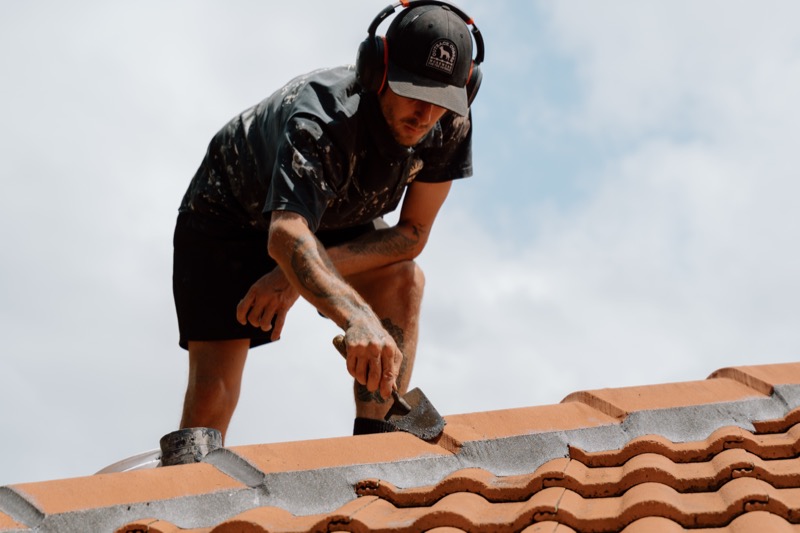
Hail Damage to Roof - Assessment Guide
*By Daniel Morrison, QBCC Licensed Roofing Specialist | 25+ Years Gold Coast Experience*
Hail damage to your roof requires immediate assessment to prevent costly secondary damage from water infiltration. After a hailstorm, inspect your property within 24-48 hours for visible signs including dented metal roofing, cracked tiles, damaged flashing, and compromised gutters. Queensland's severe storm season from November to March brings an average of 3-5 significant hail events annually to the Gold Coast and Brisbane regions. Early detection of hail damage can mean the difference between a $500 repair and a $15,000+ roof replacement, making prompt professional assessment essential for protecting your home.
Understanding Hail Damage in Southeast Queensland
Southeast Queensland experiences some of Australia's most severe hailstorms, with the Gold Coast, Brisbane, and Sunshine Coast corridor sitting in a particularly active storm zone. The warm, humid subtropical climate creates perfect conditions for supercell thunderstorms that can produce hailstones ranging from pea-sized to golf ball dimensions—and occasionally larger.
The Bureau of Meteorology records show that Queensland experiences approximately 30% of Australia's severe hailstorm events. For Gold Coast homeowners, this translates to a genuine risk that demands vigilance during storm season.
Hail damage isn't always immediately obvious. While large hailstones create visible destruction, smaller stones can cause micro-fractures and granule loss that compromise your roof's integrity over time. This gradual degradation often goes unnoticed until water damage appears inside your home—by which point, repairs become significantly more expensive.
Common Types of Hail Damage by Roofing Material
Metal Roofing (Colorbond and Zincalume)
Metal roofing is extremely popular across the Gold Coast, and while it's durable, it's not immune to hail damage. Common signs include:
- Denting: Visible dents and dimples across the roof surface
- Paint chipping: Compromised protective coating exposing bare metal
- Scratching: Surface abrasions that can lead to rust
- Seam separation: Impact stress causing joints to loosen
- Perforation: In severe cases, complete penetration of the metal sheeting
Dented metal roofing may still be watertight initially, but the compromised coating leads to accelerated corrosion, particularly in our salt-air coastal environment.
Tile Roofing (Terracotta and Concrete)
Tile roofs, common in established Gold Coast suburbs, show hail damage differently:
- Cracking: Visible fractures across tile surfaces
- Chipping: Chunks missing from tile edges and surfaces
- Displacement: Tiles knocked out of position
- Hidden fractures: Hairline cracks not visible from ground level
- Broken corners: Weakened structural integrity
Concrete tiles are particularly susceptible to impact damage, while terracotta tiles may shatter more dramatically. Both require professional inspection as damage often extends beyond what's visible.
Asphalt Shingle Roofing
While less common in Queensland than other states, asphalt shingles show characteristic hail damage:
- Granule loss: Dark spots where protective granules have been knocked off
- Bruising: Soft spots where the mat has been compromised
- Cracking: Splits in the shingle surface
- Exposed fibreglass: Severe damage revealing underlying material
How to Conduct a Preliminary Hail Damage Assessment
Ground-Level Inspection (Safe DIY Assessment)
Before climbing onto your roof—which we strongly advise against without proper safety equipment—conduct a thorough ground-level inspection:
1. Check Your Gutters and Downpipes
- Look for dents, cracks, and deformation
- Note any blockages from debris washed down from the roof
- Examine gutter guards for damage
- Check downpipe connections for separation
2. Inspect Visible Roof Surfaces
- Use binoculars to examine the roof from a safe distance
- Look for obvious denting on metal roofs
- Note any visible cracks or missing pieces on tile roofs
- Check ridge capping for damage or displacement
3. Examine Flashing and Penetrations
- Look at areas around skylights, vents, and chimneys
- Note any visible lifting or damage to flashing
- Check whirlybirds and roof vents for denting
4. Survey the Property Surrounds
- Document damage to outdoor furniture, vehicles, and fences
- This evidence supports insurance claims and indicates storm severity
- Photograph hailstones if possible (with a ruler for scale)
5. Interior Inspection
- Check ceilings for water stains or discolouration
- Look in the roof cavity (if safely accessible) for daylight penetration
- Note any new musty odours indicating moisture entry
What Professional Roof Inspectors Look For
At Radiant Roof Repairs, our QBCC licensed inspectors conduct comprehensive assessments that go beyond surface-level observation:
- Impact pattern analysis: Determining hail size and storm direction
- Structural integrity testing: Checking for underlying damage not visible to the untrained eye
- Moisture detection: Using specialist equipment to identify water infiltration
- Comprehensive documentation: Detailed reports and photography for insurance purposes
- Remaining lifespan assessment: Evaluating whether repair or replacement is more economical
Common Causes of Roof Vulnerability to Hail
Several factors determine how severely your roof will be affected by hail:
Age and Condition
Roofs over 15-20 years old are significantly more vulnerable to hail damage. Weathering from Queensland's intense UV exposure, salt air along the coastal strip, and previous storm events all reduce a roof's resilience.
Installation Quality
Poorly installed roofing materials are more susceptible to damage. Incorrect fastening, inadequate underlayment, and improper flashing all create weak points that hail exploits.
Material Quality
Lower-grade roofing materials offer less impact resistance. When roof replacement is necessary, investing in quality materials rated for hail resistance provides long-term protection.
Roof Pitch and Design
Lower-pitched roofs tend to sustain more damage as hailstones strike at a more direct angle. Complex roof designs with multiple valleys and penetrations have more vulnerable points.
Maintenance History
Regular maintenance identifies and addresses weaknesses before storm season. Neglected roofs with existing minor damage are far more likely to suffer severe hail damage.
Solutions: DIY vs Professional Repairs
What You Can Safely Do Yourself
- Document everything: Photograph all visible damage immediately
- Temporary tarping: Cover obvious holes or missing tiles to prevent water entry (only if safely accessible)
- Clear gutters: Remove debris to ensure drainage functions
- Contact your insurer: Lodge a claim promptly as most policies have time limits
When Professional Repair is Essential
Most hail damage repairs require professional attention:
Minor Repairs ($500 - $2,000)
- Replacing individual damaged tiles
- Repairing minor flashing damage
- Fixing small sections of metal roofing
- Gutter repairs and realignment
Moderate Repairs ($2,000 - $4,000)
- Multiple tile replacements
- Extensive flashing work
- Large sections of metal roofing
- Ridge capping replacement
Major Repairs/Partial Replacement ($4,000 - $15,000)
- Significant structural damage
- Multiple roof sections affected
- Underlying sarking replacement
- Complete re-roofing of damaged sections
Full Roof Replacement ($19,999 - $45,000+)
- When repair costs exceed 50% of replacement value
- Roofs at end of serviceable life with extensive damage
- Opportunity to upgrade to more hail-resistant materials
When to Get Professional Help Immediately
Contact a licensed roofing professional without delay if you notice:
- Water entering your home through the ceiling
- Large visible holes or displaced roofing materials
- Sagging in any roof section
- Damage to more than 25% of visible roof area
- Any concerns about structural integrity
Delaying professional assessment after hail damage is one of the most expensive mistakes homeowners make. Water infiltration causes compounding damage to insulation, electrical systems, ceiling linings, and structural timbers. What starts as a $1,500 roof repair can quickly escalate to $20,000+ in remediation costs.
Prevention Tips for Future Hailstorms
While you cannot prevent hail, you can significantly reduce your vulnerability:
Regular Maintenance Schedule
- Annual professional inspections: Identify and address weaknesses before storm season
- Bi-annual gutter cleaning: Ensure proper drainage during heavy rain
- Immediate minor repairs: Don't let small problems become major vulnerabilities
Strategic Upgrades
- Impact-resistant materials: When replacing, choose materials rated for hail resistance
- Protective coatings: Specialist coatings can extend roof life and improve resilience
- Quality fasteners: Ensure all roofing is properly secured to Australian standards
Storm Preparation
- Trim overhanging trees: Reduce debris that can cause secondary damage
- Secure loose items: Outdoor furniture becomes projectiles in severe storms
- Know your insurance: Understand your coverage before you need to claim
Insurance Considerations for Queensland Homeowners
Most comprehensive home insurance policies cover hail damage, but there are important considerations:
- Document immediately: Photograph damage within 24 hours of the storm
- Lodge claims promptly: Most insurers require notification within 30 days
- Get professional assessments: Insurer-appointed assessors may miss damage that specialists identify
- Understand your excess: Know your out-of-pocket costs before claiming
- Review annually: Ensure your sum insured reflects current replacement costs
The team at Radiant Roof Repairs works directly with insurance assessors and can provide comprehensive documentation to support your claim.
Frequently Asked Questions About Hail Damage
How do I know if my roof has hail damage?
Look for visible dents on metal roofing, cracked or chipped tiles, damage to gutters and downpipes, and interior signs like water stains on ceilings. However, significant damage often isn't visible from ground level, making professional inspection essential after any severe hailstorm. Small fractures and granule loss can compromise your roof's integrity without obvious visual indicators.
How long do I have to claim hail damage on insurance?
Most Australian insurers require notification within 30 days of the event, though some policies specify shorter timeframes. Document damage immediately with photographs and lodge your claim as soon as possible. Delays can result in claim denials, particularly if subsequent weather events cause additional damage that becomes difficult to differentiate.
Can I repair hail damage myself?
Minor cosmetic damage to gutters may be manageable for experienced DIYers, but roof repairs should always be handled by licensed professionals. Queensland's Domestic Building Contracts Act requires QBCC licensing for roofing work over $3,300. Additionally, incorrect repairs can void warranties, compromise insurance coverage, and create safety hazards. The risk of falls and improper repairs far outweighs any potential savings.
How much does hail damage repair typically cost on the Gold Coast?
Repair costs vary significantly based on damage extent and roofing material. Minor repairs start from $500, moderate damage runs $2,000-$4,000, and extensive repairs can reach $15,000 or more. Full roof replacement ranges from $19,999 to $45,000+ depending on size and material. Professional assessment provides accurate costing for your specific situation.
Will small hail damage cause problems if I don't fix it?
Absolutely. Small cracks and compromised coatings allow moisture infiltration, leading to rust on metal roofs, deterioration of tile underlayment, timber rot in roof structures, mould growth, and ceiling damage. Queensland's humidity accelerates these problems significantly. Repairs that cost $500 today can become $5,000+ problems within 12-18 months if ignored.
How do I choose a reputable hail damage repair company?
Verify QBCC licensing (mandatory for Queensland roofing work), check online reviews and testimonials, request detailed written quotes, ensure they provide warranty documentation, and confirm they'll work with your insurance company. Avoid door-knockers who appear after storms offering immediate cash deals—these are often unlicensed operators who disappear after substandard work.
Does hail damage affect my roof warranty?
Hail damage is typically classified as an 'act of God' and won't void manufacturer warranties. However, failing to repair damage promptly or using unlicensed repairers can void both manufacturer and workmanship warranties. Always use licensed professionals and keep documentation of all repairs to maintain warranty protection.
What's the best roofing material for hail resistance on the Gold Coast?
Colorbond steel with appropriate gauge thickness offers excellent hail resistance for our climate. For tile roofs, premium-grade concrete tiles generally outperform standard options. When replacement is necessary, discuss impact-rated materials with your roofing contractor. Consider that our coastal environment also demands corrosion resistance, making material selection a balance of multiple factors.
How long does a professional hail damage assessment take?
A thorough professional inspection typically takes 1-2 hours depending on roof size and accessibility. This includes external inspection, interior assessment, detailed documentation, and preliminary repair recommendations. Comprehensive reports suitable for insurance claims are usually provided within 2-3 business days following the inspection.
Should I get multiple quotes for hail damage repairs?
Yes, obtaining 2-3 quotes from licensed roofing contractors is advisable for significant repairs. However, ensure you're comparing like-for-like—the cheapest quote often excludes necessary work or uses inferior materials. Radiant Roof Repairs provides detailed, itemised quotes that clearly outline all work included, making accurate comparison straightforward.
Conclusion
Hail damage assessment requires prompt action, careful documentation, and professional expertise. Queensland's severe storm season makes this knowledge essential for every Gold Coast, Brisbane, and Sunshine Coast homeowner.
Remember these key points:
- Inspect your property within 24-48 hours of any hailstorm
- Document all damage with photographs immediately
- Conduct safe ground-level inspections before considering roof access
- Contact a QBCC licensed roofing professional for comprehensive assessment
- Lodge insurance claims promptly with thorough documentation
- Never ignore minor damage—it always gets worse
With over 25 years of experience repairing storm-damaged roofs across Southeast Queensland, I've seen firsthand how early intervention saves homeowners thousands of dollars. If your roof has been exposed to hail, don't wait for leaks to appear before taking action.
For professional hail damage assessment on the Gold Coast, Brisbane, or Sunshine Coast, contact Radiant Roof Repairs on 0480 855 390. Our QBCC licensed team provides thorough inspections, detailed documentation for insurance claims, and honest advice on your repair options.
*Daniel Morrison is a QBCC Licensed Roofing Specialist with over 25 years of experience in the Gold Coast roofing industry. He leads the team at Radiant Roof Repairs, serving homeowners across the Gold Coast, Brisbane, and Sunshine Coast.*