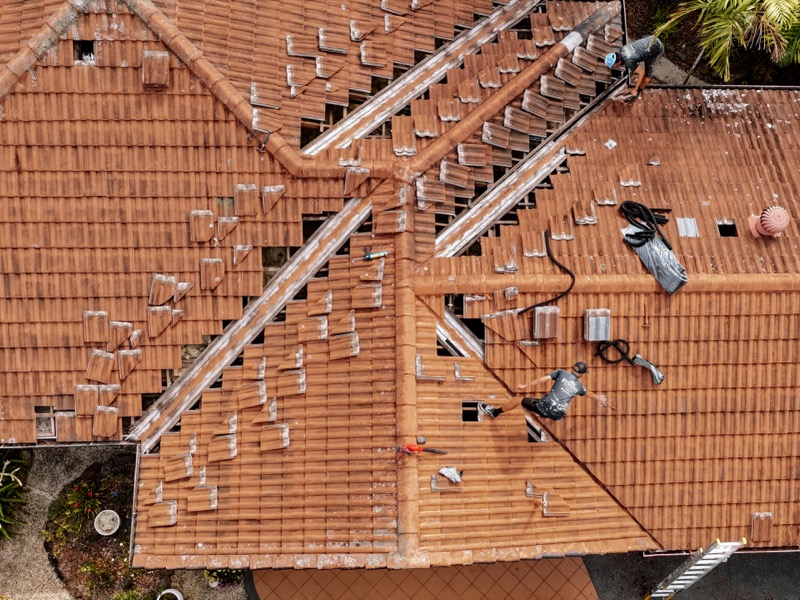
How to Extend Your Roof's Lifespan
Your roof is arguably the most critical component of your home, protecting everything beneath it from Queensland's harsh elements. Yet, despite its importance, many Gold Coast homeowners only think about their roof when something goes wrong—usually during a summer storm when water starts dripping through the ceiling.
After 25 years of working on roofs across the Gold Coast, Brisbane, and Sunshine Coast, I've seen firsthand how proper maintenance can mean the difference between a roof that lasts 15 years and one that protects your family for 50 years or more. The good news? Extending your roof's lifespan doesn't require expensive interventions or specialist knowledge. It requires consistent attention, timely repairs, and understanding the unique challenges our Queensland climate presents.
In this comprehensive guide, I'll share everything you need to know about maximising your roof's longevity. You'll learn practical maintenance strategies, warning signs to watch for, and when it's time to call in the professionals. Whether you have a Colorbond roof battling salt air corrosion near Burleigh or terracotta tiles weathering subtropical storms in Brisbane's western suburbs, this guide will help you protect your investment for decades to come.
Understanding Your Roof's Enemies: Queensland Climate Challenges
Before diving into maintenance strategies, it's essential to understand exactly what your roof faces living in South East Queensland. Our region presents a unique combination of challenges that can accelerate roof deterioration if left unchecked.
Intense UV Radiation
Queensland receives some of the highest UV radiation levels in the world. This relentless sun exposure causes:
- Colour fading on metal roofs and tiles
- Brittleness in rubber seals and flashings
- Cracking in older cement tiles
- Degradation of protective coatings
A roof in Cairns or the Gold Coast ages faster from sun damage alone than an identical roof in Melbourne or Hobart. This UV exposure means our roofs require more frequent inspection and earlier intervention than roofs in southern states.
Storm Season Intensity
From November through March, the Gold Coast experiences severe storm activity. These subtropical storms bring:
- Hail damage that can crack tiles and dent metal
- High winds that lift tiles and compromise fixings
- Torrential rain that tests every seal and flashing
- Flying debris that can puncture or damage roofing materials
The Insurance Council of Australia reports that storm damage claims in Queensland consistently rank among the highest nationally, with roof damage comprising a significant portion of these claims.
Salt Air Corrosion
If you live within 10 kilometres of the coast—which includes most Gold Coast suburbs—salt air is actively working to corrode your roof. Salt spray accelerates oxidation on metal components, including:
- Colorbond sheeting and fixings
- Gutters and downpipes
- Valley irons and flashings
- Roof screws and fasteners
Homes in beachside suburbs like Palm Beach, Mermaid Beach, and Coolangatta require more vigilant maintenance than those further inland.
Humidity and Moisture
Our subtropical humidity creates perfect conditions for:
- Mould and lichen growth on tiles
- Rust development under trapped moisture
- Timber rot in fascia boards and battens
- Condensation issues in roof cavities
Understanding these challenges helps you prioritise maintenance efforts and catch problems before they become expensive repairs.
Essential Roof Maintenance Tasks for Gold Coast Homeowners
Consistent maintenance is the foundation of roof longevity. Here's your comprehensive maintenance checklist, organised by frequency.
Monthly Visual Inspections (From Ground Level)
You don't need to climb on your roof monthly, but you should walk around your property and visually inspect:
- Missing or displaced tiles – Look for gaps or tiles sitting at odd angles
- Rust patches – Visible discolouration on metal roofs
- Sagging sections – Any areas that appear to dip or bow
- Debris accumulation – Leaves and branches collecting in valleys
- Gutter overflow signs – Water staining on fascia boards
- Flashing condition – Visible lifting or deterioration around chimneys and vents
This five-minute walk around your home can identify developing problems before they cause interior damage.
Quarterly Gutter Cleaning
Gold Coast homes, particularly those near bushland in suburbs like Mudgeeraba, Tallai, or Mount Tamborine, accumulate significant debris. Clogged gutters cause:
- Water backing up under roof sheets
- Overflow damaging fascia and eaves
- Added weight straining gutter brackets
- Mosquito breeding grounds
- Rust development from standing water
Clean gutters quarterly, or more frequently if you have overhanging trees. Consider installing gutter guards if debris is a constant battle—a good quality guard system costs between $1,500 and $4,000 but can save significant maintenance time and prevent water damage.
Bi-Annual Professional Inspections
Twice yearly—ideally before and after storm season—have a qualified roofer conduct a thorough inspection. A professional will:
- Walk the roof to check for soft spots and structural issues
- Inspect all flashings, valleys, and penetrations
- Check pointing and bedding on tiled roofs
- Examine roof cavity for signs of leaks or pest activity
- Assess remaining lifespan of materials
- Provide a written condition report
At Radiant Roof Repairs, we recommend scheduling inspections in October (before storm season) and April (after the worst weather has passed). This timing allows you to address any vulnerabilities before they're tested by severe weather.
Annual Deep Maintenance
Once per year, undertake or commission more intensive maintenance:
- Roof cleaning – Remove moss, lichen, and accumulated grime
- Touch-up painting – Address any rust spots on metal roofs
- Sealant inspection – Check and replace deteriorated silicone around penetrations
- Tree trimming – Cut back any branches within 2 metres of the roof
- Downpipe check – Ensure proper drainage away from foundations
Recognising Warning Signs: When Your Roof Needs Attention
Knowing what to look for helps you catch problems early, when repairs are simpler and less expensive.
Interior Warning Signs
These symptoms visible from inside your home often indicate roof issues:
- Water stains on ceilings – Brown or yellow discolouration, even if not actively wet
- Peeling paint – Moisture infiltration causing paint to bubble or peel
- Mould growth – Particularly in upper-level rooms or ceiling corners
- Daylight through roof – Visible light in the roof cavity during daytime
- Increased energy bills – Poor roof condition affects insulation efficiency
- Musty odours – Smell of dampness or mould in upper areas
Exterior Warning Signs
Visible from outside, these signs warrant prompt attention:
- Cracked or broken tiles – Common after hail events or from age
- Lifting or curling shingles – Indicates adhesive failure or moisture damage
- Rust patches – On metal roofs, particularly around fasteners
- Missing ridge capping – Exposed ridge line where capping has blown off
- Deteriorated pointing – Crumbling mortar between tiles
- Sagging roof line – Potential structural issue requiring immediate inspection
- Blocked valleys – Debris accumulation preventing proper water flow
- Corroded flashings – Lifting or rusted metal around penetrations
Gutter Warning Signs
- Pulling away from fascia – Brackets failing or fascia rotting
- Visible rust holes – Particularly in older steel gutters
- Water pooling – Gutters not draining properly
- Paint peeling on fascia – Water overflow causing damage
- Garden erosion below – Downpipes not properly directing water
If you notice any of these signs, don't wait for your next scheduled inspection. Early intervention on a $300 repair prevents a $3,000 problem.
Material-Specific Maintenance: Caring for Different Roof Types
Different roofing materials require tailored maintenance approaches. Here's how to care for the most common roof types in Queensland.
Colorbond and Metal Roofs
Metal roofs are popular on the Gold Coast for good reason—they're durable, bushfire-resistant, and excellent at handling heavy rain. To maximise their lifespan:
Do:
- Wash annually with fresh water to remove salt deposits (critical for coastal homes)
- Address rust spots immediately with rust converter and touch-up paint
- Check screw tightness—thermal expansion can loosen fasteners
- Ensure rubber washers on screws haven't deteriorated
- Keep trees trimmed to prevent scratching from branches
Don't:
- Walk on the roof during the heat of the day (metal expands and is more susceptible to denting)
- Use abrasive cleaners or wire brushes
- Allow other metals to contact the roof (causes galvanic corrosion)
- Ignore small rust spots—they spread quickly in our humid climate
A well-maintained Colorbond roof can last 50+ years. Neglected, it may need replacement in 20-25 years.
Terracotta and Concrete Tile Roofs
Tile roofs are traditional favourites, offering excellent thermal properties and a classic appearance. Maintenance priorities include:
Do:
- Inspect for cracked or broken tiles after every major storm
- Keep valleys clear of debris
- Check pointing (the mortar between ridge caps and tiles) annually
- Clean off moss and lichen growth—they retain moisture and accelerate deterioration
- Replace broken tiles promptly to prevent water ingress
Don't:
- Walk on tiles unless necessary (they can crack underfoot)
- Use high-pressure washing at close range (can damage tile surface)
- Ignore small cracks—water infiltration causes greater damage
- Neglect re-pointing when mortar begins crumbling
Terracotta tiles can last 50-100 years with proper care. Concrete tiles typically last 30-50 years.
Flat and Low-Pitch Roofs
Common on modern Gold Coast homes and commercial buildings, flat roofs require specific attention:
Do:
- Check drainage regularly—ponding water is the enemy of flat roofs
- Inspect membrane for punctures, especially after tradesperson visits
- Clean debris from drainage points
- Look for bubbling or blistering in membrane materials
- Ensure HVAC units and other equipment have proper stands
Don't:
- Store items on the roof
- Allow anyone to drag equipment across the membrane
- Ignore standing water after rain
- Delay repairs to punctures or tears
The True Cost of Neglect vs. Prevention
Understanding the financial impact of maintenance decisions helps justify the investment in prevention.
Preventive Maintenance Costs
- Annual gutter cleaning: $150-$300
- Bi-annual professional inspection: $200-$400
- Minor repairs (replacing broken tiles, resealing flashings): $200-$500
- Annual roof wash: $300-$600
- Touch-up painting (metal roofs): $200-$400
Total annual preventive maintenance: $500-$1,500
Costs of Neglect
- Emergency leak repair during storm: $800-$2,000
- Water damage to ceilings and insulation: $2,000-$8,000
- Structural timber repair from ongoing leaks: $5,000-$15,000
- Premature roof replacement: $19,999-$45,000+
- Mould remediation from water damage: $3,000-$10,000
The mathematics are clear: spending $1,000 annually on maintenance to avoid a $25,000 premature replacement is sound financial management. Over a 30-year period, proactive homeowners spend roughly $30,000-$45,000 on maintenance and repairs. Reactive homeowners often spend $50,000-$80,000 or more, including premature replacements and associated damage repairs.
When Maintenance Isn't Enough: Restoration vs. Replacement
Despite best maintenance efforts, every roof eventually reaches a point where simple repairs no longer suffice. Understanding your options helps you make informed decisions.
Roof Restoration
Restoration is a comprehensive process that can add 15-20 years to a roof's functional life. It typically includes:
- Complete roof cleaning (high-pressure washing)
- Rebedding and repointing ridge caps
- Replacing broken tiles
- Sealing and recoating the entire surface
- Treating rust spots on metal roofs
- Replacing deteriorated flashings
Restoration is appropriate when:
- The roof structure remains sound
- Less than 15-20% of tiles need replacement
- Leaks are localised rather than widespread
- The roof is 15-30 years old
- You want to improve appearance and function without full replacement
Cost: $2,500-$8,000+ depending on roof size and condition
Roof Replacement
Full replacement becomes necessary when:
- Structural timbers are compromised
- Widespread deterioration makes restoration impractical
- The roof is beyond its expected lifespan
- Multiple previous repairs have failed
- You want to change roofing material (e.g., tiles to Colorbond)
Cost: $19,999-$45,000+ depending on size, material, and complexity
At Radiant Roof Repairs, we always provide honest assessments. If restoration can extend your roof's life cost-effectively, we'll recommend that. If replacement is the better investment, we'll explain why.
Professional Maintenance vs. DIY: Making Smart Choices
Some maintenance tasks are suitable for capable homeowners; others require professional expertise.
Suitable for DIY
- Ground-level visual inspections
- Gutter cleaning (single-storey, with proper safety equipment)
- Trimming overhanging branches
- Clearing debris from accessible areas
- Monitoring for warning signs
Requires Professional Attention
- Walking on roofs (safety and damage prevention)
- Tile replacement
- Flashing repairs
- Pointing and rebedding
- Leak detection and repair
- Structural assessments
- Any work above single-storey height
Important Safety Note: Queensland workplace safety regulations apply to domestic premises. Falls from roofs are a leading cause of serious injury and death. Unless you have proper safety equipment and training, leave roof access to professionals.
Your Seasonal Roof Maintenance Calendar
Here's a practical annual schedule tailored to the Gold Coast climate:
September-October (Pre-Storm Season)
- Schedule professional inspection
- Clear all gutters and downpipes
- Trim trees back from roof
- Check and clean roof valleys
- Ensure flashings are secure
- Document roof condition with photos
November-March (Storm Season)
- Inspect after significant weather events
- Clear debris promptly
- Address any damage immediately
- Monitor for new leaks
- Keep emergency contact numbers handy
April-May (Post-Storm Season)
- Schedule second professional inspection
- Assess any storm damage
- Plan necessary repairs
- Clean roof of accumulated debris
- Book restoration work if needed
June-August (Dry Season)
- Ideal time for major repairs or restoration
- Annual roof cleaning
- Touch-up painting
- Address any maintenance backlog
- Lower demand often means better scheduling flexibility
Frequently Asked Questions
How often should I have my roof professionally inspected?
For Gold Coast properties, I recommend twice-yearly professional inspections—once before storm season (October) and once after (April). Homes in high-exposure areas (beachfront, under trees, or over 20 years old) may benefit from quarterly inspections. At minimum, annual inspections should be considered essential, not optional. The cost of $200-$400 annually is insignificant compared to catching problems early.
What is the average lifespan of different roof types in Queensland?
In our Queensland climate with proper maintenance: Colorbond/metal roofs last 40-60 years, terracotta tiles 50-100 years, concrete tiles 30-50 years, and asphalt shingles 15-25 years. Without proper maintenance, expect 30-40% reduction in these lifespans. Salt air exposure (coastal properties) and severe storm frequency can further reduce longevity.
How much does roof maintenance cost on the Gold Coast?
Basic annual maintenance including gutter cleaning, inspection, and minor repairs typically costs $500-$1,500. A full roof restoration ranges from $2,500-$8,000+ depending on roof size and condition. These costs are significantly less than premature replacement ($19,999-$45,000+) or water damage repairs ($2,000-$15,000).
Can I walk on my roof to inspect it myself?
We strongly advise against homeowners walking on their own roofs. Falls from roofs are a leading cause of serious injury in Australia. Additionally, improper walking technique can damage tiles or dent metal roofing. Conduct visual inspections from ground level or use binoculars. Leave roof access to insured professionals with proper safety equipment.
What are the signs that my roof needs immediate attention?
Seek immediate professional assessment if you notice: active water leaks, significant sagging in the roof line, multiple missing tiles or sheets, daylight visible through the roof cavity, or major storm damage. These issues can cause rapid deterioration and interior damage if not addressed promptly.
How do I prevent storm damage to my roof?
Prevention starts with maintenance: ensure all fixings are secure, replace cracked tiles before storms arrive, clear gutters to prevent water backup, trim overhanging branches, and maintain flashings and seals. Have vulnerable areas reinforced before storm season. While no roof is storm-proof, a well-maintained roof suffers less damage and recovers faster.
Does roof colour affect lifespan on the Gold Coast?
Yes, roof colour impacts thermal stress and UV degradation. Lighter colours reflect more heat, reducing thermal expansion stress on metal roofs and keeping homes cooler. Darker roofs absorb more heat, which can accelerate aging of some materials. However, modern Colorbond colours are engineered for Australian conditions, so choose what suits your home aesthetically—just maintain it properly.
How does salt air affect coastal roofs?
Salt air accelerates corrosion on metal components, including Colorbond sheets, gutters, fasteners, and flashings. Properties within 1km of the ocean experience the highest exposure, but effects extend 10km or more inland. Coastal homeowners should rinse their roofs with fresh water several times yearly and inspect metal components more frequently for rust development.
Should I repair or replace a 20-year-old roof?
It depends on the roof's condition, not just its age. A well-maintained 20-year-old roof may need only minor repairs, while a neglected 15-year-old roof might require replacement. Have a professional assessment to evaluate: structural integrity, percentage of damaged materials, leak history, and remaining material lifespan. Often, restoration ($2,500-$8,000) can add 15-20 years to a roof that's structurally sound.
How do I maintain gutters to protect my roof?
Clean gutters quarterly (more often with overhanging trees), check brackets and seals annually, ensure proper fall toward downpipes, repair rust spots immediately, and consider gutter guards for high-debris areas. Blocked gutters cause water backup under roof sheets, fascia rot, and foundation problems. Good gutter maintenance is integral to roof longevity.
What warranty should I expect on roof repairs?
Reputable roofing contractors offer minimum 5-year workmanship warranties on repairs. Restoration work typically carries 10-15 year warranties. New roof installations should include both manufacturer material warranties (often 20-25 years for Colorbond) and installer workmanship warranties (minimum 10 years). Always get warranty terms in writing and ensure your contractor is QBCC licensed.
Is roof cleaning necessary, or is it just cosmetic?
Roof cleaning is functional maintenance, not just aesthetic. Moss, lichen, and grime retain moisture against roofing materials, accelerating deterioration. Debris in valleys impedes drainage. On tiles, biological growth can lift edges and create leak pathways. Annual cleaning—especially for shaded roofs—extends material lifespan and maintains drainage efficiency.
How do I choose a reliable roofing contractor?
Verify QBCC licensing (mandatory in Queensland), check insurance coverage, read recent reviews, ask for local references, and get multiple written quotes. Be wary of significantly low quotes—they often indicate shortcuts or hidden costs. A reputable contractor will inspect before quoting, explain findings clearly, and never pressure you into immediate decisions.
What should I do if I find a leak?
First, manage the immediate situation: place containers to catch water and move valuables away from the affected area. Don't attempt roof access in wet conditions. Document the leak location and any visible damage with photos. Contact a licensed roofing professional promptly—water damage worsens quickly, and identifying the actual leak source often requires expertise.
Can I claim roof repairs on insurance?
Storm damage, hail damage, and sudden accidental damage are typically covered by home insurance. Gradual deterioration, wear and tear, and maintenance neglect are not covered. Document your roof's condition annually (photos help) and keep maintenance records. If claiming storm damage, report promptly and don't delay necessary repairs while waiting for assessment.
Conclusion: Protecting Your Most Important Asset
Your roof does more than keep the rain out—it protects your family, your possessions, and your investment. On the Gold Coast, where our roofs face relentless UV exposure, severe storms, salt air, and subtropical humidity, proactive maintenance isn't optional; it's essential.
The strategies outlined in this guide—regular inspections, prompt repairs, appropriate cleaning, and professional assessments—can double your roof's functional lifespan while preventing costly emergency repairs and water damage. A roof that might last 25 years with neglect can protect your home for 50 years or more with proper care.
Remember the key principles:
- Inspect regularly – Monthly from ground level, professionally twice yearly
- Act promptly – Small problems become expensive disasters when ignored
- Maintain consistently – Gutters, flashings, and surfaces all need attention
- Know your materials – Different roof types need different care
- Invest wisely – Preventive spending saves replacement costs
If you're unsure about your roof's condition or due for an inspection, the team at Radiant Roof Repairs is here to help. With over 25 years of experience on Gold Coast roofs, we provide honest assessments and quality workmanship backed by comprehensive warranties. Give us a call on 0480 855 390 to schedule your inspection—your roof will thank you for decades to come.
*About the Author: Daniel Morrison is a QBCC Licensed Roofing Specialist with over 25 years of experience serving the Gold Coast, Brisbane, and Sunshine Coast regions. He has helped thousands of Queensland homeowners protect and extend the life of their roofs.*