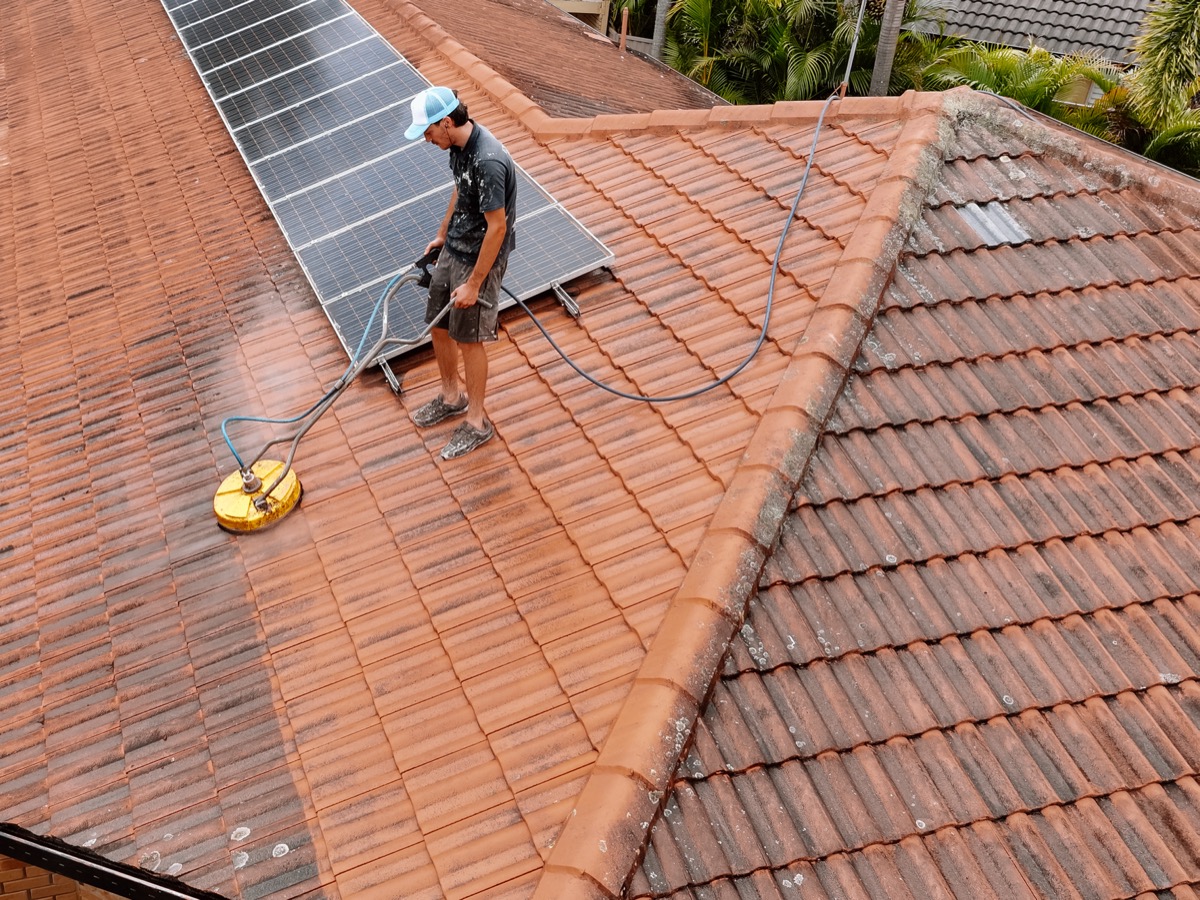
Easter Long Weekend: Time for Roof Inspection?
As Easter approaches and Gold Coast residents start planning their long weekend getaways, barbecues, and family gatherings, there's one item that rarely makes it onto the to-do list but absolutely should: your roof. After enduring the intense wet season from January through March and the tail end of cyclone season, your roof has been through a lot. The Easter long weekend presents a perfect opportunity to give it the attention it deserves before winter sets in.
Why This Matters NOW
Timing is everything when it comes to roof maintenance, and April represents a critical window for Gold Coast homeowners. Here's why the Easter long weekend is the ideal time to inspect your roof:
The Wet Season Has Just Ended
The Gold Coast receives approximately 1,400mm of rainfall annually, with the bulk falling between January and March. Your roof has just weathered months of heavy downpours, potential hail events, and humidity levels that regularly exceed 70%. This sustained moisture exposure can reveal weaknesses that weren't visible before—cracked tiles, compromised flashing, and deteriorating sealants often show their true condition only after prolonged wet weather.
Cyclone Season Is Wrapping Up
While the Gold Coast doesn't cop the full brunt of cyclones like our northern neighbours, we're still within the cyclone influence zone. The 2024-2025 season brought several weather systems that tracked close to Southeast Queensland, delivering damaging winds and intense rainfall. Even if your roof looks fine from ground level, the sustained wind pressures from these events can loosen fixings, lift ridge caps, and create entry points for future water damage.
You've Got Time to Address Issues Before Winter
Identifying roof problems in April gives you a solid six to eight weeks to organise repairs before the cooler, drier months arrive. Winter on the Gold Coast might be mild compared to southern states, but it brings its own challenges—morning dew, occasional frost in the hinterland areas, and the salt-laden onshore winds that never really stop. Getting your roof sorted now means you'll be prepared for whatever the rest of the year throws at it.
Seasonal Challenge Explanation
Understanding exactly what your roof has endured helps you know what to look for during your inspection.
Humidity and Moisture Damage
Gold Coast humidity is relentless. During the wet season, your roof experiences a constant cycle of saturation and partial drying that never quite completes. This creates the perfect environment for:
- Mould and lichen growth on tiles and in valleys
- Rust development on metal roofing and fixings
- Timber rot in fascia boards and roof battens
- Sealant breakdown around penetrations and flashings
Storm Damage Accumulation
Southeast Queensland averages around 40 thunderstorm days per year, with many concentrated in the wet season. Each storm delivers:
- Wind gusts that can exceed 100km/h
- Hail ranging from pea-sized to golf ball-sized
- Debris from surrounding trees and structures
- Intense rainfall that tests every seal and join
The cumulative effect of multiple storms often causes more damage than any single event. Tiles that shifted slightly in December might have moved further in February, and by April, you've got a genuine leak waiting to happen.
Salt Air Corrosion
Living within 10 kilometres of the coast—which includes most of the Gold Coast urban area—exposes your roof to salt-laden air year-round. This accelerates corrosion on:
- Metal roofing sheets
- Roof screws and fixings
- Gutters and downpipes
- Flashing and cappings
After a wet season with elevated humidity, the salt corrosion process kicks into overdrive.
Your Easter Roof Inspection Checklist
The long weekend gives you time to conduct a thorough assessment. Here's what to check:
From Ground Level (Safe and Recommended)
- Walk the perimeter of your home, looking up at the roof from all angles
- Check for visible damage such as cracked, broken, or missing tiles
- Look for sagging sections that might indicate structural issues
- Inspect gutters for rust, separation from the fascia, or overflow staining
- Note any moss or lichen growth visible on tiles or in valleys
- Check downpipes for secure connections and proper drainage direction
Inside Your Roof Space (If Safely Accessible)
- Look for daylight coming through the roof—there shouldn't be any
- Check for water stains on battens or the underside of sarking
- Inspect for pest activity including possums, rats, or birds
- Feel for dampness on timber structures
- Note any musty smells indicating moisture problems
Binoculars Inspection
Using binoculars from ground level, examine:
- Ridge caps for cracking or displacement
- Valleys for debris accumulation or rust
- Flashings around vents, skylights, and where the roof meets walls
- TV antennas and solar panels for secure mounting
Warning Signs That Demand Attention
Some issues require prompt professional assessment. Don't delay if you notice:
Exterior Warning Signs
- Multiple cracked or broken tiles in one area
- Ridge caps that have shifted or show gaps
- Visible rust patches on metal roofing
- Gutters pulling away from the fascia board
- Downpipes disconnected or pointing the wrong direction
- Ponding water on flat roof sections
- Paint peeling or bubbling on eaves and fascia (indicates moisture)
Interior Warning Signs
- Water stains on ceilings or walls, even if dry
- Peeling paint inside the home, particularly on upper levels
- Musty odours that intensify after rain
- Visible mould growth in corners or near the roofline
- Increased energy bills suggesting compromised insulation from water damage
What to Do If You Find Problems
Discovering issues during your Easter inspection doesn't need to ruin your long weekend. Here's how to handle various scenarios:
Minor Issues (Can Wait a Week or Two)
- Small amounts of debris in valleys
- Minor moss or lichen growth
- A single cracked tile with no signs of leaking
- Surface rust on gutters
Action: Take photos, note the location, and schedule an inspection for the following week.
Moderate Issues (Address Within Days)
- Multiple damaged tiles
- Visible gaps in ridge capping
- Gutters overflowing despite no blockage
- Flashing that's lifted or separated
Action: Organise a professional inspection as soon as the holiday period ends. Avoid using the area below the damage if possible.
Urgent Issues (Immediate Attention Required)
- Active leaks during rain
- Large sections of missing roofing
- Structural sagging visible
- Storm damage with exposed roof space
Action: Contact an emergency roofing service immediately. Use tarps or buckets to manage water intrusion temporarily, and document everything with photos for insurance purposes.
Professional Help Guidance
Knowing when to call in the experts saves money in the long run and keeps you safe.
DIY vs Professional: Where to Draw the Line
Suitable for DIY:
- Clearing debris from accessible gutters (ground level only)
- Hosing off accumulated dirt from tiles
- Taking photos for professional assessment
- Basic visual inspections from the ground
Always Requires a Professional:
- Any work that requires getting on the roof
- Tile replacement or repositioning
- Flashing repairs or replacement
- Valley restoration
- Structural assessments
- Insurance documentation inspections
What to Expect From a Professional Inspection
A comprehensive roof inspection from a QBCC licensed contractor like Radiant Roof Repairs typically includes:
- Complete roof walk to assess every section
- Detailed photographic documentation of findings
- Moisture testing in suspected problem areas
- Structural assessment of battens and trusses
- Written report with prioritised recommendations
- Accurate quotation for any required repairs
Professional inspections typically take 60-90 minutes for an average-sized home and provide the documentation needed for insurance claims or pre-sale requirements.
Understanding Repair Costs
Budgeting for roof work is easier when you know the typical ranges:
- Minor repairs (replacing a few tiles, resealing flashings): $500 - $1,500
- Moderate repairs (valley replacement, ridge cap repointing): $1,500 - $4,000
- Roof restoration (full clean, repairs, recoat): $2,500 - $8,000+
- Complete roof replacement: $19,999 - $45,000+ depending on size and materials
- Gutter replacement: $500 - $5,000+ depending on lineal metres
Addressing issues early almost always costs less than waiting until they become emergencies.
Easter Roof Inspection FAQs
Is Easter Actually a Good Time for Roof Inspections?
Absolutely. April sits in the sweet spot between the wet season ending and winter beginning. You've got stable weather conditions for inspections, and any repairs can be completed before the next challenging season. The long weekend also gives homeowners time they don't normally have for these important tasks.
How Often Should Gold Coast Roofs Be Inspected?
At minimum, twice yearly—once after the wet season (March-April) and once before it starts (October-November). Properties near the beach, under heavy tree cover, or with roofs over 15 years old benefit from quarterly visual checks. At Radiant Roof Repairs, we recommend professional inspections annually for roofs over 10 years old.
Can I Inspect My Own Roof Safely?
Ground-level inspections using binoculars are safe and effective for identifying obvious issues. However, climbing onto your roof is dangerous and should only be done by licensed professionals with appropriate safety equipment. Falls from roofs are one of the leading causes of serious injury in Australian homes.
What Does Wet Season Damage Typically Look Like?
Common wet season damage includes: water stains on ceilings, mould growth in roof spaces, displaced or cracked tiles, rust on metal components, degraded sealants around penetrations, and blocked or overflowing gutters. Some damage only becomes apparent after the rain stops and materials dry out.
How Much Does a Professional Roof Inspection Cost?
Professional inspections typically range from $200 to $400 depending on roof size, accessibility, and the level of detail required. Many reputable contractors offer free inspections when combined with a repair quote. Given that catching problems early can save thousands in repair costs, inspections represent excellent value.
Should I Wait Until I See a Leak Before Getting an Inspection?
Definitely not. By the time water is coming through your ceiling, significant damage has usually already occurred to your roof structure, insulation, and potentially electrical systems. Proactive inspections catch issues when they're small repairs rather than major renovations.
What Happens If I Find Storm Damage From Earlier This Year?
Document everything with photos and contact your insurance company promptly. Most home insurance policies cover storm damage, but there are time limits for making claims. A professional inspection report provides the documentation insurers require. Be aware that normal wear and tear is typically not covered—only sudden storm events.
How Long Do Roof Repairs Usually Take?
Minor repairs often take just a few hours. More extensive work like valley replacement or partial re-roofing might take one to three days. Full roof replacements typically require five to ten working days depending on size and weather conditions. Your contractor should provide a clear timeline before work begins.
Are There Government Rebates for Roof Work on the Gold Coast?
While there are no direct rebates for standard roof repairs, adding insulation during roof work may qualify for energy efficiency incentives. Solar panel installations, which often include roof assessment and repairs, may attract federal incentives. Check current offerings through the Queensland Government's energy programs.
What Questions Should I Ask a Roofing Contractor?
Always verify: QBCC licence number and currency, public liability insurance, workers compensation coverage, warranty terms on workmanship and materials, and references from recent local jobs. Ask for a written quote that details exactly what's included and any potential additional costs.
Conclusion
The Easter long weekend offers Gold Coast homeowners a valuable opportunity to assess their roof's condition after the demanding wet season and cyclone period. Taking a few hours to conduct a ground-level inspection—or better yet, arranging a professional assessment—can identify problems while they're still manageable repairs rather than expensive emergencies.
Your roof is your home's first line of defence against Queensland's challenging climate. The subtropical humidity, intense storms, and salt-laden coastal air test every component of your roofing system throughout the year. By using this natural break in the weather to evaluate your roof's condition, you're protecting your biggest investment and ensuring your family stays safe and dry.
If your Easter inspection reveals any concerns, don't wait for the next storm season to take action. The team at Radiant Roof Repairs is available throughout the Gold Coast, Brisbane, and Sunshine Coast regions to provide comprehensive inspections, honest assessments, and quality repairs backed by 25 years of local experience. Call us on 0480 855 390 to discuss your roof's needs.
Remember: a well-maintained roof doesn't just protect your home—it protects everything and everyone inside it.
*Daniel Morrison is a QBCC Licensed Roofing Specialist with over 25 years of experience serving Gold Coast homeowners.*