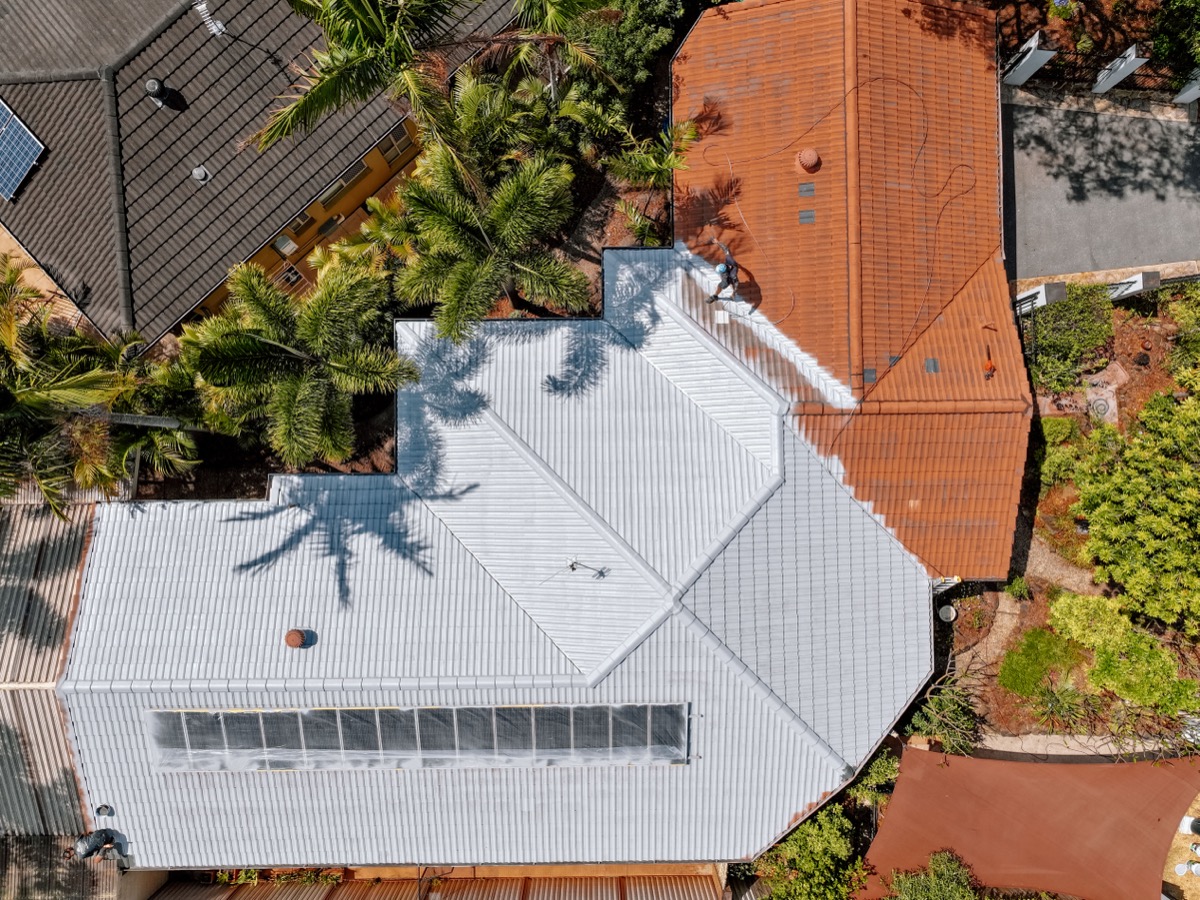
DIY Roof Maintenance vs Professional Service
Your roof is arguably the most critical component of your Gold Coast home, standing guard against everything our subtropical climate throws at it—from summer storms and cyclonic winds to relentless UV exposure and salt-laden coastal air. Understanding when you can safely tackle roof maintenance yourself and when to call in the professionals can save you thousands of dollars while keeping your family safe.
In this comprehensive guide, I'll draw on over 25 years of experience as a QBCC licensed roofing specialist to help you make informed decisions about your roof care. You'll learn which tasks are safe DIY projects, which ones require professional expertise, and how to recognise the warning signs that demand immediate attention. Whether you're a handy homeowner looking to save money or simply want to understand what's involved in proper roof maintenance, this guide will give you the knowledge you need.
Understanding Your Gold Coast Roof: The Basics
Before diving into the DIY versus professional debate, it's essential to understand what your roof endures on the Gold Coast. Our region presents unique challenges that don't exist in southern states or inland areas.
The Gold Coast Climate Challenge
Gold Coast roofs face a perfect storm of environmental stressors:
- Intense UV radiation: Queensland receives some of the highest UV levels in the world, causing accelerated degradation of roofing materials
- Salt air corrosion: Properties within 10 kilometres of the coast experience salt spray that attacks metal components and fasteners
- Humidity and moisture: Average humidity levels of 65-75% create ideal conditions for mould, mildew, and algae growth
- Storm season intensity: Between November and April, we experience severe thunderstorms, heavy rainfall, and occasional cyclonic conditions
- Temperature fluctuations: Daily temperature swings cause thermal expansion and contraction, stressing seals and fixings
These factors mean Gold Coast roofs typically require more frequent attention than those in milder climates. A roof that might last 25 years in Melbourne may only achieve 15-20 years here without proper maintenance.
Common Roof Types in Our Region
Understanding your roof type is crucial for determining appropriate maintenance:
Metal Roofing (Colorbond)
- Most popular choice for modern Gold Coast homes
- Excellent cyclone resistance when properly installed
- Susceptible to salt corrosion near the coast
- Requires regular inspection of fixings and flashings
Concrete and Terracotta Tiles
- Common in established suburbs like Robina, Burleigh, and Southport
- Heavy and durable but can crack under impact
- Prone to moss and lichen growth in shaded areas
- Bedding and pointing deteriorate over time
Asphalt Shingles
- Less common but found in some developments
- Vulnerable to UV degradation and storm damage
- Require more frequent replacement in our climate
Safe DIY Roof Maintenance Tasks
There are several roof maintenance tasks that most homeowners can safely perform without professional assistance. These tasks primarily involve ground-level inspections and basic cleaning that don't require you to climb onto the roof itself.
Ground-Level Visual Inspections
One of the most valuable things you can do for your roof costs nothing but a few minutes of your time. Regular ground-level inspections help identify problems before they become expensive repairs.
What to look for:
- Missing, cracked, or displaced tiles visible from the ground
- Rust stains or discolouration on metal roofing
- Sagging sections that indicate structural issues
- Debris accumulation in valleys and around penetrations
- Damaged or missing ridge capping
- Flashing that appears lifted or corroded
- Signs of moss, lichen, or algae growth
- Gutter condition and alignment
How often to inspect:
- Monthly during storm season (November-April)
- Immediately after severe weather events
- Quarterly during the dry season
- Annually as part of a comprehensive home maintenance check
Gutter Cleaning and Maintenance
Gutter maintenance is perhaps the most important DIY task for protecting your roof and home. Blocked gutters cause water to back up under roofing materials, leading to leaks, rot, and structural damage.
Safe gutter cleaning practices:
- Use a sturdy ladder rated for your weight plus equipment
- Have someone spot you at all times
- Never overreach—move the ladder frequently
- Wear gloves to protect against sharp edges and debris
- Use a gutter scoop or garden trowel to remove debris
- Flush gutters with a hose to check flow and identify leaks
- Check downpipes for blockages by running water through them
Gold Coast gutter cleaning schedule:
- Every 3-4 months minimum
- After major storms or high wind events
- More frequently if you have overhanging trees
- Before storm season begins (October-November)
Trimming Overhanging Vegetation
Trees and shrubs that overhang your roof create multiple problems: they drop leaves and debris, provide pathways for pests, retain moisture against roofing materials, and can cause physical damage during storms.
DIY vegetation management:
- Trim branches to maintain at least 2-metre clearance from the roof
- Remove dead branches that could fall during storms
- Clear vines and climbing plants from gutters and roof edges
- Keep shrubs trimmed away from the building to improve airflow
Important safety note: Only trim vegetation you can reach safely from the ground or a stable ladder. Large branches or anything requiring you to work at height near the roof should be left to professionals.
Minor Debris Removal
After storms, debris often accumulates on roofs and in valleys. While you shouldn't climb onto your roof to remove it, there are safe alternatives:
- Use a telescoping pole with a soft brush attachment
- Hire a professional if debris is substantial or roof access is required
- Never use high-pressure water from ground level—it can force water under tiles and flashings
When Professional Service is Essential
While DIY maintenance has its place, many roof-related tasks absolutely require professional expertise. Attempting these yourself risks personal injury, property damage, and potentially voiding your insurance or creating compliance issues.
Tasks That Require QBCC Licensed Professionals
Structural Repairs
Any repair that involves the roof structure—rafters, trusses, battens, or support beams—must be performed by licensed professionals. In Queensland, structural work requires appropriate licensing and often council approval.
Tile Replacement and Re-bedding
Walking on tiled roofs requires specific knowledge and technique. One misplaced step can crack multiple tiles, turning a simple repair into an expensive project. Professional roofers know how to:
- Walk on tiles without causing damage
- Identify and source matching replacement tiles
- Properly bed and point ridge capping
- Seal penetrations correctly
Metal Roof Repairs
Metal roofing work involves:
- Working with sharp edges that cause serious cuts
- Understanding thermal expansion allowances
- Proper fastener selection for coastal environments
- Correct sealant application techniques
- Maintaining warranty compliance
Flashing Repairs and Replacement
Flashings are the metal pieces that seal joints around chimneys, vents, skylights, and where roof planes meet walls. Improper flashing installation is the single most common cause of roof leaks. Professional installation ensures:
- Correct overlap and sealing
- Appropriate material selection for your roof type
- Proper integration with existing waterproofing
- Compliance with Australian standards
Leak Detection and Repair
Roof leaks are notoriously difficult to trace. Water often travels along rafters and battens, appearing inside your home far from the actual entry point. At Radiant Roof Repairs, we regularly see DIY leak repairs that have made problems worse or masked underlying issues.
Professional leak detection involves:
- Systematic inspection of likely entry points
- Understanding of water behaviour on different roof types
- Proper repair techniques that address the cause, not just the symptom
- Documentation for insurance purposes
Safety Considerations That Demand Professional Help
Working on roofs is inherently dangerous. Falls from heights are one of the leading causes of workplace deaths in Australia, and residential roofs present the same hazards as commercial sites.
You should call a professional if:
- Your roof pitch exceeds 20 degrees
- The work requires walking on the roof surface
- Access requires working near power lines
- You don't have appropriate safety equipment
- The roof surface is wet, mossy, or otherwise slippery
- You're uncomfortable with heights
- The work is more than 2 metres above ground level
Professional roofing contractors carry:
- Comprehensive public liability insurance
- Workers' compensation coverage
- Appropriate safety equipment and training
- QBCC licensing that protects you legally
The True Cost Comparison: DIY vs Professional
Many homeowners assume DIY roof maintenance saves money. While this can be true for basic tasks, the calculation becomes more complex when you factor in all costs and risks.
Actual DIY Costs
Equipment and materials:
- Quality extension ladder: $300-$800
- Safety harness system: $200-$500
- Gutter cleaning tools: $50-$150
- Sealants and repair materials: $50-$200
- Protective equipment (gloves, eyewear): $50-$100
Hidden costs:
- Your time (what's your hourly rate worth?)
- Risk of injury (medical bills, time off work)
- Potential for causing additional damage
- Warranty implications for incorrect repairs
- Insurance complications if something goes wrong
Professional Service Costs
Professional roof maintenance and repairs on the Gold Coast typically cost:
- Annual inspection and maintenance: $200-$400
- Gutter cleaning: $150-$350 depending on home size
- Minor repairs (single tiles, small areas): $500-$1,500
- Moderate repairs (multiple areas, flashing work): $1,500-$4,000
- Full roof restoration: $2,500-$8,000+
- Complete roof replacement: $19,999-$45,000+
- Gutter replacement: $500-$5,000+
The Cost of Getting It Wrong
Consider these real scenarios we encounter regularly:
Scenario 1: The DIY Leak Fix
Homeowner applies silicone sealant to what appears to be the leak source. Water continues entering but is now diverted to a different location, causing hidden damage to ceiling joists. By the time the leak becomes obvious again, repair costs have tripled.
Scenario 2: The Pressure Washing Disaster
Homeowner pressure washes their tiled roof to remove moss. The high pressure strips protective coatings, forces water under tiles, and damages bedding. The roof now needs complete restoration rather than simple moss treatment.
Scenario 3: The Insurance Claim Rejection
Homeowner attempts their own storm damage repairs. When further damage occurs, the insurance company rejects the claim because unlicensed work was performed on the roof.
Seasonal Roof Maintenance Calendar for Gold Coast Homes
Proper timing of roof maintenance maximises effectiveness and minimises risk. Here's an annual calendar tailored to our local conditions:
September-October (Pre-Storm Season)
DIY tasks:
- Complete ground-level inspection
- Clear gutters and downpipes thoroughly
- Trim overhanging vegetation
- Check and clear drainage around the property
Professional tasks:
- Annual roof inspection
- Address any repairs identified
- Check and secure loose components
- Inspect and repair flashings
November-April (Storm Season)
DIY tasks:
- Monthly gutter checks and cleaning
- Post-storm ground inspections
- Document any visible damage for insurance
- Keep trees and debris clear of the building
Professional tasks:
- Emergency repairs after storm damage
- Insurance inspection reports
- Temporary weatherproofing if needed
May-August (Dry Season)
DIY tasks:
- Quarterly gutter maintenance
- General property tidying
- Plan and budget for any needed work
Professional tasks:
- Ideal time for major repairs and restoration
- Roof painting and coating
- Non-urgent replacement work
- Moss and lichen treatment
Warning Signs That Demand Immediate Professional Attention
Some roof problems require urgent professional assessment. Delaying action on these issues typically results in significantly higher repair costs and potential safety hazards.
Inside Your Home
- Water stains on ceilings or walls (even if not actively dripping)
- Musty odours in upper floors or roof space
- Visible daylight through roof boards in the attic
- Sagging ceiling sections
- Mould growth on interior surfaces
- Increased energy bills (indicating insulation problems)
On the Roof Exterior
- Multiple missing or damaged tiles
- Significant rust patches on metal roofing
- Lifted or displaced flashing
- Sagging roof sections visible from ground level
- Large debris impacts (branches through roofing)
- Visible holes or gaps in roofing material
After Weather Events
- Any storm with winds exceeding 90 km/h
- Hail events (even if damage isn't immediately visible)
- Flooding that may have affected the roof space
- Lightning strikes on or near the property
How to Choose a Professional Roofing Contractor
When professional service is needed, choosing the right contractor is crucial. Unfortunately, the roofing industry has its share of operators who take advantage of homeowners, particularly after storms.
Essential Qualifications
QBCC Licensing
In Queensland, any building work over $3,300 must be performed by a QBCC licensed contractor. You can verify licenses at the QBCC website. At Radiant Roof Repairs, we maintain full QBCC licensing and are happy to provide our license number for verification.
Insurance
Professional contractors should carry:
- Public liability insurance (minimum $10 million recommended)
- Workers' compensation for all employees
- Professional indemnity insurance
Experience
Look for contractors with:
- Established local presence (not just a phone number)
- Demonstrated experience with your roof type
- Knowledge of local conditions and building codes
- Positive reviews from verified customers
Red Flags to Watch For
- Door-to-door solicitation after storms
- Pressure to sign contracts immediately
- Requests for large upfront payments
- No physical business address
- Unable or unwilling to provide license numbers
- Quotes significantly below market rates
- No written warranty offered
Questions to Ask Potential Contractors
- What is your QBCC license number?
- Can you provide proof of insurance?
- How long have you operated on the Gold Coast?
- Do you provide written quotes and contracts?
- What warranty do you offer on workmanship?
- Can you provide references from recent jobs?
- Do you handle insurance claims?
- What is your expected timeline for the work?
Creating Your Home Roof Maintenance Plan
Every Gold Coast homeowner should have a documented roof maintenance plan. This helps ensure nothing is overlooked and provides valuable documentation for insurance and resale purposes.
Your Maintenance Checklist
Monthly (DIY):
- [ ] Ground-level visual inspection
- [ ] Check for visible damage after storms
- [ ] Ensure gutters are flowing freely
Quarterly (DIY):
- [ ] Thorough gutter cleaning
- [ ] Check downpipe flow
- [ ] Inspect visible flashings from ground
- [ ] Document any changes with photos
Annually (Professional):
- [ ] Full roof inspection by licensed contractor
- [ ] Address any identified repairs
- [ ] Obtain written condition report
- [ ] Update home maintenance records
Every 10-15 Years (Professional):
- [ ] Consider roof restoration
- [ ] Evaluate replacement options
- [ ] Update for current building codes
Documentation Best Practices
Maintain a folder (physical or digital) containing:
- Original roof installation documentation
- Professional inspection reports
- Repair invoices and warranties
- Before/after photos of any work
- Insurance claim records
- Manufacturer warranties for materials
This documentation proves invaluable when selling your home, making insurance claims, or planning major work.
Frequently Asked Questions
How often should I have my Gold Coast roof professionally inspected?
We recommend annual professional inspections for most Gold Coast homes, ideally in September or October before storm season. Homes within 5 kilometres of the coast, properties with mature trees nearby, or roofs over 15 years old may benefit from twice-yearly inspections. Regular professional inspections typically cost $200-$400 and can identify small problems before they become major expenses.
Can I walk on my tiled roof to inspect it myself?
Walking on a tiled roof without proper training is not recommended. Each misplaced step can crack tiles, creating new problems while you're looking for existing ones. Terracotta and concrete tiles are particularly vulnerable when the roof is wet or when tiles have become brittle with age. Professional roofers are trained to walk on specific areas of the tile to distribute weight safely. If you need to inspect your roof closely, it's best to hire a professional or use binoculars and a ladder at the roof edge.
What's the difference between roof repair and roof restoration?
Roof repair addresses specific problems—replacing broken tiles, fixing leaks, or repairing damaged flashings. Costs typically range from $500 to $4,000 depending on the extent of damage. Roof restoration is a comprehensive process that renews the entire roof surface through cleaning, repairs, resealing, and protective coating. Restoration costs $2,500 to $8,000+ but can extend your roof's life by 10-15 years. Restoration is generally recommended when there are multiple small issues or when the roof is showing its age but doesn't yet need replacement.
How do I know if my roof needs replacement rather than repair?
Several factors indicate replacement may be more economical than ongoing repairs: the roof is approaching or past its expected lifespan (20-25 years for tiles, 30+ years for quality metal); repairs are becoming frequent and cumulative costs are mounting; there's structural damage to battens or rafters; the roof no longer meets current building codes for wind resistance; or you're planning renovations that would require significant roof modifications anyway. A professional assessment can help you compare the long-term costs of repair versus replacement.
Is it worth installing gutter guards to reduce maintenance?
Gutter guards can significantly reduce debris accumulation and cleaning frequency, but they're not maintenance-free solutions. Quality gutter guard systems ($1,500-$4,000 installed) can reduce cleaning from 4-6 times yearly to 1-2 times. However, they still require periodic inspection and cleaning as fine debris and dirt accumulate on top. Mesh-style guards work well for leaves but may clog with pine needles or seed pods. Consider your specific tree species and debris types when choosing a system. For homes with heavy tree coverage, professional gutter cleaning may remain more economical than guards.
What should I do immediately after a severe storm?
First, ensure everyone is safe and stay away from any obviously damaged areas. From ground level, photograph any visible damage for insurance purposes. If water is entering the home, place containers to catch drips and move valuables away from affected areas. Contact your insurance company to report potential damage. If damage is severe or you suspect structural issues, arrange for emergency professional assessment. Avoid attempting temporary repairs yourself, as this can complicate insurance claims and potentially cause additional damage.
How can I tell if a roof leak is serious?
All roof leaks should be taken seriously, but some require more urgent attention than others. Signs of a serious leak include: water actively dripping during or after rain; large or growing water stains on ceilings; sagging in ceiling materials; multiple leak points; electrical fixtures affected by water; or musty smells indicating hidden moisture. Even small leaks cause cumulative damage to insulation, framing, and interior finishes. The sooner any leak is professionally assessed and repaired, the less secondary damage will occur.
Should I repair my roof before selling my house?
A well-maintained roof significantly impacts property value and buyer confidence. Pre-sale roof inspections often reveal issues that can derail settlements if discovered during buyer inspections. We recommend getting a professional inspection before listing, then addressing any items that would concern buyers or affect the building report. Minor repairs ($500-$2,000) typically return many times their cost in smoother negotiations and better sale prices. For roofs nearing replacement, obtain quotes so you can discuss options transparently with potential buyers.
How do I safely clean moss and algae from my roof?
Moss and algae are common on Gold Coast roofs, particularly in shaded areas. While various DIY treatments exist, professional cleaning is recommended for several reasons: walking on moss-covered roofs is extremely slippery and dangerous; pressure washing can damage tiles and void warranties; incorrect chemical treatments can harm roofing materials, plants, and water tanks. Professional moss treatment typically costs $400-$800 and includes appropriate biocide application, gentle removal techniques, and protective treatment to delay regrowth.
What qualifications should a roofing contractor have in Queensland?
Queensland roofing contractors must hold appropriate QBCC (Queensland Building and Construction Commission) licensing for the work they perform. For general roofing work, look for a contractor's license that covers roofing—you can verify this on the QBCC website using the contractor's license number. Additionally, contractors should carry current public liability insurance (minimum $10 million recommended) and workers' compensation for their employees. Don't hesitate to ask for these details; reputable contractors like Radiant Roof Repairs readily provide license and insurance verification.
Can I claim roof repairs on insurance?
Roof repairs resulting from insured events—storms, hail, fallen trees, or other covered incidents—may be claimable on your home insurance. Key requirements include: the damage was caused by a specific insured event (not general wear and tear); you report the damage promptly; you can document the damage with photos; and repairs are performed by licensed contractors with proper invoicing. Review your policy for excess amounts and coverage limits. Insurance generally doesn't cover maintenance, gradual deterioration, or pre-existing problems. If you suspect storm damage, document it immediately even if leaks aren't apparent.
How long does a typical Gold Coast roof last?
Roof lifespan varies significantly based on material, installation quality, and maintenance:
- Colorbond/metal roofing: 30-50+ years with proper maintenance
- Concrete tiles: 30-50 years, though bedding and pointing need attention every 15-20 years
- Terracotta tiles: 50-100 years for quality tiles, with similar bedding maintenance needs
- Asphalt shingles: 15-25 years (shorter in Queensland's UV conditions)
Coastal properties typically see 10-20% shorter lifespans due to salt air corrosion. Regular maintenance can add years to any roof's service life.
What's the best time of year for roof repairs on the Gold Coast?
May through August (our dry season) offers the most reliable conditions for roof work—lower humidity, minimal rain interruption, and comfortable working temperatures. This period is ideal for non-urgent repairs, restoration, and replacement projects. However, urgent repairs shouldn't wait—professional contractors work year-round and can perform most repairs in suitable weather windows even during storm season. For planned major work, book well ahead as reputable contractors' schedules fill quickly during the optimal months.
How much does it cost to replace a roof on a typical Gold Coast home?
Complete roof replacement for an average Gold Coast home (150-250m²) typically ranges from $19,999 to $45,000+. Costs vary based on:
- Roof size and complexity (valleys, hips, multiple levels)
- Material choice (basic Colorbond vs premium tiles)
- Access difficulty and safety requirements
- Removal and disposal of existing materials
- Any structural repairs needed
- Insulation upgrades
- Gutter and fascia replacement if required
Always obtain multiple quotes from licensed contractors and ensure quotes include all components for accurate comparison.
Do I need council approval for roof repairs or replacement?
Minor repairs (replacing broken tiles, fixing leaks, repairing flashings) typically don't require council approval. However, approval may be needed for: complete roof replacement if changing materials or significantly altering appearance; structural modifications; work in heritage-listed areas; or changes that affect neighbouring properties (such as altered drainage). If your home is in a body corporate, additional approvals may apply. Your roofing contractor should advise whether permits are required, and reputable companies handle the application process as part of their service.
Conclusion
Maintaining your Gold Coast roof is a partnership between informed homeownership and professional expertise. By understanding which tasks you can safely handle yourself and when to call in qualified professionals, you protect both your investment and your family.
The key takeaways from this guide:
- Regular ground-level inspections and gutter maintenance are valuable DIY tasks that every homeowner should perform
- Any work requiring roof access should be left to QBCC licensed professionals with proper insurance and equipment
- Timing matters—schedule major work during the dry season and ensure your roof is storm-ready before November
- Documentation of all maintenance and repairs protects you for insurance claims and property sales
- Choose contractors carefully—verify licensing, insurance, and local reputation before engaging any roofing service
Your roof endures extraordinary conditions on the Gold Coast. With proper care combining your own vigilance with professional maintenance, it will protect your home and family for decades to come.
If you have concerns about your roof's condition or would like to schedule a professional inspection, contact Radiant Roof Repairs on 0480 855 390. With over 25 years of Gold Coast experience, we provide honest assessments and quality workmanship you can trust.
*Daniel Morrison is a QBCC Licensed Roofing Specialist with over 25 years of experience on the Gold Coast. He leads the team at Radiant Roof Repairs, serving homeowners across the Gold Coast, Brisbane, and Sunshine Coast.*