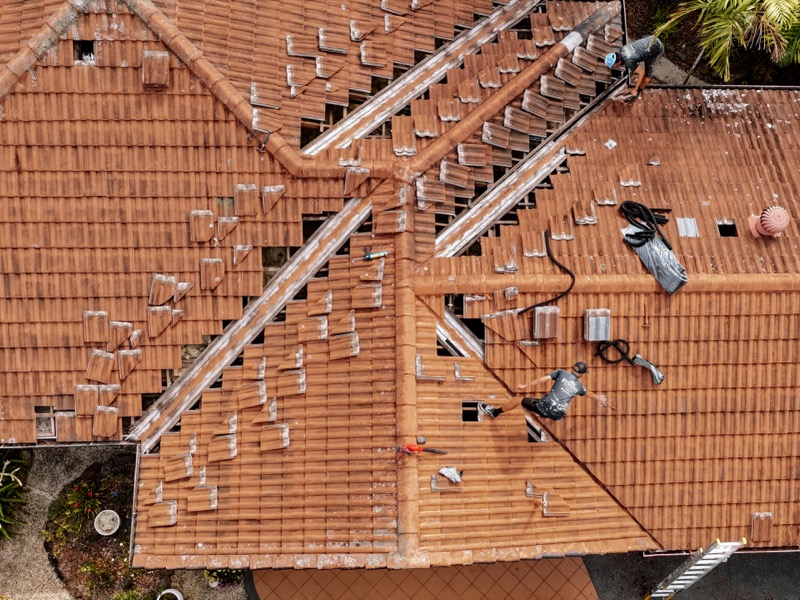
Common Roof Problems in Gold Coast Homes
Living on the Gold Coast means enjoying stunning beaches, a subtropical climate, and an outdoor lifestyle that's the envy of many Australians. However, this beautiful coastal environment also presents unique challenges for your home's roof. From intense UV radiation and salt-laden air to severe summer storms and high humidity, Gold Coast roofs endure conditions that can accelerate wear and create problems that homeowners elsewhere might never encounter.
In this comprehensive guide, I'll draw on my 25+ years of experience as a QBCC licensed roofing specialist to walk you through the most common roof problems affecting Gold Coast homes. You'll learn how to identify early warning signs, understand what causes these issues, and know when it's time to call in a professional. Whether you own a classic Queenslander, a modern coastal home, or anything in between, this guide will help you protect one of your most valuable assets—your roof.
Understanding the Gold Coast Climate and Its Impact on Roofs
Before we dive into specific problems, it's essential to understand why the Gold Coast climate is particularly demanding on roofing materials. Our region experiences a humid subtropical climate characterised by:
- High UV radiation: Queensland receives some of the highest UV levels in the world, causing roofing materials to degrade faster than in southern states
- Salt air exposure: Homes within 10 kilometres of the coast are constantly exposed to salt-laden air that corrodes metal components
- Intense summer storms: The Gold Coast averages 120 days of rain per year, with many featuring heavy downpours and damaging hail
- High humidity: Average humidity levels of 60-70% create perfect conditions for mould, moss, and algae growth
- Temperature fluctuations: Summer temperatures regularly exceed 30°C, causing thermal expansion and contraction in roofing materials
These conditions combine to create a challenging environment that can reduce a roof's lifespan by 20-30% compared to homes in more temperate climates. Understanding these factors helps explain why regular roof maintenance is so critical for Gold Coast homeowners.
Damaged or Missing Roof Tiles and Shingles
Identifying Tile and Shingle Damage
Terracotta and concrete tiles remain the most popular roofing materials on the Gold Coast, covering approximately 70% of homes in our region. While these materials are durable, they're not immune to damage.
Signs of tile damage to look for:
- Cracked, chipped, or broken tiles visible from ground level
- Tiles that appear shifted or sitting at odd angles
- Accumulation of tile fragments in gutters or around the home's perimeter
- Visible daylight through the roof space (check from inside your ceiling cavity)
- Water stains on ceilings, particularly after rain
- Missing tiles creating obvious gaps in your roofline
Common Causes of Tile Damage on the Gold Coast
Storm damage is the leading cause of tile problems in our region. The Gold Coast experiences an average of 25-30 severe thunderstorms annually, often accompanied by damaging hail. Even hailstones the size of golf balls—which we see several times each summer—can crack terracotta tiles or dislodge them from their bedding.
Thermal stress is another significant factor. When temperatures soar above 35°C, tiles expand; when evening temperatures drop, they contract. This constant cycle weakens tiles over time, making them more susceptible to cracking.
Foot traffic from tradespeople accessing your roof for antenna installation, solar panel maintenance, or air conditioning work can crack tiles. Always ensure any tradesperson working on your roof has experience walking on tiled roofs and takes appropriate precautions.
Age-related deterioration affects all tiles eventually. Concrete tiles typically last 30-50 years, while terracotta can last 50-100 years with proper maintenance. However, the Gold Coast's harsh conditions often reduce these lifespans.
What You Can Do
From ground level, conduct a visual inspection of your roof every three months. Use binoculars to get a closer look without climbing onto the roof. After any significant storm, check for obvious damage. If you notice more than one or two damaged tiles, it's time to call a professional for a thorough inspection.
Cost indicator: Professional tile repairs typically range from $500 to $2,500 depending on the extent of damage and accessibility.
Metal Roof Corrosion and Rust
The Salt Air Challenge
Metal roofing—particularly Colorbond—has become increasingly popular on the Gold Coast due to its durability and cyclone rating. However, our coastal environment presents specific challenges for metal roofs that inland homeowners don't face.
Salt air accelerates corrosion dramatically. Homes within 1 kilometre of the ocean may see corrosion appear within 5-10 years, even on quality Colorbond products. This corrosion typically starts at:
- Cut edges where the protective coating has been exposed
- Screw penetrations and fixing points
- Areas where debris accumulates and holds moisture
- Overlapping joints where water can become trapped
- Valleys and gutters where salt deposits concentrate
Signs of Metal Roof Corrosion
Early warning signs:
- White powdery residue (white rust) appearing on zinc-coated surfaces
- Bubbling or flaking of painted surfaces
- Orange or brown rust stains, particularly around screws and joins
- Water stains inside the home near roof penetrations
Advanced corrosion signs:
- Visible holes or perforations in roofing sheets
- Extensive rust spreading across panels
- Sagging or weakened sections of roofing
- Significant water ingress during rain
Prevention and Treatment
Regular washing is your first line of defence. Homes within 5 kilometres of the coast should have their metal roofs washed with fresh water at least twice yearly to remove salt deposits. This simple maintenance can extend your roof's life by decades.
Prompt treatment of early rust spots can prevent spreading. Small areas of surface rust can often be treated with rust converter and touch-up paint. However, significant corrosion requires professional assessment.
Upgrade considerations: When replacing a metal roof near the coast, consider investing in marine-grade coatings or stainless steel fixings, which offer superior corrosion resistance.
Cost indicator: Metal roof restoration ranges from $2,500 to $8,000+, while full replacement typically costs $19,999 to $45,000+ depending on roof size and material choice.
Leaking Roofs and Water Damage
Why Gold Coast Roofs Leak
Roof leaks are the most common complaint we receive at Radiant Roof Repairs, and our subtropical climate creates perfect conditions for water ingress. Understanding where and why leaks occur helps you identify problems early.
Common leak locations:
- Valleys: Where two roof planes meet, creating a channel for water flow. These high-flow areas are particularly vulnerable during heavy Gold Coast downpours
- Flashings: Metal strips that seal the junction between roofing materials and penetrations like chimneys, vents, and skylights. Flashings deteriorate faster in salt air environments
- Ridge caps: The tiles or metal pieces covering the peak of your roof. Bedding and pointing (the morite mortar holding these in place) deteriorates in our climate within 10-15 years
- Roof penetrations: Any hole cut in your roof for pipes, vents, antennas, or air conditioning units creates potential leak points
- Broken or displaced tiles: Even a single broken tile can allow significant water entry during heavy rain
Identifying Hidden Leaks
Not all leaks are obvious. Water can travel along rafters and battens before dripping, making the source difficult to locate. Look for:
- Ceiling stains that appear after rain, even if they dry between events
- Musty odours in rooms below the roofline
- Peeling paint on ceilings or walls
- Mould growth on interior surfaces
- Swelling or warping of ceiling materials
- Increased humidity in specific rooms
The True Cost of Ignoring Leaks
A small leak might seem minor, but water damage compounds quickly in our humid climate:
- Structural damage: Water-soaked timber framing can lose up to 50% of its strength and attract termites
- Mould growth: Gold Coast humidity accelerates mould growth, which can become established within 24-48 hours of water exposure
- Electrical hazards: Water near electrical wiring creates serious safety risks
- Insulation damage: Wet insulation loses its effectiveness and can harbour mould
- Increased repair costs: A $500 repair left untreated can become a $5,000+ problem within months
Cost indicator: Leak repairs typically range from $500 to $2,500, though complex repairs involving structural damage can exceed $4,000.
Ridge Cap and Pointing Deterioration
Understanding Ridge Caps and Pointing
Ridge caps are the tiles or metal pieces that cover the peak of your roof where two planes meet. They're secured with bedding (a sand and cement mix) and sealed with pointing (a flexible mortar). This system is critical for weatherproofing but is particularly vulnerable in Queensland's climate.
Why Pointing Fails on the Gold Coast
Traditional cement-based pointing is rigid and cannot accommodate the thermal movement caused by our temperature extremes. When daytime temperatures hit 35°C+ and overnight temperatures drop to 20°C, roofing materials expand and contract significantly. Rigid pointing cracks under this stress, creating gaps for water entry.
Signs of pointing failure:
- Visible cracks in the mortar along ridge lines
- Sections of pointing that have fallen away completely
- Ridge cap tiles that move when touched
- Mortar debris in gutters or on the ground
- Water stains on ceilings below the ridge line
Modern Solutions
Flexible pointing compounds have largely replaced traditional cement mortar for ridge cap bedding and pointing. These products can accommodate thermal movement without cracking and typically last 15-20 years compared to 5-10 years for traditional pointing.
When repointing is needed:
- If your home is more than 15 years old with original pointing
- After storm damage to ridge caps
- If you notice any of the warning signs above
- Before selling your home (it's a common issue identified in building inspections)
Cost indicator: Ridge cap repointing typically costs $1,500 to $4,000 depending on roof size and accessibility.
Gutter and Downpipe Issues
The Critical Role of Gutters
Gutters and downpipes are integral to your roof's performance, directing thousands of litres of water away from your home during each rainfall event. On the Gold Coast, where we can receive 100mm+ of rain in a single storm, properly functioning gutters are essential.
Common Gutter Problems
Blockages and debris accumulation
Gold Coast homes, particularly those near bushland or with overhanging trees, face constant debris accumulation. Leaves, twigs, possum droppings, and even tennis balls can block gutters, causing:
- Water overflow during rain
- Increased weight stress on gutter brackets
- Accelerated corrosion from standing water
- Pest harbourage (mosquitoes breed in standing water)
Corrosion and rust
Metal gutters face the same salt air challenges as metal roofs. Look for:
- Rust spots, particularly at joins
- White oxidation on aluminium gutters
- Leaking joins where corrosion has created holes
Incorrect fall
Gutters must slope correctly toward downpipes (typically 1:500 ratio). Settlement, storm damage, or poor installation can create sections that hold water instead of draining. Signs include:
- Visible sagging sections
- Standing water in gutters between rain events
- Overflowing during rain while downpipes aren't at capacity
- Water marks or staining at gutter high points
Inadequate capacity
Many older Gold Coast homes have gutters sized for lighter rainfall. With climate change bringing more intense storm events, these gutters can't handle peak flows, resulting in overflow and potential water damage to fascia boards and wall cavities.
Gutter Maintenance Tips
- Clean gutters at least twice yearly (more often with overhanging trees)
- Consider gutter guard installation to reduce debris accumulation
- Check downpipe connections for leaks annually
- Ensure downpipes direct water at least 1 metre away from foundations
- Inspect for rust and treat early signs promptly
Cost indicator: Gutter cleaning typically costs $150-$350, while gutter replacement ranges from $500 to $5,000+ depending on linear metres and material choice.
Storm Damage and Emergency Situations
Gold Coast Storm Season Realities
The Gold Coast storm season runs primarily from October to March, though severe weather can occur year-round. During this period, our region experiences:
- Severe thunderstorms with damaging wind gusts exceeding 100km/h
- Large hail events (the November 2014 Brisbane hailstorm caused over $1.5 billion in damage)
- Heavy rainfall exceeding 100mm per hour during intense cells
- Occasional tornado activity in supercell thunderstorms
Types of Storm Damage
Wind damage:
- Lifted or missing tiles and shingles
- Peeled back metal roofing sheets
- Collapsed or damaged ridge caps
- Fallen trees and branches puncturing roofs
- Damaged flashings and cappings
Hail damage:
- Cracked, chipped, or shattered tiles
- Dented metal roofing and gutters
- Damaged skylights and roof vents
- Compromised waterproof membranes
Water damage:
- Overflowing gutters causing fascia damage
- Leaks through compromised roofing materials
- Flooding through damaged ceiling spaces
Immediate Steps After Storm Damage
- Safety first: Don't climb onto a damaged roof. Wait for professional assessment
- Document damage: Take photos and videos from ground level for insurance purposes
- Temporary protection: If safe to do so, use tarps to cover obvious holes, or call professionals for emergency tarping
- Contact your insurer: Report damage promptly; most policies require notification within specific timeframes
- Engage qualified contractors: Be wary of storm chasers; always verify QBCC licensing
Insurance Considerations
Most home insurance policies cover storm damage, but understanding your policy is crucial:
- Check your excess amount before claiming
- Understand what "storm damage" means in your policy (some exclude certain events)
- Keep all receipts for emergency repairs
- Don't authorise permanent repairs before insurer approval unless essential
- Get multiple quotes—insurers often prefer this
Moss, Mould, Lichen, and Algae Growth
Why Biological Growth Thrives on Gold Coast Roofs
Our humid subtropical climate creates ideal conditions for biological growth on roofing surfaces. Moss, mould, lichen, and algae aren't just unsightly—they can cause significant damage if left untreated.
Conditions favouring growth:
- High humidity (Gold Coast averages 65-75%)
- Shaded roof areas
- North and south-facing slopes (less UV exposure)
- Porous roofing materials like concrete tiles
- Debris accumulation providing nutrients
The Damage Biological Growth Causes
Moss:
- Holds moisture against roofing materials, accelerating deterioration
- Root systems can penetrate and lift tiles
- Creates dam effects that redirect water under tiles
- Increases weight load on roof structure
Lichen:
- Produces acids that erode tile surfaces
- Penetrates deeply into porous materials
- Extremely difficult to remove once established
- Can reduce tile lifespan by 20-30%
Algae and mould:
- Creates slippery surfaces (safety hazard)
- Retains moisture, promoting further growth
- Can spread to interior surfaces through leaks
- Affects indoor air quality if it reaches living spaces
Treatment and Prevention
Professional cleaning using appropriate methods (soft washing with biocides rather than high-pressure cleaning, which can damage tiles) removes existing growth. Follow-up treatments can inhibit regrowth for 2-5 years.
Preventive measures:
- Trim overhanging trees to increase sunlight and airflow
- Keep gutters clean to reduce moisture accumulation
- Install zinc or copper strips near ridges (these metals inhibit biological growth)
- Schedule professional cleaning every 3-5 years
Cost indicator: Professional roof cleaning and treatment typically costs $500-$1,500 depending on roof size and extent of biological growth.
Sagging Roofs and Structural Issues
Recognising Structural Problems
A sagging roof is a serious issue requiring immediate professional attention. While minor variations in rooflines are normal in older homes, significant sagging indicates structural problems that will only worsen over time.
Warning signs:
- Visible dips or waves in the roofline when viewed from street level
- Interior ceilings that appear uneven or bowed
- Doors or windows that have become difficult to open or close
- Cracking in interior walls, particularly near the ceiling
- Gaps appearing between walls and ceilings
Common Causes of Structural Roof Issues
Termite damage:
Queensland has some of Australia's highest termite activity. These pests can silently destroy roof timbers, leaving them structurally compromised. Annual termite inspections are essential.
Water damage:
Prolonged moisture exposure weakens timber framing. Leaks that go unaddressed allow rot to develop, reducing the load-bearing capacity of rafters and trusses.
Inadequate original construction:
Some older homes were built with undersized timbers or insufficient bracing. As roofing materials have become heavier (concrete tiles replacing lighter materials), these structures may struggle.
Overloading:
Adding solar panels, air conditioning units, or multiple satellite dishes without assessing structural capacity can stress roof framing beyond its limits.
Age and fatigue:
Timber structures naturally weaken over decades. Homes over 50 years old should have regular structural assessments.
Professional Assessment Is Essential
Structural roof issues are beyond DIY assessment or repair. If you notice any warning signs, contact a licensed builder or structural engineer immediately. At Radiant Roof Repairs, we work with structural specialists to assess and address these serious issues.
Cost indicator: Structural repairs vary significantly based on extent of damage. Minor truss repairs might cost $2,000-$5,000, while major structural work can exceed $20,000.
When to Call a Professional Roofer
Signs You Need Professional Help
While regular visual inspections are valuable, certain situations require professional expertise:
Call immediately if:
- Water is actively entering your home
- Structural damage is visible (sagging, collapsed sections)
- Storm damage has created holes or lifted roofing
- You notice electrical issues potentially related to water ingress
Schedule prompt professional inspection for:
- Multiple damaged or missing tiles
- Visible rust spreading on metal roofing
- Evidence of leaks (stains, mould, musty odours)
- Ridge cap damage or failed pointing
- Gutters overflowing despite being clear of debris
- Any roof over 20 years old without recent inspection
Consider professional maintenance for:
- Regular cleaning and treatment of biological growth
- Gutter cleaning for multi-storey homes
- Pre-sale building preparation
- Annual maintenance programs
Choosing a Qualified Roofing Contractor
Queensland has strict licensing requirements for roofing work. Before engaging any contractor:
- Verify QBCC licensing: All roofing work over $3,300 requires a licensed contractor. Check licenses at the QBCC website
- Confirm insurance: Request certificates of currency for public liability and worker's compensation
- Get multiple quotes: Three quotes allow you to compare scope and pricing
- Check reviews: Online reviews and word-of-mouth recommendations indicate reliability
- Written contracts: Ensure all work is documented in a written contract
- Warranty information: Understand what warranties apply to materials and workmanship
The Radiant Roof Repairs Difference
At Radiant Roof Repairs, we bring over 25 years of Gold Coast roofing experience to every job. Our QBCC licensed team understands the unique challenges our coastal climate presents. We service the Gold Coast, Brisbane, and Sunshine Coast, providing comprehensive roof repairs, restoration, and replacement services. Contact us on 0480 855 390 for a thorough roof assessment.
Frequently Asked Questions About Gold Coast Roof Problems
How often should I have my roof inspected on the Gold Coast?
We recommend professional roof inspections at least every two years for homes under 15 years old, and annually for older properties. Additionally, always have your roof inspected after significant storm events. The combination of salt air, UV exposure, and storm activity means Gold Coast roofs age faster than those in more temperate climates. Regular inspections catch minor issues before they become expensive repairs.
What is the most common roof problem in Gold Coast homes?
Leaking is the most common complaint we receive, typically caused by failed pointing on ridge caps, cracked tiles, or deteriorated flashings. These issues are accelerated by our subtropical climate—the intense UV degrades sealants faster, thermal cycling cracks rigid materials, and heavy storm rain tests every weakness in a roof's waterproofing. Most leaks can be prevented through regular maintenance and prompt repairs.
How much does it cost to repair a leaking roof on the Gold Coast?
Roof leak repairs typically range from $500 for minor repairs like replacing a few tiles or resealing flashings, to $4,000+ for more complex work involving multiple leak points, valley repairs, or extensive tile replacement. The cost depends on the leak's cause, accessibility, and how long the damage has been present. Early intervention is always more economical—a leak left for months will cost significantly more to repair than one addressed promptly.
Can I repair my roof myself, or should I hire a professional?
While minor maintenance like clearing gutters or visually inspecting from ground level is appropriate for homeowners, actual roof repairs should be left to licensed professionals. Queensland law requires QBCC licensing for roofing work exceeding $3,300, but even smaller repairs carry significant risks. Falls from roofs cause serious injuries every year, and incorrect repairs can void warranties, create larger problems, and potentially affect insurance coverage. Professional roofers have the training, equipment, and insurance to work safely at height.
How long do roof tiles last on the Gold Coast?
Concrete tiles typically last 30-50 years on the Gold Coast, while terracotta tiles can last 50-100 years. However, these lifespans assume proper maintenance and can be reduced by 20-30% in harsh coastal conditions or if maintenance is neglected. The tiles themselves often outlast the pointing and bedding that secures them, which typically needs replacement every 15-20 years. Quality installation, regular maintenance, and prompt repairs maximise your roof's lifespan.
How do I know if my roof damage is covered by insurance?
Most home insurance policies cover sudden storm damage but exclude gradual deterioration and lack of maintenance. The key distinction is whether damage resulted from a specific event (storm, hail, fallen tree) or developed over time (rust, worn pointing, blocked gutters causing overflow). Document any storm damage immediately with photos and video, report it promptly to your insurer, and don't authorise permanent repairs until you've spoken with your insurance company. Keep all receipts for emergency measures like tarping.
What causes roof tiles to crack on the Gold Coast?
Gold Coast roof tiles crack due to thermal stress (expansion and contraction from temperature changes), impact damage (hail, falling branches, foot traffic), age-related brittleness, and poor quality installation. Our climate accelerates these processes—intense summer heat causes significant thermal cycling, and severe hailstorms can crack even newer tiles. Walking on tiles improperly is another common cause; always ensure tradespeople take appropriate precautions when accessing your roof.
How can I tell if my metal roof needs replacing versus repairing?
Metal roofs may be repairable if corrosion is localised (less than 10% of surface area), sheets aren't perforated, and the structure beneath is sound. Replacement is typically recommended when corrosion is widespread, multiple sheets are perforated, or the roof is over 25-30 years old in coastal conditions. A professional inspection can determine whether repair or replacement is more economical. Sometimes a partial replacement—addressing the worst-affected sections—provides a cost-effective middle ground.
Why is my roof leaking only during heavy rain?
Leaks that only appear during heavy rain typically indicate capacity or angle-related issues rather than direct holes. Common causes include blocked or undersized gutters overflowing back under tiles, valleys unable to handle peak water flow, flashings that are adequate for light rain but inadequate under pressure, and pointing cracks that only allow water entry when rain is wind-driven. These intermittent leaks are often harder to locate but just as important to address.
How do I prevent moss and mould growing on my roof?
Prevent moss and mould by maximising sunlight and airflow—trim overhanging trees, remove debris regularly, and ensure gutters drain properly. Installing zinc or copper strips near ridges creates a natural inhibitor that washes down the roof surface during rain. Professional cleaning with biocide treatment every 3-5 years removes established growth and slows regrowth. Address any areas where moisture pools or debris accumulates, as these create ideal conditions for biological growth.
What should I do immediately after storm damage to my roof?
After storm damage, first ensure everyone's safety and don't enter rooms with ceiling damage (collapse risk). Document all damage with photos and videos from safe vantage points—don't climb onto a damaged roof. If water is entering, place buckets to catch it and move valuables. Contact your insurer promptly. For emergency tarping or temporary repairs, contact a licensed roofing contractor. Be cautious of door-knockers offering cheap storm repairs—always verify QBCC licensing before engaging anyone.
How much does a full roof replacement cost on the Gold Coast?
Full roof replacement on the Gold Coast typically ranges from $19,999 to $45,000+ depending on roof size, pitch complexity, material choice, and accessibility. Concrete tiles are generally the most economical, while premium terracotta or high-grade Colorbond with all upgrades sits at the upper end. The quote should include removal and disposal of old materials, any necessary repairs to battens and framing, new sarking, all flashings, ridge caps, and clean-up. Always get multiple detailed quotes for comparison.
Can solar panels damage my roof?
Solar panels themselves don't damage roofs when installed correctly by qualified installers. However, poor installation can cause problems—improperly sealed penetrations leak, foot traffic during installation can crack tiles, and the weight of panels can stress undersized structures. Before installation, have your roof inspected to ensure it's in good condition and structurally adequate. Any existing issues should be addressed first. Quality installers will assess your roof's suitability and use appropriate mounting systems.
Why are my gutters overflowing even when they're not blocked?
Gutters can overflow despite being clear due to inadequate size for rainfall intensity, incorrect fall preventing proper drainage, insufficient downpipe capacity, or damage causing leaks before water reaches downpipes. Gold Coast homes often have gutters sized for moderate rainfall that simply can't handle the 100mm+ per hour rates we experience in severe storms. Solutions include upgrading to larger gutters, adding additional downpipes, correcting fall angles, or installing overflow systems. A professional assessment can identify the specific cause.
How do I know if my roof has termite damage?
Signs of termite damage to roof timbers include sagging rooflines, springy or soft spots in the ceiling, visible mud tubes on external walls or in the roof space, and hollow-sounding timber when tapped. However, termites often cause significant damage before visible signs appear. Queensland's high termite activity makes annual professional inspections essential. If you suspect termite activity, contact a licensed pest inspector immediately—early detection dramatically reduces repair costs.
Conclusion: Protecting Your Gold Coast Home
Your roof is your home's first line of defence against the Gold Coast's demanding climate. From intense UV radiation and salt air to severe storms and high humidity, our roofs face challenges that require vigilance and proactive maintenance.
The key takeaways from this guide:
- Regular inspection is essential: Check your roof visually every three months and schedule professional inspections at least every two years
- Address problems promptly: Small issues become expensive repairs when left untreated—a $500 fix today prevents a $5,000 problem tomorrow
- Understand your roof's vulnerabilities: Whether tile or metal, every roofing material has specific weaknesses in our coastal environment
- Maintain your gutters: Clean, properly functioning gutters protect not just your roof but your home's foundations and walls
- Prepare for storm season: Have your roof inspected before October each year and know what to do if damage occurs
- Work with licensed professionals: QBCC licensing ensures quality workmanship and consumer protections
At Radiant Roof Repairs, we've spent over 25 years helping Gold Coast, Brisbane, and Sunshine Coast homeowners protect their properties. If you've noticed any of the problems discussed in this guide, or if your roof is due for an inspection, give us a call on 0480 855 390. Our QBCC licensed team provides honest assessments and quality repairs that stand up to everything our climate can deliver.
Your roof works hard to protect your home—make sure you're looking after it in return.
*Written by Daniel Morrison, QBCC Licensed Roofing Specialist with 25+ years Gold Coast experience.*