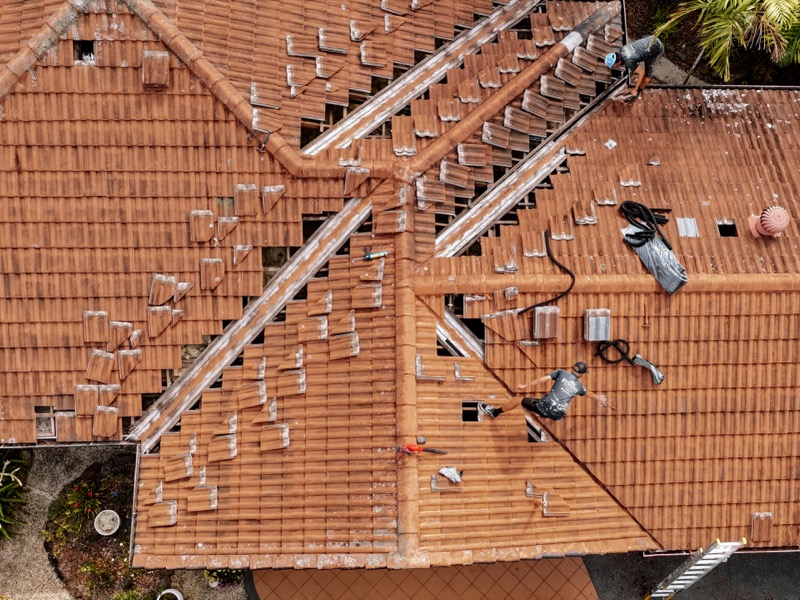
Christmas Lights and Your Roof: Safety Guide
As November rolls around on the Gold Coast, the excitement of the festive season begins to build. Streets light up with colourful displays, and homeowners across Brisbane, the Sunshine Coast, and our beautiful Gold Coast start planning their own Christmas light installations. But before you grab that ladder and start stringing lights across your roofline, there's something crucial you need to consider: the safety of both yourself and your roof.
After 25 years of repairing roofs across South East Queensland, I've seen far too many preventable accidents and costly roof damage caused by well-meaning homeowners eager to spread Christmas cheer. This comprehensive guide will help you decorate safely while protecting one of your home's most valuable assets—your roof.
Why Roof Safety Matters NOW
November marks the beginning of both the festive decorating season and Queensland's storm and cyclone season, which runs from November through to April. This timing isn't coincidental—it creates a perfect storm of potential problems for Gold Coast homeowners.
The subtropical climate we enjoy here on the Gold Coast means our roofs already work overtime. They endure intense UV radiation, salt air corrosion (especially for coastal properties), humidity-driven mould growth, and increasingly severe storm events. Adding the stress of foot traffic, attachment points, and electrical installations can push a vulnerable roof past its limits.
Statistics from Queensland emergency services show that falls from roofs increase by approximately 40% during November and December, with amateur Christmas light installations being a leading cause. Additionally, insurance claims for roof damage spike during this period, with many policies not covering damage caused by improper installation methods.
Understanding Your Roof Before You Climb
Before any Christmas light installation, you need to understand what type of roof you're working with and its current condition. Gold Coast homes typically feature one of several roofing materials:
Metal Roofing (Colorbond)
- Most common in newer Queensland homes
- Can become extremely slippery when wet or covered in morning dew
- Surface temperature can exceed 60°C in summer sun
- Prone to denting under concentrated weight
Concrete and Terracotta Tiles
- Popular in established suburbs
- Individual tiles can crack under foot pressure
- Tiles may be loose or degraded after years of storm damage
- Walking paths must follow specific lines to avoid breakage
Asphalt Shingles
- Less common but present in some Gold Coast homes
- Surface granules can be dislodged by foot traffic
- Particularly vulnerable in high heat conditions
Pre-Installation Roof Inspection Checklist
Before you even think about climbing onto your roof, conduct a thorough ground-level inspection. Here's what to look for:
Visual Assessment from Ground Level
- Missing or damaged tiles/sheets: Look for gaps, cracks, or obvious damage
- Sagging sections: Indicates potential structural issues
- Rust stains: Common on older metal roofs, especially in coastal areas
- Moss or algae growth: Suggests moisture retention problems
- Damaged or blocked gutters: Crucial for storm season preparation
- Flashing condition: Check around chimneys, vents, and skylights
- Previous repair patches: May indicate underlying issues
Warning Signs That Require Professional Assessment
If you notice any of the following, contact a QBCC licensed roofing specialist before proceeding with any roof access:
- Visible sagging or warping of the roof structure
- Multiple cracked or missing tiles
- Extensive rust on metal roofing
- Water stains on interior ceilings
- Roof age exceeding 20-25 years without recent inspection
- Previous storm damage that wasn't professionally assessed
At Radiant Roof Repairs, we recommend a professional roof inspection before any significant roof access, particularly for homes over 15 years old. A basic inspection can identify potential hazards and save you from costly emergency repairs later.
Safe Christmas Light Installation Practices
Ladder Safety Essentials
More injuries occur on ladders than on roofs themselves. Follow these critical guidelines:
- Use a ladder rated for your weight plus equipment (minimum 120kg capacity)
- Ensure the ladder extends at least one metre above the roof edge
- Maintain three points of contact at all times
- Never lean sideways—reposition the ladder instead
- Have a spotter hold the ladder base on uneven ground
- Avoid ladder use in wet conditions or strong winds (common during Gold Coast afternoon storms)
Roof Access Best Practices
- Timing matters: Access your roof in the early morning when surfaces are cooler and dew has evaporated
- Wear appropriate footwear: Soft-soled shoes with good grip—never thongs or bare feet
- Distribute your weight: Use crawl boards on tile roofs to spread load across multiple tiles
- Stay away from edges: Maintain at least 2 metres from any roof edge unless properly secured
- Watch for hazards: Power lines, solar panels, skylights, and TV antennas all present dangers
Attachment Methods That Protect Your Roof
How you attach lights is just as important as how you access your roof. Improper attachment methods cause thousands of dollars in roof damage annually.
DO use:
- Plastic light clips designed for gutters and shingles
- Magnetic hooks on metal roofing (check strength rating)
- Adhesive hooks rated for outdoor use
- Purpose-designed ridge line clips
DON'T use:
- Nails or staples (create leak points)
- Heavy-duty tape that damages surface coatings
- Wire wrapping around tiles or fixtures
- Any attachment that requires drilling into roofing material
Electrical Safety for Outdoor Installations
Queensland's humidity and storm season create unique electrical safety challenges:
- Use only lights rated for outdoor use (look for IP44 rating or higher)
- Connect to RCD-protected power outlets
- Ensure all connections are elevated and weatherproofed
- Never overload power boards—follow manufacturer specifications
- Inspect all lights for damage before installation
- Use a timer to minimise operational hours and reduce fire risk
Storm Season Considerations
The Gold Coast's storm season brings intense weather events that can transform your festive display into a dangerous projectile hazard.
Preparing for Severe Weather
- Check Bureau of Meteorology forecasts regularly from November onwards
- Install lights with quick-release mechanisms where possible
- Avoid elaborate rooftop displays in cyclone-prone areas
- Secure all loose elements with weather-rated cable ties
- Have a removal plan ready for severe weather warnings
After Storm Events
Following any significant storm, inspect your roof and light installation before turning power back on:
- Check for displaced tiles or lifted metal sheets
- Look for water pooling or new leak points
- Inspect all electrical connections for water ingress
- Verify that attachment points remain secure
- Document any damage for potential insurance claims
What To Do If Problems Occur
During Installation
If you notice roof damage while installing lights:
- Stop work immediately and safely descend
- Document the damage with photos
- Cover any exposed areas with a tarp if rain is expected
- Contact a licensed roofing professional for assessment
- Do not attempt DIY repairs on structural damage
Emergency Situations
For urgent roof issues during the festive season:
- Electrical sparking or burning smell: Cut power immediately and call an electrician
- Active roof leak: Place buckets to catch water and contact emergency repair services
- Structural damage: Evacuate the area beneath and seek professional help
- Person stranded on roof: Call 000 if there's risk of fall or injury
When to Call the Professionals
Some situations clearly require professional intervention. Contact Radiant Roof Repairs or another QBCC licensed contractor when:
- Your roof hasn't been inspected in over 5 years
- You notice existing damage during your pre-installation check
- The roof pitch exceeds 25 degrees (too steep for safe amateur access)
- Your home is more than single storey
- You're uncomfortable with heights or lack appropriate safety equipment
- Storm damage needs assessment before proceeding
Professional roof inspections typically range from $200-$400 and can identify issues that might cost thousands if left unaddressed. Consider it an investment in both your safety and your home's value.
Frequently Asked Questions
When should I start installing Christmas lights on the Gold Coast?
The ideal time to install Christmas lights on the Gold Coast is mid to late November, when the weather is typically more stable before the peak storm season arrives in December and January. Aim for a clear morning when roof surfaces are cool and dry. Avoid installation during afternoon storm seasons common from November onwards.
How much does it cost to have a professional inspect my roof before light installation?
A professional roof inspection on the Gold Coast typically costs between $200 and $400, depending on roof size and accessibility. This investment can identify potential hazards and existing damage that could become major problems. Many roofing companies, including Radiant Roof Repairs, offer inspection services that can be credited toward any subsequent repair work.
Can Christmas lights damage my roof?
Yes, improperly installed Christmas lights can cause significant roof damage. Common issues include cracked tiles from foot traffic, punctured membranes from nails or staples, scratched protective coatings on metal roofs, and blocked gutters from fallen decorations. Using appropriate attachment methods and accessing the roof carefully minimises these risks.
What should I do if I notice roof damage while installing lights?
Stop work immediately and safely descend from the roof. Document the damage with photographs, then cover any exposed areas with a tarp if rain is forecast. Contact a QBCC licensed roofing professional for assessment before continuing. Attempting DIY repairs on structural damage can void warranties and create safety hazards.
Are there weight limits for walking on tile roofs?
Most tile roofs are designed to support typical foot traffic, but individual tiles can crack under concentrated weight. Always walk on the lower third of tiles where they overlap and have support beneath. Use crawl boards to distribute weight across multiple tiles. If you weigh over 100kg, extra caution is essential, and professional assistance is recommended.
How do I protect my lights during Gold Coast storms?
Secure all lights with weather-rated cable ties and ensure connections are elevated and weatherproofed. Consider installing lights with quick-release mechanisms for rapid removal when severe weather is forecast. Unplug lights during storms to prevent electrical damage from lightning strikes. After any significant weather event, inspect installations before reconnecting power.
Should I remove lights before cyclone season peaks?
If a cyclone watch or warning is issued for your area, lights should be removed immediately. Loose lights and decorations become dangerous projectiles in cyclonic winds. Even without direct cyclone threat, consider removing elaborate displays before January when storm intensity typically peaks. Store removed lights in protective containers for next year.
What type of Christmas lights are best for the Gold Coast climate?
Choose LED lights with an IP44 rating or higher for moisture protection. LEDs run cooler than incandescent bulbs, reducing fire risk in our hot climate. Solar-powered lights are excellent for the Gold Coast's abundant sunshine and eliminate electrical hazard concerns. Avoid cheap imported lights that may not meet Australian safety standards.
Can salt air affect my Christmas light installation?
Absolutely. Salt air corrosion is a significant concern for coastal Gold Coast properties. Metal clips and connections can corrode rapidly, creating electrical hazards and staining your roof. Use plastic or stainless steel fixtures for coastal installations. Rinse connections with fresh water after the season and inspect carefully before reuse each year.
How do I know if my roof is too old for safe access?
Roofs over 20 years old should be professionally inspected before any access. Warning signs include visible sagging, multiple cracked tiles, extensive rust, or soft spots when walking. If your roof has survived multiple cyclone seasons without professional assessment, it's wise to have it checked before adding any additional stress from light installations.
Conclusion
Christmas light installations bring joy to our Gold Coast neighbourhoods, but they shouldn't come at the cost of your safety or your roof's integrity. By following this guide—inspecting your roof condition, using proper safety equipment, choosing appropriate attachment methods, and knowing when to call professionals—you can create a beautiful festive display without risk.
Remember, your roof protects your family and possessions from Queensland's harsh weather conditions year-round. Treat it with respect during the festive season, and it will continue serving you well into the future.
If you have any concerns about your roof's condition before installing Christmas lights, or if you've noticed damage that needs attention, don't hesitate to contact a QBCC licensed roofing specialist. At Radiant Roof Repairs, we're here to help Gold Coast, Brisbane, and Sunshine Coast homeowners keep their roofs safe and secure throughout the festive season and beyond.
Stay safe this Christmas, and may your celebrations be merry and bright.
*Article by Daniel Morrison, QBCC Licensed Roofing Specialist with 25+ years Gold Coast experience. For roof inspections or repairs, contact Radiant Roof Repairs on 0480 855 390.*