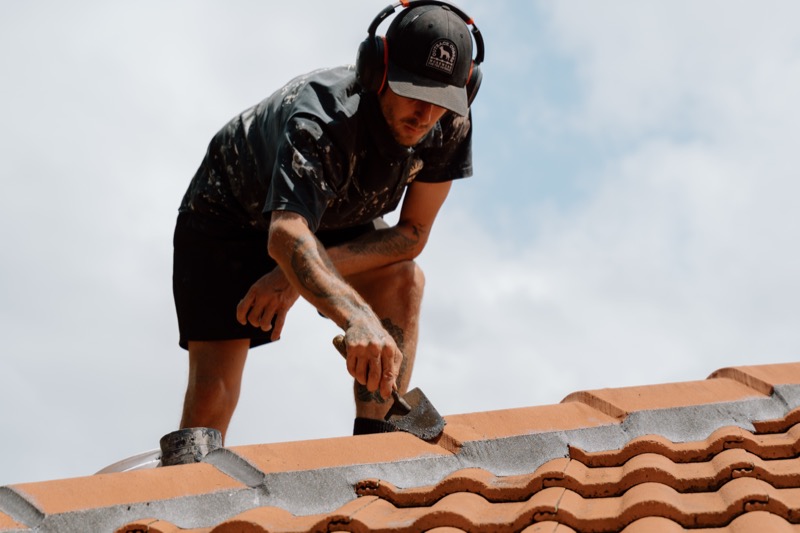
How to Check Your Roof After a Storm
Queensland's Gold Coast is renowned for its stunning beaches, subtropical climate, and laid-back lifestyle. However, living in this beautiful part of Australia also means dealing with some of the country's most intense weather events. From severe thunderstorms and cyclones to heavy hail and torrential rain, our roofs cop a serious beating throughout storm season.
After more than 25 years inspecting storm-damaged roofs across the Gold Coast, Brisbane, and Sunshine Coast, I've seen firsthand how quickly minor storm damage can escalate into major structural problems when left unchecked. That's why knowing how to properly assess your roof after a storm is one of the most valuable skills any Queensland homeowner can develop.
In this comprehensive guide, I'll walk you through exactly how to check your roof after a storm, what warning signs to look for, when you can safely handle things yourself, and when it's time to call in a professional. Whether you've just weathered a summer thunderstorm or survived a more serious weather event, this information could save you thousands of dollars in preventable repairs.
Understanding Storm Damage on Gold Coast Roofs
Before you climb up for an inspection, it's essential to understand the types of damage that storms can inflict on Queensland roofs. Our unique climate creates specific challenges that homeowners in other parts of Australia simply don't face.
Types of Storm Damage Common to Southeast Queensland
Wind Damage
Southeast Queensland regularly experiences wind gusts exceeding 90 km/h during storm events, with severe storms producing gusts over 125 km/h. This wind force can:
- Lift and displace roof tiles or metal sheeting
- Tear off ridge capping
- Damage or remove flashing around penetrations
- Bend or dislodge guttering
- Create uplift that loosens roof fasteners over time
Hail Damage
The Gold Coast and surrounding regions experience significant hail events, with some storms producing hailstones larger than golf balls. Hail can:
- Crack or shatter terracotta and concrete tiles
- Dent and puncture metal roofing
- Damage skylights and roof-mounted equipment
- Strip protective coatings from roofing materials
- Compromise the integrity of roof membranes
Water Damage
Our region receives an average of 1,400mm of rainfall annually, often delivered in intense bursts during storm season. Heavy rain can:
- Expose existing weaknesses in roof waterproofing
- Overwhelm gutters and downpipes
- Drive water under tiles and into roof cavities
- Cause pooling on flat roof sections
- Saturate insulation and ceiling materials
Debris Impact
Storms frequently bring down branches, palm fronds, and other debris that can:
- Crack or break roof tiles
- Puncture metal roofing
- Block gutters and valleys
- Damage solar panels and antennas
- Create entry points for water infiltration
Safety First: Before You Begin Your Inspection
I cannot stress this enough: your safety is more important than any roof inspection. Every year, Australians are seriously injured or killed in falls from roofs. Before you even think about climbing up, consider these essential safety guidelines.
Wait for Safe Conditions
- Never inspect during or immediately after a storm – wait at least 24 hours for conditions to stabilise
- Check weather forecasts – ensure no further storms are approaching
- Wait for surfaces to dry – wet roofs are extremely slippery, especially tiles and metal
- Avoid inspecting in high winds – gusts over 25 km/h make roof work dangerous
- Don't inspect at dawn or dusk – poor lighting hides hazards
Essential Safety Equipment
If you're going to conduct any inspection beyond ground level, you'll need:
- Sturdy, non-slip footwear with good grip
- A stable, properly secured ladder
- Someone to spot you from the ground
- A mobile phone in case of emergency
- Gloves to protect against sharp edges and debris
Know Your Limits
Be honest with yourself about your capabilities. You should NOT attempt a roof inspection if:
- You have any fear of heights
- You have balance or mobility issues
- Your roof pitch is steep (greater than 25 degrees)
- Your roof is more than single-storey
- You lack proper safety equipment
- You're not confident working at heights
For most homeowners, a thorough ground-level inspection combined with a professional roof assessment is the safest and most sensible approach.
Ground-Level Inspection: What to Look for From Below
You can identify many signs of storm damage without ever leaving the ground. This should always be your first step, and for many homeowners, it's as far as you should go.
Walking the Perimeter
Start by slowly walking around your entire property, looking up at the roof from all angles. Take photos of anything that looks unusual or concerning. Here's what to look for:
Visible Tile or Sheeting Damage
- Missing tiles or sheets
- Cracked, chipped, or broken tiles
- Tiles that appear lifted or displaced
- Metal sheeting that looks bent, dented, or lifted at edges
- Discolouration or obvious impact marks
Ridge Capping Issues
- Missing or displaced ridge caps
- Visible gaps along the ridge line
- Mortar that appears cracked or fallen away
- Ridge capping that looks crooked or uneven
Gutter and Downpipe Damage
- Gutters that are bent, sagging, or pulled away from fascia
- Visible dents or holes in guttering
- Downpipes that are disconnected or damaged
- Overflowing gutters (indicating blockages)
- Debris piled in gutters
Flashing Problems
- Flashing around chimneys, vents, or skylights that looks lifted or displaced
- Visible gaps where flashing meets roof surface
- Rust stains running down from flashing areas
Checking for Debris
After a storm, look for:
- Roofing materials on the ground (tiles, screws, ridge capping)
- Pieces of mortar or pointing
- Fragments of flashing or guttering
- Excessive amounts of roof coating granules (from metal roofs)
Finding roofing materials on the ground is a clear indicator that your roof has sustained damage and needs closer inspection.
Inspecting Trees Near Your Roof
Examine any trees close to your home:
- Are there broken branches resting on or near your roof?
- Have limbs fallen that could have struck the roof?
- Are there new gaps in tree canopy suggesting fallen branches?
- Is there debris from trees accumulated on the roof?
Interior Inspection: Detecting Hidden Damage
Some of the most serious storm damage isn't visible from outside. Water infiltration can cause extensive damage to your home's structure, insulation, and electrical systems if not detected early.
Ceiling Inspection
Carefully examine all ceilings throughout your home:
Water Stains
- Look for new brown or yellow staining
- Check for rings or tide marks indicating water pooling
- Pay particular attention to areas below roof penetrations
- Examine corners where walls meet ceilings
Physical Changes
- Sagging or bulging areas
- Paint that appears bubbled or peeling
- Plaster that feels soft or damp to touch
- New cracks that weren't there before the storm
Drips and Active Leaks
- Place buckets under any active drips
- Mark the location for later professional inspection
- Don't assume a leak will stop on its own
Roof Cavity Inspection
If you have safe access to your roof cavity (attic), this can reveal damage invisible from inside or outside:
What to Look For
- Daylight visible through the roof (indicates holes or gaps)
- Wet or damp insulation
- Water stains on rafters or battens
- Signs of water tracking down timbers
- Debris that has entered through damaged areas
- Unusual smells indicating mould or moisture
Safety Warning: Roof cavities can be hazardous. Only enter if you have proper lighting, stable footing on ceiling joists (never step on plasterboard), and confidence in what you're doing.
Wall Inspection
Water from roof damage often travels down walls before becoming visible:
- Check for damp patches on upper walls
- Look for peeling paint or wallpaper
- Feel walls for unusual moisture or coldness
- Check around windows for water intrusion
Roof-Level Inspection: For the Confident DIYer
If you're comfortable working at heights and have appropriate safety equipment, a roof-level inspection will reveal damage that's invisible from the ground. However, I strongly recommend having a professional conduct this inspection if you have any doubts about your ability to do so safely.
Safe Roof Access
Ladder Safety
- Use a ladder that extends at least 1 metre above the roof edge
- Position at a 75-degree angle (1 metre out for every 4 metres up)
- Secure the ladder at top and bottom
- Have someone hold the ladder while you climb
- Never lean or overreach – move the ladder instead
On the Roof
- Walk carefully, testing each step
- Stay on the strongest parts of the roof structure
- Avoid walking on valley lines, ridge capping, or damaged areas
- Keep your weight centred and move slowly
- Never work alone
Systematic Tile Inspection
For tiled roofs, check each visible tile for:
Cracks and Breaks
- Hairline cracks that may not be visible from ground level
- Corner chips that compromise waterproofing
- Complete breaks where pieces are missing
- Stress cracks radiating from impact points
Displacement Issues
- Tiles that have shifted out of position
- Tiles that rock or move when touched
- Gaps between tiles larger than normal
- Tiles that sit higher or lower than neighbours
Surface Damage
- Loss of protective coating or glazing
- Pitting from hail impact
- Moss or lichen growth exposed by coating loss
- Discolouration indicating UV damage exposed by storm
Metal Roof Inspection
For metal roofs, check for:
Physical Damage
- Dents from hail or debris impact
- Punctures or holes
- Lifted or bent sheeting at edges
- Loose or missing screws
- Corrosion exposed by coating damage
Fastener Issues
- Screws that have backed out
- Missing screws
- Rubber washers that appear cracked or deteriorated
- Rust staining around screw holes
Seam and Overlap Problems
- Lifted seams between sheets
- Gaps at overlaps
- Sealant that has failed or pulled away
Critical Areas to Check
Certain areas of your roof are more vulnerable to storm damage and deserve extra attention:
Valleys
- Check for debris accumulation
- Look for dents or damage to valley flashing
- Ensure valley isn't blocked or restricted
- Check for rust or corrosion
Ridge Line
- Inspect all ridge capping for movement or damage
- Check mortar bedding for cracks or gaps
- Ensure pointing is intact
- Look for lifted or displaced caps
Penetrations
- Inspect flashing around all pipes, vents, and antennas
- Check skylight seals and frames
- Examine solar panel mounting points
- Look for gaps or lifted flashing
Roof Edges
- Check fascia boards for damage
- Inspect gutter attachment points
- Look for lifted or displaced edge flashing
- Examine barge boards and capping
Common Storm Damage Scenarios and What They Mean
Understanding what you're looking at helps you assess the severity of damage and urgency of repairs.
Minor Damage (Monitor and Schedule Repairs)
- One or two cracked tiles with no displacement
- Small amounts of mortar loss from ridge capping
- Minor dents in metal roofing with coating intact
- Slight gutter misalignment
- Small debris accumulation in gutters
What This Means: These issues don't require emergency attention but should be addressed within a few weeks to prevent deterioration.
Moderate Damage (Prioritise Repairs)
- Multiple cracked or chipped tiles
- Displaced tiles or sheeting
- Significant mortar loss from ridge capping
- Lifted flashing around penetrations
- Gutter sections pulled away from fascia
- Evidence of minor water entry
What This Means: These issues need professional attention within days to prevent water damage. Consider temporary protection if rain is forecast.
Severe Damage (Emergency Response Required)
- Missing tiles or sheeting
- Visible holes in roof surface
- Ridge capping blown off
- Major structural damage to roof frame
- Active leaks into living spaces
- Large debris embedded in roof
What This Means: Contact a roofing professional immediately. Apply temporary waterproofing measures and document everything for insurance purposes.
Temporary Protection Measures
If you've identified damage and rain is approaching, temporary protection can prevent further damage while you wait for professional repairs.
Emergency Tarping
Blue tarps are the most common temporary solution:
- Use a tarp larger than the damaged area
- Secure with weights (sandbags, timber) rather than puncturing roof
- Ensure water will run off, not pool
- Extend tarp over ridge line if possible for better waterproofing
- Check and re-secure after any wind
Important: Tarping a roof is dangerous work. If you're not confident, leave it to professionals. Many roofing companies, including Radiant Roof Repairs, offer emergency tarping services.
Interior Protection
- Place buckets or containers under any leaks
- Move furniture and valuables away from affected areas
- Cover items that can't be moved with plastic sheeting
- Turn off electricity to affected areas if water is near electrical fittings
Documenting Damage for Insurance Claims
Proper documentation is crucial for successful insurance claims. Start this process immediately after the storm.
Photography Guidelines
- Take wide shots showing overall roof condition
- Take close-ups of specific damage
- Photograph from multiple angles
- Include reference points for scale
- Capture date stamps on photos
- Photograph interior damage as well
Written Records
- Note the date and time of the storm
- Record weather conditions (wind speed, hail size if known)
- Document when you first noticed damage
- Keep a timeline of all inspections and repairs
- Save copies of weather warnings and BOM data for your area
Professional Assessment
Most insurance companies require a professional assessment for significant claims. A qualified roofing contractor can provide:
- Detailed inspection report
- Itemised damage list
- Repair cost estimate
- Professional photographs
- Expert opinion on damage causation
At Radiant Roof Repairs, we provide comprehensive storm damage assessments and can work directly with your insurance company to streamline the claims process.
When to Call a Professional
While basic inspections can be done yourself, there are many situations where professional help is essential.
Always Call a Professional If:
- You're not comfortable working at heights
- Damage appears structural
- There are active leaks into your home
- Multiple areas of the roof are affected
- You can't safely access the damaged areas
- The roof is steep, high, or complex
- You're unsure about the severity of damage
- You need documentation for insurance
What to Expect from a Professional Inspection
A thorough professional inspection should include:
- Complete roof surface examination
- Internal roof cavity inspection
- Gutter and drainage system check
- Flashing and penetration assessment
- Structural integrity evaluation
- Detailed written report
- Clear repair recommendations
- Accurate cost estimate
Choosing a Roofing Professional
When selecting a contractor for storm damage assessment and repairs:
- Verify QBCC licensing (essential for Queensland)
- Check insurance coverage
- Look for local experience and reputation
- Get multiple quotes for major work
- Avoid door-knockers and storm chasers
- Ask for references from recent storm damage work
Preventing Future Storm Damage
Once you've addressed current damage, consider steps to minimise future storm impacts.
Regular Maintenance
- Schedule annual professional roof inspections
- Keep gutters clean and free-flowing
- Trim overhanging branches
- Replace deteriorated tiles or sheeting promptly
- Maintain roof coatings and sealants
- Address minor issues before they become major problems
Storm Preparation
- Secure loose items around your property
- Check and reinforce aerial and antenna mountings
- Ensure adequate roof tie-downs (particularly for older homes)
- Consider impact-resistant materials when replacing roof elements
- Install gutter guards to prevent debris blockages
Long-Term Improvements
If your roof regularly suffers storm damage, consider:
- Upgrading to more durable roofing materials
- Installing cyclone-rated fastening systems
- Improving roof drainage capacity
- Adding secondary waterproofing measures
Understanding Repair Costs on the Gold Coast
Storm damage repairs vary significantly based on the extent of damage, materials required, and accessibility of your roof.
Typical Repair Costs
- Minor repairs (few tiles, minor flashing work): $500 - $1,500
- Moderate repairs (multiple tiles, ridge capping, gutters): $1,500 - $4,000
- Major repairs (significant tile replacement, structural work): $4,000+
- Roof restoration (extensive repair plus recoating): $2,500 - $8,000+
- Full roof replacement: $19,999 - $45,000+
- Gutter replacement: $500 - $5,000+
Factors Affecting Cost
- Roof type and materials
- Extent and location of damage
- Roof height and pitch
- Accessibility for workers and materials
- Urgency of repairs
- Current material costs and availability
Frequently Asked Questions
How soon after a storm should I check my roof?
Wait at least 24 hours after a storm passes before conducting any inspection. This allows conditions to stabilise, surfaces to dry, and any immediate hazards to become apparent. However, if you notice active leaks inside your home, contact a professional immediately regardless of exterior conditions. Begin your ground-level inspection as soon as it's safe to walk around your property.
Can I claim storm damage on my home insurance?
Most comprehensive home insurance policies cover storm damage to roofs, including damage from wind, hail, rain, and fallen debris. However, coverage varies between policies, and you'll need to meet your excess. Contact your insurer promptly to report damage, and be aware that damage resulting from poor maintenance or wear and tear may not be covered. Professional documentation of storm damage strengthens your claim significantly.
How can I tell if roof damage is from the recent storm or pre-existing?
Recent storm damage typically shows clean breaks, fresh exposed surfaces, and damage patterns consistent with the storm's direction and intensity. Pre-existing damage often shows weathering, discolouration, moss or lichen growth, and oxidation around damaged areas. A professional roofing inspector can help differentiate between new and old damage, which is important for insurance claims.
What should I do if I find a leak during a storm?
First, place containers to catch water and move valuables away from the affected area. If water is near electrical fittings, turn off power to that area. Don't attempt to access your roof during the storm. Once the storm passes and conditions are safe, you can apply temporary protection like a tarp, but for most homeowners, calling a professional for emergency repairs is the safest option.
How much does a professional roof inspection cost on the Gold Coast?
Professional roof inspections on the Gold Coast typically range from $200 to $400, depending on the size and complexity of your roof. Many roofing companies, including Radiant Roof Repairs, offer free inspections when combined with repair quotes. Given the potential cost of undetected damage, a professional inspection is a worthwhile investment, especially after significant storm events.
Are hairline cracks in tiles serious?
Hairline cracks may seem minor but can allow water infiltration, especially during heavy rain. Water entering through cracks can damage roof battens, insulation, and ceilings over time. In Queensland's climate, with intense UV exposure and regular heavy rain, hairline cracks tend to expand. These tiles should be monitored and replaced if cracks worsen or show signs of water penetration.
Should I repair or replace damaged tiles?
For individual damaged tiles, replacement is usually the most cost-effective solution. However, if damage is widespread, the tiles are old, or replacement tiles aren't available (common with discontinued styles), a more comprehensive restoration or replacement may be more economical long-term. A professional assessment can help determine the most practical approach for your situation.
How do I find replacement tiles that match my existing roof?
Matching tiles can be challenging, especially for older roofs. Start by checking your roof cavity or garage – previous owners often left spare tiles. Your roofing contractor may have salvaged tiles in stock or know suppliers of second-hand materials. For common profiles, new tiles can often be sourced, though colour matching may require some searching. In some cases, tiles from less visible areas can be moved to prominent positions, with new tiles placed in hidden spots.
Can hail damage void my roof warranty?
Hail damage itself typically doesn't void roof warranties, as it's considered an act of nature. However, failing to address hail damage promptly can void warranties, as ongoing damage resulting from neglected repairs is considered a maintenance failure. Always document hail damage and arrange repairs promptly to maintain your warranty coverage and prevent secondary damage.
How long do storm damage repairs typically take?
Repair timeframes vary based on damage extent and contractor availability. Minor repairs may be completed in a few hours, while extensive repairs could take several days. After major storm events affecting many properties, wait times for roofing contractors can extend to several weeks. Emergency tarping can usually be arranged within 24-48 hours to provide temporary protection while you wait for permanent repairs.
What's the difference between storm damage and wear and tear?
Storm damage occurs suddenly from a specific weather event and includes broken tiles, lifted sheeting, damaged flashing, and impact marks. Wear and tear develops gradually and includes faded coatings, slowly deteriorating mortar, general weathering, and age-related brittleness. Insurance typically covers storm damage but not wear and tear. The distinction matters for claims, and a professional inspector can help document the difference.
Do I need a QBCC licensed contractor for roof repairs?
Yes, in Queensland, any roofing work valued over $3,300 (including labour and materials) must be performed by a QBCC licensed contractor. Even for smaller jobs, using a licensed contractor provides important protections including insurance coverage, workmanship guarantees, and recourse through the QBCC if problems arise. Always verify your contractor's license before work begins.
How often should I have my roof professionally inspected?
For most Gold Coast homes, annual professional inspections are recommended, ideally before storm season begins (around September-October). Homes with older roofs, those surrounded by trees, or properties that have experienced previous storm damage should consider more frequent inspections. Regular inspections catch minor issues before they become expensive problems and help maintain your roof's warranty.
What temporary repairs can I safely do myself?
Safe DIY temporary measures include placing tarps over damaged areas (from a ladder, not on the roof), clearing accessible gutters of debris, placing buckets under leaks, and photographing damage. Avoid climbing onto damaged roofs, attempting tile repairs without experience, or using sealants as permanent fixes. Temporary measures should always be followed up with professional permanent repairs.
Will my roof need complete replacement after a severe storm?
Not necessarily. Even severe storm damage often affects only portions of a roof, making targeted repairs viable. Complete replacement is typically only necessary when damage is widespread, the roof structure is compromised, or the roof was already near end-of-life. A professional assessment will determine whether repair, restoration, or replacement is the most appropriate and cost-effective solution for your situation.
Conclusion
Storm damage to your roof is an unfortunate reality of living in beautiful South East Queensland. Our subtropical climate delivers some of Australia's most intense weather events, and even well-maintained roofs can suffer damage when severe storms hit.
The key to minimising the impact of storm damage is prompt detection and appropriate response. By conducting a thorough ground-level inspection after every significant storm, checking your interior spaces for signs of water infiltration, and calling in professionals when needed, you can catch problems early and prevent minor damage from becoming major headaches.
Remember, your safety is paramount. While this guide provides comprehensive information about post-storm roof inspections, there's no shame in leaving the climbing to the professionals. A qualified roofing inspector can assess your roof quickly and safely, provide documentation for insurance claims, and give you peace of mind about your home's condition.
If you've experienced storm damage or simply want the assurance of a professional assessment, the team at Radiant Roof Repairs is here to help. With over 25 years of experience serving Gold Coast, Brisbane, and Sunshine Coast homeowners, we understand the unique challenges our Queensland climate presents and can help you navigate the repair process from initial inspection through to completed repairs.
Don't wait until a small problem becomes a big one. Give us a call on 0480 855 390 to arrange your professional roof inspection today.
*Daniel Morrison is a QBCC Licensed Roofing Specialist with over 25 years of experience in the Gold Coast roofing industry. He has helped thousands of local homeowners protect their properties from Queensland's challenging weather conditions.*