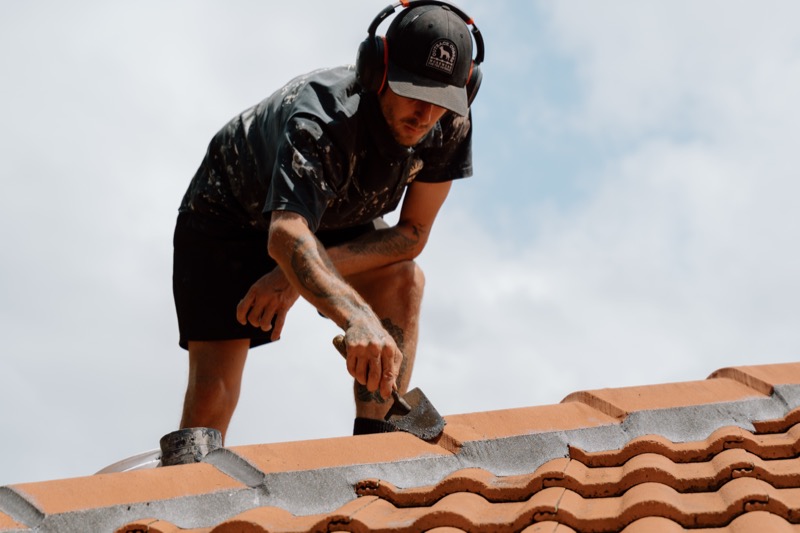
How to Check Your Roof After a Gold Coast Storm
After a Gold Coast storm, check your roof by first conducting a safe ground-level inspection looking for visible damage such as missing tiles, displaced ridge capping, damaged gutters, and debris accumulation. Wait until conditions are safe—never inspect during lightning or high winds. From the ground, use binoculars to scan for cracked tiles, lifted metal sheets, or sagging sections. Check your ceiling internally for water stains, which indicate active leaks. If you spot damage or suspect hidden issues, contact a QBCC licensed roofing professional for a comprehensive inspection, as storm damage often extends beyond what's visible from the ground.
Why Gold Coast Storms Are Particularly Damaging to Roofs
The Gold Coast experiences some of Australia's most intense storm activity, particularly during the wet season from November through March. Our region averages 85-100 thunderstorm days annually, with severe storms capable of producing destructive winds exceeding 90 km/h, large hail, and torrential rainfall that can dump 100mm or more in under an hour.
These conditions create a perfect storm—quite literally—for roof damage. The combination of salt-laden coastal air, high humidity, and intense UV exposure throughout the year already places significant stress on roofing materials. When a severe storm hits, roofs that may have had minor pre-existing weaknesses can suffer catastrophic failures.
At Radiant Roof Repairs, we see a 300% increase in emergency call-outs following major storm events on the Gold Coast. Understanding how to properly assess your roof after a storm can help you identify problems early and prevent costly secondary damage from water ingress.
Step-by-Step Ground-Level Roof Inspection
Safety First: When to Inspect
Timing your inspection correctly is crucial for your safety:
- Wait at least 30 minutes after the storm has completely passed
- Ensure there's no lightning activity in the area
- Avoid inspecting if winds still exceed 40 km/h
- Never inspect at night or in low-light conditions
- Stay clear of fallen power lines—call Energex on 13 62 62 immediately if you see downed lines
What to Look for From the Ground
Arm yourself with binoculars and walk the perimeter of your property, examining your roof from all angles. Document everything with photos and videos for insurance purposes.
Tile Roofs:
- Cracked, chipped, or completely missing tiles
- Displaced or lifted ridge capping
- Tiles that appear to have shifted position
- Visible gaps in tile coverage
- Broken or missing bedding (the morite holding ridge caps)
Metal Roofs:
- Lifted or peeled-back sheeting, particularly at edges
- Dents from hail impact
- Rust spots where protective coating has been compromised
- Loose or missing screws (you may see lifted sections)
- Buckled or warped panels
All Roof Types:
- Debris accumulation (branches, leaves, foreign objects)
- Damaged or displaced flashing around vents, skylights, and chimneys
- Satellite dishes or antennas that have shifted
- Solar panel damage or displacement
- Sagging sections indicating structural stress
Gutter and Downpipe Assessment
Gutters are often the first casualties of severe storms:
- Check for gutters that have pulled away from the fascia
- Look for visible dents, cracks, or splits
- Ensure downpipes are still connected and properly aligned
- Check gutter guards for damage or displacement
- Look for overflow stains on exterior walls indicating blockages
Internal Inspection: Checking for Leaks
Once you've completed your external assessment, move inside to check for signs of water ingress.
Ceiling Inspection Checklist
- Water stains (brown or yellow discolouration)
- Bubbling or peeling paint
- Sagging sections of plasterboard
- Visible drips or moisture
- Musty odours indicating moisture presence
- Mould growth, particularly in corners
Roof Cavity Inspection
If you have safe access to your roof cavity (via a manhole), a brief inspection can reveal:
- Daylight visible through the roof (indicating missing tiles or holes)
- Wet insulation
- Water tracking marks on rafters or battens
- Debris that has entered through damaged sections
Important: Only enter your roof cavity if you're confident it's structurally sound. If you see significant damage from outside, leave the internal inspection to professionals.
Common Causes of Storm Damage on Gold Coast Roofs
Understanding what causes damage helps you know what to look for:
Wind Damage
Gold Coast storms frequently produce wind gusts exceeding 100 km/h. Wind damage typically manifests as:
- Lifted tiles or metal sheeting, especially on roof edges and ridges
- Complete tile or sheet removal in severe cases
- Damage concentrated on the windward side of your home
- Ridge cap displacement
Hail Damage
Hail events are increasingly common on the Gold Coast, with stones occasionally exceeding golf ball size:
- Denting on metal roofs and gutters
- Cracked or shattered tiles
- Compromised protective coatings
- Damaged skylights
Water Damage
Intense rainfall can cause immediate and long-term damage:
- Overwhelmed gutters leading to water ingress at eaves
- Water entry through damaged flashing
- Pooling on flat or low-pitch roof sections
- Degradation of bedding and pointing
Debris Impact
Falling branches and wind-borne objects cause significant damage:
- Direct penetration through roofing materials
- Dislodged tiles and ridge caps
- Damaged gutters and fascia
- Blocked downpipes leading to overflow damage
DIY Temporary Solutions vs Professional Repairs
What You Can Safely Do Yourself
Some temporary measures are appropriate for homeowners while awaiting professional assessment:
- Clear debris from accessible gutters (from a stable ladder, never from the roof)
- Place buckets under active leaks inside
- Document all damage with photos and video
- Apply tarpaulins over damaged sections only if safely accessible from ground level
- Remove loose debris from around your property to prevent further damage
What Requires a Professional
Certain repairs should only be undertaken by qualified roofing contractors:
- Any work requiring you to walk on the roof
- Tile replacement or repositioning
- Metal sheet repairs or replacement
- Flashing repairs
- Ridge capping repointing or replacement
- Structural repairs
- Electrical issues (solar panels, antennas)
When to Call a Professional Roofer
Contact a QBCC licensed roofing professional immediately if you observe:
- Active leaks entering your home
- Missing tiles or metal sheets
- Sagging roof sections
- Large branches or debris on your roof
- Displaced ridge capping
- Significant gutter damage
- Any damage to flashing around penetrations
Even if damage appears minor, professional inspection is recommended after severe storms. Hidden damage can lead to significant problems if left unaddressed. At Radiant Roof Repairs, we provide comprehensive post-storm inspections throughout the Gold Coast, Brisbane, and Sunshine Coast regions.
Storm Damage Repair Costs on the Gold Coast
Repair costs vary significantly based on damage extent and roof type:
- Minor repairs (replacing a few tiles, minor flashing work): $500 - $1,500
- Moderate repairs (section re-roofing, multiple tile replacement, gutter repairs): $1,500 - $4,000
- Major repairs (significant structural damage, large section replacement): $4,000 - $15,000+
- Complete roof replacement (if damage is extensive): $19,999 - $45,000+
- Gutter replacement: $500 - $5,000+ depending on property size
Most homeowners insurance policies cover storm damage, so document everything and contact your insurer promptly.
Prevention Tips: Preparing Your Roof for Storm Season
Proactive maintenance significantly reduces storm damage risk:
Annual Maintenance Checklist
- Schedule professional inspections before storm season (September-October)
- Clear gutters and downpipes of debris quarterly
- Trim overhanging branches to at least 2 metres from your roof
- Check and maintain ridge capping bedding and pointing
- Inspect and reseal flashing around penetrations
- Ensure adequate roof ventilation to prevent moisture buildup
- Consider roof restoration if your roof is showing age-related wear
Storm Season Preparation
- Secure loose items around your property
- Ensure gutters are clear before predicted storm events
- Know your emergency contacts and insurance details
- Have tarpaulins available for temporary covering
- Document your roof's condition annually for insurance purposes
Frequently Asked Questions
How soon after a storm should I check my roof?
Wait until conditions are completely safe—at least 30 minutes after the storm has passed, with no lightning activity and winds below 40 km/h. Conduct your initial ground-level assessment as soon as it's safe to do so, as early detection of damage prevents secondary water damage.
Can I claim storm damage on my home insurance?
Most comprehensive home insurance policies cover storm damage. Document all damage with photos and videos immediately, contact your insurer within 24-48 hours, and obtain quotes from licensed roofing contractors. Keep temporary repair receipts, as these are often reimbursable.
Is it safe to walk on my roof after a storm?
No. Never walk on your roof, especially after storm damage. Tiles may be cracked, metal may be compromised, and structural damage may not be visible. Always engage a QBCC licensed professional with appropriate safety equipment and insurance for roof-level inspections.
How can I tell if my roof has hail damage?
On metal roofs, look for denting—best observed in morning or evening light when shadows highlight depressions. On tiled roofs, look for circular cracks, chips, or completely shattered tiles. Gutters often show hail damage clearly and can indicate roof impact.
What temporary repairs can I do while waiting for a professional?
From ground level only, you can clear accessible gutter debris, place buckets under leaks inside, and apply tarpaulins to damaged areas if safely reachable. Never attempt repairs that require climbing onto your roof—the risk of injury or causing further damage is too high.
How long does storm damage repair typically take?
Minor repairs (a few tiles, basic flashing work) typically take 1-2 hours. Moderate damage may require a full day. Extensive repairs or partial re-roofing can take several days. After major storm events, expect longer wait times due to high demand—Radiant Roof Repairs prioritises emergency leak situations.
Will my roof leak immediately if it's damaged?
Not necessarily. Some damage, like cracked tiles or compromised seals, may only leak during subsequent rain. This is why professional inspection is important even when no immediate leaks are present. Hidden damage can cause significant problems over time.
How do I find a reputable roofer after a storm?
Always verify QBCC licensing (search the QBCC online register), check online reviews, request proof of insurance, and obtain written quotes. Be wary of door-knockers offering immediate repairs—legitimate contractors are busy after storms and won't cold-call. Ensure any contractor provides a written warranty.
What's the difference between roof repair and roof restoration after storm damage?
Roof repair addresses specific damage (replacing tiles, fixing leaks, repairing flashing). Roof restoration is a comprehensive service including repairs, cleaning, repointing, and recoating that extends roof life by 10-15 years. After storm damage, restoration may be recommended if your roof has pre-existing wear.
Should I get multiple quotes for storm damage repairs?
Yes, obtain 2-3 quotes from licensed contractors for non-emergency repairs. However, for active leaks causing interior damage, prioritise getting the leak stopped first. Ensure quotes detail all work, materials, and warranty terms. Be cautious of quotes significantly below others—quality and proper repairs matter.
Conclusion
Gold Coast storms can cause significant roof damage, but prompt inspection and appropriate action can minimise long-term consequences and repair costs. Always prioritise safety—conduct ground-level assessments first and engage qualified professionals for roof-level inspections and repairs.
Remember: your roof protects everything beneath it. When in doubt, call a QBCC licensed roofing specialist. With over 25 years of experience serving the Gold Coast, Brisbane, and Sunshine Coast, Radiant Roof Repairs provides comprehensive post-storm inspections and repairs. Contact us on 0480 855 390 for expert assistance after your next storm event.
*About the Author: Daniel Morrison is a QBCC Licensed Roofing Specialist with over 25 years of experience on the Gold Coast. He has helped thousands of homeowners protect and restore their roofs following storm damage.*