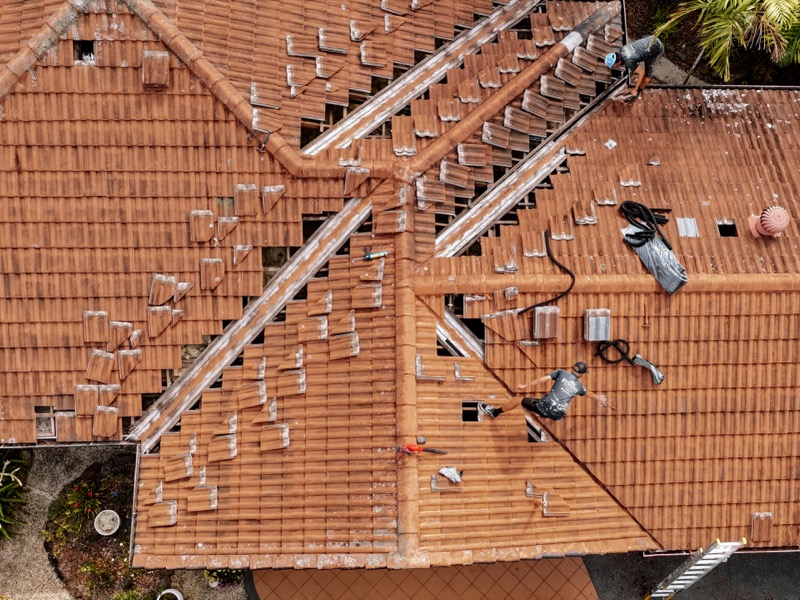
Best Roofing Materials for Gold Coast Climate
Choosing the right roofing material for your Gold Coast home isn't just about aesthetics—it's about protecting your most valuable asset against one of Australia's most demanding climates. From the relentless subtropical sun beating down during our long summers to the intense storms that roll in from the Pacific, your roof faces challenges that homeowners in other parts of Australia simply don't encounter.
After 25 years of installing, repairing, and restoring roofs across the Gold Coast, Brisbane, and Sunshine Coast, I've seen firsthand what works and what fails in our unique environment. I've watched premium materials deteriorate within years because they weren't suited to our conditions, and I've seen well-chosen, properly installed roofs last decades with minimal maintenance.
In this comprehensive guide, I'll share everything you need to know about selecting roofing materials that will stand up to the Gold Coast climate. You'll learn about the specific challenges our weather presents, the pros and cons of each major roofing material, cost considerations, and how to make the best choice for your particular situation. Whether you're building a new home, replacing an aging roof, or simply planning ahead, this guide will give you the knowledge to make an informed decision.
Understanding the Gold Coast Climate Challenge
Before we dive into specific materials, it's essential to understand exactly what your roof is up against on the Gold Coast. Our subtropical climate presents a unique combination of challenges that can quickly expose the weaknesses of unsuitable roofing materials.
Intense UV Radiation
The Gold Coast receives some of the highest UV radiation levels in the world. Our UV index regularly reaches 11 or higher during summer—classified as "extreme" on the international scale. This intense ultraviolet exposure causes significant degradation of many roofing materials over time. Colours fade, protective coatings break down, and some materials become brittle and crack.
Roofing materials installed here need to have excellent UV resistance, or they'll require frequent maintenance and early replacement. I've seen roofs that would have lasted 30 years in Melbourne need replacement after just 15 years on the Gold Coast purely due to UV damage.
Salt Air Corrosion
Living near the coast comes with the hidden cost of salt air exposure. Properties within 10 kilometres of the ocean experience accelerated corrosion of metal components. This salt-laden air attacks metal roofing, fasteners, gutters, and flashings. Even homes further inland aren't immune—our prevailing sea breezes carry salt particles well beyond the immediate coastal strip.
For coastal properties, choosing materials with appropriate corrosion resistance isn't optional—it's essential. The Building Code of Australia recognises this with specific corrosion zone requirements that affect material selection.
Severe Storm Events
The Gold Coast sits in one of Australia's most storm-prone regions. We experience an average of 30-40 thunderstorm days per year, with severe storms capable of producing destructive winds, large hail, and intense rainfall. The 2020 hailstorm that hit parts of South East Queensland caused over $1 billion in insurance claims, with roofing damage accounting for a significant portion.
Your roofing material needs to withstand wind speeds that can exceed 100 km/h during severe storms and resist impact damage from hail. The fixing system is equally important—many roof failures during storms occur not because the material failed, but because the fixings pulled out.
High Humidity and Heavy Rainfall
Our subtropical climate means high humidity for much of the year, creating perfect conditions for mould, mildew, and algae growth on susceptible roofing materials. We also receive substantial rainfall—around 1,400mm annually on the Gold Coast—often delivered in intense downpours that test the water-shedding capabilities of any roof.
Roofing materials need to handle rapid water runoff without allowing moisture penetration. The combination of heat and humidity also creates conditions that can lead to condensation problems if roofing systems aren't properly designed.
Thermal Expansion and Contraction
The Gold Coast experiences significant temperature variations, with roof surface temperatures potentially ranging from 15°C on a cool winter morning to over 70°C on a hot summer afternoon. This daily thermal cycling causes roofing materials to expand and contract repeatedly, stressing joints, fixings, and the materials themselves.
Materials that can't accommodate this movement will eventually crack, warp, or pull away from their fixings. Proper installation techniques that allow for thermal movement are just as important as material selection.
Colorbond Steel Roofing: The Gold Coast Favourite
Colorbond steel has become the most popular roofing material on the Gold Coast, and for good reason. This Australian-made product has been specifically engineered for our harsh conditions and offers an excellent balance of performance, aesthetics, and value.
Why Colorbond Works on the Gold Coast
Colorbond steel features multiple layers of protection that make it ideally suited to our climate. The steel core is coated with a metallic alloy (either zinc/aluminium or the newer aluminium/zinc/magnesium formulation), followed by a conversion layer, primer, and finally the coloured topcoat. This system provides excellent corrosion resistance, even in coastal environments.
The paint technology used in Colorbond has been developed specifically for Australian conditions, with UV-resistant pigments that maintain colour far better than generic painted metals. BlueScope, the manufacturer, offers a 36-year warranty on Colorbond Ultra in coastal areas, demonstrating their confidence in the product's durability.
Colorbond Grades for Different Situations
Not all Colorbond is created equal. For Gold Coast homes, you need to choose the appropriate grade based on your distance from the ocean:
Colorbond Ultra: Essential for properties within 100-500 metres of breaking surf. This premium grade features enhanced corrosion protection designed specifically for severe coastal environments. While it costs approximately 15-20% more than standard Colorbond, it's a worthwhile investment for beachside properties.
Colorbond Steel: Suitable for most Gold Coast properties more than 500 metres from the ocean. The standard product offers excellent performance and comes with comprehensive warranties when properly installed.
Colorbond Matt: A newer option with a low-sheen finish that reduces glare—particularly relevant for the Gold Coast where council regulations sometimes restrict reflective roofing materials. It offers the same performance as standard Colorbond with an updated aesthetic.
Thermal Performance Considerations
One criticism of metal roofing is heat transfer, but modern Colorbond products address this effectively. The Thermatech technology incorporated into lighter Colorbond colours reflects more of the sun's heat, reducing roof temperatures by up to 5°C compared to standard paints of the same colour.
For optimal thermal performance on the Gold Coast, consider lighter colours like Surfmist, Shale Grey, or Evening Haze. Combined with proper insulation and ventilation, a light-coloured Colorbond roof can actually contribute to lower cooling costs than many alternatives.
Cost and Lifespan
Colorbond roofing typically costs between $60-$120 per square metre installed on the Gold Coast, depending on the profile chosen, roof complexity, and whether it's new construction or replacement. For a typical 200 square metre roof, expect total costs of $12,000-$24,000 for the roofing material and installation.
With proper installation and minimal maintenance, a Colorbond roof on the Gold Coast should last 40-60 years. The main maintenance requirements are keeping gutters clear and occasionally washing the roof to remove salt deposits and prevent staining.
Concrete and Terracotta Tiles: Traditional Options
Tile roofing has been a staple of Australian homes for decades, and both concrete and terracotta tiles remain popular choices on the Gold Coast. Each has distinct characteristics worth understanding.
Concrete Tiles
Concrete tiles are manufactured from cement, sand, and water, often with oxide pigments for colour. They're heavy, durable, and offer good thermal mass—meaning they absorb heat during the day and release it slowly, helping moderate internal temperatures.
Advantages for Gold Coast homes:
- Excellent wind resistance when properly fixed
- Good hail resistance with appropriate profiles
- Thermal mass benefits for temperature regulation
- Wide range of colours and profiles available
- Can be painted or coated to refresh appearance
- Typically last 50+ years
Challenges to consider:
- Heavy weight requires adequate roof structure (approximately 50kg per square metre)
- Colour can fade over time, requiring restoration
- Porous nature means they can harbour mould and algae growth
- Individual tiles can crack from impact or foot traffic
- May require re-pointing and re-bedding of ridge caps every 15-20 years
Concrete tile roofing typically costs $50-$80 per square metre installed, making it one of the more affordable options. However, factor in the cost of periodic restoration (typically $2,500-$8,000 every 15-20 years) when calculating long-term costs.
Terracotta Tiles
Terracotta tiles are made from natural clay, fired at high temperatures to create a durable, attractive roofing material. They've been used for centuries and remain a premium choice for many homeowners.
Advantages for Gold Coast homes:
- Exceptional longevity—properly maintained terracotta can last 100+ years
- Colour is integral, not a surface coating, so it won't fade
- Natural material that doesn't require painting or coating
- Excellent thermal performance
- Prestigious appearance that can enhance property value
- Resistant to salt air corrosion (no metal content)
Challenges to consider:
- Premium cost—typically 30-50% more expensive than concrete tiles
- Heavy weight similar to concrete tiles
- Can be brittle and crack if walked on incorrectly
- Limited colour range compared to concrete or metal
- Still susceptible to mould and algae growth in humid conditions
Terracotta roofing costs approximately $70-$120 per square metre installed on the Gold Coast. While the upfront cost is higher, the exceptional lifespan and minimal maintenance requirements can make it cost-effective over the very long term.
Tile Roofing Maintenance on the Gold Coast
Both concrete and terracotta tiles require periodic maintenance in our climate. The combination of humidity and warmth creates ideal conditions for biological growth, so tiles often develop moss, lichen, or algae over time. This is primarily a cosmetic issue but can hold moisture against the tiles if left unchecked.
Professional roof restoration—involving cleaning, repairs, and recoating (for concrete tiles)—typically costs between $2,500 and $8,000 depending on roof size and condition. Most Gold Coast tile roofs benefit from restoration every 15-20 years to maintain appearance and performance.
At Radiant Roof Repairs, we see many tile roofs that have been neglected for decades. While the tiles themselves are often still serviceable, the pointing, bedding, and valley flashings frequently need attention. Regular inspections can catch these issues early, preventing more costly repairs down the track.
Metal Roofing Beyond Colorbond
While Colorbond dominates the Gold Coast market, other metal roofing options deserve consideration, each with specific applications where they excel.
Zincalume Steel
Zincalume is essentially unpainted Colorbond—the same steel with the aluminium/zinc alloy coating but without the coloured topcoat. It has a distinctive silver-grey appearance that weathers to a matte grey over time.
Best applications:
- Sheds, garages, and secondary structures
- Industrial and commercial buildings
- Budget-conscious projects where aesthetics are secondary
- Applications where the natural weathered appearance is desired
Zincalume costs approximately 20-30% less than Colorbond but offers the same structural performance. However, it's important to note that the surface will develop a patina and may show water staining over time. For residential applications on the Gold Coast, Colorbond's superior appearance retention usually justifies the price difference.
Aluminium Roofing
Aluminium roofing offers exceptional corrosion resistance, making it an excellent choice for absolute beachfront properties where even Colorbond Ultra might struggle. It's also significantly lighter than steel, which can be advantageous for certain structures.
Advantages:
- Superior corrosion resistance to steel
- Lightweight—easier to handle and requires less structural support
- Recyclable and environmentally friendly
- Doesn't rust under any circumstances
Challenges:
- Higher cost than steel options
- Softer metal—more susceptible to denting from hail or impact
- Can be noisy in rain without proper insulation
- Limited availability of profiles compared to Colorbond
Aluminium roofing typically costs $80-$150 per square metre installed. It's most commonly specified for severe coastal applications or architecturally designed homes where the additional cost is justified by specific requirements.
Standing Seam Metal Roofing
Standing seam roofing features raised seams that connect adjacent panels, creating a distinctive linear appearance. The seams are typically 25-50mm high and conceal all fixings, resulting in a clean, contemporary look.
Advantages for Gold Coast homes:
- No exposed fasteners to corrode or fail
- Clean, modern aesthetic popular in contemporary architecture
- Excellent water-shedding capability
- Allows for thermal movement without stress on fixings
- Very long lifespan with minimal maintenance
Challenges:
- Premium cost—typically 50-100% more than standard metal roofing
- Requires specialist installation
- Limited to specific roof pitches and designs
- Any dents or damage are highly visible
Standing seam roofing costs approximately $100-$200 per square metre installed on the Gold Coast. It's primarily chosen for architectural reasons and suits contemporary home designs where the additional cost is part of the overall design investment.
Alternative Roofing Materials
While metal and tile roofing dominate the Gold Coast market, several alternative materials are worth considering for specific applications.
Asphalt Shingles
Asphalt shingles are the dominant roofing material in North America but relatively uncommon in Australia. They consist of a fibreglass or organic mat coated with asphalt and covered with ceramic granules.
Suitability for Gold Coast:
Asphalt shingles are generally not recommended for the Gold Coast climate. Our intense UV radiation significantly shortens their lifespan compared to what's achieved in North America. The high humidity can also promote algae growth, and the materials don't cope well with our extreme temperature variations.
While shingles are sometimes used on specific architectural projects, they typically require replacement in 15-20 years on the Gold Coast compared to 25-30 years in cooler climates. The cost savings compared to other options rarely justify the reduced lifespan.
Slate Roofing
Natural slate is one of the most durable roofing materials available, with examples surviving hundreds of years in Europe. It offers a distinctive, prestigious appearance that many homeowners find attractive.
Considerations for Gold Coast:
- Exceptional longevity—potentially 100+ years
- Natural, sustainable material
- Unique appearance that stands out from typical Australian roofing
- Heavy weight requires reinforced structure
- Very high cost—typically $200-$400 per square metre installed
- Requires specialist installation and repair
- Limited local expertise available
Slate roofing is rarely installed on the Gold Coast due to its high cost and the limited availability of qualified installers. However, for heritage restorations or luxury homes where budget permits, it remains an excellent long-term option.
Polycarbonate and Other Plastics
Clear or tinted polycarbonate roofing is commonly used for patios, pergolas, and carports on the Gold Coast, allowing light transmission while providing weather protection.
Best applications:
- Patio and pergola roofing
- Carports and covered outdoor areas
- Skylight applications
- Areas where natural light is desired
Limitations:
- Not suitable for main roof areas
- UV degradation over time (typically 10-20 year lifespan)
- Can become brittle and crack with age
- Lower hail resistance than solid materials
- Requires specific structural support
Quality polycarbonate roofing costs $50-$100 per square metre installed and is an excellent choice for covered outdoor living areas—a key feature of Gold Coast homes. Look for products with UV-stabilised formulations and comprehensive warranties.
Choosing the Right Roofing Material: A Decision Framework
With all these options available, how do you choose the right roofing material for your Gold Coast home? Consider the following factors in your decision:
Distance from the Ocean
Your proximity to the ocean is perhaps the most critical factor affecting material selection:
Within 100 metres of breaking surf:
- Colorbond Ultra or aluminium essential for metal roofing
- All fasteners must be marine-grade stainless steel
- Terracotta tiles are an excellent non-metallic alternative
- Regular washing to remove salt deposits is necessary regardless of material
100-500 metres from the ocean:
- Colorbond Ultra recommended, standard Colorbond acceptable
- Enhanced corrosion protection on all metal components advisable
- Concrete tiles perform well with appropriate maintenance
More than 500 metres inland:
- Standard Colorbond or any tile option suitable
- Greater flexibility in material choice
- Still consider UV resistance and storm performance
Roof Pitch and Design
Your roof's design affects which materials are suitable:
Low pitch (under 15 degrees):
- Metal roofing strongly recommended
- Tiles generally not suitable—require minimum pitch
- Standing seam particularly effective
- Increased attention to water management required
Medium pitch (15-25 degrees):
- All material options viable
- Most common roof pitch on Gold Coast homes
- Consider both aesthetic and performance factors
Steep pitch (over 25 degrees):
- Tiles showcase well on steep pitches
- Metal roofing may require additional fixings
- Enhanced safety considerations for maintenance
Budget Considerations
Your budget influences not just initial cost but long-term value:
Budget-conscious (lowest initial cost):
- Concrete tiles or standard Colorbond
- Factor in maintenance and restoration costs over time
- Avoid false economy—cheapest isn't always most economical long-term
Mid-range (balanced cost and performance):
- Colorbond in appropriate grade for location
- Quality concrete tiles with planned restoration
- Best value for most Gold Coast homes
Premium (best long-term value):
- Terracotta tiles for traditional aesthetics
- Standing seam metal for contemporary design
- Higher upfront cost offset by extended lifespan
Aesthetic Preferences
Your roof contributes significantly to your home's street appeal:
Traditional appearance:
- Terracotta or concrete tiles in classic profiles
- Colorbond in heritage colours like Cottage Green or Manor Red
- Matches Queenslander and traditional home styles
Contemporary look:
- Colorbond in modern colours like Monument, Basalt, or Surfmist
- Standing seam metal roofing
- Flat concrete tiles in neutral colours
Coastal aesthetic:
- Light-coloured Colorbond (Surfmist, Dune, Paperbark)
- Natural terracotta tones
- Matches beach and coastal home designs
Professional Installation: Why It Matters
Even the best roofing material will fail prematurely if incorrectly installed. On the Gold Coast, where our climate is so demanding, professional installation isn't just important—it's essential.
What Quality Installation Involves
A professional roofing installation on the Gold Coast should include:
Proper sarking and insulation:
Sarking (a reflective membrane under the roof cladding) is essential for Gold Coast homes. It provides a secondary water barrier, reflects radiant heat, and prevents dust and ember entry. Building regulations require sarking in many situations, and it's worthwhile even when not mandated.
Appropriate fixing systems:
Roof cladding must be fixed to withstand the wind speeds our region experiences. Australian Standard AS 1170.2 specifies wind loading requirements, and a professional installer will calculate the correct fixing pattern for your location and roof design. Using insufficient fixings is a common cause of storm damage.
Correct flashing and sealing:
Roof penetrations (vents, skylights, air conditioning units) and junctions (valleys, hips, ridges) are common failure points. Quality installation includes proper flashing with appropriate materials and sealants designed for our climate.
Adequate ventilation:
Roof space ventilation is often overlooked but crucial on the Gold Coast. Proper ventilation removes hot air and moisture, extending the life of roofing materials and improving home comfort. Whirlybirds, ridge vents, or powered ventilation may be recommended depending on your roof design.
Choosing a Roofing Contractor
When selecting a roofing contractor on the Gold Coast, verify:
QBCC licensing:
Queensland Building and Construction Commission licensing is mandatory for roofing work. Check that the contractor holds current, appropriate licenses for the work being performed. You can verify licenses on the QBCC website.
Insurance coverage:
Ensure the contractor has adequate public liability and workers' compensation insurance. This protects you from liability if accidents occur on your property.
Local experience:
A contractor familiar with Gold Coast conditions understands the specific challenges and requirements of our area. Ask about their experience with similar projects in your location.
Manufacturer accreditation:
For metal roofing, using an accredited installer often extends warranty coverage. BlueScope, for example, offers enhanced warranties when Colorbond is installed by accredited contractors.
References and portfolio:
Ask to see examples of completed work, particularly projects similar to yours. Speaking with past clients can provide valuable insights into the contractor's reliability and work quality.
Roof Replacement vs. Restoration
If you have an existing roof showing its age, you'll need to decide between restoration and complete replacement. This decision depends on several factors.
When Restoration Makes Sense
Roof restoration involves cleaning, repairing, and recoating an existing roof. It's typically appropriate when:
- The underlying structure is sound
- Tiles are intact (for tile roofs)
- Issues are primarily cosmetic (fading, staining, minor damage)
- The roof has 15+ years of serviceable life remaining
- Budget is a primary concern
Restoration typically costs $2,500-$8,000 on the Gold Coast, significantly less than replacement. A quality restoration can extend roof life by 10-15 years.
When Replacement Is Necessary
Complete roof replacement is recommended when:
- Structural issues exist (sagging, rotted timber, significant rust)
- More than 20-30% of tiles are damaged or deteriorating
- Metal roofing shows extensive corrosion
- The roof is approaching end of expected lifespan
- Changing to a different material type
- Major renovation or extension work is planned
Roof replacement on the Gold Coast typically costs $19,999-$45,000+ depending on size, material, and complexity. While the cost is substantial, a new roof provides peace of mind and often improves property value.
Getting a Professional Assessment
If you're unsure whether restoration or replacement is appropriate, a professional inspection is worthwhile. At Radiant Roof Repairs, we provide honest assessments—we'll recommend restoration when it's the right choice, even though replacement is a larger job. Getting multiple quotes and opinions helps ensure you make the right decision for your situation.
Maintaining Your Gold Coast Roof
Regardless of material, all roofs benefit from regular maintenance. A well-maintained roof will last significantly longer than one that's neglected.
Recommended Maintenance Schedule
Every 6 months:
- Clear gutters and downpipes of debris
- Check for obvious damage or issues visible from ground level
- Trim overhanging branches that could damage the roof
Annually:
- Professional inspection of roof condition
- Check and clear roof valleys of accumulated debris
- Inspect flashings and sealants
- Clean roof surface if biological growth is present
Every 5-10 years:
- Detailed condition assessment
- Touch-up painting or coating if required (metal roofs)
- Re-pointing and re-bedding if required (tile roofs)
- Address any developing issues before they escalate
Storm Preparation and Response
Given our storm-prone climate, roof preparedness is important:
Before storm season:
- Have your roof professionally inspected
- Ensure all loose tiles are secured
- Check and clear gutters and downpipes
- Trim trees that could impact the roof in high winds
- Know where your insurance documents are
After severe storms:
- Inspect your roof from ground level for obvious damage
- Check inside for water penetration
- Document any damage with photographs
- Contact your insurer if damage is found
- Arrange professional inspection for complete assessment
Frequently Asked Questions
What is the best roofing material for beachfront properties on the Gold Coast?
For properties within 100 metres of breaking surf, I recommend either Colorbond Ultra steel with marine-grade stainless steel fasteners, or terracotta tiles which contain no metal components subject to corrosion. Aluminium roofing is another excellent option for absolute beachfront locations. The key is ensuring all components—not just the roofing material itself—are rated for the severe marine environment. Standard materials will fail prematurely due to salt air corrosion, often within just 5-10 years.
How long does a Colorbond roof last on the Gold Coast?
A properly installed Colorbond roof should last 40-60 years on the Gold Coast. BlueScope backs this with their warranty programs—up to 36 years for Colorbond Ultra in coastal applications. The main factors affecting longevity are correct installation, appropriate grade selection for your distance from the ocean, and basic maintenance including periodic washing to remove salt and debris. I've inspected Colorbond roofs installed in the 1980s that remain in excellent condition with proper care.
Are tile roofs better than metal roofs for the Gold Coast climate?
Neither is universally "better"—each has advantages depending on your priorities. Metal roofing (particularly Colorbond) is lighter, easier to maintain, and performs excellently in high winds. Tile roofing offers better thermal mass and can last longer (especially terracotta), but requires more maintenance and is heavier. For most Gold Coast homes, either option performs well when properly selected and installed. Your choice should consider factors like house style, budget, and personal preferences.
How much does a new roof cost on the Gold Coast?
Roof replacement on the Gold Coast typically ranges from $19,999 to $45,000 or more, depending on roof size, material choice, complexity, and whether structural work is required. As a rough guide per square metre: concrete tiles $50-$80, Colorbond $60-$120, terracotta $70-$120, and standing seam metal $100-$200. A typical 200 square metre roof might cost $15,000-$25,000 for materials and installation. Always get multiple quotes and ensure they include all necessary components like sarking, insulation, and flashings.
How often should I have my roof inspected on the Gold Coast?
I recommend professional roof inspections annually, ideally before storm season in late spring. Additionally, you should have your roof inspected after any severe weather event that may have caused damage. Regular inspections catch developing problems early—a loose tile or small flashing issue costs far less to fix than the water damage it could cause if left unaddressed. Most roofing contractors offer inspection services, and the cost is typically $150-$300.
Can I install a new roof over my existing roof?
In some cases, yes—this is called re-roofing or overlay. It's sometimes done when replacing flat concrete tiles with metal roofing. However, this approach isn't always advisable. Problems with the existing structure may be hidden, added weight must be considered, and you lose the opportunity to inspect and repair underlying components. In most Gold Coast situations, we recommend complete removal of the old roof to allow proper inspection and ensure the best outcome. Building regulations also limit when overlay is permitted.
What colour roof is best for keeping my house cool?
Lighter colours reflect more solar radiation and result in lower roof surface temperatures. Colorbond Surfmist, for example, reflects approximately 68% of solar energy compared to around 5% for a dark colour like Night Sky. On a hot Gold Coast summer day, this can mean a roof surface temperature difference of 20-30°C. Combined with proper insulation and ventilation, a light-coloured roof can meaningfully reduce cooling costs. Some councils in hotter areas actively encourage or require light-coloured roofs.
Do I need council approval to replace my roof on the Gold Coast?
Replacing your roof like-for-like (same material and colour) typically doesn't require council approval. However, approval may be needed if you're changing materials, significantly altering the appearance, or if your property has heritage listing or is in a designated character area. Changes that alter roof height or structure may require building approval. It's always worth checking with Gold Coast City Council or your local council before beginning work. A QBCC licensed contractor can advise on approval requirements for your specific situation.
How do I know if my roof needs replacing or just repairing?
Signs that repair may be sufficient include: isolated damaged tiles, minor rust spots on metal roofing, small flashing issues, or cosmetic concerns like fading. Signs that replacement may be needed include: widespread structural issues, extensive corrosion, more than 20-30% of tiles damaged, persistent leaks despite repairs, or a roof approaching 40-50 years old. A professional inspection can assess the overall condition and remaining lifespan to help you make an informed decision. Sometimes what looks like minor damage reveals larger problems once investigated.
What warranty should I expect on a new roof?
Warranty coverage varies by material and installer. For Colorbond, BlueScope offers warranties up to 36 years for Colorbond Ultra. Terracotta tile manufacturers typically offer 50-year warranties. Your installer should provide workmanship warranties covering their labour, typically 5-10 years for reputable contractors. Always get warranty terms in writing and understand what's covered. Using manufacturer-accredited installers often extends or enhances warranty coverage. Keep all documentation—you'll need it if you ever make a claim.
Is it worth getting multiple quotes for roofing work?
Absolutely. I recommend getting at least three quotes for any significant roofing work. This helps you understand the fair market price, compare different approaches, and assess contractor professionalism. Be wary of quotes significantly below others—this often indicates corners being cut on materials or workmanship. The cheapest quote is rarely the best value. Look for detailed, itemised quotes that specify materials, brands, and what's included. This makes comparison meaningful and avoids surprises later.
How do I prepare my home for roof replacement?
Before work begins: move vehicles away from the work area, relocate outdoor furniture and items that could be damaged, cover items in your ceiling space to protect from dust, and remove or protect wall decorations that might be disturbed by vibrations. Your contractor should advise on specific preparations. You'll also need to plan for noise—roof replacement is loud work, which may affect working from home or young children's sleep schedules. Most roof replacements take 2-5 days depending on size and complexity.
What happens if my roof gets damaged in a storm?
First, document the damage with photographs from ground level—don't climb on a damaged roof. Contact your insurance company to lodge a claim, as most home insurance policies cover storm damage. Then contact a roofing contractor for emergency repairs to prevent further damage—insurance typically covers reasonable emergency repair costs. Be cautious of storm-chasers who appear after severe weather offering immediate repairs; always verify QBCC licensing before engaging anyone. Your insurer may have preferred suppliers, but you're generally free to choose your own contractor.
Can solar panels be installed on any roof type?
Solar panels can be installed on most Gold Coast roofs, but the installation method varies by material. Metal roofs typically use clamp fixings that don't penetrate the sheeting, while tile roofs require special mounting brackets that replace tiles. The roof must be in good condition—if replacement is needed within 5-10 years, it's worth doing before solar installation to avoid removal and reinstallation costs. Your solar installer should assess the roof condition, and any concerns should be addressed beforehand. North-facing roof areas are ideal but east and west can work well too.
How can I improve my roof's energy efficiency?
Several upgrades can improve energy efficiency: installing reflective sarking (or adding it if not present), increasing ceiling insulation to R4.0 or higher, adding roof ventilation to remove hot air, choosing light-coloured roofing if replacing, and applying reflective coatings during restoration. The most cost-effective improvement for most homes is additional ceiling insulation, which reduces both summer cooling and winter heating costs. A comprehensive approach addressing insulation, ventilation, and roof colour can reduce cooling costs by 20-40% on the Gold Coast.
Conclusion: Making the Right Choice for Your Gold Coast Home
Selecting roofing materials for the Gold Coast isn't a decision to make lightly. Our unique combination of intense UV radiation, salt air exposure, severe storms, and high humidity demands materials that can perform under pressure year after year.
For most Gold Coast homeowners, Colorbond steel offers the best combination of performance, aesthetics, and value. Its proven track record in our climate, comprehensive warranties, and relatively low maintenance requirements make it a sound choice. For those seeking a more traditional appearance, quality concrete or terracotta tiles remain excellent options with proper maintenance.
Whatever material you choose, remember that quality installation is just as important as material selection. A premium product poorly installed will underperform a standard product expertly installed. Take the time to find a QBCC licensed contractor with local experience and solid references.
If you're considering roof replacement or simply want to understand the current condition of your roof, the team at Radiant Roof Repairs is here to help. With over 25 years of experience on the Gold Coast, we've helped thousands of homeowners protect their properties with quality roofing solutions. Give us a call on 0480 855 390 to discuss your needs or arrange an inspection.
Your roof protects everything underneath it—your family, your possessions, and your investment. Choose wisely, install professionally, maintain regularly, and your roof will serve you well for decades to come.
*Daniel Morrison is a QBCC Licensed Roofing Specialist with over 25 years of experience in the Gold Coast roofing industry. He leads the team at Radiant Roof Repairs, serving homeowners across the Gold Coast, Brisbane, and Sunshine Coast.*