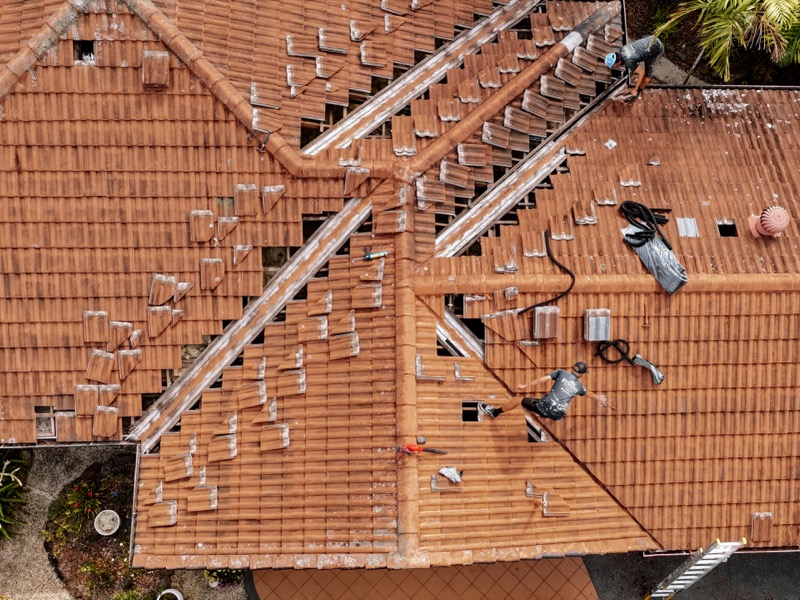
Age-Related Roof Deterioration Signs
Every roof has a lifespan, and recognising the signs of age-related deterioration early can save Gold Coast homeowners thousands in emergency repairs. The most common indicators include cracked or curling tiles, faded roof coatings, rusted metal components, sagging ridgelines, and increased frequency of leaks. In Queensland's harsh climate—with intense UV exposure, cyclonic weather, and salt-laden coastal air—roofs typically show significant wear after 15-20 years. Regular inspections every 12-18 months can identify these warning signs before they escalate into structural damage or interior water damage.
Understanding Roof Ageing in Queensland's Climate
Queensland's unique climate presents distinct challenges for roofing materials. The Gold Coast receives an average of 287 days of sunshine annually, subjecting roofs to relentless UV radiation that breaks down protective coatings and weakens materials over time. Add to this the summer storm season, humidity levels averaging 70-80%, and proximity to the ocean for many properties, and you have a perfect recipe for accelerated roof deterioration.
Different roofing materials age at varying rates in our local conditions:
- Concrete tiles: 30-50 years, though coatings may need restoration every 10-15 years
- Terracotta tiles: 50-70 years with proper maintenance
- Colorbond steel: 25-40 years depending on proximity to coast
- Cement sheeting: 20-30 years before replacement typically needed
- Asphalt shingles: 15-25 years in Queensland's harsh UV environment
Understanding these timeframes helps homeowners plan for maintenance and eventual replacement, avoiding the shock of unexpected roofing expenses.
Common Signs Your Roof Is Showing Its Age
Visible Tile and Material Damage
As roofs age, the materials themselves begin to deteriorate. Look for these telltale signs:
Cracking and breaking: Concrete and terracotta tiles become brittle over time, especially after decades of thermal expansion and contraction. Queensland's temperature swings—from cool winter mornings to scorching summer afternoons—accelerate this process. Small hairline cracks eventually become larger fractures that allow water penetration.
Curling and warping: This is particularly common in older tile roofs where the underlayment has deteriorated. Tiles may lift at the edges, creating entry points for wind-driven rain during storms.
Surface erosion: Concrete tiles gradually lose their surface layer, becoming porous and absorbing water rather than shedding it. You might notice a chalky residue on your tiles or in your gutters—this is the protective coating wearing away.
Coating and Colour Degradation
The protective coatings on roofing materials are your first line of defence against the elements. Signs of coating failure include:
- Significant colour fading: While some fading is normal, dramatic colour loss indicates UV damage to protective layers
- Chalking: A powdery residue on tile surfaces suggests coating breakdown
- Patchy appearance: Inconsistent colour across the roof surface where some areas have deteriorated faster than others
- Moss and lichen growth: Once protective coatings fail, organic growth takes hold, particularly on south-facing sections that receive less direct sunlight
On the Gold Coast, we see extensive coating degradation in roofs over 15 years old. The combination of salt air and UV radiation is particularly harsh on standard roof coatings, which is why Radiant Roof Repairs recommends premium restoration coatings with extended UV warranties for coastal properties.
Structural Warning Signs
More serious age-related deterioration affects the roof's structural integrity:
Sagging ridgelines or roof planes: This indicates potential timber deterioration in the roof frame, often caused by prolonged moisture exposure from failed flashings or valley gutters. A sagging roof requires immediate professional assessment.
Damaged or deteriorated flashings: The metal flashings around chimneys, vents, skylights, and roof penetrations are often the first components to fail. Look for rust, lifting edges, or visible gaps.
Valley deterioration: Roof valleys channel significant water flow during Queensland's intense downpours. Aged valley gutters may show corrosion, holes, or compromised seals.
Ridge cap issues: Cracked, loose, or missing ridge caps along the roof peak allow water and pest entry while compromising wind resistance during storms.
Common Causes of Accelerated Roof Deterioration
Environmental Factors
Several factors specific to South East Queensland accelerate roof ageing:
- UV radiation: Queensland has some of the highest UV levels globally, breaking down polymers and protective coatings
- Salt air: Coastal properties within 5km of the ocean experience accelerated corrosion of metal components
- Storm damage: Accumulated minor damage from hail, wind, and debris adds up over the years
- Humidity: Persistent moisture encourages organic growth and can lead to timber rot in roof structures
- Thermal cycling: Daily temperature variations cause expansion and contraction stress on materials
Maintenance Neglect
Many age-related issues are worsened by inadequate maintenance:
- Blocked gutters: Cause water backup under eaves and into roof cavities
- Accumulated debris: Traps moisture against roofing materials
- Ignored minor repairs: Small cracks and damaged tiles allow water entry that causes larger problems
- Vegetation overgrowth: Trees rubbing on roofs and dropping debris accelerate wear
Installation Quality
Older roofs may suffer from installation practices that don't meet current standards:
- Inadequate sarking or underlayment
- Improper tile bedding and pointing
- Substandard flashing installation
- Insufficient ventilation leading to heat and moisture buildup
Solutions for Age-Related Roof Problems
DIY Maintenance Tasks
Homeowners can safely perform several maintenance tasks to slow deterioration:
Regular visual inspections: From ground level, look for obvious signs of damage, missing tiles, or debris accumulation. Use binoculars for a closer look without climbing onto the roof.
Gutter cleaning: Clear gutters and downpipes at least twice yearly—before storm season in October and after autumn leaf fall. Blocked gutters are a leading cause of preventable roof damage.
Debris removal: Keep the roof surface clear of leaves, branches, and accumulated organic matter. Use a leaf blower from a ladder rather than walking on aged tiles.
Tree management: Trim branches to maintain at least 2 metres clearance from your roof to prevent physical damage and reduce debris accumulation.
Moss treatment: For minor moss growth, apply a commercial moss killer according to product directions. Avoid pressure washing, which can damage aged tiles.
Professional Solutions
For significant age-related deterioration, professional intervention is necessary:
Roof restoration ($2,500 - $8,000+): A comprehensive restoration includes cleaning, repairs, repointing ridge caps, replacing damaged tiles, and applying protective coatings. This can extend roof life by 10-15 years and is significantly more economical than full replacement.
Targeted repairs ($500 - $4,000+): Professional roofers can address specific problems like damaged flashings, broken tiles, or valley replacements without full restoration.
Roof replacement ($19,999 - $45,000+): When deterioration is too extensive for restoration, full replacement becomes the most cost-effective option. Modern materials and installation techniques provide improved performance and longevity.
Gutter replacement ($500 - $5,000+): Aged guttering often needs replacement alongside roof work to ensure the complete roofing system functions properly.
When to Call a Professional
Certain situations require immediate professional assessment:
- Active leaks: Water entering your home during rain indicates failed waterproofing that will cause increasing damage
- Storm damage: After severe weather, professional inspection identifies damage that may not be visible from the ground
- Visible sagging: Any structural deformation requires urgent assessment
- Multiple broken tiles: Extensive tile damage suggests underlying issues and creates immediate water entry risk
- Significant moss/lichen coverage: Heavy organic growth indicates coating failure and potential moisture damage
- Roof age exceeding 20 years: Even without obvious problems, aged roofs benefit from professional assessment to plan maintenance or replacement
At Radiant Roof Repairs, our QBCC licensed team provides comprehensive roof inspections throughout the Gold Coast, Brisbane, and Sunshine Coast regions. With over 25 years of experience in Queensland roofing, we can accurately assess your roof's condition and recommend the most cost-effective solution.
Prevention Tips for Extending Roof Life
Establish a Maintenance Schedule
Proactive maintenance significantly extends roof lifespan:
- Quarterly: Visual inspection from ground level
- Bi-annually: Gutter cleaning (October and April)
- Annually: Trim vegetation near roof
- Every 2-3 years: Professional inspection and minor repairs
- Every 10-15 years: Consider restoration to refresh protective coatings
Improve Roof Ventilation
Adequate ventilation reduces heat buildup and moisture accumulation that accelerates deterioration. Options include:
- Whirlybirds (turbine vents)
- Ridge ventilation
- Soffit vents
- Powered roof ventilators
Address Problems Early
The most effective prevention is prompt attention to minor issues:
- Replace cracked tiles immediately
- Repair lifting flashings before water entry occurs
- Treat moss growth before it spreads
- Fix minor gutter issues before they cause overflow damage
Choose Quality Materials for Repairs
When repairs are needed, invest in quality:
- Use matching tiles from reputable suppliers
- Specify premium sealants and coatings
- Ensure replacement flashings are appropriate gauge and material for coastal conditions
Frequently Asked Questions
How long should a roof last on the Gold Coast?
Roof lifespan varies by material: concrete tiles typically last 30-50 years, terracotta 50-70 years, and Colorbond steel 25-40 years. However, Queensland's harsh UV exposure and coastal salt air can reduce these timeframes. Regular maintenance and timely restoration can maximise your roof's serviceable life.
What are the first signs that my roof is ageing?
The earliest indicators are usually cosmetic—fading colour, minor surface erosion, and small patches of moss or lichen. These signal that protective coatings are deteriorating. Addressing these early signs with professional restoration can prevent progression to more serious structural issues.
Can an old roof be restored, or does it need replacement?
Many aged roofs are excellent candidates for restoration rather than replacement. If the underlying structure is sound and tiles aren't extensively damaged, restoration can extend roof life by 10-15 years at a fraction of replacement cost. A professional assessment can determine which option suits your situation.
How much does it cost to fix an ageing roof?
Costs vary based on the extent of deterioration. Minor repairs typically range from $500-$4,000, comprehensive restoration from $2,500-$8,000+, and full replacement from $19,999-$45,000+. Getting multiple quotes helps ensure you receive fair pricing for the required work.
Is roof deterioration covered by insurance?
Standard home insurance typically covers sudden damage from storms or accidents but excludes gradual deterioration and wear. However, if age-related deterioration contributes to storm damage, the situation becomes complex. Document your roof's condition with regular inspections to support any future claims.
How often should I have my roof professionally inspected?
For roofs under 15 years old, professional inspection every 3-5 years is usually sufficient. For older roofs, annual inspections are advisable. Additionally, always arrange inspection after significant storm events, regardless of roof age.
What causes roofs to deteriorate faster on the Gold Coast?
The combination of intense UV radiation, salt-laden coastal air, high humidity, and severe storm events creates particularly harsh conditions for roofing materials. Properties within 5km of the ocean experience accelerated corrosion of metal components, while all Gold Coast roofs suffer significant UV degradation.
Can I inspect my own roof for age-related damage?
You can perform basic visual inspections from ground level using binoculars. Look for obvious damage, missing tiles, debris accumulation, and colour changes. However, avoid walking on aged roofs—brittle tiles can crack underfoot, and the risk of falls is significant. Leave physical inspections to licensed professionals.
What's the difference between roof restoration and roof replacement?
Restoration involves cleaning, repairing, and recoating an existing roof, suitable when the structure and majority of materials are sound. Replacement involves removing the old roof entirely and installing new materials. Restoration costs significantly less but is only viable when underlying components remain serviceable.
Should I repair individual tiles or restore the whole roof?
This depends on the extent of damage and overall roof condition. If only a few tiles are damaged and the roof is otherwise sound, targeted repairs make sense. However, if you're frequently replacing tiles or notice widespread coating deterioration, comprehensive restoration provides better long-term value.
Conclusion
Recognising age-related roof deterioration signs early is essential for Gold Coast homeowners looking to protect their property investment. Queensland's harsh climate—with its intense UV radiation, coastal salt air, and severe storm season—places extraordinary demands on roofing materials, making regular inspection and maintenance crucial.
Whether your roof shows early warning signs like fading and minor moss growth, or more serious indicators like cracked tiles and sagging ridgelines, taking prompt action prevents minor issues from becoming major expenses. For roofs approaching or exceeding 20 years of age, professional assessment helps you understand your options and plan accordingly.
Radiant Roof Repairs offers comprehensive roof inspections and honest assessments for homeowners across the Gold Coast, Brisbane, and Sunshine Coast. Our QBCC licensed team brings over 25 years of local experience to every job, ensuring you receive expert advice tailored to Queensland conditions. Contact us on 0480 855 390 to arrange your roof assessment and take the first step toward protecting your home.